The Bobcat Encounter: Managing Large Predators in Suburban Fringes
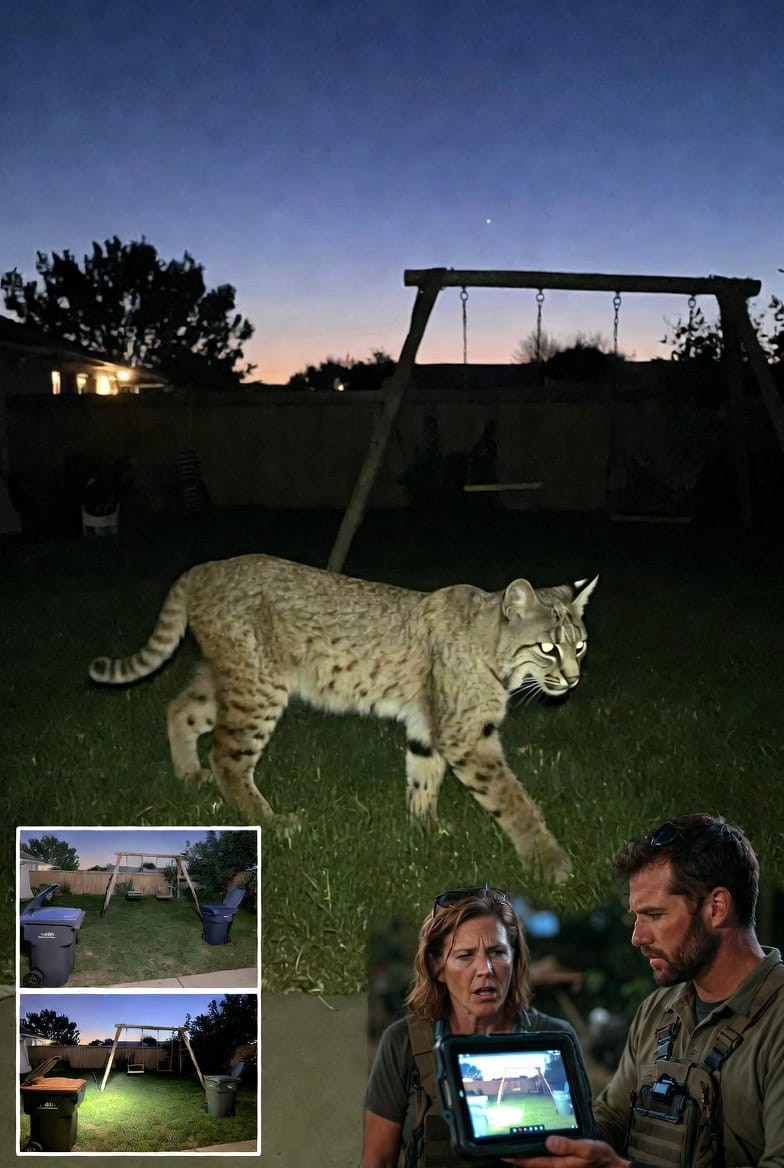
As suburban neighborhoods continue to expand into former wildlands, encounters with native predators like bobcats are becoming more common. Homeowners across the country report seeing these elusive cats on trail cameras, in backyards, or near pet areas. While the sight can feel alarming, bobcats are generally not a threat to humans. With the right knowledge and humane strategies, you can protect your family, pets, and property while respecting the natural balance these predators bring to the ecosystem.
Call Now for Safe Bobcat Removal & Humane Deterrents
This comprehensive guide explains bobcat behavior, highlights real risks to small pets, and shares proven, non-lethal discouragement methods that work. You’ll finish confident that peaceful coexistence is not only possible — it’s the smartest approach.
Why Bobcats Are Moving into Suburban Fringes
Urban sprawl has reduced natural hunting grounds, pushing bobcats closer to residential edges. They follow easy food sources — rabbits, rodents, and occasionally unsecured pet food. Unlike coyotes or mountain lions, bobcats remain highly elusive and nocturnal, preferring to hunt at dawn and dusk when human activity is low.
Key fact: Bobcats are solitary and territorial. A single adult typically needs 5–30 square miles of habitat. When suburbs expand, they simply shift their territory rather than seek out people. Most sightings are brief; the bobcat disappears as quickly as it appears.
Understanding Bobcat Behavior: What Every Homeowner Should Know
Bobcats are masters of stealth. Their spotted coats provide perfect camouflage in brushy edges and wooded fringes. They are strict carnivores, primarily hunting small mammals, birds, and reptiles. Adult bobcats weigh 15–35 pounds and stand about two feet tall at the shoulder — far smaller than many people imagine when they hear the word “predator.”
They actively avoid humans. Bobcats have keen hearing and excellent night vision, allowing them to detect movement long before you notice them. They rarely approach occupied homes unless attracted by easy food sources such as unsecured trash, pet food left outside, or small livestock left unprotected overnight.
Seasonal behavior matters too. In spring and summer, females teach kittens to hunt, which can increase sightings. In winter, bobcats become more active during daylight hours when prey is scarce. Recognizing these patterns helps you stay one step ahead without panic.
Reassuring truth: Bobcats do not view humans or large dogs as prey. Their instinct is flight, not fight. Most “attacks” reported in news stories are actually defensive reactions when cornered or when a pet gets too close during hunting.
Potential Risks to Small Pets and Why They Matter
While bobcats pose almost zero risk to people, small pets can be vulnerable. Cats, toy-breed dogs, rabbits, and backyard chickens are all within a bobcat’s natural prey size. A bobcat can clear a six-foot fence in a single bound if motivated by hunger or curiosity.
Common risk scenarios include:
- Free-roaming cats or small dogs left unsupervised at dusk or dawn.
- Uncovered rabbit hutches or chicken coops with gaps large enough for a bobcat to squeeze through.
- Pet food bowls left on patios overnight, acting as an open invitation.
The good news? These risks are entirely preventable. By making your property less attractive and supervising pets during peak bobcat hours, you eliminate the incentive for them to visit.
Humane Discouragement: Proven Methods That Work Without Harm
The most effective wildlife management focuses on making your yard unappealing rather than confronting the animal. Bobcats are intelligent and will quickly move on when food and shelter become difficult to obtain.
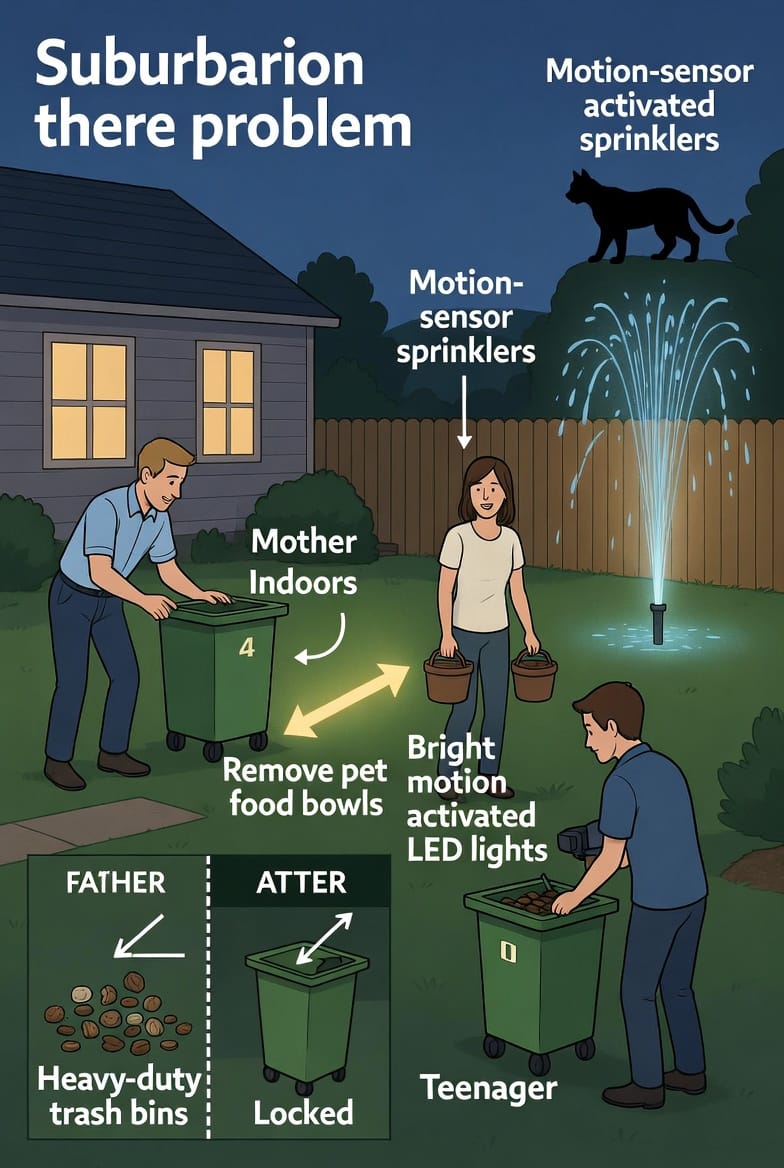
Here are the most effective humane techniques:
- Secure all trash and compost. Use locking lids or store bins in a locked shed. Bobcats are drawn to the scent of food scraps.
- Remove pet food and water bowls at night. Bring them inside after feeding time to eliminate free meals.
- Install motion-activated lighting and sprinklers. Sudden bright lights and bursts of water startle bobcats without causing injury.
- Trim dense brush and overgrown vegetation around property edges. Bobcats prefer cover; clearing it removes their hiding spots.
- Use fencing with a 6-foot height and outward-angled top for livestock enclosures. Add an electric strand at the base if needed.
- Keep small pets indoors or supervised during crepuscular hours (dawn and dusk).
These methods are 100% humane, environmentally responsible, and highly effective. Property owners who implement them consistently report a 90%+ reduction in bobcat activity within two weeks.
Best Practices for Safe Coexistence with Native Predators
Living alongside bobcats is not only possible — it’s ecologically beneficial. These predators help control rodent and rabbit populations that can otherwise damage gardens and spread disease.
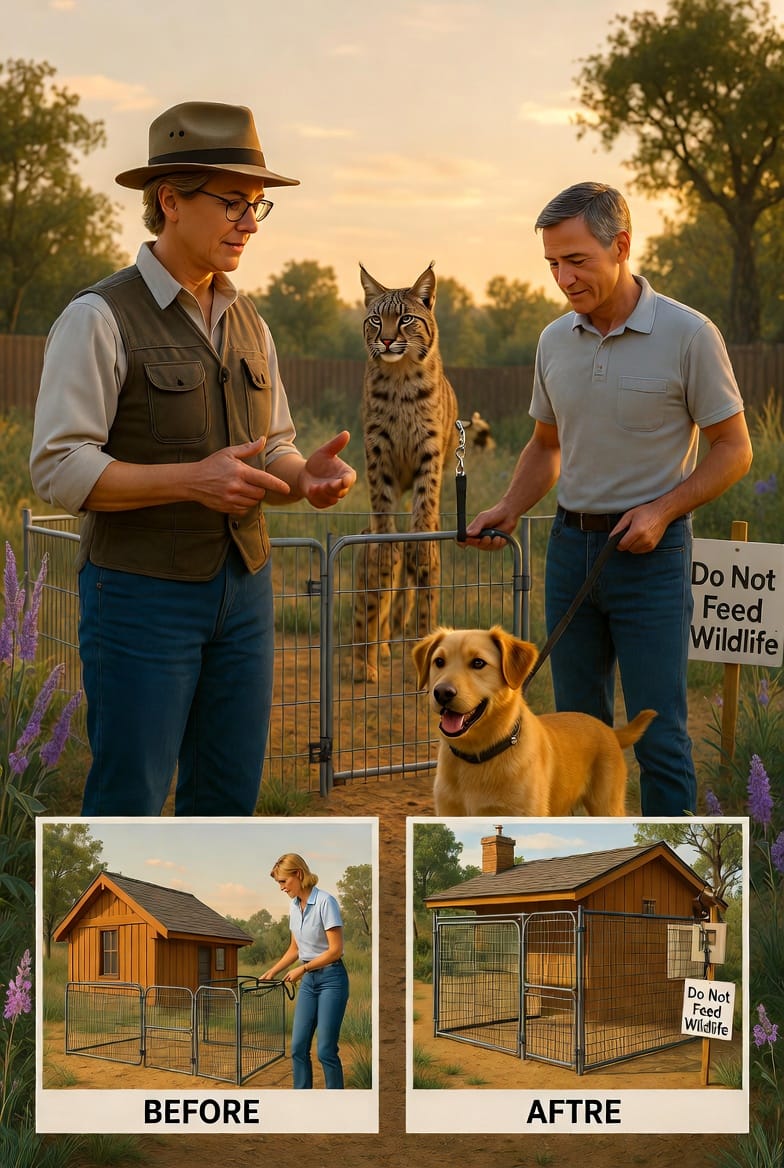
Follow these coexistence guidelines for long-term peace of mind:
- Always supervise small pets when outdoors, especially at dawn and dusk.
- Secure livestock and poultry in fully enclosed, predator-proof housing every night.
- Never intentionally feed wildlife — this includes leaving out food for feral cats or deer.
- Educate neighbors about shared responsibility; one unsecured property can attract animals to the entire block.
- Maintain clear sightlines in your yard and install trail cameras for early detection.
When entire neighborhoods adopt these habits, bobcat visits drop dramatically and everyone enjoys safer outdoor spaces.
When to Call Professional Wildlife Management Experts
Sometimes a situation requires expert assessment — for example, a bobcat that appears injured, a den discovered under a deck, or repeated daytime sightings that suggest habituation. Professional wildlife removal teams use humane exclusion techniques, live trapping when necessary, and relocation following strict state guidelines.
Experts also provide property-specific audits, recommend custom deterrent installations, and offer ongoing monitoring. Choosing licensed professionals ensures compliance with local wildlife laws while delivering fast, stress-free results.
You don’t have to manage this alone. With the right support, bobcat encounters become manageable, temporary events rather than ongoing concerns.
Live Safely Alongside Native Predators
Bobcats belong in our shared landscape. By understanding their behavior, minimizing attractants, and applying simple humane strategies, you can enjoy your suburban home without worry.
Our experienced team is ready to help you assess your property, implement effective deterrents, and restore peace of mind — all while protecting the natural balance that makes your neighborhood special.
Get Professional Bobcat Management for Your Suburban Home