The Heron Predation: Protecting Backyard Ponds from Wading Birds
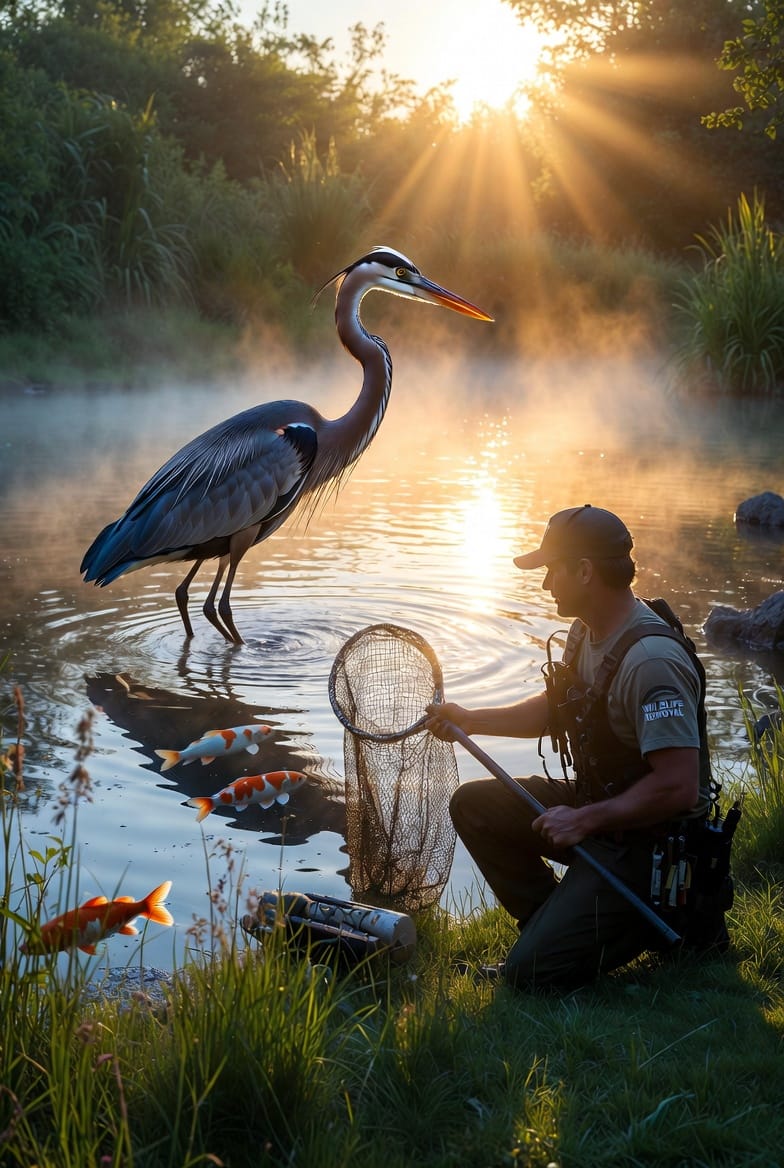
Backyard ponds bring tranquility, color, and life to any landscape. Yet for many homeowners, that peaceful scene can turn into a daily battle against heron predation. These elegant but relentless wading birds have a single-minded focus: turning your carefully curated koi and goldfish haven into their personal buffet.
Stop Heron Predation Today – Call for Expert Help
If you’ve noticed fewer fish, scattered scales, or the unmistakable silhouette of a tall gray bird at the water’s edge, you are not alone. Heron predation is one of the most common yet frustrating wildlife conflicts facing pond owners today. The good news? With the right knowledge and proven strategies, you can protect your pond’s inhabitants effectively and permanently.
This comprehensive guide explains exactly how great blue herons hunt, the real damage they cause, and the most reliable deterrents that deliver results. Whether you prefer simple DIY measures or prefer the reassurance of professional wildlife management, you will finish this article confident that your pond can remain a safe sanctuary.
The Silent Hunter: Understanding Great Blue Heron Behavior
Great blue herons are master predators perfectly adapted for shallow-water hunting. Standing up to four feet tall with a six-foot wingspan and a dagger-like beak, they move with deliberate patience. They do not chase prey. Instead, they wade into water less than 12 inches deep, remain perfectly still for minutes at a time, and strike with lightning speed when a fish swims within range.
Backyard ponds are ideal hunting grounds because they offer clear, calm water, concentrated fish populations, and easy access without natural barriers. Herons are especially active at dawn and dusk, but they will visit throughout the day if the fishing is good. Once a heron discovers your pond, it will return repeatedly — sometimes daily — until the food source is depleted.
Heron behavior is opportunistic and highly efficient. They prefer koi and goldfish because these bright, slow-moving fish are easy targets. A single adult heron can consume up to three pounds of fish per day. During breeding season, they may take even more to feed their young. Understanding this predictable pattern is the first step toward breaking the cycle of predation.
The Devastating Impact on Your Koi and Goldfish Ponds
The damage from heron predation goes far beyond the loss of a few fish. Valuable koi that represent years of careful breeding and hundreds — sometimes thousands — of dollars can vanish overnight. Surviving fish become stressed, stop feeding, and lose their vibrant colors. The pond’s delicate ecosystem suffers as well: fewer fish means poorer water quality and increased algae growth.
Homeowners often describe the emotional toll. “It felt like losing pets,” one client shared after watching a prized butterfly koi disappear in a single strike. The financial loss compounds quickly when prize specimens must be replaced. Even worse, herons can introduce parasites or bacteria through their droppings, creating secondary health issues for the remaining fish.
Left unchecked, heron predation can empty an entire pond within weeks, turning a source of pride into an expensive eyesore. The key is early intervention before the problem escalates.
Recognizing the Warning Signs of an Active Threat
Spotting heron predation early gives you the advantage. Look for these clear indicators:
- Missing or injured fish — especially larger specimens that suddenly vanish
- Scattered scales or fish remains along the pond edge
- Heron footprints in soft mud or on pond liners
- A tall gray bird standing statue-still at the water’s edge
- Sudden drop in fish activity during daylight hours
If you observe any of these signs, immediate action is essential. Delaying only gives the heron more time to establish a routine.
Proven Deterrents That Actually Work
Effective protection combines multiple layers of defense. Relying on a single method rarely succeeds because herons quickly adapt. Here are the most reliable strategies:
Physical Barriers: Pond Netting and Fishing Line Grids
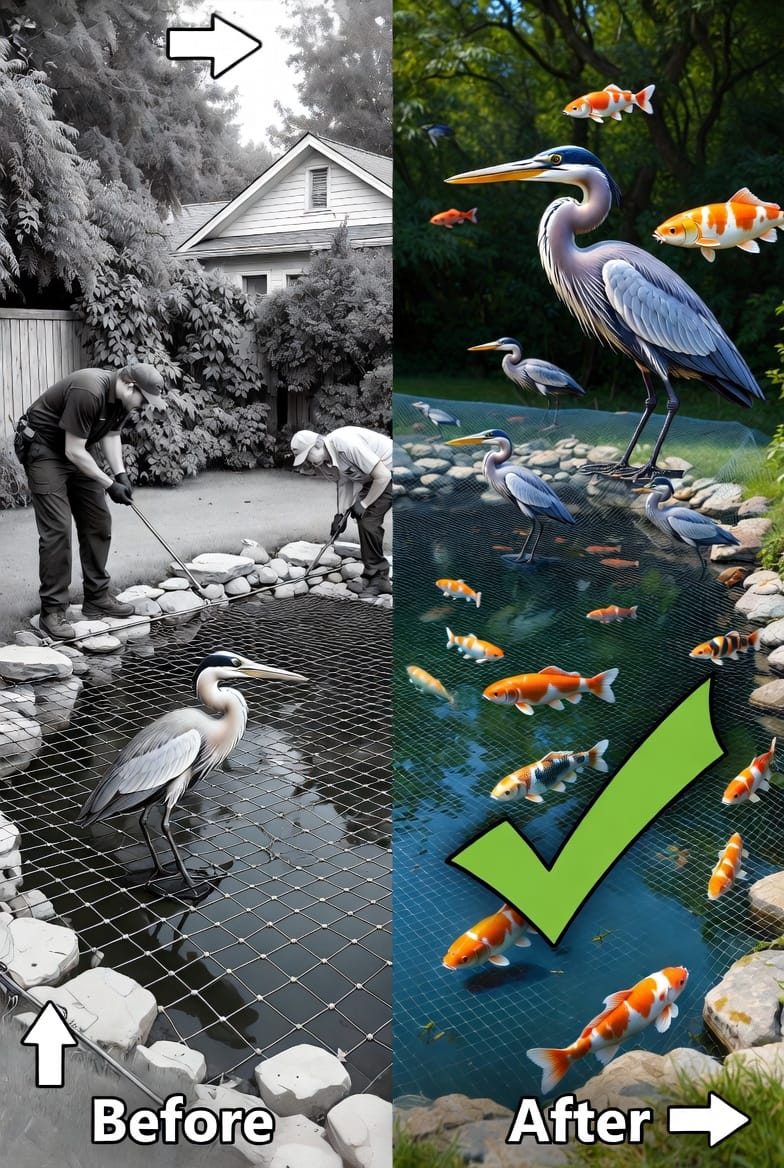
Pond netting remains one of the most effective and humane solutions. High-quality, fine-mesh netting stretched across the water surface prevents herons from reaching fish while still allowing sunlight and rain to pass through. For smaller ponds, a removable frame system makes maintenance easy.
A fishing line grid offers a nearly invisible alternative. Monofilament lines strung in a crisscross pattern two to three inches above the water create a physical barrier herons cannot navigate. The lines are almost undetectable from a distance, preserving the pond’s natural beauty.
Visual and Motion-Activated Deterrents
Heron decoys can provide short-term relief by mimicking the presence of a competitor. For best results, move the decoy frequently and pair it with other methods. Reflective tape, pinwheels, and floating predator eyes add extra visual confusion that discourages landing.
Motion-activated sprinklers deliver a powerful combination of surprise water spray and noise. When the heron steps into the sensor zone, it receives a sudden shower and learns to avoid the area. These devices are especially effective because they target the heron’s natural wariness without harming it.
Habitat Modifications for Long-Term Security
Design matters. Deep water zones (at least 24–36 inches) give fish a safe refuge where herons cannot wade. Strategic hiding places created with aquatic plants, rock ledges, and submerged structures allow fish to escape detection.
Combining these modifications with the deterrents above creates a multi-layered defense that herons rarely overcome.
Building Your Complete Pond Protection Plan
A successful plan starts with assessment. Measure water depth, identify shallow entry points, and note heron access routes. Install physical barriers first, then add motion-activated devices for active deterrence.
Maintain your system consistently. Check netting for tears, move decoys weekly, and ensure sprinklers have fresh batteries. Seasonal adjustments are important — herons are most active in spring and summer, but hungry birds may appear year-round in milder climates.
Many homeowners achieve 100% protection by layering three or more strategies. The investment in time and materials pays for itself quickly when you stop replacing expensive fish.
Why Professional Wildlife Removal Makes All the Difference
While DIY solutions work for some, many pond owners prefer the peace of mind that comes with expert help. Professional wildlife management teams bring years of experience, commercial-grade equipment, and knowledge of local heron patterns. They can design a custom protection plan tailored to your pond’s size, fish species, and landscape.
Experts also handle installation quickly and cleanly, minimizing disruption to your backyard enjoyment. Most importantly, they offer ongoing monitoring and maintenance programs that ensure long-term success. When heron predation threatens your investment, professional support is the fastest route to a secure pond.
Real Results: A Recent Pond Rescue
Consider the Smith family in suburban Atlanta. Their 1,200-gallon koi pond had lost nine valuable fish in just ten days. After a single professional consultation, the team installed a combination of custom-fitted netting, a fishing line grid, deep-water refuge zones, and motion-activated sprinklers. Within 48 hours the heron stopped visiting. Three months later the pond remains predator-free, and the fish have regained their vibrant health and activity. Stories like this happen every week when proper protocols are followed.
Additional Long-Term Management Tips
- Trim surrounding vegetation to remove heron perches
- Install low-voltage perimeter fencing or rock borders
- Feed fish at consistent times in a central deep area
- Consider automatic feeders that reduce the need for surface feeding
- Schedule quarterly professional inspections
These simple habits reinforce your primary deterrents and keep your pond thriving for years.
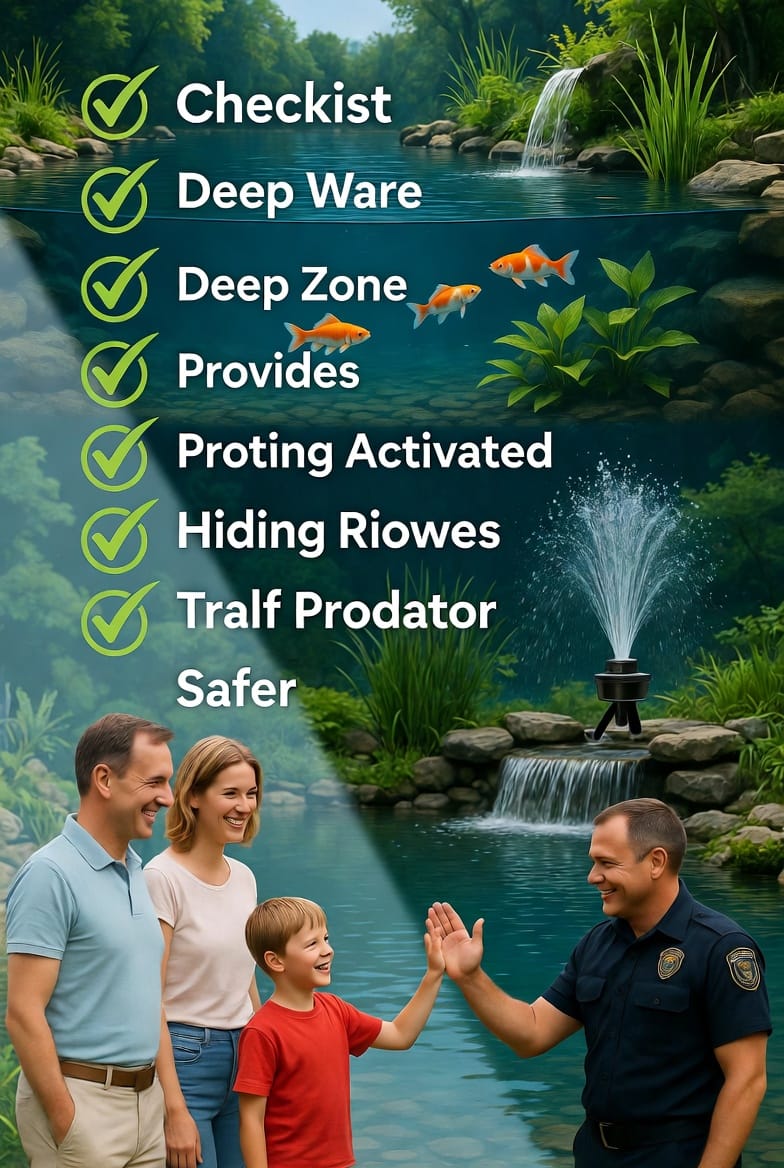
Protect Your Pond’s Inhabitants from Predators
Your backyard pond deserves to be a source of joy, not constant worry. Heron predation is a manageable challenge when you understand the behavior, recognize the risks, and deploy the right combination of deterrents.
By taking proactive steps today — whether through proven DIY methods or professional wildlife management — you can enjoy crystal-clear water and healthy, colorful fish for seasons to come.
Protect your pond’s inhabitants from predators. Our team is ready to assess your situation and create a custom protection plan that keeps herons away permanently.
Get Professional Heron Deterrent Solutions – Call Today