The Liquid Aeration: Enzymatic Soil Treatment as an Alternative to Core Aeration
In the world of professional lawn care, a thriving, emerald-green lawn is the ultimate goal for homeowners who take pride in their outdoor spaces. Yet soil compaction remains one of the most common yet overlooked challenges that can silently rob even the best-maintained yards of their full potential. When soil becomes densely packed, roots struggle to expand, water and nutrients have difficulty reaching deeper levels, and overall lawn health begins to decline.
Transform Your Lawn with Enzymatic Aeration – Call Now!
For decades, core aeration has served as the traditional remedy, mechanically pulling plugs of soil to create channels for air and water. While effective in many cases, it isn’t always the ideal choice. Homeowners facing rocky soil, intricate irrigation systems, or simply wanting a less invasive option now have a powerful modern solution: liquid aeration through enzymatic soil treatment. This advanced method offers a convenient, results-driven alternative that restores soil structure without the disruption of traditional techniques.
You can rest assured that liquid aeration is a proven, science-backed approach designed for today’s lawns. It uses carefully formulated enzymes and surfactants to break down compacted layers naturally, promoting deeper root growth and vibrant grass without leaving behind unsightly plugs or requiring heavy equipment. Whether your lawn faces moderate compaction or you simply prefer a cleaner process, this method delivers the aeration your yard needs while keeping your landscape beautiful and intact.
Why Soil Compaction Happens and How It Affects Your Lawn
Soil compaction develops gradually from foot traffic, lawn equipment, clay-heavy soils, or even repeated mowing in the same patterns. As particles press together, pore spaces shrink, limiting oxygen flow and restricting beneficial microbial activity. The visible signs include thinning grass, increased weed pressure, poor drainage after rain, and shallow root systems that make your lawn more vulnerable to drought and disease.
Traditional solutions focus on physical removal of soil, but they come with limitations. That’s where enzymatic soil treatment shines as an innovative alternative to core aeration. By targeting the root cause at a molecular level, it loosens soil without any mechanical disturbance.
Traditional Core Aeration: Benefits and Limitations
Core aeration physically extracts small plugs of soil, creating pathways for air, water, and nutrients. It remains highly effective for severely compacted lawns and continues to deliver excellent long-term results in ideal conditions. Homeowners often appreciate the immediate improvement in water absorption and the way it reduces thatch buildup.
However, this method isn’t feasible or practical for every property. Rocky soils can damage expensive equipment, while underground irrigation lines or utility cables pose safety risks during the process. The cleanup of pulled plugs can be time-consuming, and the temporary disruption to the lawn surface may leave your yard looking less than pristine for days or weeks afterward.
Many homeowners seek a gentler yet equally effective option. Liquid aeration addresses these exact concerns, providing comparable soil-loosening benefits with far less effort and zero physical disruption.
What Is Liquid Aeration and How Does It Work?
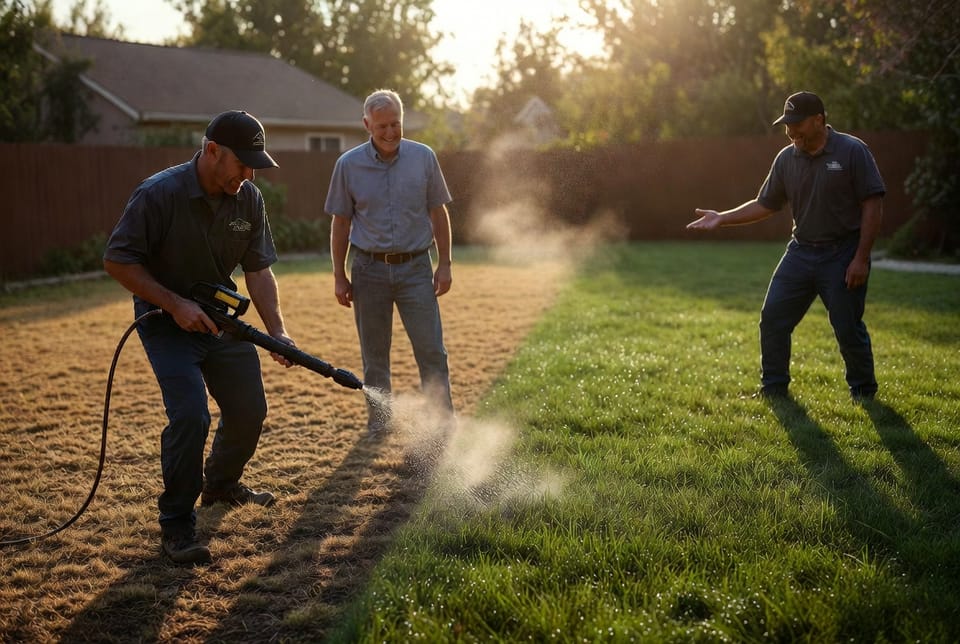
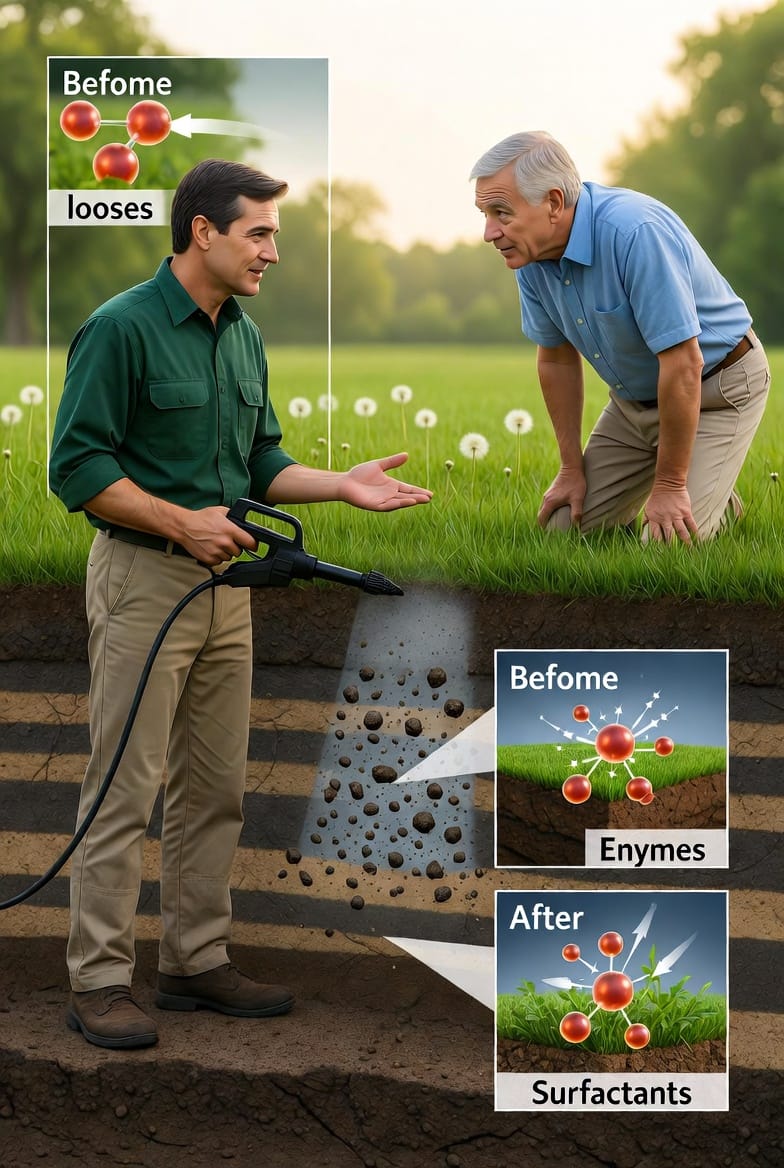
Liquid aeration represents a newer, enzyme-based approach to soil improvement. Specialized products containing natural enzymes, surfactants, and organic compounds are applied through a simple hose-end sprayer or professional spray equipment. These ingredients work together to reduce surface tension and break down the organic and inorganic bonds that hold compacted soil particles together.
Surfactants help the solution penetrate deeply and evenly, while enzymes accelerate the decomposition of thatch and organic matter that contributes to compaction. Over time, this process creates microscopic channels and improves soil structure naturally – all without removing any soil or creating surface holes.
The beauty of enzymatic soil treatment lies in its simplicity and safety. It is non-toxic to pets, children, and beneficial lawn organisms, making it an excellent choice for family yards. Results typically begin appearing within weeks as roots expand and grass thickens, with continued improvement throughout the growing season.
Key Benefits of Choosing Enzymatic Soil Treatment
When you opt for liquid aeration, you gain several distinct advantages that make lawn maintenance easier and more effective:
- No physical disruption – Your lawn stays intact with zero plugs, holes, or cleanup required.
- Ideal for challenging sites – Perfect for rocky soils, sloped yards, or properties with buried irrigation lines and utilities.
- Faster application – A professional team can treat even large lawns in a fraction of the time compared to core methods.
- Improved water efficiency – Better infiltration reduces runoff and helps your lawn stay greener with less watering.
- Enhanced nutrient uptake – Roots access fertilizers more effectively, leading to stronger, more resilient grass.
- Reduced thatch buildup – Enzymes naturally break down organic debris that contributes to compaction.
- Year-round flexibility – Can be applied during active growing seasons without waiting for ideal core aeration windows.
- Environmentally considerate – Uses biodegradable, plant-safe ingredients that support a healthy soil ecosystem.
Homeowners consistently report thicker, greener lawns with fewer weeds and better drought resistance after regular liquid aeration treatments.
When Liquid Aeration Makes the Best Alternative to Core Aeration
Certain situations clearly favor enzymatic soil treatment over traditional core methods. If your property includes rocky terrain that could damage aerator tines, or if you have an in-ground sprinkler system that risks being punctured, liquid application eliminates those concerns entirely.
It also suits homeowners who prefer minimal lawn downtime or those with busy schedules who want professional results without the mess. Even on standard lawns, many choose this method for its convenience while still achieving impressive soil improvement.
Comparing Core Aeration and Liquid Aeration Side by Side
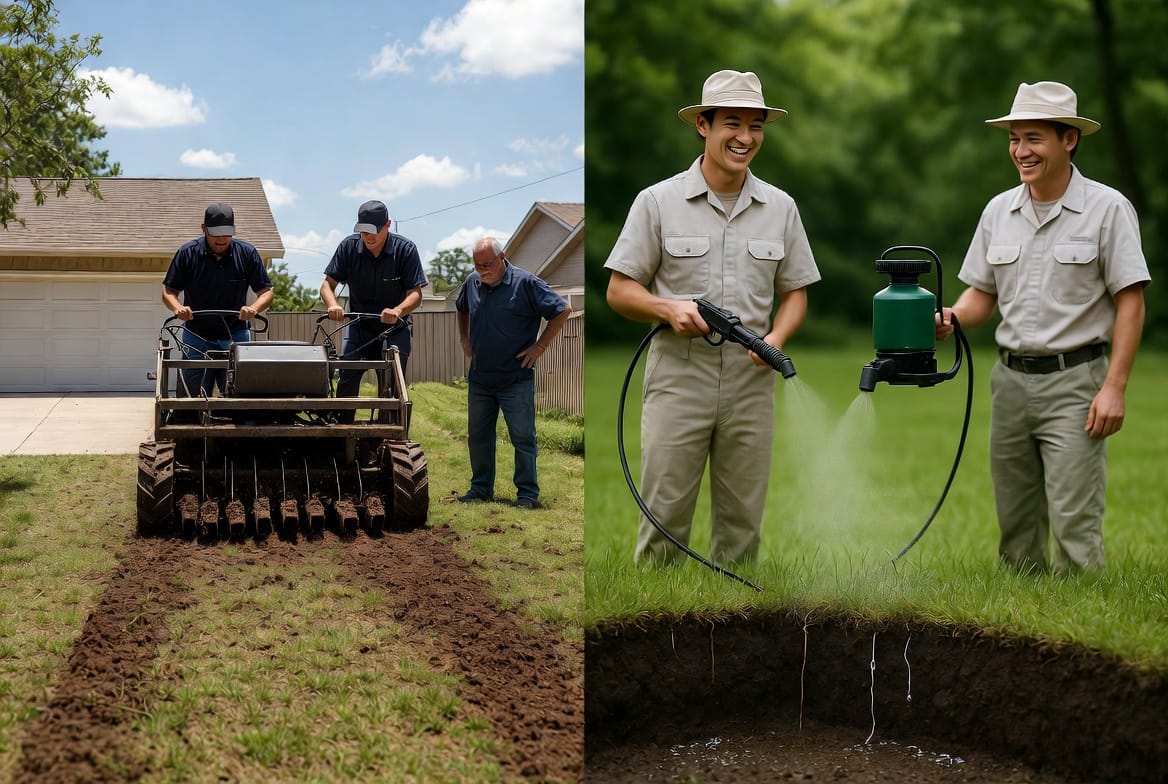
Both approaches aim to relieve compaction, yet they differ significantly in execution and suitability. Core aeration excels in cases of extreme compaction, delivering immediate channels for air and water. However, it involves more labor, equipment, and post-treatment cleanup.
Liquid aeration, by contrast, offers ease and precision. While it may require follow-up applications for the most severe cases, its non-invasive nature makes it the preferred choice for the majority of residential lawns today. The results speak for themselves: healthier soil structure achieved with far less effort.
Implementing Liquid Aeration on Your Property
The process is straightforward and homeowner-friendly. A trained technician first assesses your soil conditions and lawn type to customize the enzymatic soil treatment formula. Application occurs quickly using professional-grade sprayers that ensure even coverage across the entire yard.
Following treatment, you simply continue your normal watering and mowing schedule. Within 2–4 weeks, you’ll notice improved water penetration and greener grass as the enzymes continue working beneath the surface. For best results, most lawns benefit from seasonal applications timed to your local climate and grass variety.
Common Questions About Enzymatic Soil Treatment
Many homeowners wonder if liquid aeration can fully replace core aeration. In most moderate cases, yes – it delivers comparable or even superior long-term soil health when used as part of an ongoing lawn care program. Others ask about safety around pets; rest assured, the formulations are designed to be gentle and break down naturally.
Long-Term Lawn Health with Liquid Aeration
Incorporating liquid aeration into your regular maintenance routine builds stronger, more resilient turf over time. Combined with proper fertilization and mowing practices, it creates the ideal foundation for a lawn that stays beautiful season after season.
Ready to Aerate Without Pulling Plugs?
Your lawn deserves the best care possible – without unnecessary disruption or hassle. Liquid aeration through enzymatic soil treatment provides a smart, effective alternative to core aeration that delivers visible results while protecting your landscape. Aerate without pulling plugs. Your greener, healthier lawn awaits.
Experience Easier Lawn Aeration – Call Today!