The Lawn Winter Mowing Height: Final Cut Before Snow
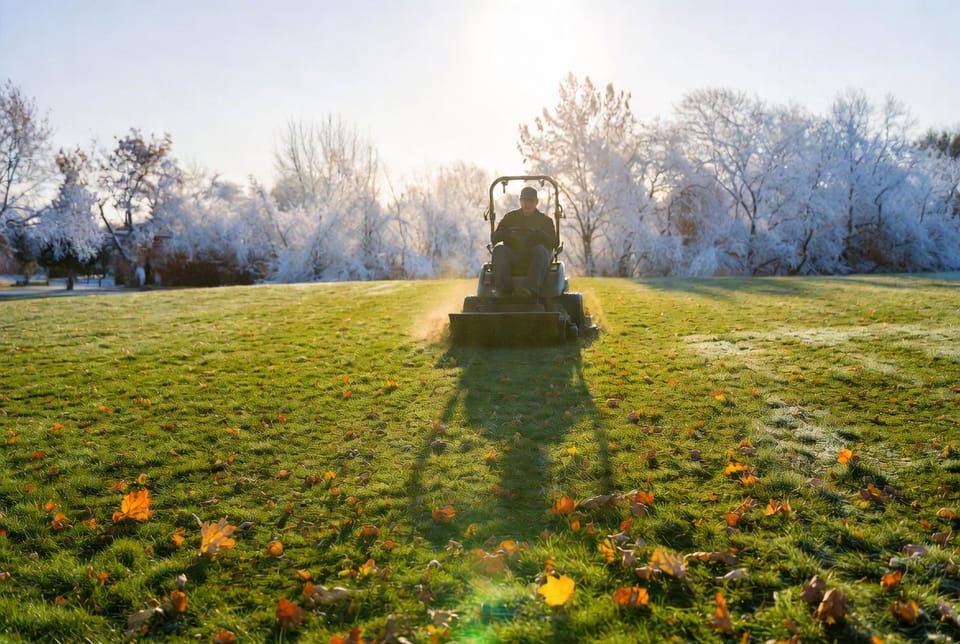
As winter approaches, proper lawn care becomes essential for ensuring your grass emerges healthy and vibrant in spring. One of the most critical yet often overlooked practices is the final winter mowing height. This strategic last cut sets the foundation for winter resilience.
Prepare Your Lawn for Winter – Call Now!
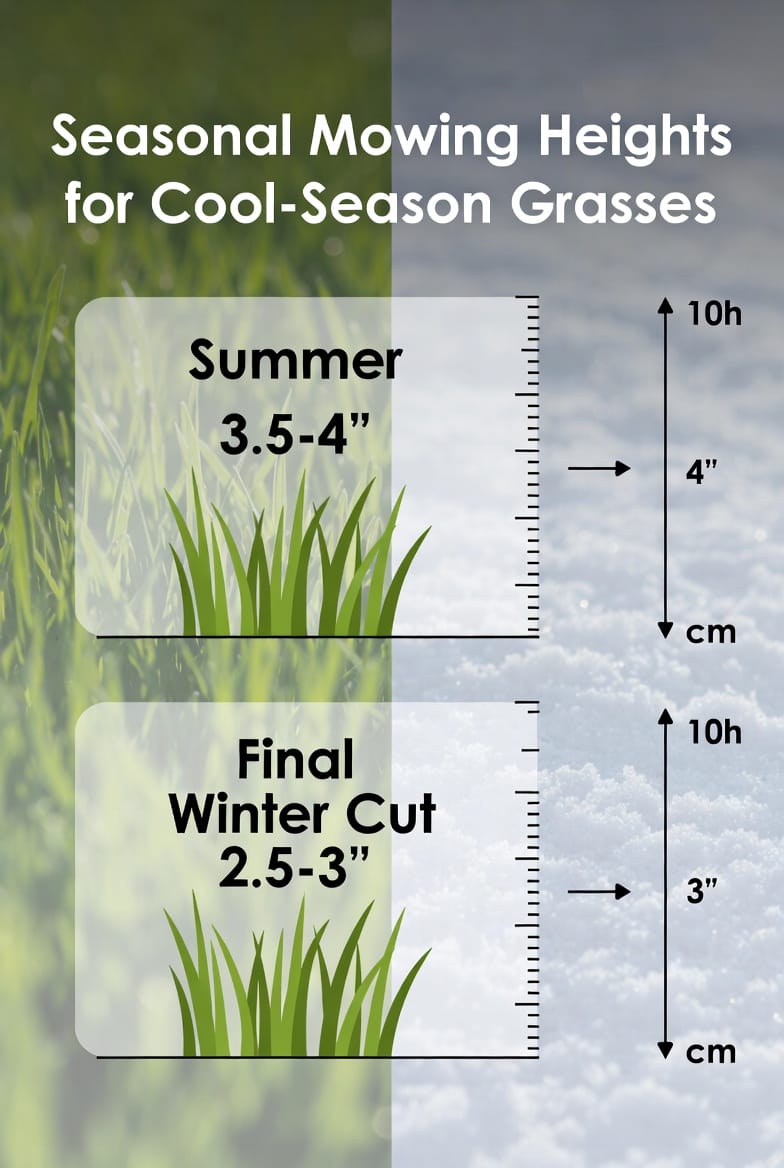
At our professional lawn care service, we recommend adjusting your mowing height specifically for the end of the season. For cool-season grasses, this means mowing to 2.5 to 3 inches — shorter than typical summer heights. This practice minimizes risks like snow mold, matting, and disease while promoting stronger root systems.
In this comprehensive guide, we’ll explore the science, timing, techniques, and full winterization process to help you prepare your lawn confidently. Whether you’re a homeowner or property manager, mastering the lawn winter mowing height will safeguard your investment through the cold months.
Why the Final Cut Matters More Than You Think
Cool-season grasses such as Kentucky bluegrass, fescue, and ryegrass thrive in cooler temperatures but face unique challenges in winter. Leaving grass too tall as snow falls can create a dense mat that traps moisture and promotes fungal growth.
Snow mold thrives in these conditions — a fungal disease that appears as pink or gray patches after snow melts. By mowing shorter for the final cut, you reduce thatch buildup and improve airflow, significantly lowering disease pressure.
Additionally, a properly timed final mow prevents grass blades from bending and matting under heavy snow weight. Matted grass struggles to recover in spring, leading to thin spots and increased weed invasion. A shorter winter mowing height encourages upright growth and better light penetration even under light snow cover.
Key benefits include:
- Reduced snow mold risk by up to 70% according to turfgrass research principles
- Stronger root development as the plant focuses energy downward
- Improved spring green-up with fewer bare patches
- Enhanced overall lawn density and color retention
This practice isn’t about cutting grass aggressively — it’s about strategic preparation that supports long-term lawn health.
Understanding Cool-Season Grasses and Seasonal Height Adjustments
Cool-season grasses grow most actively in spring and fall, slowing dramatically in summer heat and winter cold. Their ideal summer mowing height is typically 3.5 to 4 inches to shade the soil, retain moisture, and discourage weeds.
However, as temperatures drop and growth slows in late fall, maintaining that taller height becomes counterproductive. The lawn winter mowing height of 2.5 to 3 inches strikes the perfect balance — short enough to prevent matting but not so short that it stresses the crown of the plant.
Mowing too short (below 2 inches) can damage the growing points and invite winter injury. Mowing too tall risks the problems mentioned earlier. This specific range has been refined through extensive turf management experience and supports the grass’s natural dormancy cycle.
Optimal Timing for Your Final Cut
Timing is everything when it comes to the final cut before snow. Aim to mow in late fall, just before the ground freezes and after the grass has slowed its growth but is still green.
Look for these indicators:
- Nighttime temperatures consistently in the 30s to low 40s°F
- Grass growth has slowed significantly (less than 1 inch per week)
- Most deciduous trees have dropped their leaves
- No significant snow in the immediate forecast
In many regions, this window falls between mid-October and late November, depending on your local climate. Mowing too early wastes the benefit, while mowing after the ground freezes can compact soil and damage roots.
Pro tip: Monitor your local frost dates and soil temperature. The final cut should occur when the soil is still workable but grass metabolism is winding down.
Step-by-Step Guide to the Perfect Winter Mowing
Achieving the ideal lawn winter mowing height requires careful execution:
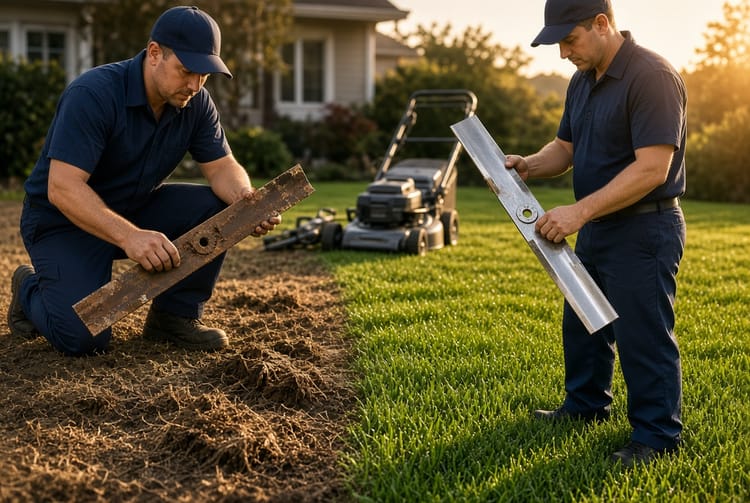
- Prepare your equipment — Sharpen mower blades for a clean cut that reduces disease entry points. Clean under the deck to prevent spreading debris.
- Clear the lawn — Remove sticks, toys, and heavy leaf accumulations before mowing.
- Set the height — Adjust to 2.5-3 inches. Measure from the soil surface to the blade tip.
- Mow when dry — Only mow on dry grass to prevent clumping and uneven cuts.
- Use proper technique — Mow in different directions than previous cuts to stand blades upright.
- Leave clippings — For the final cut, short clippings decompose quickly and return nutrients.
- Inspect afterward — Ensure uniform height and address any missed spots.
Following these steps ensures a professional-quality result that protects your lawn all winter.
Comprehensive Winterization Tasks to Pair with Final Mowing
The final cut is just one component of successful lawn winterization. Complete these complementary tasks for maximum protection:
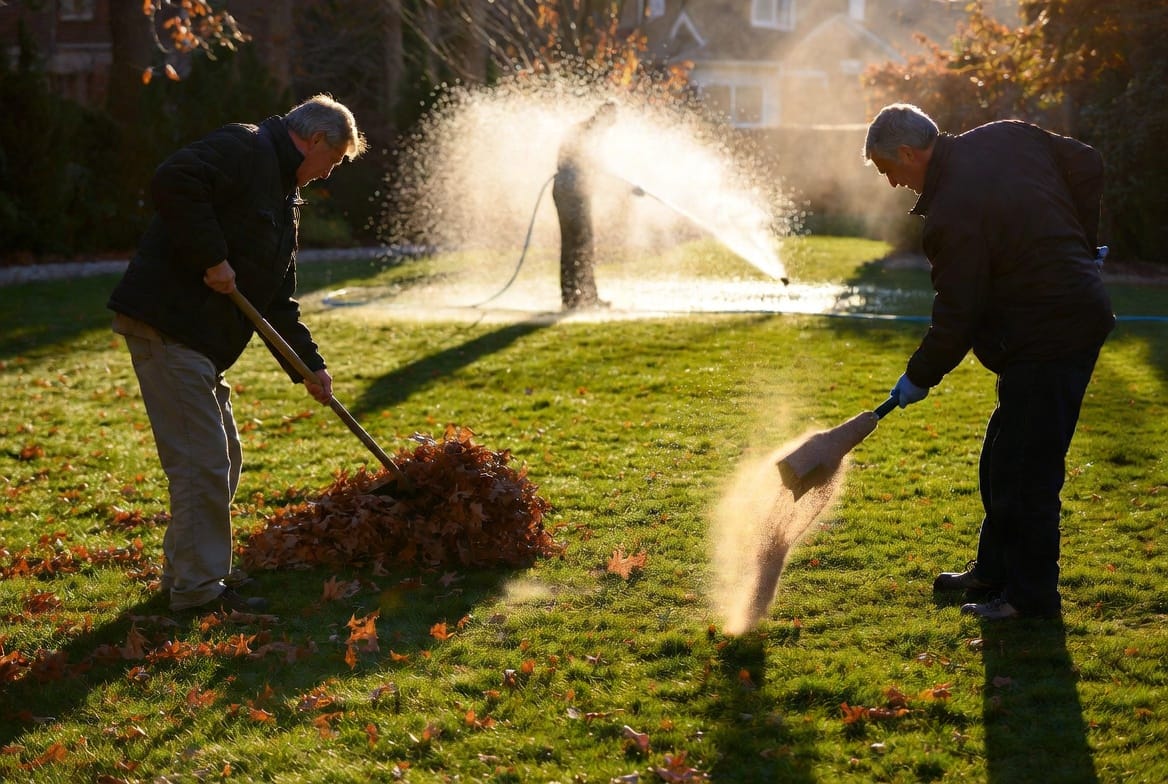
- Rake or mulch leaves thoroughly — Heavy leaf layers smother grass and contribute to mold.
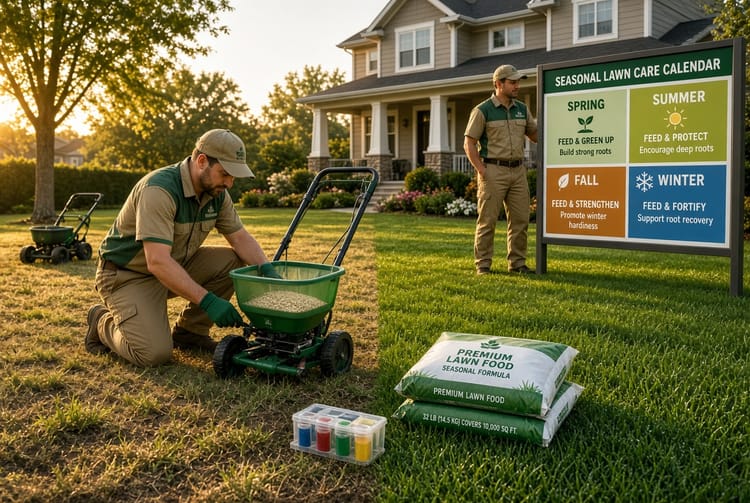
- Apply winter fertilizer — Choose a formula high in potassium to strengthen roots and improve cold hardiness.
- Blow out irrigation systems — Prevent freezing damage to pipes and sprinkler heads.
- Aerate if needed — Fall aeration relieves soil compaction before winter sets in.
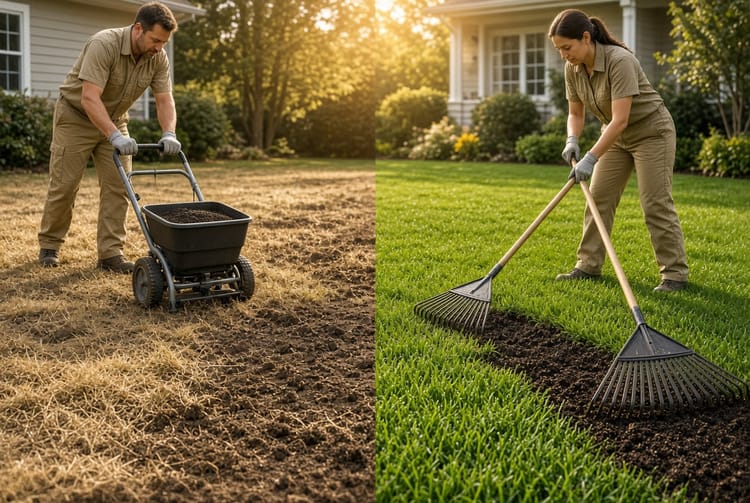
- Overseed thin areas — Give new grass time to establish before dormancy.
- Trim edges and beds — Create clean borders that improve winter appearance and spring start.
Integrating these steps with proper lawn winter mowing height creates a synergistic effect that dramatically improves spring recovery.
Common Mistakes to Avoid
Even experienced homeowners can make errors during final winter preparations:
- Mowing too late after the first hard freeze
- Cutting too short (under 2 inches), which shocks the grass
- Skipping leaf removal before the final mow
- Using dull blades that tear rather than cut grass
- Ignoring soil testing before fertilizer application
Avoiding these pitfalls ensures your efforts yield the best possible results. Our team frequently helps clients recover from these common issues through targeted spring renovation.
Expert Tips for Superior Lawn Resilience
- Monitor weather patterns closely in late fall for the ideal mowing window.
- Consider grass type specifics — Fine fescues may tolerate slightly different heights than tall fescue.
- Maintain mower maintenance year-round for consistent performance.
- Document your lawn’s condition with photos before and after winter for comparison.
- Establish a professional partnership for consistent results, especially on larger properties.
These practices, grounded in proven turf science, help homeowners achieve lawns that not only survive winter but thrive afterward.
The Science Behind Winter Mowing Heights
Turfgrass specialists emphasize that mowing height directly influences carbohydrate storage in grass crowns. A 2.5-3 inch final cut allows sufficient leaf surface for photosynthesis during mild fall days while minimizing excess foliage that becomes problematic under snow.
This height also optimizes the crown insulation provided by snow while reducing humidity at the base — a primary factor in snow mold development. Studies in cold-climate turf management consistently support these recommendations for cool-season varieties.
Long-Term Benefits of Proper Winter Preparation
Lawns that receive correct final cut before snow and full winterization typically show:
- Faster spring green-up by 2-3 weeks
- Greater drought and heat tolerance the following summer
- Reduced need for spring repairs and reseeding
- Enhanced curb appeal throughout the year
- Lower overall maintenance costs over time
Investing time now yields beautiful, healthy turf for seasons to come.
Preparing Your Lawn for Winter Success
Mastering the lawn winter mowing height is a simple yet powerful way to protect your outdoor space through the harshest months. By mowing to 2.5-3 inches in late fall, you prevent snow mold, reduce matting, and position your grass for robust spring recovery.
Combined with thorough leaf removal, appropriate fertilization, and irrigation system preparation, this practice demonstrates true commitment to lawn health.
Prepare your lawn for winter today. We’ll handle the final cut, winterization, and more — so you can relax knowing your lawn is in expert hands.
Expert Winter Lawn Care Starts Here – Call Today