The Iron Chlorosis Treatment: Greening Yellow Leaves with Iron
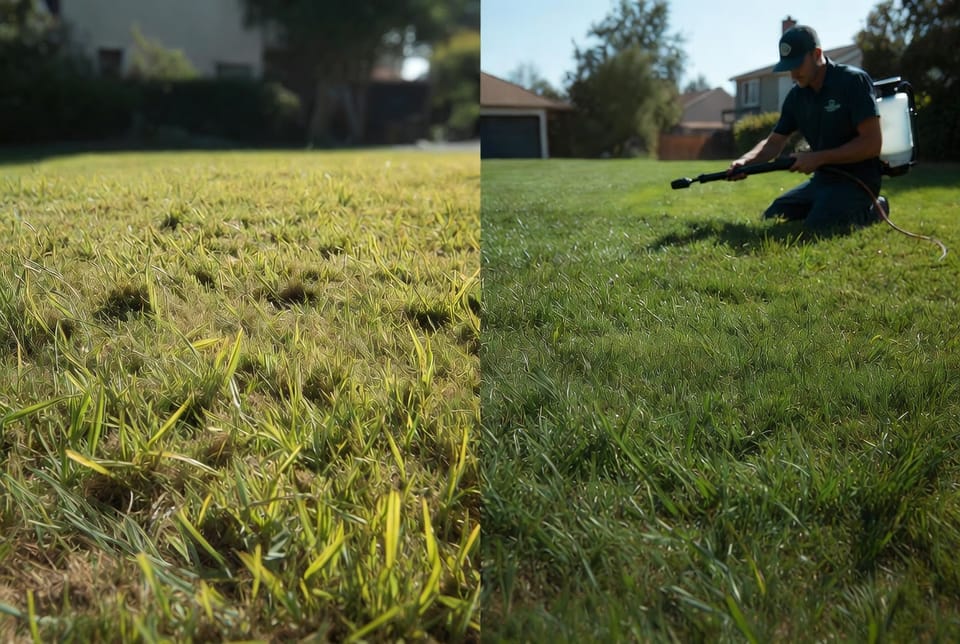
Iron chlorosis is one of the most common yet frustrating nutrient deficiencies homeowners face in lawns, gardens, and landscape plants. If your once-lush grass or favorite shrubs are turning a sickly yellow while the veins stay stubbornly green, you're likely dealing with interveinal chlorosis caused by insufficient iron availability. The good news? With the right knowledge and targeted treatments, you can quickly restore that vibrant green color and keep it thriving for years to come.
Restore Vibrant Green Grass Now – Call for Iron Treatment!
At Tradewinds Universal, we’ve helped countless homeowners reverse iron deficiency and achieve healthy, beautiful landscapes. This comprehensive guide covers everything you need to know about iron chlorosis treatment, from understanding the causes to implementing effective solutions and preventing future problems.
Understanding Iron Chlorosis: Why Your Plants Turn Yellow
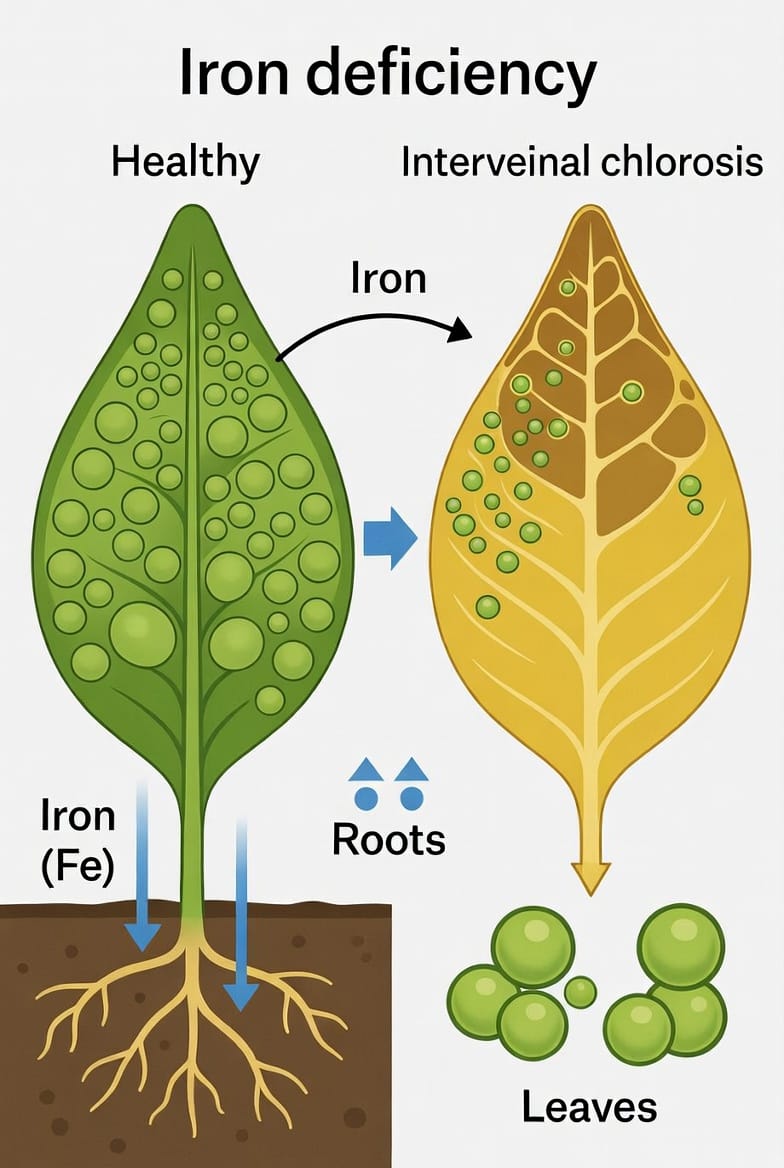
Iron chlorosis occurs when plants cannot absorb enough iron from the soil, even if iron is present. The classic symptom is yellow leaves with green veins – a condition called interveinal chlorosis. This happens because iron is essential for chlorophyll production, the green pigment that powers photosynthesis.
Without adequate iron, plants struggle to create energy, leading to stunted growth, reduced flowering, and overall weakness. In severe cases, leaves may turn completely pale or even white before dropping prematurely.
Common signs of iron chlorosis include:
- Yellowing between leaf veins while veins remain green
- New growth appearing pale or yellow first
- Slow or stunted plant development
- Reduced density in turfgrass
- Increased susceptibility to pests and diseases
High soil pH is the leading culprit. In alkaline soils (pH above 7.0), iron becomes chemically locked up and unavailable to plant roots. Other contributing factors include poor soil drainage, excessive phosphorus, compacted soil, and certain root-damaging pests.
The Science Behind Iron's Role in Plant Health
Iron plays a critical cofactor role in many plant enzymes, particularly those involved in chlorophyll synthesis. Even small shortages can cascade into major problems because chlorophyll is constantly turning over in leaves.
When iron levels drop, plants prioritize older leaves, sacrificing new growth first. This protective mechanism explains why symptoms often appear on the youngest foliage. Understanding this biology helps explain why simply adding more iron isn’t always enough – the iron must be in a form plants can actually use.
Effective Iron Chlorosis Treatment Options
Fortunately, several proven iron chlorosis treatments can restore green color rapidly. The best approach often combines multiple strategies tailored to your specific soil conditions.
1. Chelated Iron Foliar Sprays – Fast-Acting Rescue
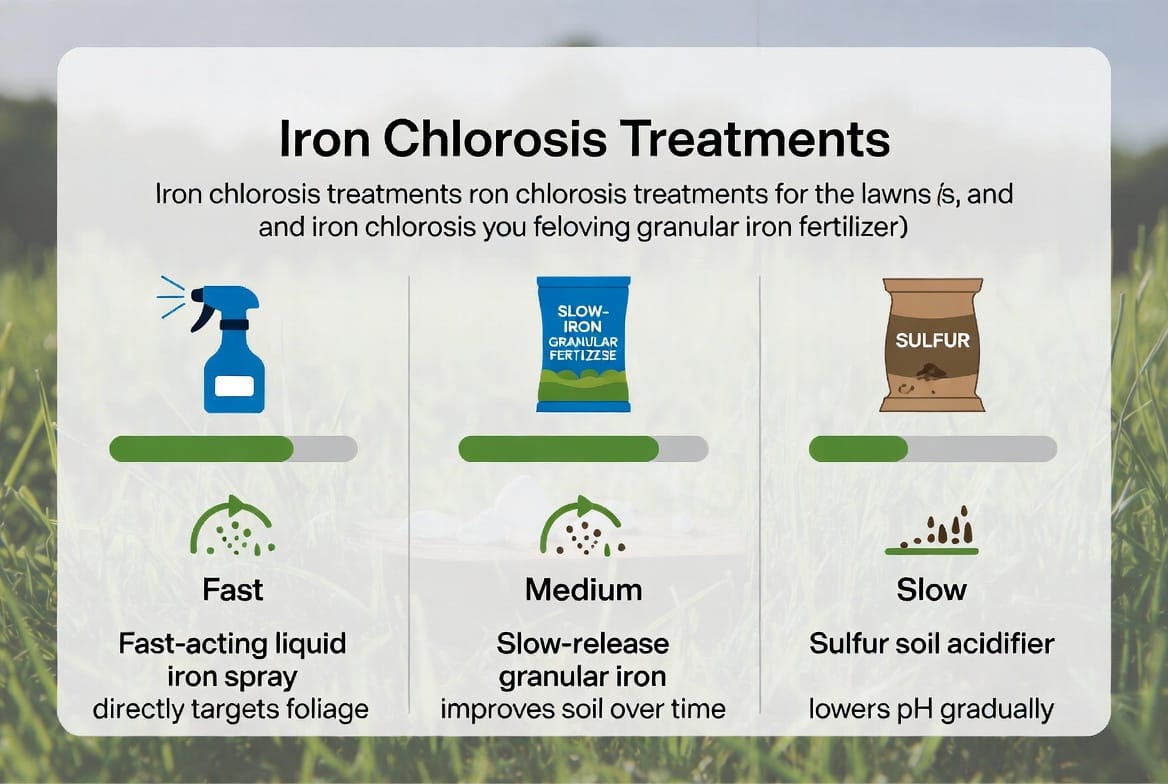
Liquid iron sprays deliver immediate results by allowing plants to absorb iron directly through their leaves, bypassing soil chemistry issues.
Benefits of foliar chelated iron:
- Visible greening within days
- Highly effective even in high pH soils
- Safe for most plants when applied correctly
- Easy to apply with a pump sprayer
Apply during cooler parts of the day (early morning or evening) for best absorption. Repeat applications every 2-4 weeks during the growing season as needed.
2. Soil Applications of Iron – Long-Term Correction
Granular iron products or iron sulfate work by delivering iron directly to the root zone. While slower than sprays, they provide sustained benefits.
Combine with soil acidifiers like elemental sulfur to gradually lower pH and unlock existing soil iron. This dual approach addresses both symptoms and root causes.
3. Soil Acidification Strategies
Lowering soil pH makes iron naturally more available. Elemental sulfur is the most effective and economical choice for large areas like lawns.
Professional soil testing is essential before major amendments. Over-acidifying can create new problems, so precise application rates matter.
Step-by-Step Guide to Treating Iron Chlorosis
- Test Your Soil – Determine current pH and nutrient levels through a reliable lab test.
- Choose Appropriate Treatment – Select foliar sprays for quick fixes and soil applications for lasting results.
- Apply Correctly – Follow label instructions and best practices for timing and coverage.
- Monitor Progress – Take before-and-after photos to track improvement.
- Maintain Balance – Adjust watering, fertilization, and soil care routines.
Pro Tip: Always water thoroughly after soil applications to help products reach the roots.
Prevention: Keeping Your Lawn Green Year-Round
Prevention is far easier than cure. Focus on maintaining optimal soil conditions:
- Regular soil testing every 1-2 years
- Choose iron-efficient plant varieties suited to your soil type
- Improve drainage in heavy clay soils
- Avoid over-fertilizing with high-phosphorus products
- Use organic matter to naturally buffer soil chemistry
- Maintain proper watering – deep, infrequent sessions encourage strong roots
Organic approaches like compost teas and microbial inoculants can enhance iron availability over time by improving soil biology.
Common Mistakes to Avoid
Many homeowners unintentionally worsen iron chlorosis by:
- Applying generic fertilizers without addressing pH
- Overwatering, which limits oxygen to roots
- Planting iron-sensitive species in unsuitable soil
- Ignoring early warning signs
Professional guidance helps avoid these pitfalls and ensures cost-effective, lasting solutions.
When to Call Professional Lawn Care Experts
While DIY treatments work for mild cases, severe or persistent iron chlorosis often requires expert intervention. Professional services offer:
- Precise soil analysis
- Commercial-grade products
- Specialized application equipment
- Long-term maintenance programs
- Guaranteed results
Don’t let yellowing lawns diminish your property’s beauty and value. Expert iron treatment can transform your landscape dramatically.
Green up your yellow lawns and plants today. For fast, effective iron chlorosis treatment and complete lawn restoration services.
Our experienced team serves residential and commercial properties with proven solutions tailored to local soil conditions. Restore the vibrant, healthy green your landscape deserves.
Additional Tips for Optimal Results
- Combine iron treatments with balanced fertilization programs
- Consider mycorrhizal fungi inoculants to improve nutrient uptake
- Use mulches that don’t tie up iron (avoid certain wood chips)
- Monitor irrigation water quality – alkaline water can worsen problems
- Prune affected plants strategically to redirect energy to new growth
Iron chlorosis doesn’t have to be a recurring headache. With proper understanding and proactive care, you can maintain lush, green lawns and gardens that enhance your property year after year.
Ready to say goodbye to yellow leaves? Contact our lawn care specialists for a free consultation and personalized treatment plan.
Fix Iron Chlorosis Fast – Call Expert Lawn Care Today!