The Lawn Summer Patch: Circular Dead Areas in Hot Weather
Summer brings warmth, sunshine, and vibrant outdoor living — but it can also introduce hidden threats to your beautiful lawn. One of the most frustrating issues homeowners face during peak heat is summer patch, a fungal disease that creates unsightly circular dead areas. Understanding this condition empowers you to protect your turf and maintain a lush, healthy lawn all season long.
Restore Your Lawn Today – Call for Expert Help
At Tradewinds Universal, we’ve helped countless homeowners overcome lawn diseases with proven, science-based strategies. This comprehensive guide explains everything you need to know about summer patch, from identification to effective management, so you can restore and safeguard your outdoor space with confidence.
What Is Summer Patch Disease?
Summer patch is a destructive fungal infection primarily affecting cool-season grasses such as Kentucky bluegrass, fine fescues, and annual bluegrass. The fungus Magnaporthiopsis poae thrives in stressful summer conditions, attacking the root system and crown of the grass plant.
Unlike other turf diseases that appear suddenly, summer patch develops gradually. It often goes unnoticed in early stages until the heat intensifies, revealing its characteristic damage. Early recognition is key to preventing widespread lawn deterioration.
This disease is particularly common in regions with hot, humid summers, but it can strike wherever soil conditions favor fungal growth. The good news? With proper knowledge and timely intervention, summer patch is highly manageable.
Recognizing the Symptoms of Summer Patch
The most distinctive sign of summer patch is the appearance of small circular patches of wilted or dead grass, typically 2 to 12 inches in diameter. As the disease progresses, these patches enlarge and may merge into larger irregular dead zones.
Key symptoms include:
- Circular dead areas that start small and expand outward during hot weather
- Grass within affected patches turns straw-colored or bronze before dying completely
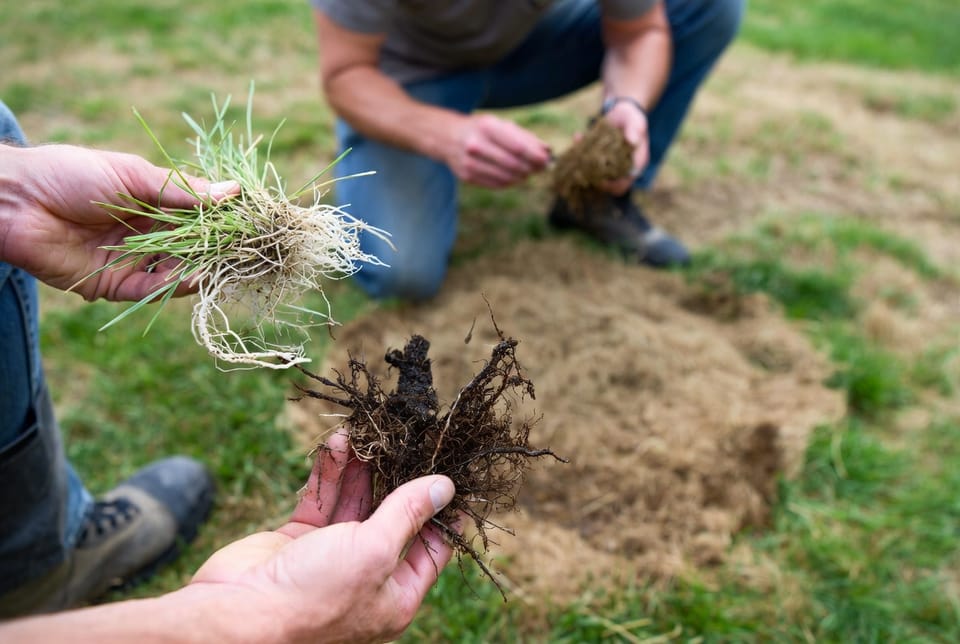
- Grass pulls easily from the soil due to severely compromised root systems
- Brown or blackened roots that appear rotted when examined
- Patches often show a “frog-eye” appearance with greener grass in the center surrounded by dead rings
If you notice these signs during midsummer, act quickly. The fungus weakens roots, making the turf unable to absorb water and nutrients effectively, even when the soil appears moist.
Pro Tip: A simple tug test can confirm suspicion — if entire tufts of grass lift out with little resistance, summer patch is likely the culprit.
Favorable Conditions for Summer Patch Development
Understanding what triggers summer patch helps you create an environment where your lawn can thrive. The fungus flourishes under specific conditions:
- High temperatures (especially soil temperatures above 77°F/25°C)
- High humidity combined with excessive moisture at the soil level
- Compacted soil that restricts root growth and oxygen exchange
- Thick thatch layers that harbor fungal spores and retain excess moisture
- Poor drainage or overwatering that keeps roots constantly wet
- High nitrogen fertilization during stressful summer months
Lawns under stress from mowing too short, heavy foot traffic, or poor soil quality are especially vulnerable. Identifying these risk factors early allows proactive management before visible damage appears.
The Impact of Summer Patch on Your Lawn
Beyond aesthetics, summer patch can significantly damage your lawn’s health and resilience. Weakened roots make grass more susceptible to drought, pests, and other diseases. In severe cases, large dead areas may require complete renovation, costing time and resources.
However, this is not a permanent problem. With authoritative lawn care practices, most lawns recover fully and develop stronger resistance to future outbreaks. Professional intervention ensures faster, more reliable results while addressing underlying soil issues.
Effective Management Strategies for Summer Patch
Successful control of summer patch involves an integrated approach focusing on cultural practices, soil improvement, and targeted treatments. Here’s how to manage and prevent this fungal disease effectively:
1. Reduce Thatch and Improve Soil Structure
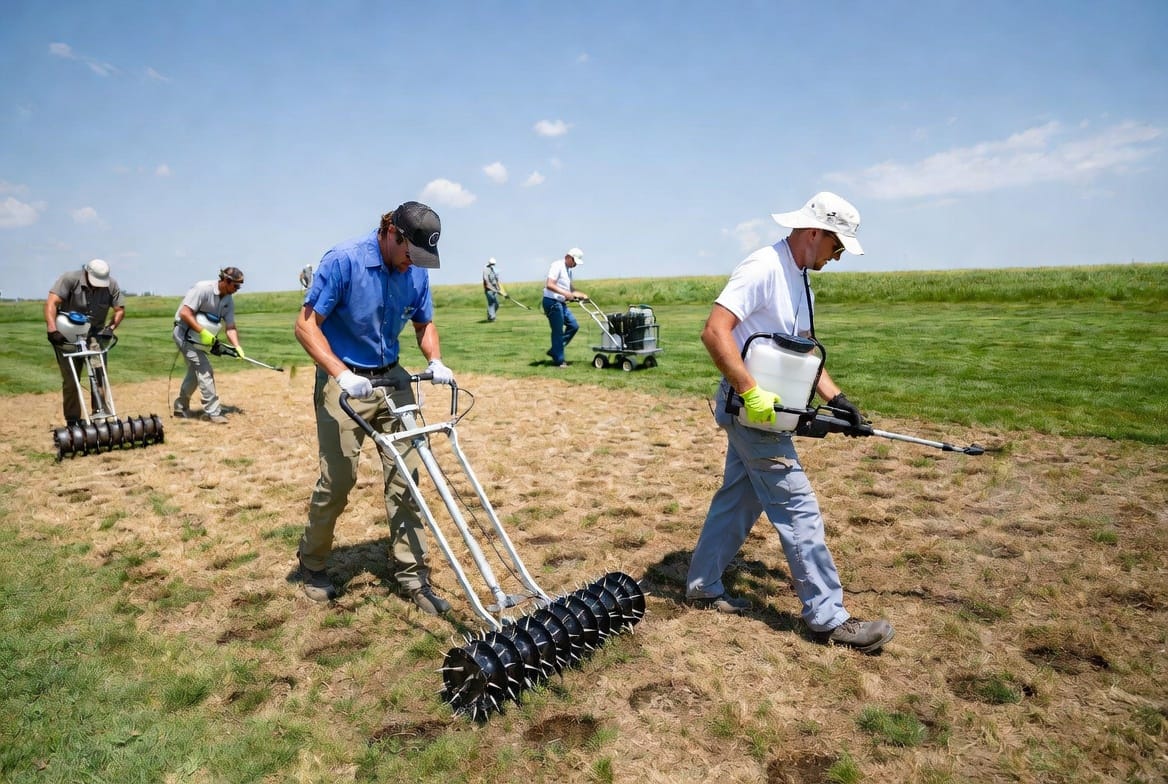
Excess thatch creates the perfect environment for fungi. Core aeration is one of the most effective tools:
- Removes soil plugs to relieve compaction
- Improves oxygen flow to roots
- Enhances water infiltration and nutrient uptake
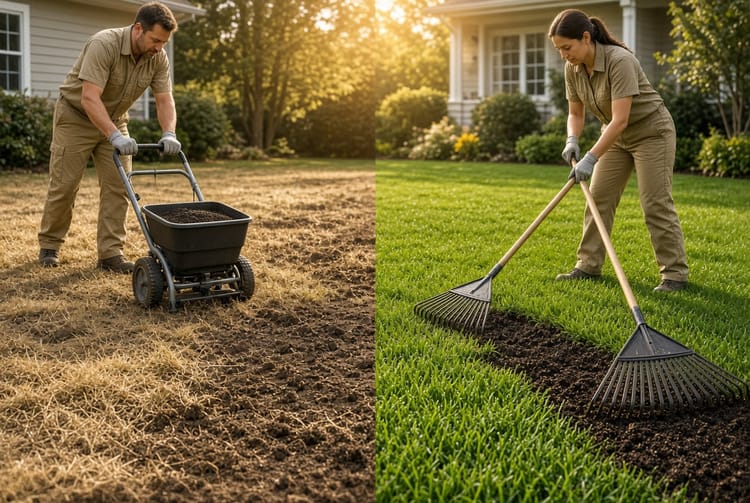
Perform aeration in early spring or fall when the grass is actively growing. Follow with topdressing using quality compost to further break down thatch.
2. Implement Proper Watering Practices
Watering correctly is crucial for preventing summer patch.
- Water deeply but infrequently — aim for 1 inch of water per week, allowing soil to dry slightly between sessions
- Water early in the morning to reduce humidity around grass blades
- Avoid light, frequent sprinkling that keeps roots shallow and stressed
Deep roots are more resistant to fungal attacks and better equipped to handle summer heat.
3. Fertilization Best Practices
Avoid heavy nitrogen applications during summer. Instead:
- Use slow-release, balanced fertilizers
- Apply higher potassium levels to strengthen disease resistance
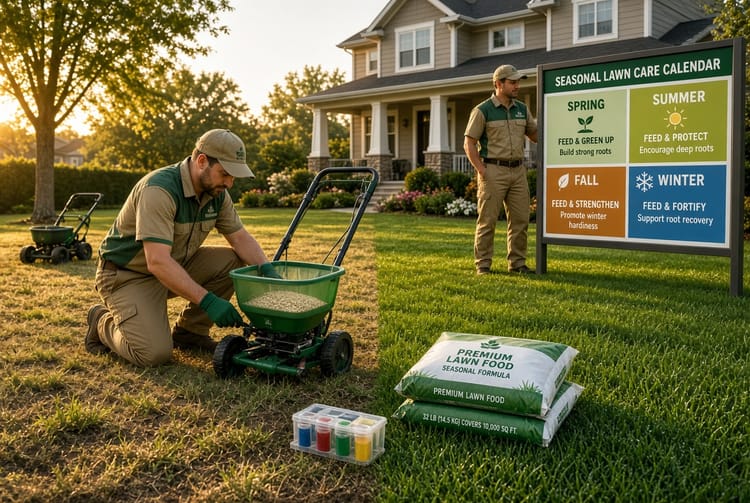
- Time major feedings for spring and fall
Proper nutrition supports robust root development without encouraging excessive top growth that stresses the plant.
Advanced Treatment Options
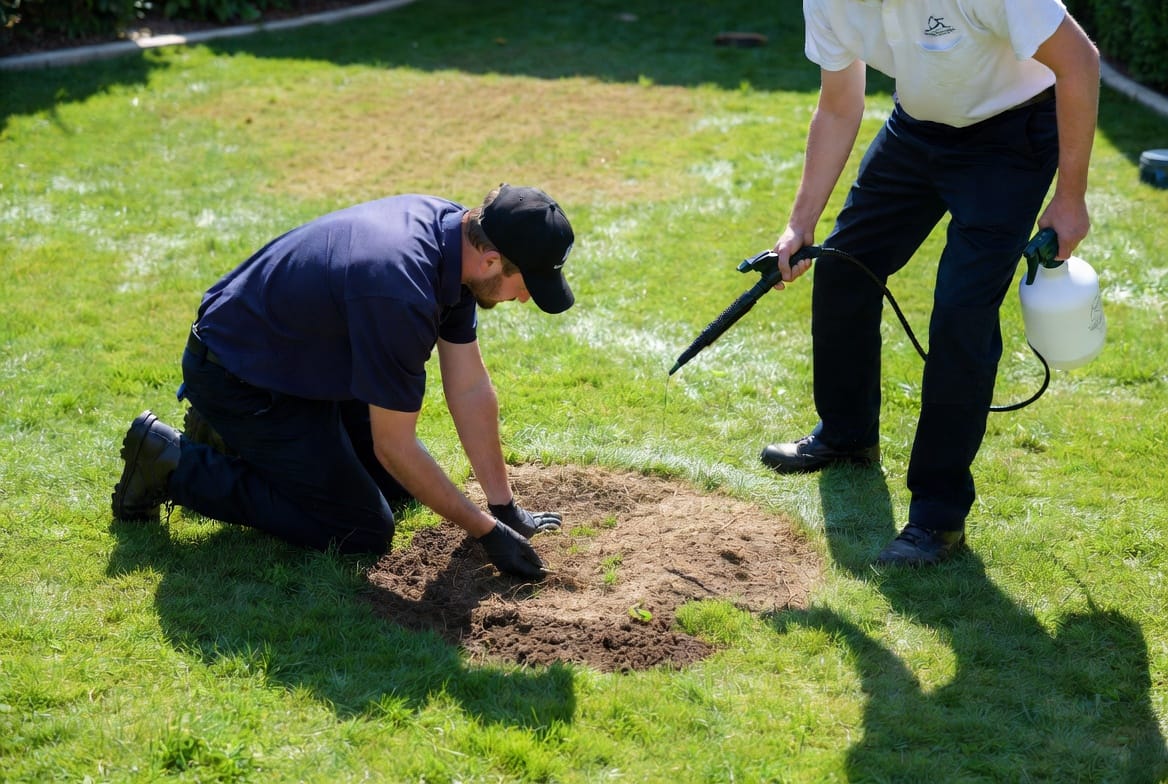
For active infections, professional fungicide applications provide reliable control. Preventive fungicides applied in spring, when soil temperatures reach 55-60°F, offer the best protection. Curative treatments can stop progression during summer, but combining them with cultural improvements yields superior long-term results.
Our team at Tradewinds Universal uses industry-leading products and precise application techniques tailored to your specific lawn conditions.
Additional Cultural Practices
- Maintain proper mowing height (never remove more than one-third of the blade at once)
- Improve air circulation by pruning overhanging branches
- Overseed with disease-resistant grass varieties when renovating
- Test soil pH and adjust to optimal range (6.0-7.0 for most cool-season grasses)
These practices work synergistically to create an environment hostile to summer patch fungus while promoting vigorous turf growth.
Preventive Measures for Long-Term Lawn Health
Prevention is always more effective than cure. Build resilience into your lawn care routine:
- Regular soil testing to maintain balanced nutrients
- Consistent integrated pest management monitoring
- Proper seasonal maintenance schedule
- Early intervention at first signs of stress
Homeowners who follow a comprehensive lawn care program rarely experience severe summer patch outbreaks.
When to Seek Professional Help
While some minor cases respond to home care, extensive damage or recurring problems benefit from expert attention. Professional lawn care services offer:
- Accurate disease diagnosis
- Customized treatment plans
- Access to commercial-grade products
- Ongoing monitoring and support
Don’t wait for small patches to become major eyesores. Early professional intervention saves time, money, and frustration.
Restoring Your Lawn After Summer Patch
Recovery takes patience but follows a predictable pattern. With proper treatment, new roots develop within weeks, and green growth returns. Full restoration may take one to two growing seasons depending on severity.
During recovery:
- Reduce traffic on affected areas
- Continue deep, infrequent watering
- Apply light topdressing to encourage new growth
- Monitor for recurrence and maintain preventive practices
Your lawn will return stronger than before when underlying issues are corrected.
Common Myths About Summer Patch
Many homeowners mistakenly believe summer patch results from poor watering alone or that it will resolve without intervention. In reality, it’s a complex interaction of environmental factors and fungal activity requiring a multi-faceted approach.
Another myth is that all brown patches indicate the same problem. Accurate identification prevents ineffective treatments and wasted effort.
The Science Behind Summer Patch Recovery
Modern lawn care leverages understanding of soil microbiology and plant physiology. By addressing root zone health, we help beneficial organisms outcompete harmful fungi. This science-based approach ensures sustainable, long-lasting results rather than temporary fixes.
Protect Your Lawn from Summer Patch Today
Summer patch doesn’t have to ruin your outdoor enjoyment. With the right knowledge, timely action, and professional support, you can maintain a beautiful, resilient lawn even through the hottest months.
Protect your lawn from summer patch.
Our experienced team is ready to assess your lawn, provide accurate diagnosis, and implement effective solutions tailored to your property. Don’t let circular dead areas define your summer — reclaim your green space with confidence.
At Tradewinds Universal, we’re committed to delivering healthy, vibrant lawns that enhance your home and lifestyle. Contact us today for a free consultation and take the first step toward summer patch-free success.
Stop Circular Dead Patches – Call Now!