The Lawn Necrotic Ring Spot: Circular Patches of Dead Grass
Necrotic ring spot is one of the most frustrating fungal diseases homeowners encounter in their carefully maintained lawns. Those mysterious circular patches of dead grass can appear almost overnight, turning a vibrant green expanse into a patchwork of brown spots that seem impossible to fix. But with the right knowledge and timely professional intervention, you can protect and restore your lawn effectively.
Restore Your Lawn Now – Get Expert Disease Control
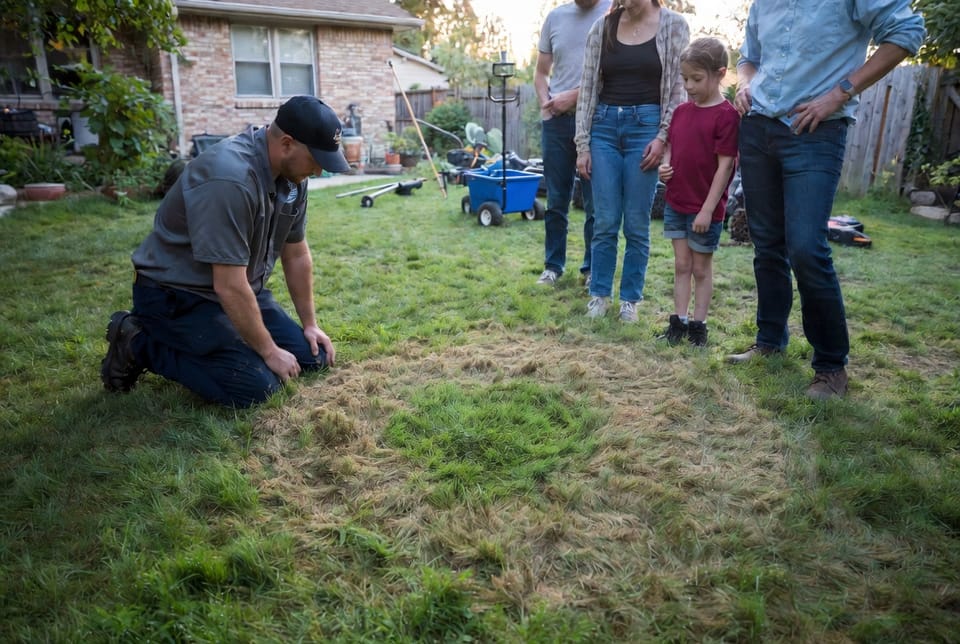
At first glance, these patches might look like drought damage or insect activity. However, the distinctive pattern—often featuring a ring of dead grass surrounding a green center—tells a different story. Known as the "frog eye" appearance, this symptom is a hallmark of necrotic ring spot, caused by the soil-borne fungus Ophiosphaerella korrae. Understanding this common turf disease empowers you to take action before it spreads further and causes lasting damage.
Understanding Necrotic Ring Spot in Home Lawns
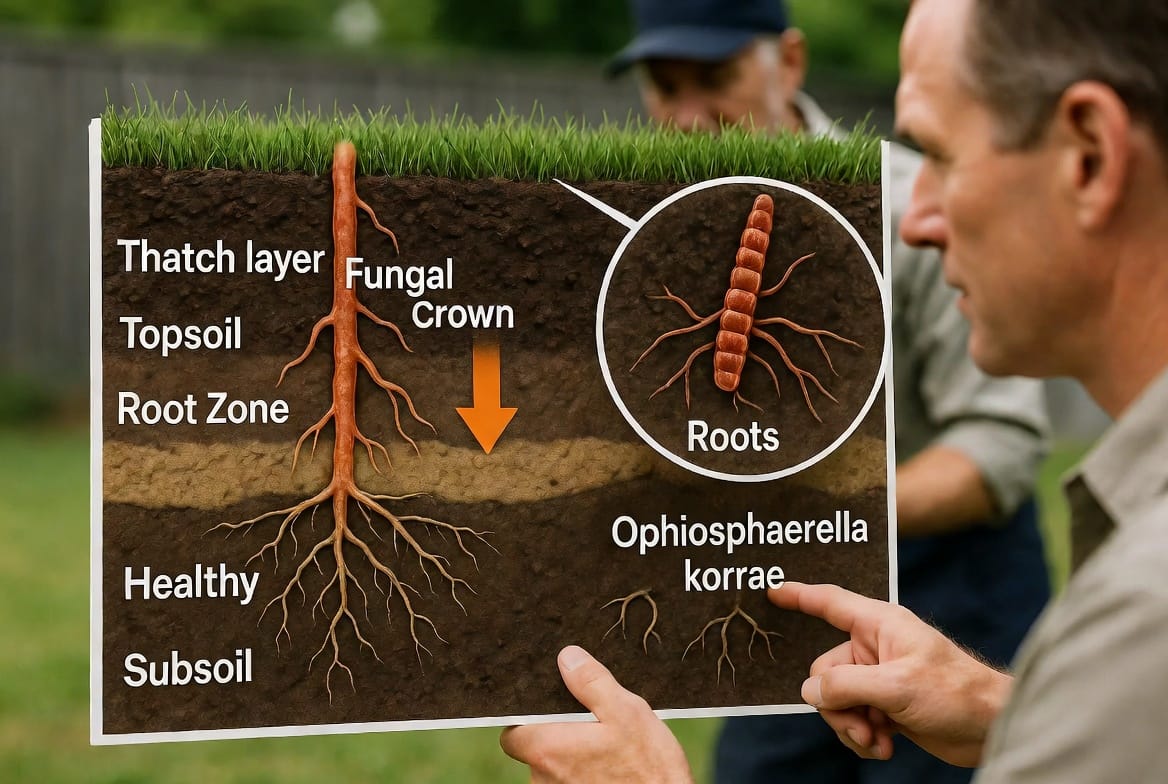
Necrotic ring spot thrives in various grass types, particularly Kentucky bluegrass, but it can affect many cool-season turfgrasses. The disease primarily attacks the roots and crowns of the grass plants, disrupting their ability to take up water and nutrients even when the surface appears adequately irrigated.
This fungal pathogen lives in the soil and thatch layer, making it persistent and challenging to eradicate completely once established. The good news? Early identification and proper lawn disease management strategies can halt its progress and help your grass recover its former glory.
Identifying the Symptoms of Necrotic Ring Spot
The most obvious sign is the formation of circular dead patches ranging from 6 to 24 inches in diameter. These patches often expand over time and may merge into larger irregular areas of thinning turf.
Key visual indicators include:
- Frog eye pattern: A ring of dead or dying grass with a green center that gives the appearance of a frog's eye.
- Tan to brown discoloration: Affected grass blades turn straw-colored and feel dry or brittle.
- Root damage: When you pull up grass from the edge of a patch, the roots appear short, blackened, or rotted.
- Seasonal timing: Symptoms typically emerge in late spring or early summer after periods of cool, wet weather, though stress from heat or drought can make them more pronounced later in the season.
Homeowners sometimes mistake these symptoms for other issues like dollar spot, fairy rings, or even animal urine damage. A close inspection of the root zone usually reveals the true culprit.
Conditions That Favor Necrotic Ring Spot Development
Several environmental and cultural factors create ideal conditions for this fungal disease to flourish:
- Cool, wet springs: Prolonged periods of moisture combined with moderate temperatures (around 60-75°F) encourage fungal growth.
- Compacted soil: Poor drainage and limited oxygen in the root zone stress the grass and favor the pathogen.
- Excessive thatch: A thick layer of undecomposed organic matter harbors the fungus and prevents water penetration.
- Improper nitrogen levels: Both deficiency and excessive quick-release nitrogen can increase susceptibility.
- Drought stress followed by irrigation: Inconsistent watering patterns weaken turf resilience.
Properties with heavy clay soils or those in shaded areas are particularly vulnerable. If your lawn experiences these conditions, proactive monitoring becomes essential for preventing outbreaks.
Diagnosing Necrotic Ring Spot Accurately
Proper diagnosis is crucial before applying any treatments. While visual symptoms provide strong clues, confirming the presence of the fungus may involve:
- Examining the root system for dark, shriveled roots.
- Observing the pattern of damage over multiple weeks.
- Consulting a professional lawn care expert for laboratory confirmation if needed.
Avoid the temptation to apply broad-spectrum products without identification, as incorrect treatments can further stress your lawn and waste resources.
Effective Management Strategies for Necrotic Ring Spot
The key to controlling necrotic ring spot lies in an integrated approach that addresses both the disease and underlying lawn health issues. Here’s what works:
Cultural Practices for Long-Term Control
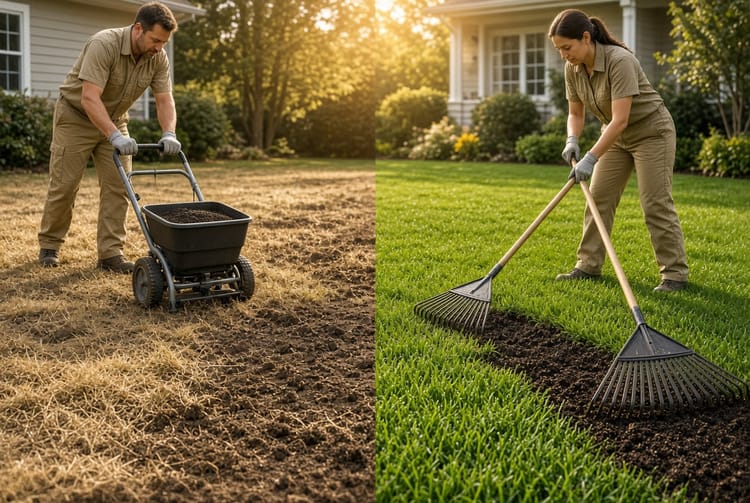
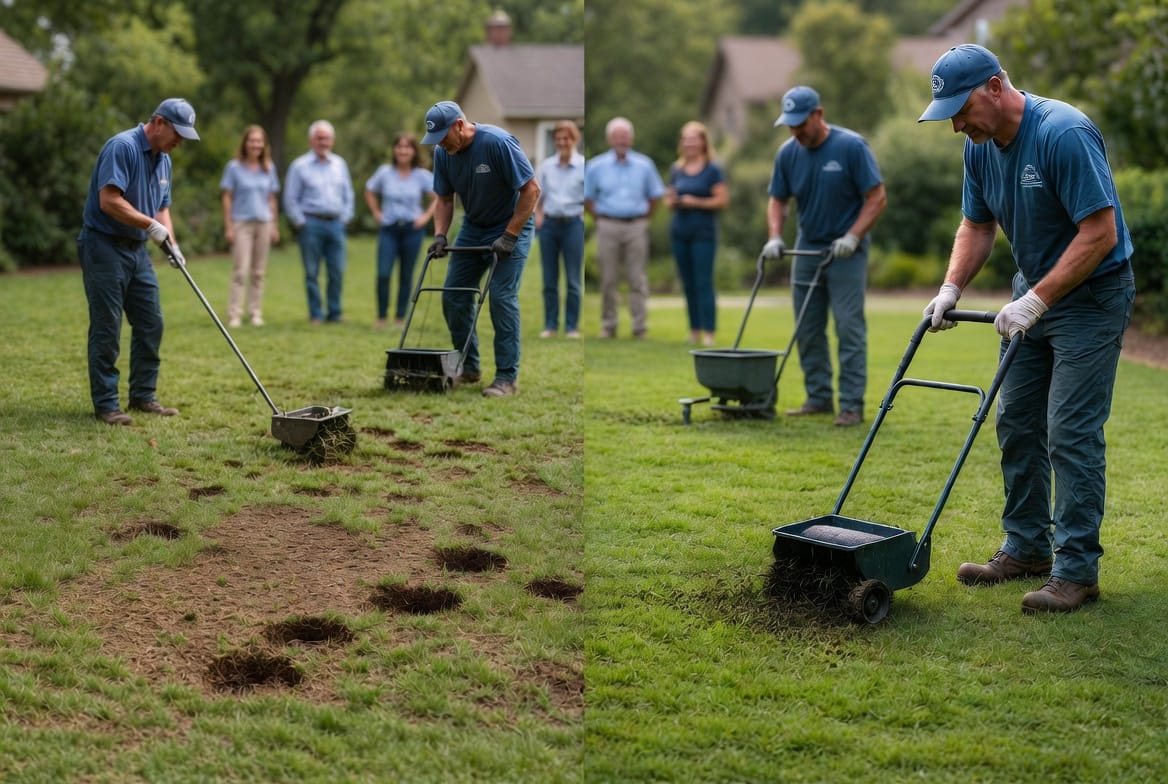
- Core aeration: This critical practice relieves soil compaction, improves oxygen flow to roots, and enhances water infiltration. Perform aeration in the fall or early spring for best results.
- Reduce thatch buildup: Regular dethatching or topdressing with compost helps break down organic matter where the fungus resides.
- Proper mowing and watering: Maintain grass at the recommended height for your turf type and water deeply but infrequently to encourage strong root systems.
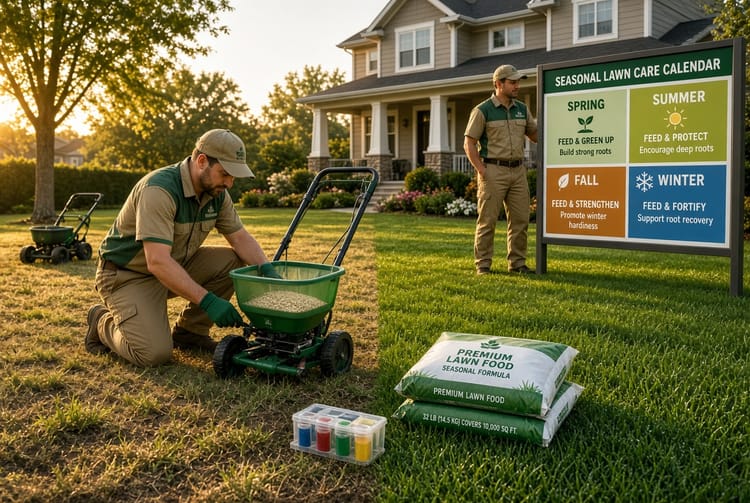
- Balanced fertilization: Use slow-release nitrogen sources and maintain proper soil pH (typically 6.0-7.0) through soil testing.
Targeted Fungicide Applications
Fungicides can be highly effective when applied preventatively or at the first signs of disease. Spring treatments are often most beneficial, especially during cool, wet periods. Always follow label instructions and consider rotating chemical classes to prevent resistance.
Comprehensive Prevention Tips
Prevention is always more effective than cure. Implement these practices to build a resilient lawn:
- Soil testing annually: Know your nutrient levels and pH to avoid imbalances.
- Choose resistant grass varieties: When overseeding or renovating, select cultivars with better tolerance to necrotic ring spot.
- Improve drainage: Address low spots or heavy clay areas through grading or amendments.
- Consistent lawn maintenance: Avoid overwatering, excessive traffic, and improper mowing that stresses the turf.
- Monitor weather patterns: Be extra vigilant during cool, wet springs when conditions favor fungal activity.
By addressing these factors proactively, you significantly reduce the risk of severe outbreaks.
When to Call Professional Lawn Disease Control
While some minor cases respond well to home care, extensive or recurring necrotic ring spot problems benefit from expert intervention. Professional services bring specialized equipment, diagnostic expertise, and access to commercial-grade treatments tailored to your specific lawn conditions.
Don't let circular patches of dead grass diminish your property's curb appeal and value. Early action leads to faster recovery and prevents the disease from becoming entrenched.
Restoring Your Lawn to Its Full Potential
Recovering from necrotic ring spot requires patience and consistency, but the results are worth the effort. Many homeowners see significant improvement within one growing season when following a comprehensive management plan.
Remember that a healthy lawn is more than just aesthetics—it contributes to soil health, water filtration, and a beautiful outdoor living space for your family.
Identify and treat ring spot early. Don’t wait for the patches to spread. We’re here to help restore your lawn to vibrant, healthy condition with proven, effective treatments.
Stop Circular Dead Patches – Call for Professional Help