The Dew Worm Castings: Tiny Soil Mounds That Annoy Homeowners
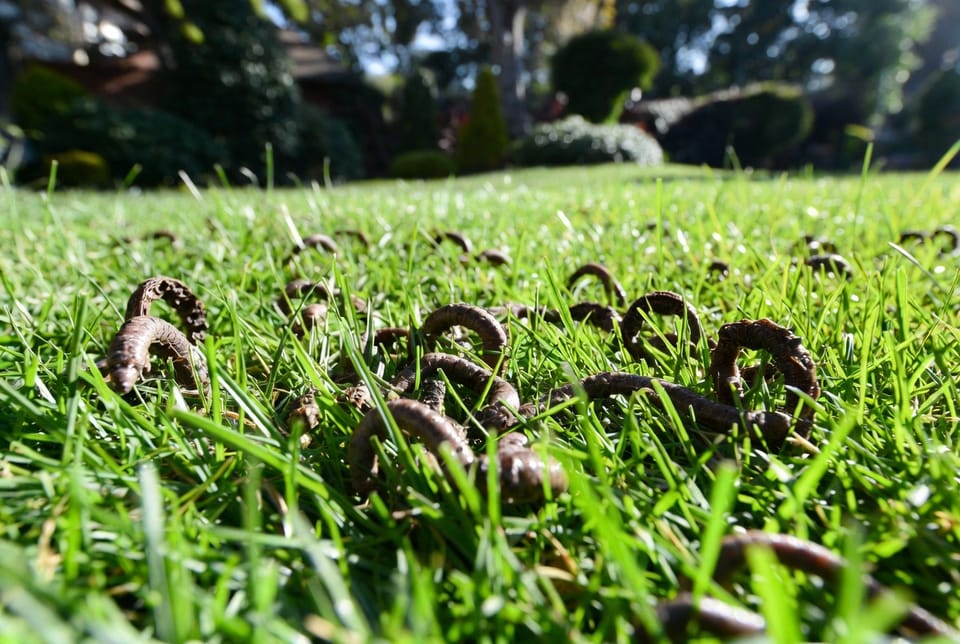
If you’ve stepped onto your lawn and noticed small, coiled mounds of soil scattered across the grass, you’re not alone. Many homeowners find these tiny soil mounds frustrating, especially after rain or heavy watering. Often called dew worm castings, these little piles can make an otherwise pristine lawn look messy.
Fix Your Lawn Mounds Today – Call Now!
The good news? They are completely harmless and actually indicate a thriving ecosystem beneath your feet. In this comprehensive guide, we’ll explore what dew worm castings really are, why they appear, their surprising benefits, and simple, effective ways to manage them without harming your lawn or the environment.
Understanding Earthworm Castings
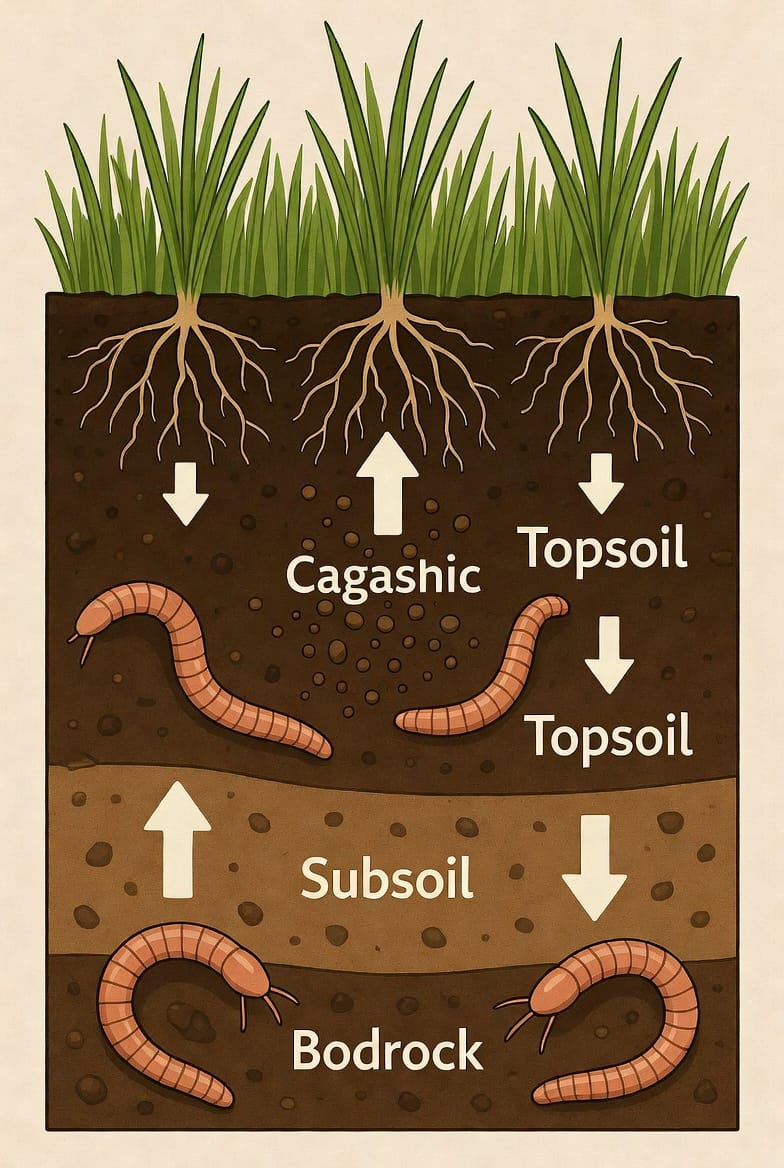
Dew worm castings, also known as earthworm castings, are the waste material excreted by earthworms as they tunnel through the soil. These small, coil-shaped mounds consist of finely ground soil mixed with organic matter that has passed through the worm’s digestive system.
Unlike pest damage, these mounds are a natural byproduct of healthy soil biology. Earthworms play a vital role as nature’s recyclers. They ingest soil and decaying organic material, break it down, and leave behind castings enriched with essential nutrients.
Key characteristics of dew worm castings:
- Small, rounded or coiled shape (usually ¼ to ½ inch in diameter)
- Darker color than surrounding soil
- Soft, crumbly texture when dry
- Appear most frequently in moist conditions
These mounds are particularly noticeable on closely mowed lawns where the grass is short enough for the castings to stand out.
Why Do Tiny Soil Mounds Appear on Lawns?
Earthworms become more active when conditions are right. Several factors contribute to visible dew worm castings:
- Moist soil conditions: Worms thrive in damp environments. After rainfall or irrigation, they move closer to the surface.
- Organic-rich soil: Lawns with plenty of thatch or composted material provide abundant food.
- Healthy microbial activity: Active soil biology supports larger earthworm populations.
- Time of year: Spring and fall typically see increased activity in temperate climates.
The presence of these mounds doesn’t mean your lawn is unhealthy. Quite the opposite — it suggests your soil contains the organic matter and moisture levels that earthworms prefer.
Pro Tip: Heavy clay soils or highly compacted areas often show fewer castings because earthworms struggle in poor conditions. If you see many mounds, celebrate your soil’s vitality!
The Surprising Benefits of Earthworm Activity
Earthworms are one of the best friends your lawn can have. Their castings offer multiple advantages:
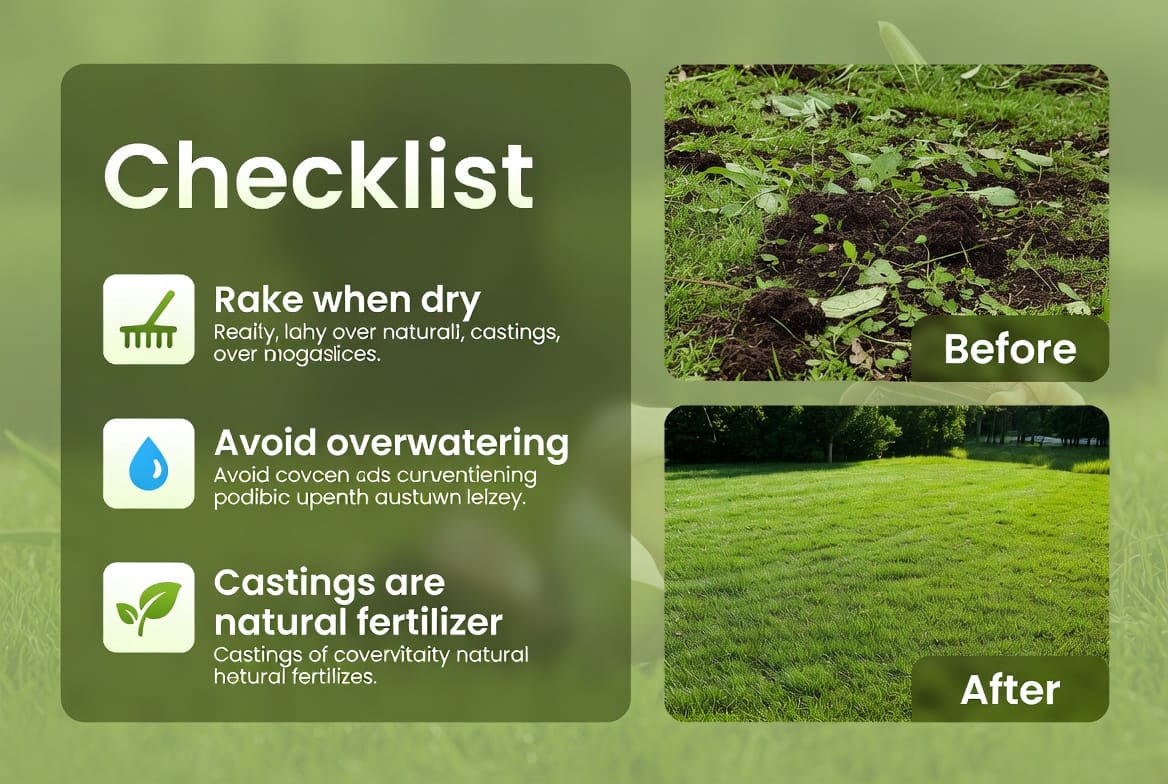
- Natural fertilizer: Castings contain higher levels of nitrogen, phosphorus, potassium, and beneficial microorganisms than surrounding soil.
- Improved soil structure: Tunneling creates channels that enhance aeration and water infiltration.
- Enhanced root growth: Nutrient-rich castings stimulate stronger, deeper roots.
- Better drought resistance: Improved soil porosity helps lawns retain moisture during dry spells.
Research consistently shows that lawns with active earthworm populations maintain better overall health and require fewer chemical inputs. By naturally aerating the soil and recycling nutrients, these hardworking creatures reduce the need for synthetic fertilizers.
Bold truth: Those annoying tiny soil mounds are actually free organic fertilizer being delivered directly to your lawn’s surface.
Are Dew Worm Castings Harmful to Your Lawn?
Absolutely not. Dew worm castings cause no damage to grass roots, blades, or overall lawn health. They do not spread disease or attract harmful pests.
The primary complaint is cosmetic. The small mounds can:
- Create uneven surfaces
- Make lawns feel bumpy underfoot
- Smear when wet and tracked indoors
However, these issues are minor and temporary. Unlike grubs, chinch bugs, or fungal diseases, earthworm castings represent a positive indicator of lawn vitality.
Homeowners often confuse castings with other problems. True lawn damage from insects usually includes brown patches, thinning grass, or visible grubs when digging. Earthworm activity simply leaves neat, coiled mounds with lush green grass growing around them.
Effective Management Strategies for Lawn Castings
While you don’t need to eliminate earthworms, you can minimize the visibility of castings with smart practices.
1. Raking When Dry
The most effective method is regular raking during dry weather. When castings are dry, they crumble easily and can be spread back into the lawn as natural topdressing.
2. Proper Watering Habits
- Water deeply but infrequently to encourage deeper earthworm activity
- Avoid overwatering, which brings worms closer to the surface
- Early morning watering is ideal
3. Maintain Balanced Soil
Healthy lawns naturally support earthworm populations without excessive surface castings. Focus on:
- Regular aeration
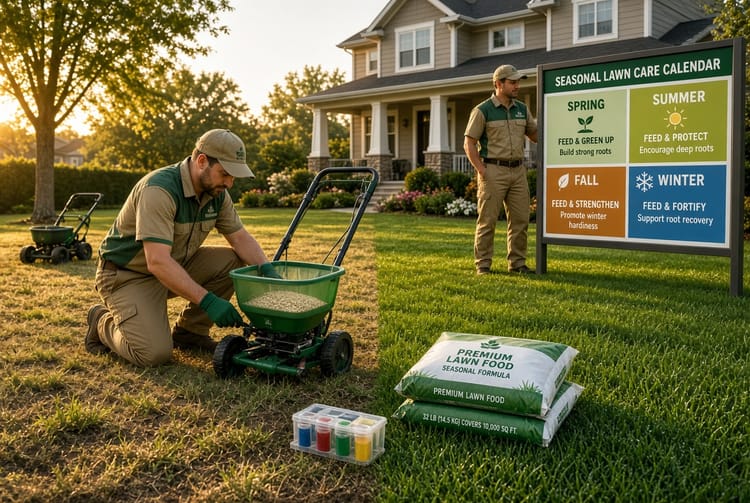
- Appropriate fertilization
- Proper mowing height
4. Timing Matters
Focus management efforts during peak seasons (spring and fall). During summer heat or winter dormancy, earthworm activity naturally decreases.
5. Cultural Practices
- Keep mower blades sharp for clean cuts
- Remove excessive thatch buildup
- Consider topdressing with compost to blend castings naturally
Common Myths About Earthworm Castings
Many homeowners worry unnecessarily about these tiny mounds. Let’s clear up some frequent misconceptions:
- Myth: Earthworms are damaging my lawn.
Fact: They improve soil quality dramatically. - Myth: Castings mean I have too many worms.
Fact: The population is usually perfectly balanced for your soil conditions. - Myth: I need pesticides to control them.
Fact: Chemical treatments would harm beneficial organisms and are completely unnecessary.
Understanding these facts helps homeowners respond with confidence rather than concern.
Long-Term Lawn Health Through Natural Processes
Embracing the natural role of earthworms leads to more sustainable lawn care. Lawns that support robust earthworm populations typically require:
- Less supplemental fertilizer
- Reduced pesticide applications
- Lower overall maintenance costs
This approach aligns with modern eco-friendly landscaping principles that prioritize soil biology over short-term cosmetic fixes.
When you see those small coils on your grass, remember they represent millions of years of evolutionary wisdom at work. The earthworms are continuously improving your soil while you sleep.
Professional Lawn Care Perspective
At our lawn care service, we view earthworm castings as a sign of success rather than a problem. Our experts can help you develop a customized plan that works with nature instead of against it.
We focus on building resilient lawns through proper cultural practices, targeted treatments when truly needed, and education for homeowners. Understanding phenomena like dew worm castings empowers you to make better decisions for your property.
Final Thoughts: A Sign of Healthy Soil
Dew worm castings are a natural, beneficial part of a thriving lawn ecosystem. While they may temporarily disrupt the smooth appearance you desire, they contribute significantly to long-term lawn health.
By adopting simple management techniques like raking when dry and adjusting watering habits, you can minimize their visibility while enjoying the advantages of active soil biology. Your lawn will reward you with stronger grass, better resilience, and reduced need for chemical interventions.
Castings are a sign of healthy soil. Don’t let tiny soil mounds stress you out — they’re evidence that nature is working in your favor.
For personalized lawn assessment or expert advice on managing earthworm castings and other common lawn concerns. We’re here to help you achieve the beautiful, healthy lawn you deserve.
Transform Your Lawn into a Healthy Oasis – Call Now