The Lawn Rust: Orange Powder on Grass Blades That Rubs Off
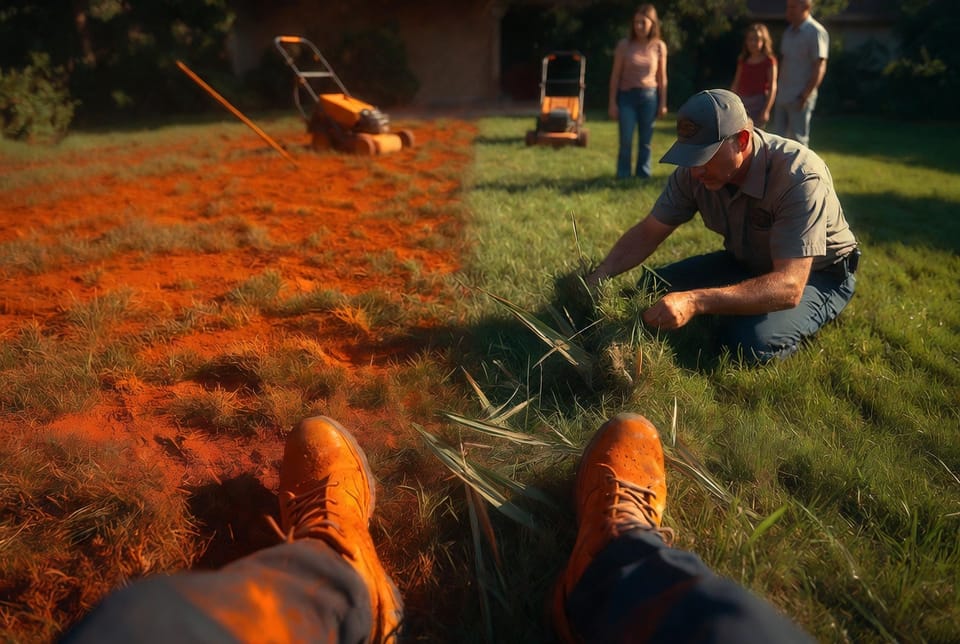
Lawn rust can surprise homeowners with its bright orange or yellow powder that appears on grass blades and easily rubs off onto shoes and clothing. While it looks alarming, this common issue is a harmless fungus that rarely causes lasting damage when managed properly. Across North Texas lawns, especially in Dallas suburbs, rust often emerges during periods of slow grass growth, yet it responds beautifully to simple, targeted care.
Restore Your Green Lawn – Get Expert Rust Treatment
Our lawn care specialists have successfully treated thousands of Texas properties dealing with this distinctive orange dusting. This guide provides everything you need to identify, understand, and eliminate lawn rust while restoring your yard to its vibrant best.
What Is Lawn Rust and Why Does It Appear?
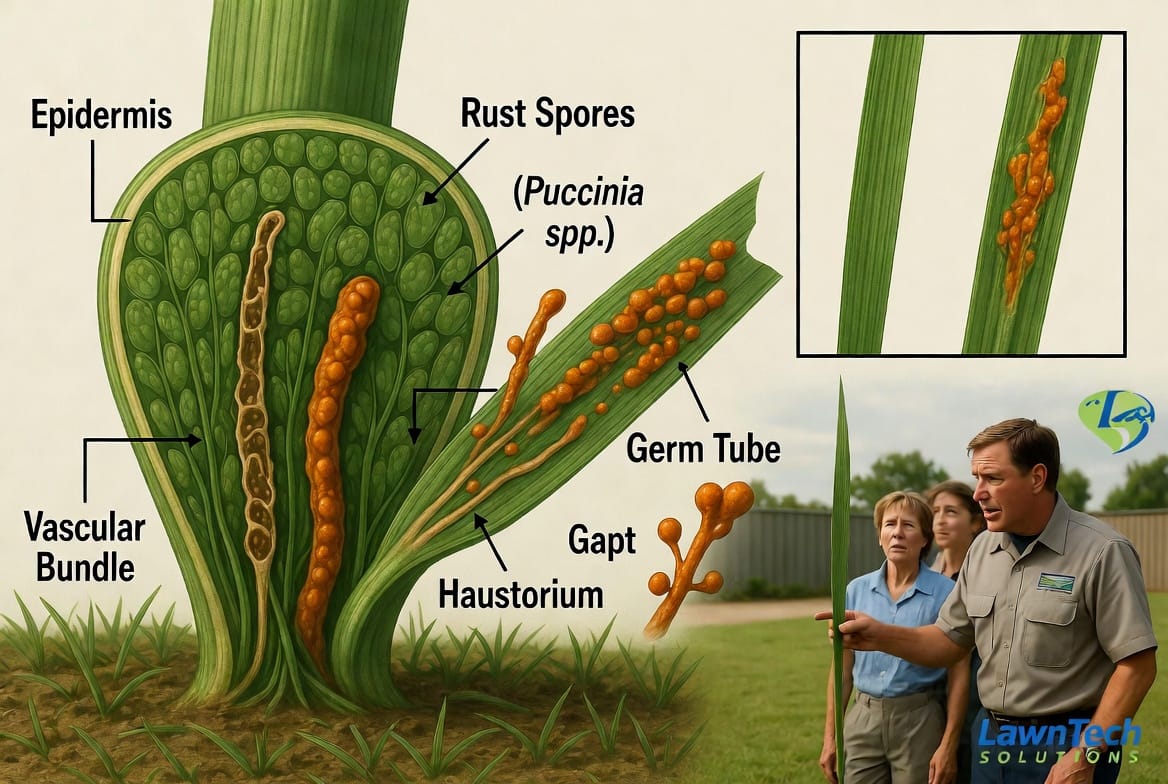
Lawn rust is a fungal condition caused by several species of Puccinia fungi that specifically target grass blades. Unlike destructive diseases that kill turf, rust is generally cosmetic. The signature symptom is the fine orange-to-yellow powder—actually thousands of tiny spores—that coats individual blades and releases easily when touched.
This powder gives infected areas a tired, dusty appearance, and heavy infestations can make walking across the lawn leave noticeable orange stains on footwear. In severe cases, the grass may thin slightly, but the roots and overall plant health usually remain strong.
Rust thrives when grass grows slowly and cannot outpace the fungus. Cool nights combined with warm days, common in spring and fall in Dallas, create ideal conditions. Homeowners often notice it first in shaded spots or areas with compacted soil.
Key visual signs include:
- Bright orange or yellow powdery spots on grass blades
- Powder that brushes off easily onto shoes or fingers
- Patchy areas that look dull or stressed
- No significant dead patches or root rot
Early recognition allows for quick action that prevents spread and restores appearance fast.
Common Causes of Lawn Rust in Texas Lawns
Several environmental and cultural factors encourage lawn rust development:
Slow Growth Due to Low Nitrogen
Nitrogen deficiency slows grass metabolism, making it easier for rust fungi to establish. Many Dallas lawns suffer from depleted soil nutrients after heavy summer use.
Cool Weather and Moisture Patterns
- Cool nighttime temperatures slow grass growth while favoring fungal spore production.
- Prolonged overcast or humid periods without strong sunlight.
- Poor air circulation in shaded or crowded landscapes.
Improper Mowing and Maintenance
- Mowing too infrequently allows older blades to accumulate spores.
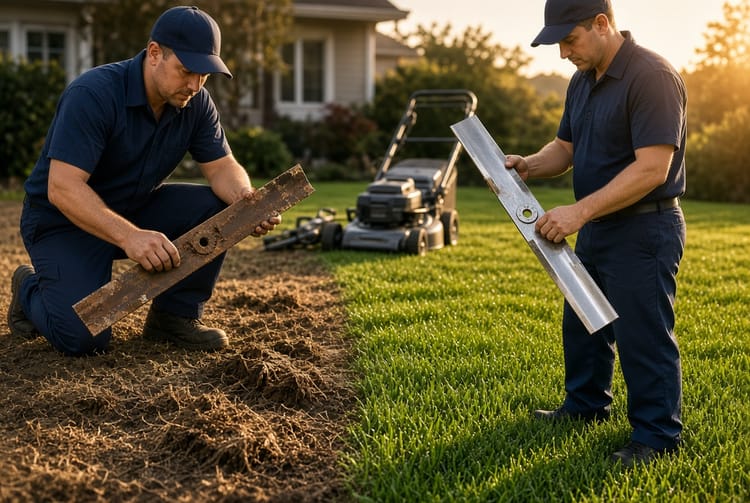
- Dull mower blades tear grass, creating entry points for fungi.
- Infrequent fertilization leaves turf vulnerable.
Soil and Site Conditions
- Compacted clay soils common in North Texas restrict root development.
- Inadequate sunlight in maturing landscapes.
- Inconsistent watering that stresses the turf.
Understanding these triggers empowers homeowners to address root causes rather than just symptoms.
Proven Management Strategies That Work
The good news about lawn rust is how effectively it responds to standard cultural practices. Most cases resolve within weeks with consistent care.
Boost Nitrogen Levels
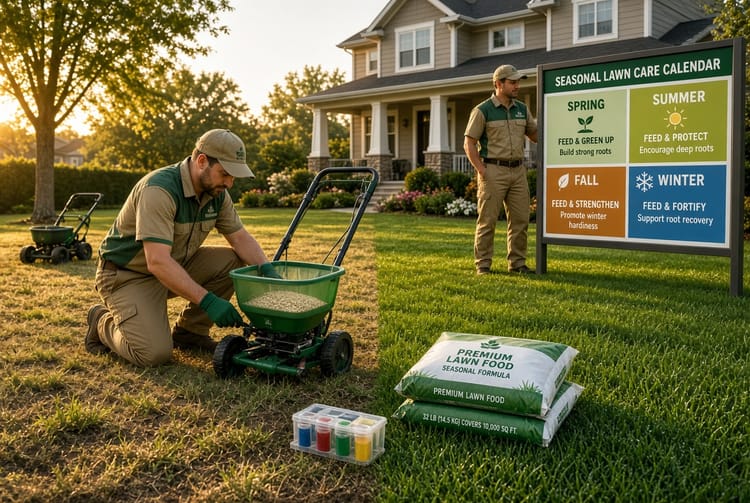
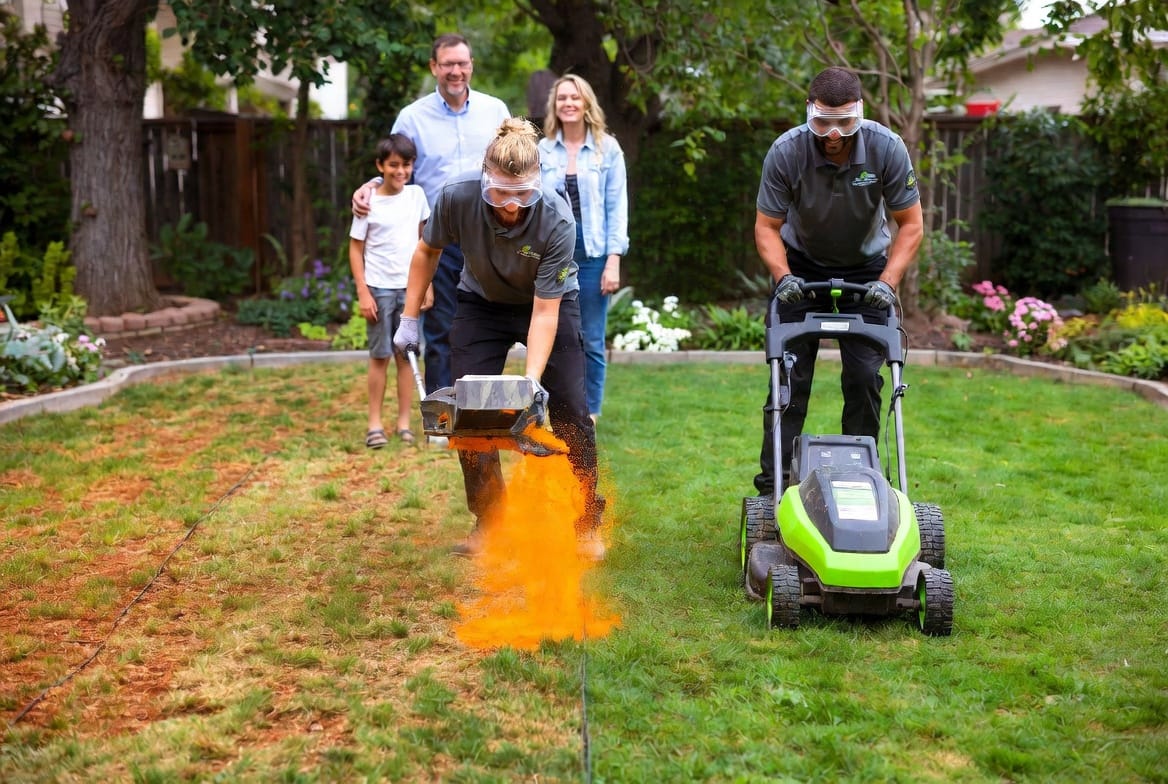
- Apply a balanced, slow-release nitrogen fertilizer formulated for your grass type.
- Follow label rates to avoid burning.
- Timing applications during active growth periods yields fastest recovery.
Regular Mowing Practices
- Mow frequently at the proper height for your grass species.
- Remove clippings initially if rust is heavy to reduce spore spread.
- Keep mower blades sharp for clean cuts.
Improve Watering Habits
- Water deeply but infrequently to encourage strong roots.
- Always water in the morning so grass dries before evening.
- Avoid overhead watering late in the day.
Additional Cultural Improvements
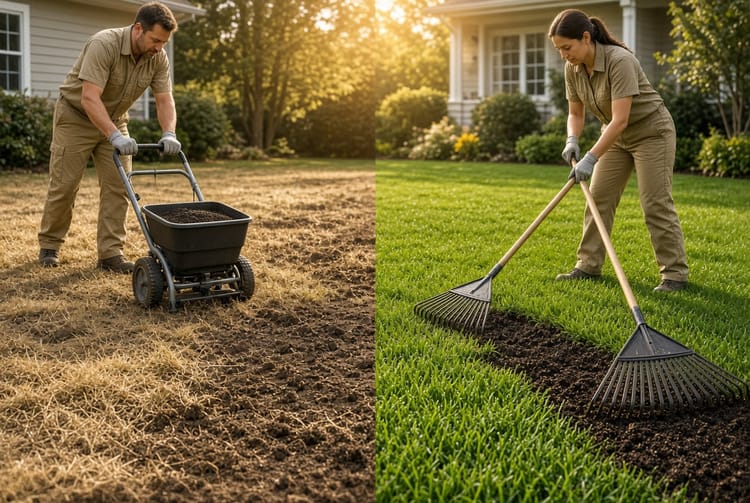
- Aerate compacted soil to enhance root health and nutrient uptake.
- Overseed thin areas with rust-resistant grass varieties suited to Texas.
- Ensure adequate sunlight through selective pruning of overhanging branches.
Long-Term Prevention for a Rust-Free Lawn
Prevention keeps your lawn looking its best year-round:
- Maintain a consistent fertilization schedule tailored to North Texas seasons.
- Choose rust-resistant grass varieties when renovating.
- Promote good airflow and sunlight throughout the yard.
- Monitor soil nutrient levels with periodic testing.
- Schedule professional lawn assessments to catch issues early.
With proactive care, lawn rust becomes a rare occurrence rather than a recurring problem.
When to Seek Professional Lawn Care Help
While many homeowners can manage mild cases, professional intervention provides faster, more reliable results for:
- Widespread or persistent rust across large areas.
- Combined stress from drought, heat, or other pests.
- High-value or newly established lawns.
- Uncertainty about proper fertilizer selection and timing.
Our experienced technicians deliver customized lawn treatment programs designed specifically for Dallas-area soil and climate conditions.
Conclusion: Rust Looks Scary but Is Easily Fixed
Lawn rust may look concerning with its vivid orange powder, but it is a manageable, non-destructive fungus that responds excellently to proper nutrition, mowing, and care. By addressing low nitrogen, improving maintenance routines, and acting promptly, you can quickly return your lawn to the lush, healthy green that enhances your entire property.
Don’t let orange powder stress you out. With the right approach, your grass will recover stronger and more resilient than before.
Ready to restore your lawn? We help North Texas homeowners eliminate rust and achieve beautiful, vibrant yards they can enjoy all season long.
Transform Your Dallas Lawn – Expert Care Awaits