The Lawn Snow Mold Prevention: Applying Fungicide Before Winter
As the days shorten and autumn colors peak, many homeowners shift focus indoors. Yet the most important lawn work of the year is still ahead. Snow mold is a silent fungal threat that develops beneath winter snow and can destroy large sections of turf by spring. The good news is that this damage is almost entirely preventable. A single, well-timed preventive fungicide application in late fall creates a protective barrier that stops the fungi before they can take hold.
Protect Your Lawn from Snow Mold – Call Now!
By acting now—before the first snow—you give your lawn the best possible chance to emerge healthy, dense, and green when warmer weather returns. This is not reactive spring repair; this is smart, proactive fall lawn care that saves time, money, and frustration later.
Understanding Snow Mold: Pink and Gray Varieties
Snow mold appears in two primary forms, each with distinct characteristics but similar destructive potential.
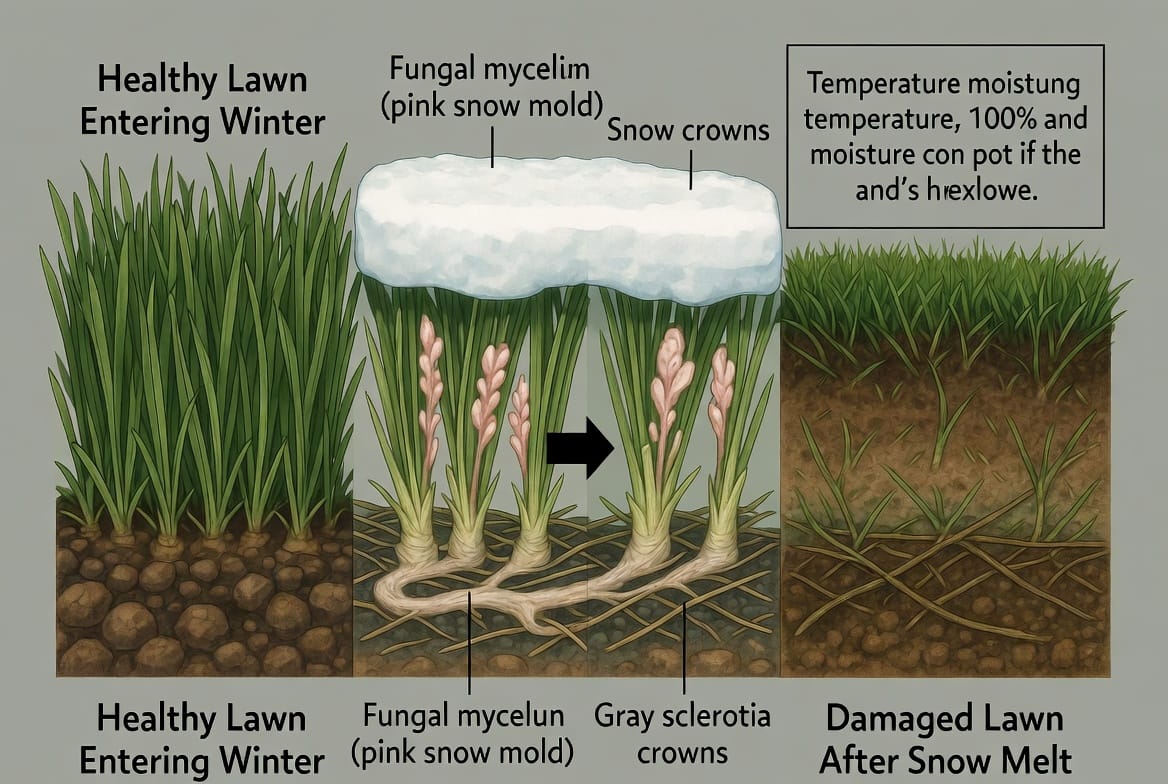
Pink snow mold (Microdochium nivale) is often the first to appear in spring. It creates irregular patches of dead, matted grass with a distinctive pinkish or reddish-brown border. The fungus is most active when snow melts and refreezes, creating ideal cool, moist conditions. It attacks the crown and upper roots, weakening the entire plant.
Gray snow mold (Typhula species) tends to produce larger, more circular patches covered in a grayish-white, cottony mycelium. Hard, dark resting bodies called sclerotia often remain visible on the grass after the mold dries. Gray snow mold is particularly aggressive on lawns that entered winter with excessive thatch, long grass, or heavy leaf debris.
Both types require prolonged snow cover—typically 60 days or more—on unfrozen or partially frozen soil. When snow acts as an insulating blanket, it traps moisture and maintains temperatures just above freezing, allowing the fungi to grow slowly but steadily while the grass remains dormant and defenseless.
Homeowners who skip fall preparation often discover these telltale patches in March or April: areas where grass pulls up easily in sheets, revealing brown or black crowns underneath. Left untreated, the affected zones become prime territory for weeds and require extensive overseeding and recovery efforts.
Why Snow Mold Thrives Under Winter Snow
Snow itself is not the direct cause of the disease. Instead, it creates a perfect microclimate for fungal development. The snow layer insulates the ground, preventing extreme cold from killing the fungi while maintaining high humidity right at the turf surface.
Several conditions dramatically increase risk:
- Lawns mowed too tall in the final cut retain more moisture and organic matter that fungi feed on.
- Fallen leaves and debris left on the lawn trap additional moisture and reduce air circulation.
- Late-season applications of high-nitrogen fertilizer produce soft, succulent growth that is highly susceptible to infection.
- Poor drainage or excessive thatch keeps the crown area wet for extended periods.
When these factors combine with early, heavy snowfall on unfrozen ground, the stage is set for significant spring damage. The fungi colonize the grass crowns and thatch layer throughout winter, then explode in activity during the freeze-thaw cycles of early spring.
The Critical Window: Applying Preventive Fungicide in Late Fall
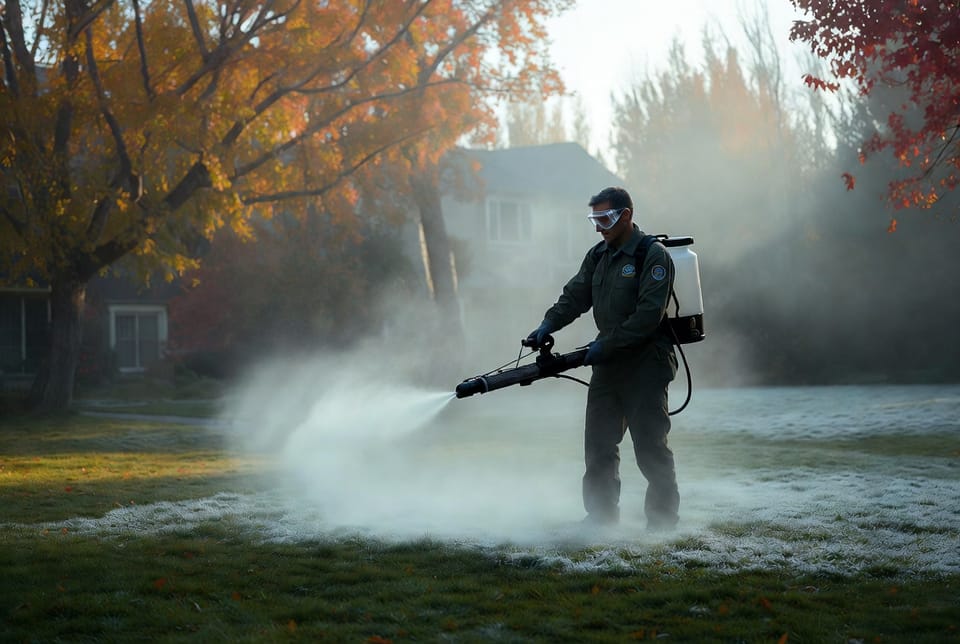
The single most effective defense against both pink and gray snow mold is a preventive fungicide application made in late fall, ideally when soil temperatures are between 50°F and 55°F and before the first lasting snow. This timing allows the active ingredients to bind to the grass and thatch, forming a protective shield that inhibits fungal growth during the long winter months.
Modern preventive fungicides work through contact and systemic action. They disrupt fungal cell walls and metabolism while the pathogens are still in their early, vulnerable stages. Because the application occurs before snow cover, the product reaches every blade and the upper thatch layer where the fungi would otherwise begin colonizing.
Professional lawn care technicians use calibrated equipment to ensure uniform coverage at the correct rate. This precision is difficult to achieve with consumer-grade products and spreaders. The result is consistent protection across the entire property rather than missed spots that later become disease entry points.
Applying too early wastes product as it breaks down before winter. Applying after snow has already fallen is far less effective because the barrier cannot be established properly. The late-fall window—usually late October through mid-November in most snow-prone regions—is narrow but powerful when timed correctly.
Complementary Fall Lawn Care Practices for Maximum Protection
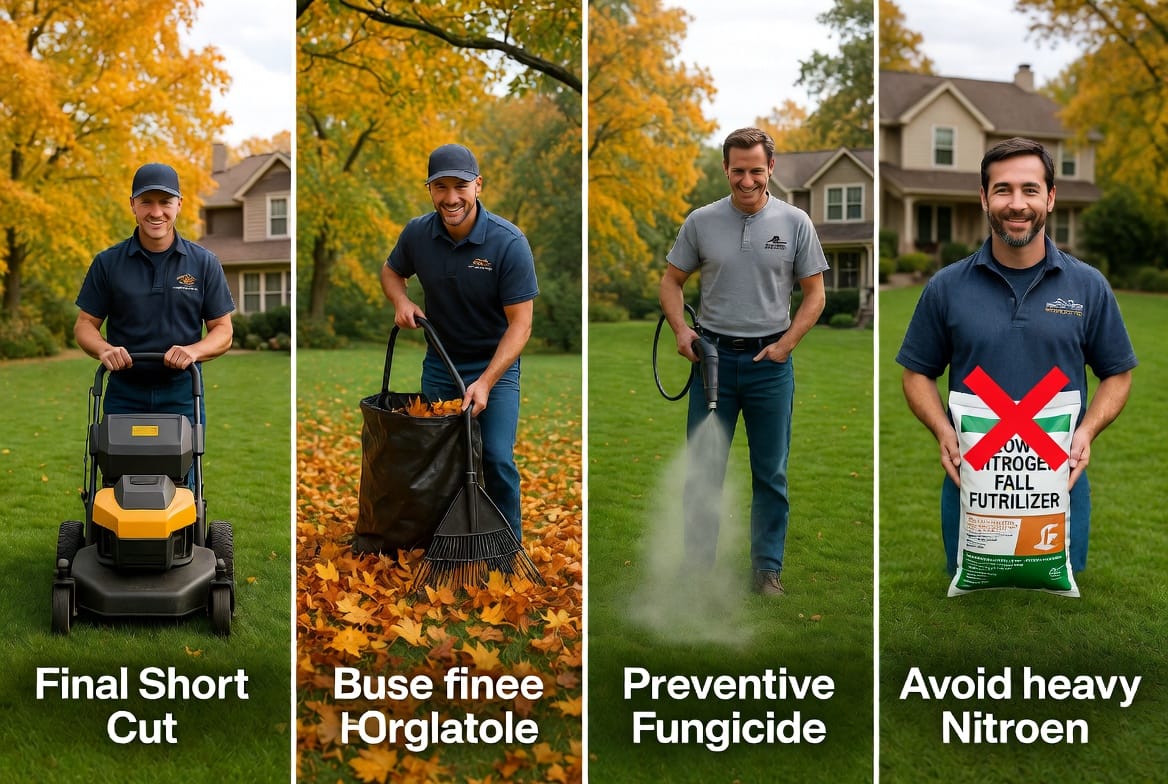
Fungicide works best when the lawn is properly prepared beforehand. These four essential steps create conditions that make the turf far less hospitable to snow mold.
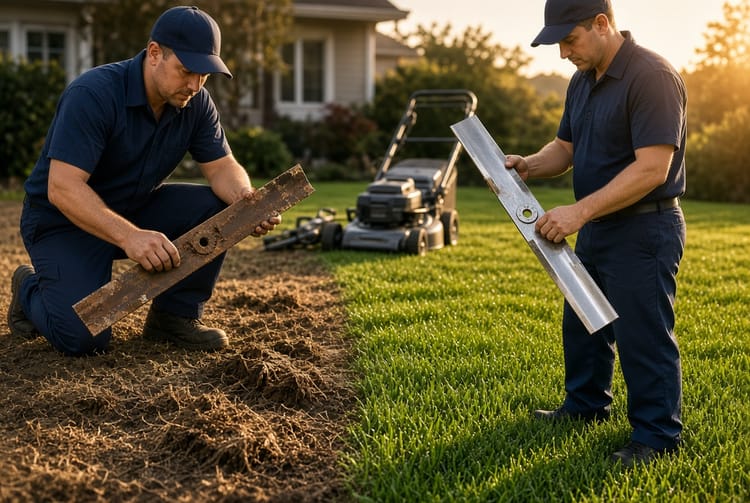
- Perform a final short mow. Cut the grass to approximately 2–2.5 inches for the last cut of the season. Shorter grass reduces the amount of organic matter available for fungi to colonize and improves air movement at the soil surface.
- Rake and remove fallen leaves and debris. Thick leaf layers trap moisture and create a humid environment right against the grass crowns. Complete removal prevents this moisture trap and reduces thatch accumulation.
- Apply preventive fungicide at the right moment. This is the cornerstone treatment. When combined with proper mowing and leaf removal, the fungicide can deliver season-long protection.
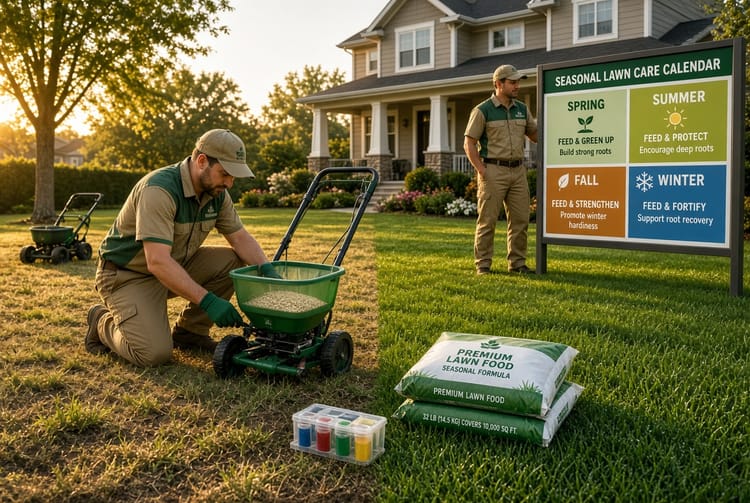
- Avoid heavy nitrogen fertilizer in late fall. High-nitrogen applications in September or October produce tender growth that stays susceptible longer. Use a low-nitrogen or balanced fall formula earlier if needed, then stop nitrogen applications well before the fungicide treatment.
These steps work together. A short, clean lawn allows the fungicide to reach its target more effectively. Removing debris reduces the food source for overwintering fungi. Proper nutrient management helps the grass harden off naturally before dormancy.
The Advantages of Professional Preventive Care
While some homeowners attempt DIY fungicide applications, professional service offers distinct advantages that directly impact results. Trained technicians understand exact timing based on local soil temperatures and long-range forecasts. They select the most effective formulations for both pink and gray snow mold and apply them at precise rates using equipment designed for even coverage.
Professionals also inspect the lawn for contributing factors—excessive thatch, drainage issues, or tree canopy problems—and can recommend integrated solutions. This holistic approach addresses the root conditions that make snow mold more likely, rather than treating only the symptoms.
Most importantly, professional application gives homeowners peace of mind. Knowing that a proven barrier has been established before the first snow allows families to enjoy the winter season without worrying about major lawn repair projects the following spring.
What If Some Damage Still Appears?
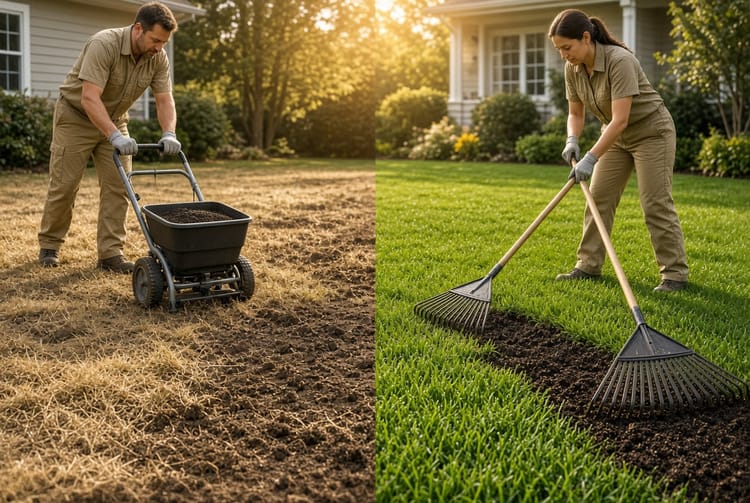
Even with excellent prevention, unusual weather patterns can occasionally allow limited breakthrough. If small patches appear in spring, they are usually far less severe than on untreated lawns. Recovery is straightforward: rake away dead debris, lightly aerate affected areas, apply a starter fertilizer, and overseed with improved turfgrass varieties. Most lawns regain full density within one growing season when these steps are followed promptly.
The key difference is scale. Untreated lawns may lose 30–50% of their turf to snow mold. Properly protected lawns typically show either no damage or only isolated, easily repaired spots.
Protect Your Lawn Before Winter Arrives
Snow mold prevention is one of the highest-return investments you can make in your lawn’s long-term health. A single late-fall fungicide application, combined with proper mowing, leaf removal, and nutrient management, protects your turf through the harshest months and delivers a stronger, more resilient lawn the following year.
Don’t wait until spring to discover the extent of winter damage. Take action now while the window for effective prevention is still open.
Protect your lawn before winter.
Our experienced lawn care team will assess your property, apply the right preventive fungicide at the optimal time, and complete the supporting fall preparations so your lawn can rest easy under the snow and emerge beautiful next spring.
Apply Preventive Fungicide Before First Snow – Call Now