The Lawn Summer Patch: Circular Dead Areas in Hot Weather
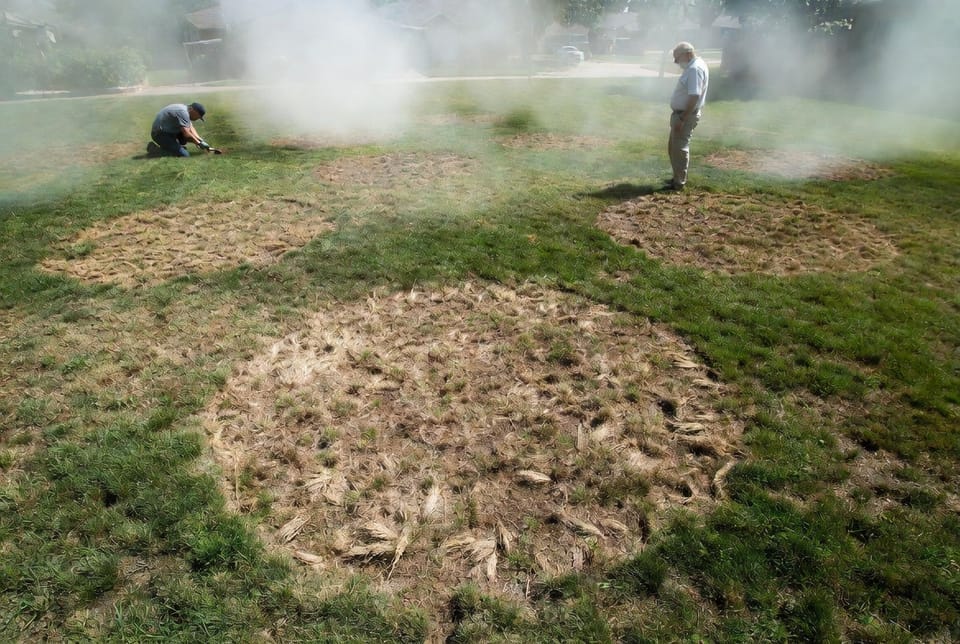
Summer patch is one of the most frustrating fungal diseases that can strike your lawn during the peak of the heat. If you've noticed mysterious circular dead areas appearing in your once-vibrant turf, you're not alone. This insidious condition, caused by the soil-borne fungus Magnaporthiopsis poae, thrives in stressful summer conditions and can quickly turn a beautiful yard into a patchwork of brown spots if left unchecked.
Restore Your Lawn from Summer Patch – Call Now!
At our lawn care service, we've helped countless Dallas homeowners restore their lawns from summer patch damage. With the right knowledge and timely action, you can protect your turf and keep it lush all season long. This comprehensive guide will walk you through everything you need to know about identifying, understanding, and managing this common yet challenging lawn disease.
Understanding Summer Patch Disease
Summer patch doesn't announce itself with obvious early warnings. It often begins subtly in late spring or early summer when soil temperatures rise consistently above 65°F (18°C). The fungus attacks the roots and crowns of cool-season grasses like Kentucky bluegrass, fine fescues, and perennial ryegrass—common choices in many transitional zones including parts of Texas.
Key symptoms include:
- Small, circular patches of wilted or darkened grass, typically 6 to 12 inches in diameter initially.
- Patches that enlarge over time, sometimes merging into larger irregular dead zones.
- Grass within the patches that pulls up easily from the soil, revealing short, blackened, or rotted roots.
- A distinctive "frog-eye" appearance in some cases, where the center of the patch may green up slightly while the outer ring remains dead.
These circular dead areas are particularly noticeable during hot, humid weather when the grass is already under stress from drought or excessive heat. Homeowners often mistake early signs for drought damage or insect activity, delaying proper treatment.
Favorable Conditions for Summer Patch
The fungus responsible for summer patch loves compacted, poorly drained soils with excessive thatch buildup. High humidity combined with daytime temperatures in the 80s and 90s creates the perfect environment for rapid fungal growth.
Contributing factors often include:
- Compacted soil that restricts root development and water infiltration.
- Overwatering or frequent shallow watering that keeps the soil surface constantly moist.
- Excessive nitrogen fertilization during warm months, which promotes lush top growth at the expense of deep roots.
- Lawns with poor air circulation or heavy shade that retain moisture longer.
- Thatch layers thicker than half an inch that harbor the fungus and insulate the soil.
In Dallas-area lawns, these issues are amplified by our clay-heavy soils and intense summer heat waves. Understanding these conditions is the first step toward effective prevention and control.
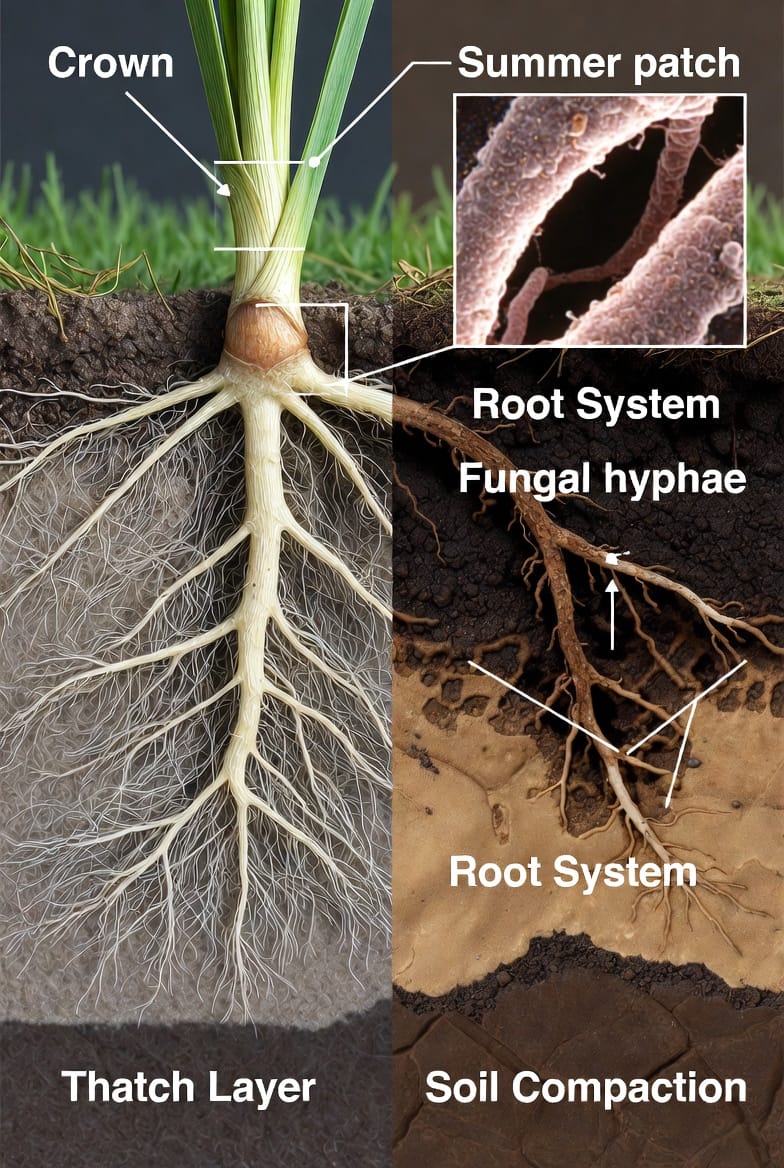
Diagnosing Summer Patch in Your Lawn
Proper diagnosis is crucial because many lawn problems look similar. To confirm summer patch:
- Check the roots — tug gently on affected grass; infected plants will have sparse, darkened roots.
- Look for patterns — the circular shape and gradual enlargement are classic indicators.
- Rule out other issues — drought stress usually affects larger areas uniformly, while insects often leave visible grubs or tunnels.
If you're unsure, our certified technicians can perform a professional soil and tissue analysis to pinpoint the exact cause and recommend targeted solutions.
Effective Management Strategies for Summer Patch
The good news is that summer patch is highly manageable with a combination of cultural practices and, when necessary, professional treatments. Early intervention in spring yields the best results.
Cultural Practices That Make a Difference
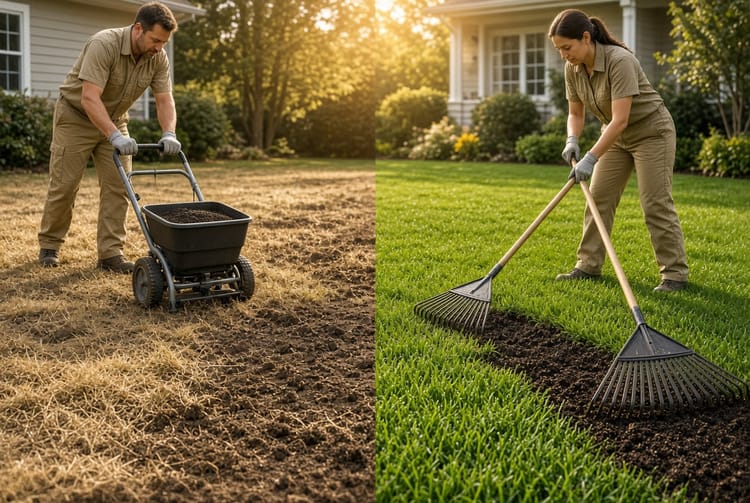
Reduce thatch buildup through regular dethatching or power raking in early spring. A thick thatch layer creates a perfect incubator for the fungus while preventing water and nutrients from reaching the roots.
Core aeration is one of the most effective tools against summer patch. By pulling soil cores, you relieve compaction, improve oxygen flow to roots, and encourage deeper root growth. Aerate in spring or fall when the grass is actively growing.
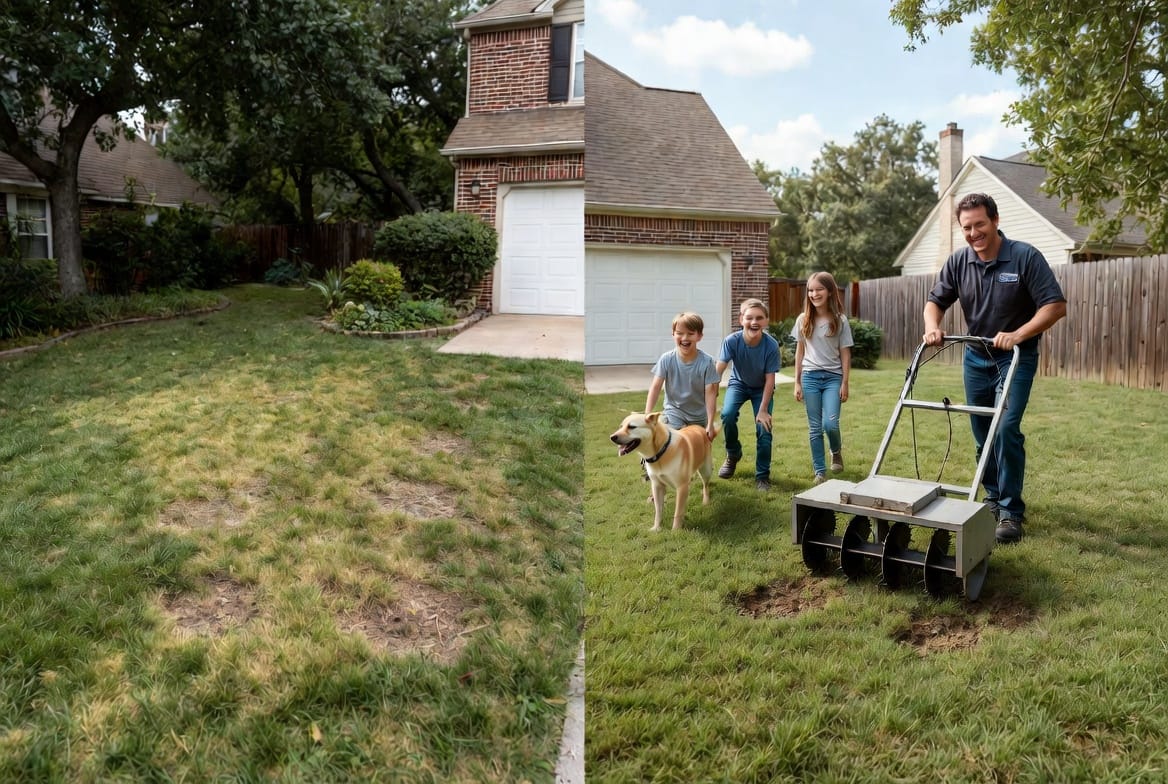
Watering wisdom plays a critical role. Water deeply but infrequently to encourage deep root systems that better withstand summer stress. Early morning watering reduces leaf wetness duration, making it harder for fungi to spread. Aim for about one inch of water per week, adjusted for rainfall.
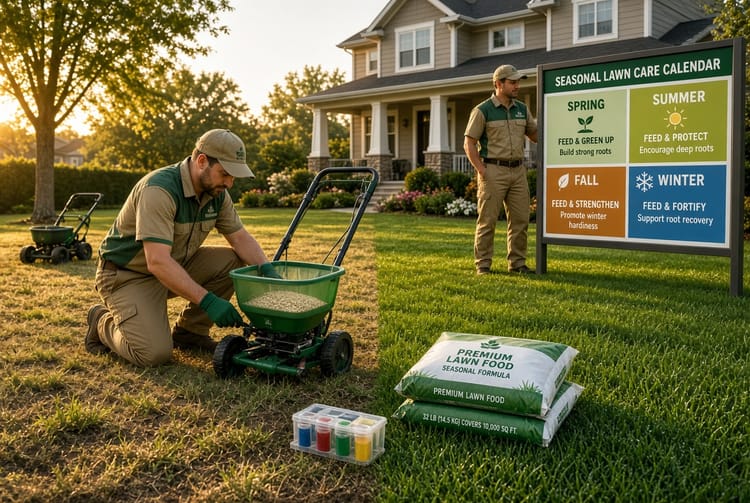
Fertilization best practices include avoiding high-nitrogen applications during hot weather. Instead, focus on balanced or slow-release fertilizers that support root development without excessive top growth. Soil testing helps determine exact nutrient needs.
Mowing height should be kept at the higher end of the recommended range for your grass type. Taller grass shades the soil, reduces weed pressure, and helps retain moisture more efficiently.
When to Consider Fungicide Applications
Preventive fungicide treatments applied in spring, when soil temperatures reach the 60s, can provide excellent protection in lawns with a history of summer patch. Curative applications are less effective once symptoms appear, which is why timing matters.
Our team uses industry-approved fungicides as part of an integrated approach, always following label instructions and environmental best practices.
Long-Term Prevention for a Healthy Lawn
Building lawn resilience is the ultimate goal. Healthy, vigorous turf naturally resists diseases better than stressed grass.
Additional preventive steps include:
- Choosing disease-resistant grass varieties suited to your local climate and soil.
- Improving drainage in problem areas through grading or French drains if needed.
- Maintaining proper soil pH — summer patch fungi often thrive in alkaline conditions.
- Reducing traffic on wet lawns to prevent further compaction.
- Monitoring weather patterns and adjusting care routines accordingly.
Consistent lawn care throughout the year pays dividends when summer heat arrives. By addressing underlying stress factors, you create conditions where summer patch struggles to take hold.
Common Myths About Summer Patch
Many homeowners believe that simply watering more will solve the problem. In reality, overwatering often worsens the issue by keeping the soil too moist. Others think that replacing the entire lawn is the only solution — fortunately, that's rarely necessary with proper management.
Patience is key. Recovery from summer patch can take several weeks to months, but with the right approach, your lawn can return to its former glory.
Professional Help for Stubborn Cases
While many homeowners successfully manage mild cases through cultural practices, severe or recurring infections often benefit from expert intervention. Our lawn care specialists bring years of experience, advanced diagnostic tools, and proven treatment protocols tailored to North Texas conditions.
We don't just treat symptoms — we address root causes to deliver lasting results. From comprehensive soil testing to customized treatment plans, professional service ensures your lawn stays healthy season after season.
Restoring Your Lawn's Beauty and Value
A healthy, disease-free lawn does more than look good. It increases property value, provides a safe play space for children and pets, and contributes to a cooler, more comfortable outdoor environment. Don't let summer patch steal the enjoyment from your yard.
By implementing the strategies outlined here and seeking professional guidance when needed, you can overcome this fungal challenge and enjoy a lush, resilient lawn even through the hottest Texas summers.
Take Action Before Summer Patch Worsens
Protect your lawn from summer patch. Don't wait for those circular dead areas to spread further. Our expert disease treatment programs are designed specifically for conditions like this, delivering fast, effective results you can count on.
Our team is ready to help restore your lawn to its full potential. Whether you're dealing with early signs or advanced damage, we have the knowledge and tools to get your grass thriving again.
Protect Your Turf from Fungal Disease – Call for Help Now