The Lawn Toadstools: Why They Appear and How to Manage
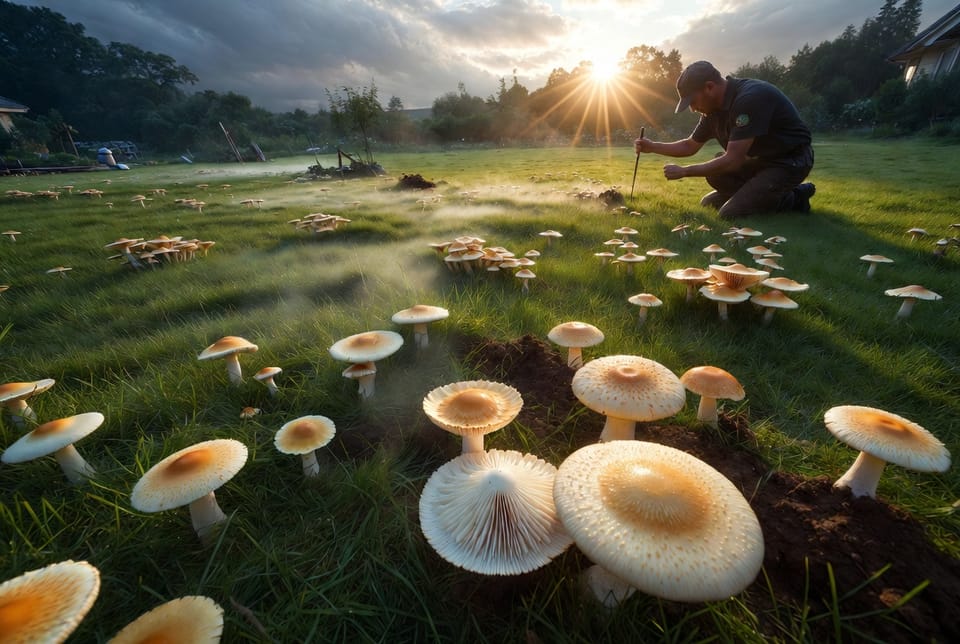
Lawn toadstools rank among the most frequent surprises homeowners discover after a stretch of wet weather. These sudden fungal growths can transform an otherwise pristine stretch of turf into a landscape dotted with umbrella-shaped caps. While their appearance often sparks concern, understanding their nature brings immediate reassurance. Toadstools are simply the visible fruiting bodies of fungi that live quietly beneath the surface, feeding on decaying organic matter. In the vast majority of cases they remain completely harmless to both grass and people when handled properly.
Get Rid of Lawn Toadstools Today – Call Now!
This comprehensive guide explores exactly why these mushrooms surface, the clear signs that signal their presence, and the practical steps any property owner can take to manage them effectively. By the end you will possess authoritative knowledge that turns an unexpected lawn event into an opportunity for healthier turf.
Understanding What Lawn Toadstools Really Are
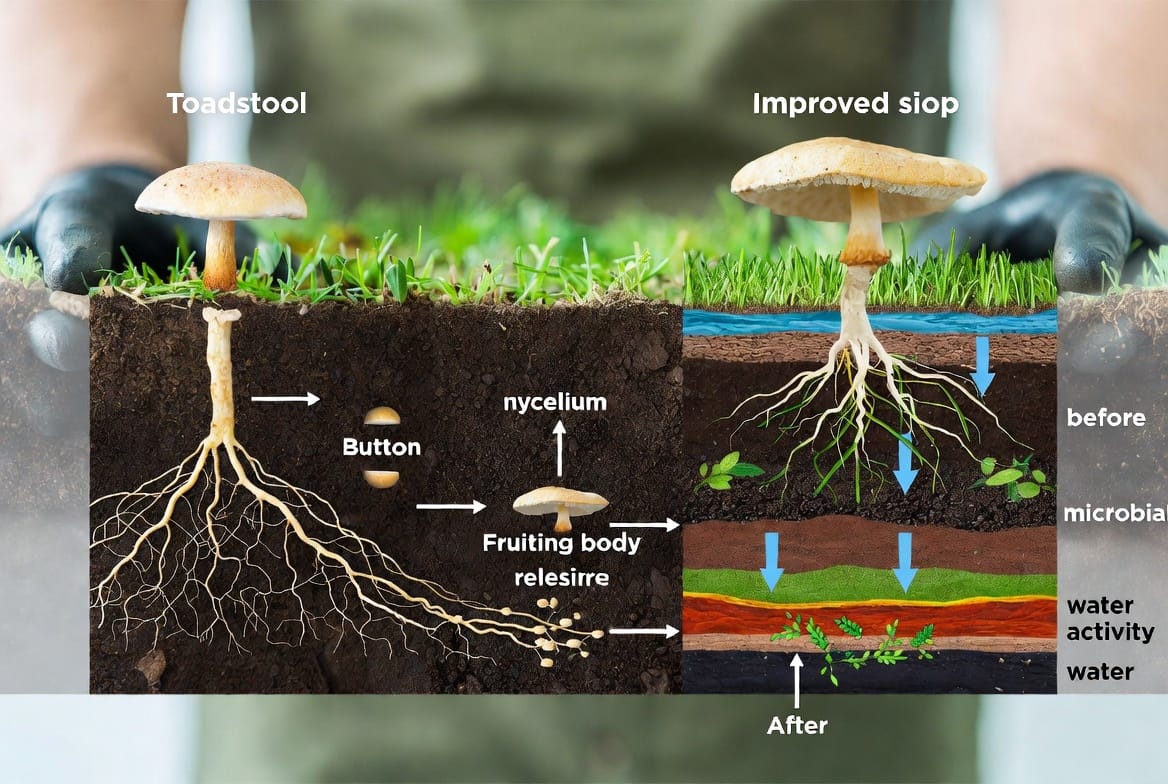
Toadstools belong to a broad group of fungi whose underground networks, called mycelium, thrive in soil rich with organic debris. Unlike plants that manufacture food through photosynthesis, these organisms break down decaying organic matter such as buried wood chips, old tree roots, grass clippings, and layers of thatch. The familiar mushroom or toadstool is merely the reproductive structure that pushes upward when conditions favor spore release.
Most lawn toadstools fall into the category of saprophytic fungi. They perform a valuable ecological service by recycling nutrients back into the soil. Because they do not attack living grass blades or roots in a parasitic manner, the turf itself continues growing around them without lasting damage. This fundamental fact forms the foundation of a calm, informed response whenever clusters suddenly appear.
Homeowners sometimes confuse toadstools with more aggressive fungal diseases. Distinguishing the two is straightforward: true disease pathogens create expanding brown patches, slimy residues, or progressive thinning of the stand. Toadstools, by contrast, emerge as discrete fruiting bodies that fade within a few days once the moisture level drops. Recognizing this difference prevents unnecessary alarm and keeps management efforts focused on the real underlying conditions.
Why Toadstools Appear in Lawns
Several environmental and cultural factors converge to produce the perfect setting for toadstool fruiting. Moisture stands as the primary trigger. After periods of rain or prolonged irrigation, the soil becomes saturated enough for the mycelium to push reproductive structures through the grass canopy. Cooler temperatures that often accompany autumn or spring rains further encourage the process.
Beneath the surface, the presence of decaying organic matter supplies the continuous food source the fungi require. Common sources include:
- Buried construction debris or leftover tree stumps
- Thick accumulations of thatch that never fully break down
- Excess mulch that has migrated into the turf edge
- Old roots from previously removed shrubs or trees
Poor soil drainage compounds the situation. Water that lingers in low spots or compacted areas keeps the fungal network active far longer than in well-aerated ground. Heavy clay soils or lawns that have never received core aeration frequently develop these moisture pockets.
Cultural practices also play a quiet role. Over-application of nitrogen fertilizer can accelerate the breakdown of organic residues, temporarily boosting fungal activity. Similarly, infrequent mowing that allows clippings to mat on the surface adds to the thatch layer and creates additional food for the mycelium. None of these conditions indicate a failing lawn; they simply reveal opportunities for refinement that restore balance.
Clear Signs That Toadstools Are Present
The most obvious indicator arrives after rain: clusters of mushrooms rising overnight across previously clean turf. These fruiting bodies vary in size from tiny buttons to caps several inches wide. Colors range from pure white and cream to shades of tan, gray, or even soft brown. Many form neat circular patterns known as fairy rings, a classic visual cue that the underground mycelium has expanded outward in a radial fashion.
Additional signs include:
- Soft, spongy soil in the immediate vicinity of the growths
- A mild earthy odor rising from the affected zone after the mushrooms mature
- Temporary darkening of the grass immediately surrounding each cluster as nutrients are released
- Rapid disappearance of the caps once sunny, dry weather returns
Observing these patterns over successive wet periods helps homeowners map the locations of buried organic material. The same spots often produce toadstools year after year until the food source is exhausted or cultural conditions improve. Early recognition allows intervention before the visual impact becomes widespread.
Assessing the True Risk Level
One of the most reassuring truths about lawn toadstools is their generally harmless character. The fruiting bodies themselves do not inject toxins into the grass or create permanent bare spots. Once the mushrooms collapse, the turf quickly fills in without scarring. Pets and children should still be discouraged from handling or ingesting any wild mushroom, as a minority of species can cause digestive upset if consumed. Simple removal eliminates this minor concern.
Fairy rings occasionally produce a temporary zone of darker, faster-growing grass due to the release of nitrogen from the decaying mycelium. In rare instances the dense fungal mat can briefly restrict water penetration, leading to a thin arc of stressed turf. Even these effects remain short-lived and respond readily to the management techniques outlined below. No systemic fungicide is required in the overwhelming majority of residential situations, sparing the lawn unnecessary chemical exposure.
Proven Management Techniques That Restore Balance
Effective control rests on three straightforward pillars: physical removal, improved drainage, and reduction of thatch. Each step addresses a different part of the toadstool life cycle and collectively discourages future flushes.
Hand Removal of Existing Growths
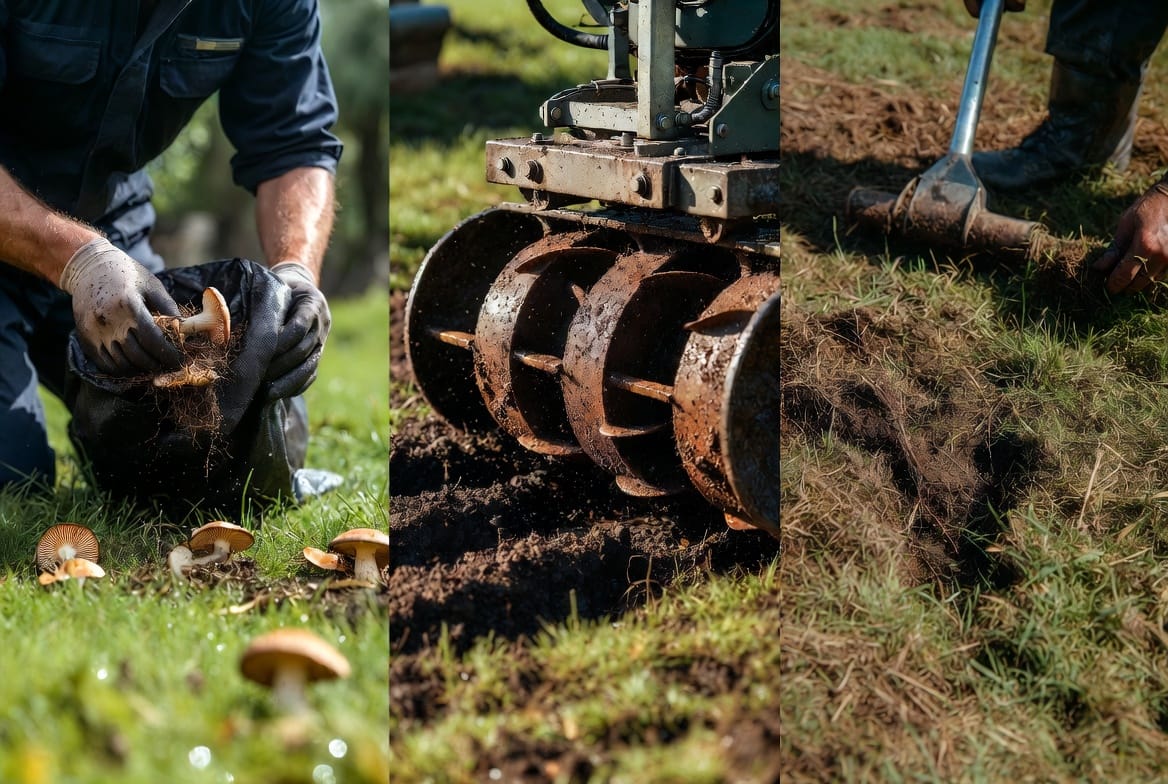
The quickest visual improvement comes from simply picking the mushrooms by hand or with a soft rake. Collect them early in the morning while the caps remain firm. Place the collected material in a sealed bag and dispose of it with household trash rather than composting, preventing any chance of spore redistribution. Avoid kicking or mowing over the clusters, as this can scatter spores across a wider area. Consistent daily removal during wet spells keeps the lawn looking tidy and reduces the spore load for the next rain event.
Improving Soil Drainage
Water that sits too long fuels fungal activity. Core aeration performed once or twice each year opens channels that allow excess moisture to move downward. For chronically wet zones, consider installing French drains or amending the soil with compost to increase porosity. Raising low spots with quality topsoil also eliminates the puddles that toadstools favor. These physical improvements deliver lasting benefits that extend far beyond mushroom control, promoting deeper root systems and greater drought resilience.
Reducing Thatch Accumulation
Thatch thicker than half an inch creates a perfect reservoir of decaying organic matter. Annual dethatching with a specialized power rake or vertical mower removes the spongy layer and exposes the soil surface to air and light. Follow dethatching with a light topdressing of compost to encourage beneficial microbes that outcompete the toadstool fungi. Adjusting mowing height to the upper recommended range for the grass species further slows thatch buildup by reducing stress on the plants.
Additional supporting practices reinforce these core actions:
- Water deeply but infrequently to encourage roots to seek moisture lower in the profile
- Maintain balanced fertility based on a recent soil test rather than routine high-nitrogen applications
- Remove tree stumps and large woody debris whenever feasible
- Overseed thin areas promptly so dense turf outcompetes fungal networks for space
Long-Term Prevention Strategies for a Resilient Lawn
Prevention begins with consistent cultural habits that keep organic matter cycling at a healthy rate. Schedule core aeration and dethatching as part of the annual calendar rather than waiting for visible problems. Mulch tree leaves thoroughly in autumn so they break down instead of forming dense mats. When installing new landscape beds, keep wood-based mulch several inches away from the turf edge to prevent migration.
Monitoring soil moisture with a simple probe or sensor helps avoid both drought stress and prolonged saturation. In regions that experience frequent heavy rains, selecting grass cultivars known for strong disease resistance and rapid recovery adds another layer of protection. Over time these practices produce a lawn whose dense canopy and well-structured soil leave little opportunity for dramatic toadstool displays.
Homeowners who maintain detailed records of rainfall, cultural treatments, and toadstool occurrences gain valuable insight into patterns specific to their property. This data-driven approach transforms reactive removal into proactive management and steadily reduces the frequency of outbreaks.
When Professional Support Makes Sense
While the majority of toadstool situations respond well to the steps above, certain scenarios benefit from expert evaluation. Extensive fairy rings that repeatedly stress the same areas of turf, or growths accompanied by unexplained thinning, warrant a closer look at soil biology and possible hidden debris. Certified lawn care technicians possess specialized equipment for deep aeration, precise thatch removal, and targeted organic amendments that accelerate recovery.
Professional teams also bring experience in identifying less common fungal species and confirming that no secondary issues are present. Their systematic approach ensures that every contributing factor receives attention, delivering results that last multiple seasons rather than a single wet period.
The Bigger Picture of Soil Health and Lawn Vitality
Toadstools serve as visible messengers of the complex biological community living beneath every lawn. Their presence often signals that organic matter is abundant and that the soil food web remains active. Rather than viewing them solely as a nuisance, progressive property owners treat each appearance as useful feedback. By responding with improved drainage, reduced thatch, and thoughtful cultural practices, the same lawn that once hosted frequent mushrooms gradually develops greater resilience and a more uniform appearance.
Healthy soil teems with diverse microorganisms that compete with opportunistic fungi for resources. Encouraging this diversity through organic amendments, proper mowing, and balanced fertility creates an environment where dramatic fruiting events become rare. The result is turf that stays greener longer, recovers faster from stress, and requires fewer corrective interventions overall.
Final Reassurance and Next Steps
Lawn toadstools remain one of the most misunderstood yet easily managed features of residential landscapes. They feed exclusively on decaying organic matter, appear most noticeably after rain, and pose no lasting threat when addressed with simple, consistent care. Hand removal restores immediate visual appeal, while improving drainage and reducing thatch tackle the root conditions that allow them to flourish.
Restore Your Lawn from Toadstools – Call Now!