The Lawn Roller: When Rolling Is Beneficial and When It Harms Your Turf
Homeowners across the country often reach for a lawn roller hoping for that picture-perfect, flat green carpet. Yet this seemingly simple tool remains one of the most controversial practices in lawn care. Done correctly, rolling can deliver dramatic results. Done incorrectly, it can silently destroy soil structure and weaken your turf for years.
Get Expert Lawn Roller Advice – Call Now!
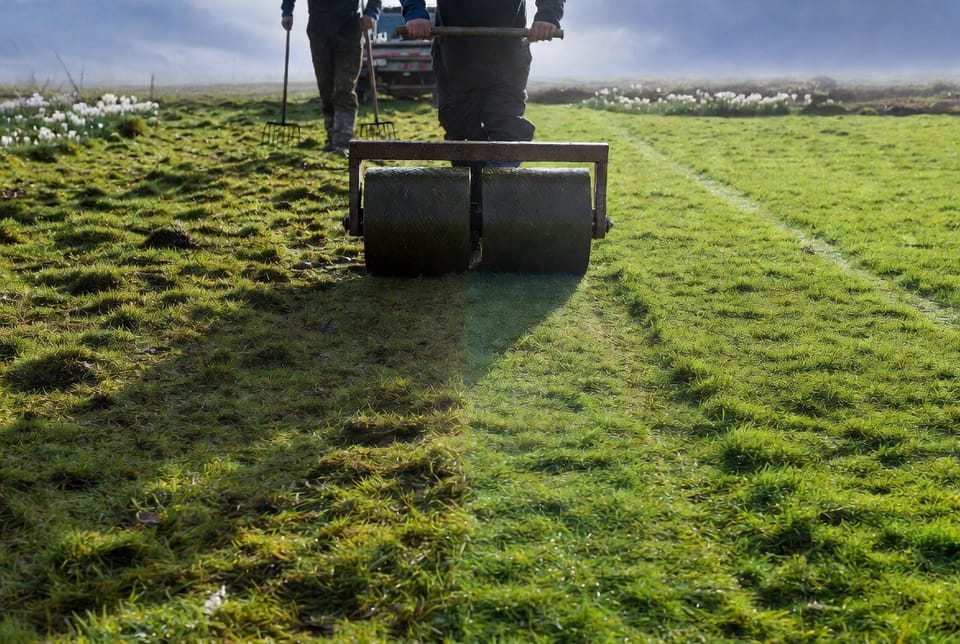
At its core, a lawn roller is a heavy cylinder—usually water-filled or weighted—that presses the soil surface to improve seed-to-soil contact or level minor bumps. The key question is timing and necessity. Understanding exactly when rolling helps and when it harms empowers you to protect your investment and enjoy a healthier lawn with far less effort.
With the right knowledge and technique, you can confidently decide whether rolling belongs in your spring maintenance routine or whether it’s smarter to leave the task to professionals who know precisely when—and when not—to roll.
What Exactly Is a Lawn Roller and How Does It Work?
A lawn roller works by applying even downward pressure across the soil surface. This gentle compaction can eliminate small air pockets and encourage better root establishment in specific scenarios. Modern rollers come in a variety of sizes and weights, from lightweight push models for small yards to heavy tow-behind units for larger properties.
The weight you choose matters. A roller that is too light achieves nothing, while one that is too heavy can cause immediate damage. The goal is always controlled pressure that solves a specific problem without creating new ones.
Professional insight: The best lawn care teams treat rolling as a precision tool, not a default step. They assess soil type, moisture levels, and turf condition before ever loading the roller onto the truck.
The Benefits of Lawn Rolling: Situations Where It Truly Helps
Rolling is beneficial in three well-defined situations. Each scenario involves newly disturbed or naturally shifted soil that benefits from immediate, light pressure.
Installing New Sod
When you lay fresh sod, tiny air gaps often remain between the sod roots and the prepared soil. A light pass with a lawn roller presses the sod firmly into contact, eliminating those gaps and jump-starting root establishment.
Landscapers typically roll new sod within 24–48 hours of installation while the soil is still slightly moist. One or two passes in opposite directions are usually sufficient. The result is faster rooting, reduced wilting, and a seamless lawn that looks established weeks earlier than unrolled sod.
Correcting Frost Heave
Early spring brings frost heave—the natural lifting of soil caused by repeated freeze-thaw cycles. These small bumps and depressions create an uneven surface that makes mowing difficult and invites tripping hazards.
A carefully timed roll after the ground has thawed but before grass growth accelerates levels the soil without disturbing established roots. Homeowners notice smoother mowing, better water distribution, and a visibly professional finish within days.
Preparing the Perfect Seedbed
Before broadcasting grass seed, a final light roll creates the ideal firm yet crumbly surface. Seeds settle into tiny depressions and maintain consistent contact with moisture and nutrients. Germination rates improve dramatically, leading to thicker, more uniform turf from the very beginning.
Key takeaway: In these three situations, rolling is not optional—it is the finishing touch that turns good work into excellent results.
The Risks of Improper Rolling: When It Does More Harm Than Good
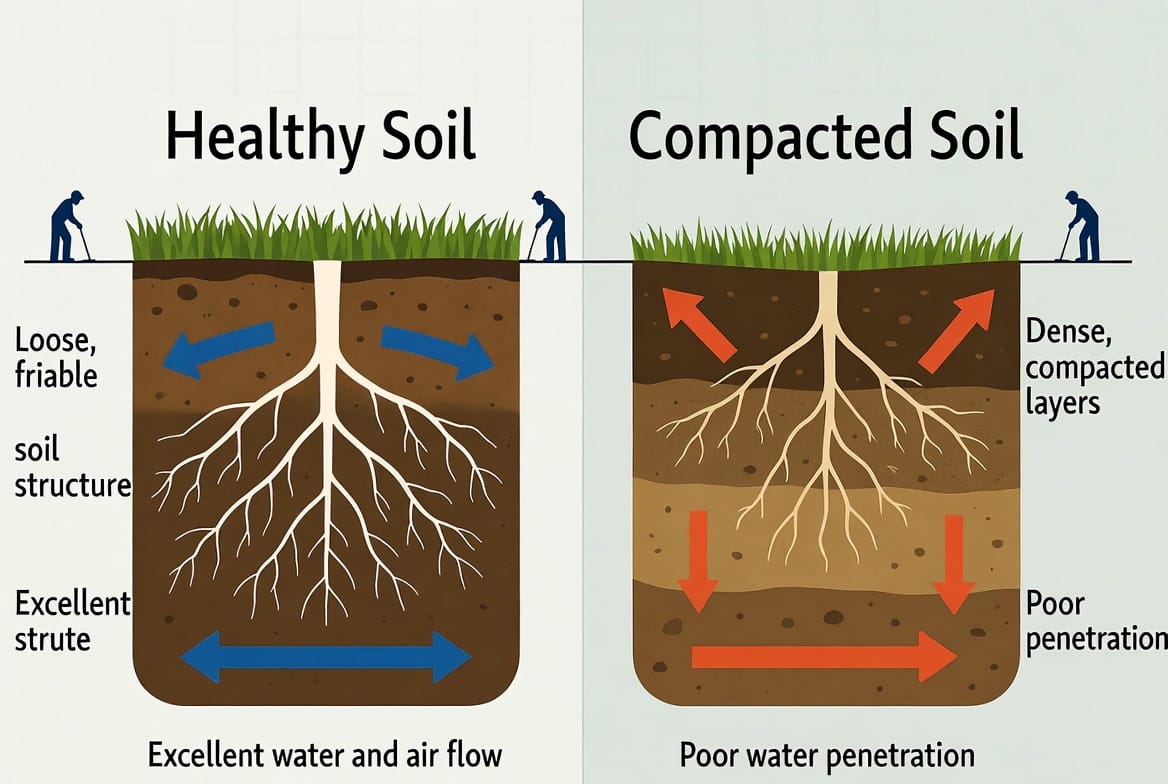
Despite the clear benefits in specific cases, rolling at the wrong time is one of the fastest ways to damage an otherwise healthy lawn. The primary danger is soil compaction—the compression of soil particles that reduces pore space for air, water, and roots.
Soil Compaction and Its Long-Term Effects
Compacted soil feels hard underfoot and drains poorly. Grass roots struggle to penetrate the dense layer, leading to shallow root systems that dry out quickly during summer heat. Over time, the lawn becomes thin, patchy, and far more susceptible to disease and weeds.
Once compaction occurs, correcting it requires costly aeration and soil amendments. Prevention is always easier than cure.
Root Damage and Turf Stress
Heavy rollers can shear delicate feeder roots, especially in established lawns. The stress triggers the grass to divert energy from growth to repair, resulting in slower green-up and increased vulnerability to insects. In severe cases, entire sections of turf may die back, leaving bare spots that take an entire season to recover.
Timing Mistakes That Can Ruin Your Lawn
Rolling wet soil is particularly destructive. Water acts as a lubricant, allowing soil particles to pack together even more tightly. Clay soils are especially prone to this issue because they retain moisture longer and compact more severely.
Established lawns with deep root systems also suffer when rolled unnecessarily. The pressure disrupts the natural soil structure that the roots have spent years creating.
Warning signs that rolling may cause harm include:
- Soil that feels spongy or leaves footprints when walked on
- Heavy clay or poorly drained areas
- Lawns that are already thick and healthy
- Any time outside the narrow windows of new sod, frost heave correction, or seedbed prep
Mastering the Proper Technique for Effective and Safe Rolling
When rolling is the right choice, technique makes all the difference. Follow these proven steps for professional results:
- Choose the correct weight. Start light—many experts recommend 200–300 pounds for most residential lawns. Add water only if the soil needs firmer pressure.
- Check soil moisture. The ground should be moist but not wet. A simple screwdriver test works well: it should slide in easily without forcing.
- Roll in two directions. One pass north-south, then one east-west ensures even pressure without creating ridges.
- Limit passes. One or two passes maximum. More is never better.
- Roll at the right time of day. Early morning when dew is still present provides ideal surface conditions.
- Clean and store properly. Rinse the roller after use to prevent rust and grass buildup.
Proper technique transforms the lawn roller from a potential threat into a reliable ally. When in doubt, however, the safest choice is to consult an experienced lawn care professional who can evaluate your specific soil and turf conditions.
Knowing When to Skip the Roller Altogether
Many homeowners assume rolling is a required spring ritual. In reality, the majority of established lawns perform best when left untouched. Healthy turf already has the soil structure it needs. Adding unnecessary weight only risks compaction and stress.
Focus instead on core practices: proper mowing height, consistent watering, balanced fertilization, and annual aeration where needed. These proven methods deliver the smooth, resilient lawn most people desire without the risks associated with rolling.
Professional Insights: Why Expert Assessment Matters
The difference between a lawn that thrives for decades and one that struggles season after season often comes down to a single informed decision about tools like the lawn roller. Professional lawn care teams bring calibrated equipment, years of local soil knowledge, and the ability to read subtle cues that homeowners might miss.
They know exactly when the ground has reached the perfect moisture level, which roller weight suits your soil type, and whether rolling is even necessary this season. Their assessment protects your investment and saves you from costly mistakes.
Roll only when necessary. For most homeowners, that means limiting rolling to new sod installation, frost-heave correction, or seedbed preparation—and only after confirming conditions are ideal.
Ready for a Lawn That Looks as Good as It Feels?
Strategic lawn rolling can be a powerful tool, but only when applied with precision and restraint. Understanding the clear boundaries between beneficial use and harmful overuse gives you the confidence to maintain a beautiful, resilient turf year after year.
If your lawn shows uneven areas, poor drainage, or you simply want expert confirmation before reaching for the roller, professional guidance is the smartest next step.
Call our lawn care specialists today for a complimentary lawn assessment. We’ll evaluate your soil, turf condition, and specific needs, then provide a customized plan that delivers the smooth, healthy lawn you deserve—without unnecessary risks.
Get a Professional Lawn Roller Evaluation Today