The Lawn Pre-Emergent: Timing and Application for Weed Prevention
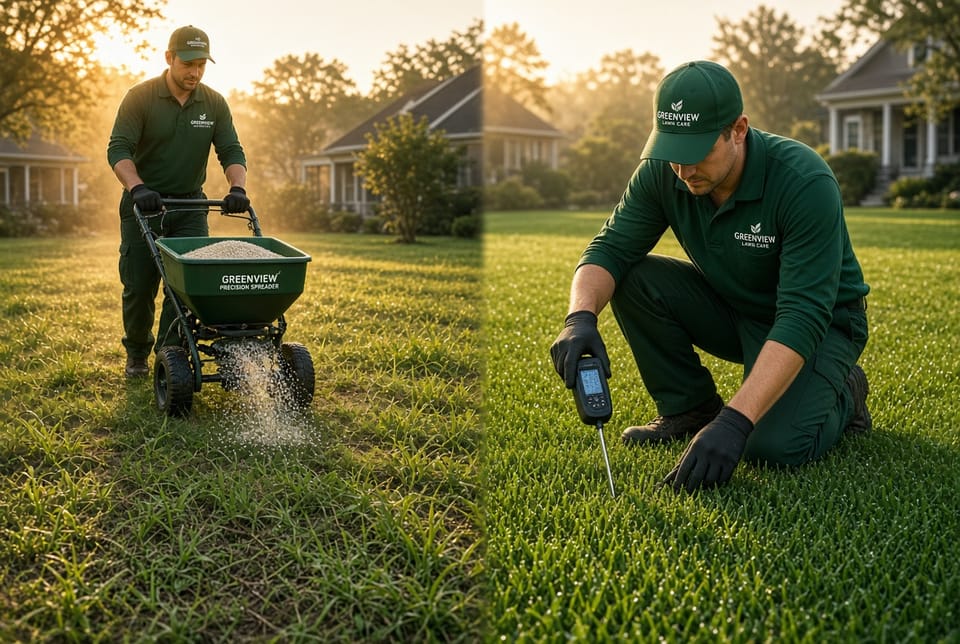
Maintaining a healthy, attractive lawn requires more than regular mowing and watering. One of the most effective seasonal practices homeowners and property managers can adopt is the strategic use of pre-emergent herbicides. This approach focuses on prevention rather than reaction, stopping unwanted plants at the earliest stage of their life cycle. When applied correctly, pre-emergent products form a protective layer in the soil that dramatically reduces the number of weeds that ever appear. The result is a denser, greener turf that needs fewer corrective treatments later in the year.
Get Expert Pre-Emergent Application Today!
Understanding how pre-emergent works, when to apply it, and the precise steps for successful application gives you control over one of the most common lawn challenges. This guide walks through every critical detail so you can protect your investment in your landscape with confidence.
What Pre-Emergent Actually Does
A pre-emergent herbicide is designed to interrupt the germination process of weed seeds. Unlike post-emergent products that target plants already growing above the soil surface, pre-emergent creates a chemical barrier in the top layer of soil. When a weed seed begins to sprout and send out its first root or shoot, it encounters this barrier and cannot continue developing. The seed essentially fails before it ever becomes a visible plant.
This mechanism is especially valuable against annual weeds such as crabgrass, foxtail, spurge, and certain broadleaf species that rely on seasonal seed germination. Because the product acts only on germinating seeds, established desirable grasses remain unharmed when the product is chosen and applied properly. The barrier remains active for several weeks to a few months, depending on the specific formulation, rainfall, and soil conditions.
The science behind the process is straightforward yet powerful. Weed seeds lie dormant in the soil until moisture and temperature conditions become favorable. Once those conditions arrive, the seed absorbs water, enzymes activate, and growth begins. A properly timed pre-emergent interrupts that sequence at the cellular level, preventing cell division and root elongation. The outcome is a lawn that stays cleaner and requires less intensive management throughout the growing season.
Homeowners often notice the difference within the first season of consistent use. Areas that previously filled with crabgrass in midsummer remain largely free of those invaders. The turf itself benefits because it faces less competition for water, nutrients, and sunlight. Over successive years, the soil seed bank gradually declines, making weed pressure lighter each season.
Why Timing Determines Success
The single most important factor in pre-emergent performance is timing. Apply too early and the product may break down before peak germination begins. Apply too late and many seeds will already have sprouted, rendering the barrier ineffective against those particular plants.
For most regions, the critical windows occur in spring and fall. In spring the target is primarily summer annual weeds. These seeds begin germinating once soil temperatures in the upper inch consistently reach approximately 55°F. The goal is to have the product in place and activated several days to two weeks before that temperature threshold is crossed. Monitoring soil temperature with a simple probe thermometer provides the most reliable signal. Air temperature alone can be misleading because soil warms more slowly.
Fall applications focus on winter annual weeds such as annual bluegrass and certain chickweeds. These species germinate as soil temperatures cool in late summer and early autumn. Applying pre-emergent before the soil drops through the same approximate 55°F range in the cooling direction prevents those seeds from establishing during the cooler months.
Local climate variations influence exact calendar dates. Southern locations may need earlier spring applications, while northern areas often wait until later. Regardless of geography, the soil temperature guideline remains the most accurate indicator. Checking the soil at the same time each morning for several consecutive days helps confirm when the threshold is approaching.
Many experienced lawn managers keep a simple log of soil temperatures and application dates. Over a few seasons this record becomes a personalized calendar that accounts for microclimates on the property, such as south-facing slopes that warm faster or shaded areas that lag behind.

Proper Application Techniques
Once the timing window opens, correct application ensures the product performs as intended. Most granular pre-emergent formulations are designed for use with a broadcast or drop spreader. Calibration of the spreader according to the product label is essential. Walking at a steady pace and overlapping passes slightly prevents both missed strips and excessive buildup in any single area.
Liquid formulations require a sprayer calibrated to deliver the recommended rate. Whether granular or liquid, the product must be watered into the soil after application. A light irrigation of approximately one-quarter to one-half inch of water moves the active ingredient from the surface into the upper soil layer where it can form the protective barrier. Without this step the material may remain on the grass blades or thatch and lose effectiveness.
Avoid applying immediately before heavy rain that could cause runoff, yet do not wait so long that the granules sit exposed on the surface for days. The ideal sequence is application followed by controlled irrigation within a day or two. After watering in, the treated area should not be disturbed by heavy traffic, aeration, or dethatching until the barrier has fully established, usually a period of several days to a week.
Product selection also matters. Some formulations are safe for use on newly seeded lawns after a waiting period, while others require established turf. Always match the product to the grass type and the specific weeds of concern. Reading and following the label directions protects both the lawn and the environment.
Benefits Beyond Weed Control
Consistent use of pre-emergent delivers advantages that extend past the simple absence of weeds. A lawn free of competition develops thicker growth, which itself becomes a natural defense against future weed invasion. Denser turf shades the soil surface, reducing the light that many weed seeds need to germinate. The reduced need for post-emergent herbicides later in the season means fewer chemicals overall and less stress on desirable plants.
Property value and curb appeal also improve. Neighbors and visitors notice a uniform green expanse rather than patches of crabgrass or other invaders. For commercial properties or managed communities, fewer service calls related to weed outbreaks translate into lower long-term maintenance costs.
Environmental stewardship improves as well. Preventing weeds reduces the total volume of herbicides applied across the season. Many modern pre-emergent products are formulated for lower use rates and reduced environmental impact when used according to directions.
Common Mistakes and How to Avoid Them
Even experienced applicators occasionally encounter setbacks. The most frequent error is missing the soil temperature window. Waiting until weeds are already visible means the opportunity for pre-emergent action has passed for those particular plants. Another common issue is uneven application that leaves untreated strips where weeds later appear in neat rows. Careful spreader calibration and overlapping passes eliminate this problem.
Failing to water the product in is another frequent oversight. Granules left on the surface can be blown away or broken down by sunlight before they ever reach the soil. Over-application in an attempt to achieve better results can injure desirable turf or create unnecessary environmental load. Sticking strictly to labeled rates produces the best outcome.
Finally, expecting complete season-long control from a single application can lead to disappointment. In high-pressure situations or extended growing seasons, a second application later in the spring or early summer may be warranted according to product guidelines. Monitoring the lawn and responding to conditions keeps results consistent.
Practical Tips for Reliable Results
Successful pre-emergent programs rest on a handful of reliable practices:
- Monitor soil temperature regularly in early spring and late summer using a soil thermometer placed at a one-inch depth.
- Apply the product before soil reaches 55°F in the warming or cooling direction.
- Calibrate spreaders or sprayers carefully and walk at a consistent speed.
- Water the product into the soil promptly after application.
- Keep records of application dates, products used, and observed results.
- Combine pre-emergent use with proper mowing height, fertilization, and irrigation to strengthen the turf itself.
- Reapply according to product residual life if the growing season is long or weed pressure is high.
These steps form a straightforward system that any homeowner or professional can follow. The process becomes easier with experience, and the visual reward of a cleaner lawn reinforces the value of the effort.

Integrating Pre-Emergent into a Complete Lawn Program
Pre-emergent works best as part of a broader cultural program. Proper fertilization supplies the nutrients turf needs to outcompete any weeds that do emerge. Mowing at the correct height for the grass species encourages dense growth that shades the soil. Adequate but not excessive irrigation keeps the lawn healthy without creating the moist conditions some weeds prefer. Occasional core aeration and overseeding further strengthen the stand.
When these practices operate together, the need for corrective herbicides declines. The lawn becomes more resilient, and the homeowner spends less time and money addressing problems that could have been prevented. Over multiple seasons the cumulative effect is a landscape that looks better with less intervention.
Seasonal Checklist for Ongoing Success
Spring preparation begins with soil temperature monitoring as soon as the ground thaws. Once the window opens, apply the first pre-emergent, water it in, and resume normal mowing and feeding. Mid-season observation helps determine whether a second application is useful. Fall brings another opportunity to address winter annuals before cooler temperatures lock in.
Keeping a simple notebook or digital log of each year’s dates, products, weather notes, and results creates a customized reference that improves accuracy over time. Local extension services or professional lawn care providers can also supply regional soil temperature trends if personal monitoring is difficult.
The Long-Term Value of Prevention
Choosing prevention through pre-emergent application represents a shift from reactive to proactive lawn care. Instead of waiting for weeds to appear and then spending time and resources removing them, the barrier stops most of them before they start. The lawn stays denser, healthier, and more attractive. The overall chemical load on the property decreases. Time once spent pulling or spraying weeds can be redirected toward enjoying the outdoor space.
Property managers and homeowners who adopt this seasonal practice consistently report higher satisfaction with their landscapes. The method is reliable, cost-effective over time, and grounded in straightforward plant science. With attention to timing, proper application technique, and integration into a complete care program, pre-emergent becomes one of the most valuable tools available for maintaining quality turf.
Prevent weeds with pre-emergent.
Protect Your Lawn This Season – Call Today!