The Lawn Mushrooms: Why They Appear and When to Worry
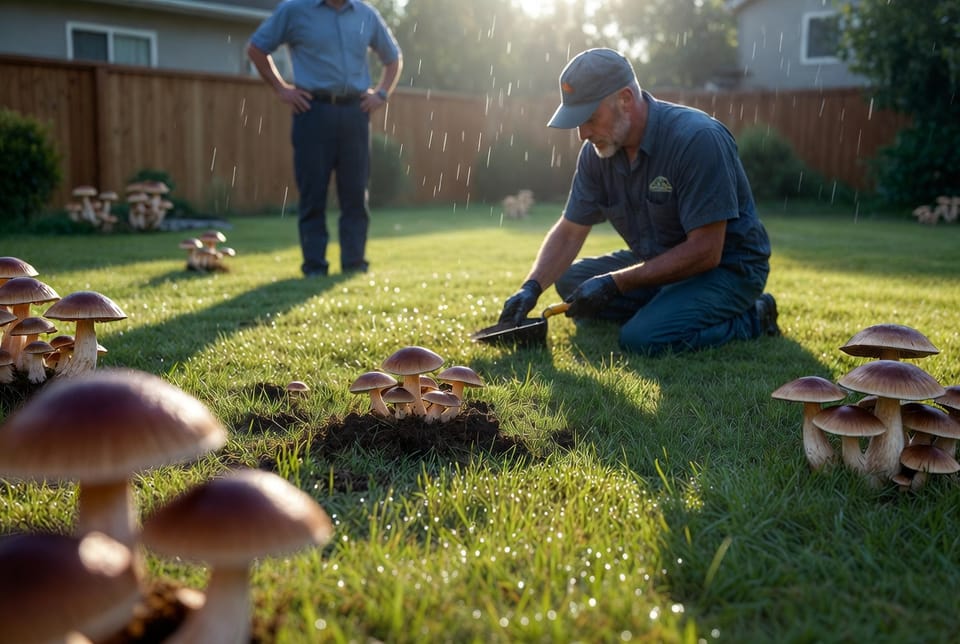
Lawn mushrooms are a common sight for homeowners who take pride in their outdoor spaces. After a good rain or during humid seasons, these curious fungi can seem to appear overnight. But do they spell trouble for your turf health? In most cases, the answer is reassuringly simple: they are a natural part of a thriving ecosystem.
Restore Your Healthy Lawn – Call for Expert Mushroom Help
This comprehensive guide explores the fascinating world of lawn mushrooms. We’ll separate harmless fungi from potential warning signs, explain their role in soil biology, and share practical insights on when professional intervention makes sense. By the end, you’ll feel confident distinguishing between benign growths and issues that deserve attention.
Whether you’re dealing with a sudden flush after summer storms or persistent patches, understanding these organisms helps protect your investment in a beautiful lawn.
Understanding the Role of Fungi in Your Lawn Ecosystem
Fungi are essential decomposers in nature. In a healthy lawn, they break down organic matter—such as buried thatch, tree roots, or decaying wood—releasing vital nutrients back into the soil. This process supports strong grass growth and improves overall soil structure.
Most lawn mushrooms are harmless. They thrive when conditions are right: consistent moisture, moderate temperatures, and plenty of organic material. Seeing them after rain is often a positive indicator of active microbial life beneath the surface.
- Decomposition in action: Mushrooms help recycle nutrients from leaves, clippings, or old roots.
- No direct harm to grass: They rarely attack living turf; they target dead material.
- Seasonal visitors: Common in spring and fall when humidity rises.
Homeowners often panic at the sight, but experts view them as part of a balanced lawn environment.
Why Mushrooms Appear: Common Triggers
Several environmental factors encourage mushroom growth. Recognizing these helps you respond appropriately without unnecessary worry.
Excess moisture is the top culprit. Lawns that stay damp longer—due to poor drainage, overwatering, or heavy rainfall—create ideal conditions for fungi. Shaded areas under trees or near structures also retain humidity.
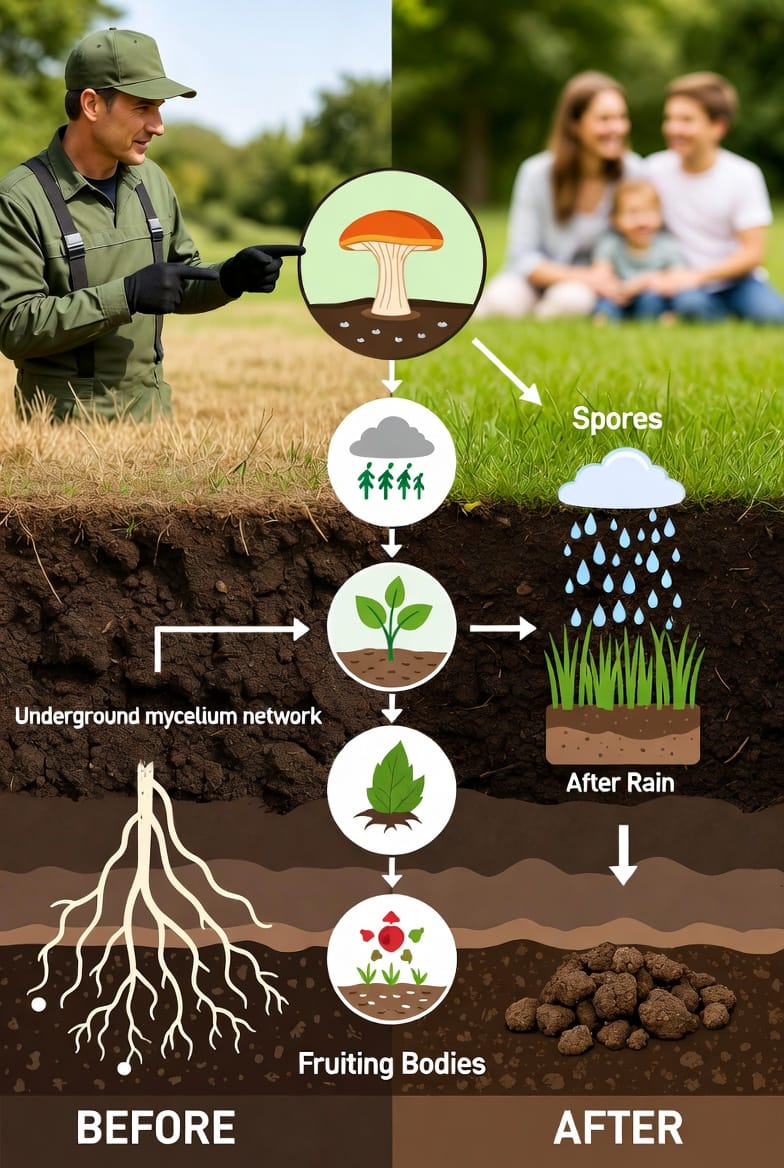
Organic matter buildup fuels growth. Thatch layers thicker than half an inch, buried stumps, or construction debris provide food sources for mycelium networks (the underground “roots” of mushrooms).
- Soil compaction: Reduces oxygen flow, favoring certain fungi.
- Temperature swings: Warm days and cool nights promote rapid fruiting.
- Nutrient imbalances: Over-fertilized or acidic soils can encourage specific types.
In most scenarios, these mushrooms are temporary and beneficial. They indicate your soil is working hard to process organic material. Removing them manually (by picking or mowing) is safe and often sufficient.
However, repeated heavy flushes may point to underlying issues worth investigating.
Harmless Mushrooms vs. Problematic Fungi
The vast majority of lawn mushrooms fall into the harmless category. Species like puffballs, ink caps, or fairy ring mushrooms (in early stages) primarily decompose matter without damaging grass.
Harmless characteristics:
- Grow in clusters or singly on soil or thatch.
- Disappear quickly after a few days.
- No yellowing or dying grass directly around them.
On the other hand, certain signs suggest deeper problems. Fairy rings—circular patterns of mushrooms or dark green grass with dead zones inside—can indicate mycelium depleting nutrients or water in rings.
Puffballs are usually benign, but large infestations combined with declining turf health warrant closer inspection.
When mushrooms signal decaying tree roots, it’s time to act. Old stumps or extensive root systems breaking down can support massive fungal networks. This may lead to subsidence or weakened soil stability over time.
Key risks to watch:
- Persistent dead patches surrounding mushroom clusters.
- Multiple fairy rings expanding yearly.
- Sudden tree decline nearby.
A reassuring truth: even problematic fungi rarely kill established lawns outright. Early intervention restores balance effectively.
Identifying Signs of Deeper Lawn Issues
Learning to read your lawn prevents small issues from growing larger. Here are practical indicators:
- Mushroom density: Isolated fruiting bodies are normal; widespread carpets may suggest heavy thatch.
- Grass response: Healthy green grass around mushrooms is a good sign. Wilting or thinning points to competition for resources.
- Soil test clues: High organic content with low pH often correlates with fungal activity.
Fairy rings deserve special attention. They form as mycelium radiates outward, creating zones where grass either thrives (from released nutrients) or dies (from water-repellent soil).
Puffballs and other types release spores that can seem alarming but pose little threat to humans or pets when not disturbed excessively.
For homeowners, the goal is maintaining proactive lawn care. Regular mowing, proper watering, and aeration go a long way toward minimizing unwanted fungal displays.
Prevention Strategies for a Mushroom-Free Lawn
Prevention focuses on creating conditions less favorable to excessive fungal growth while supporting overall turf vitality.
- Improve drainage: Aerate compacted soil annually to allow better water penetration and oxygen flow.
- Manage thatch: Dethatch or use biological treatments to keep layers thin.
- Balanced watering: Deep, infrequent sessions encourage strong roots over surface moisture.
- Tree and stump care: Remove old wood debris that fuels decay fungi.
- Soil amendments: Test and adjust pH and nutrients for optimal grass dominance.
Organic matter management is key. Composting clippings on-site is great, but avoid letting heavy buildup occur in shaded spots.
These steps not only reduce mushrooms but promote a resilient, beautiful lawn year-round. Homeowners who follow consistent practices report fewer surprises and more enjoyment from their yards.
When to Call Professional Lawn Care Experts
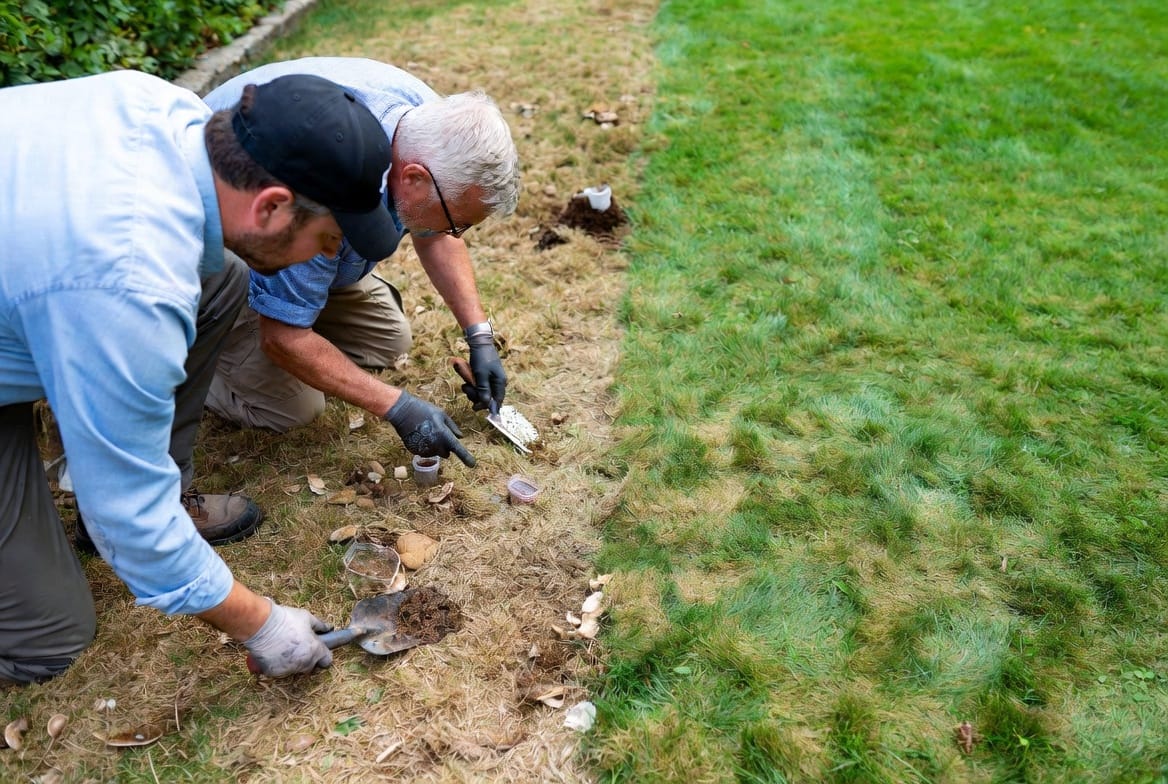
While most mushrooms are benign, recurring or severe cases benefit from expert assessment. Professionals can:
- Conduct soil analysis to pinpoint imbalances.
- Apply targeted treatments for fairy rings or heavy infestations.
- Recommend long-term cultural practices tailored to your property.
- Address hidden issues like decaying roots before they cause structural problems.
Mushrooms usually mean healthy soil. They reflect active biology working in your favor. For concerns about persistent fairy rings, puffballs, dead patches, or potential tree root decay, don’t hesitate to seek help. Early action saves time, money, and stress.
Call the trusted team at (855) 321-3316 today. Our lawn care specialists deliver customized solutions that restore confidence in your outdoor space.
Advanced Topics: Mushroom Biology and Long-Term Lawn Health
Delving deeper, the mycelium network is an underground marvel. It can span large areas, connecting different parts of your yard in symbiotic or saprophytic relationships. Understanding this helps appreciate why complete eradication isn’t necessary or desirable.
Different species prefer specific conditions. Some favor acidic soils rich in lignin from woody debris, while others thrive on nitrogen-rich thatch. Identifying common local types empowers better management.
Seasonal patterns matter too. Spring flushes follow winter moisture accumulation, while fall brings cooler nights ideal for fruiting. Monitoring weather and adjusting care routines accordingly minimizes disruptions.
For larger properties or those with mature trees, integrated pest and disease management becomes valuable. This holistic approach balances ecology with aesthetics.
Real-World Homeowner Experiences and Best Practices
Many homeowners initially worry about mushrooms signaling lawn failure. Yet, upon learning the science, they embrace them as indicators of progress—especially after implementing better soil practices.
Bullet-point best practices:
- Mow at the proper height to shade soil and reduce moisture retention.
- Avoid over-fertilizing, which can boost thatch.
- Use slow-release organic fertilizers to feed soil life gradually.
- Introduce beneficial microbes through topdressing or compost tea.
- Monitor shaded areas closely and consider tree pruning for better airflow.
These techniques transform potential problems into opportunities for stronger, greener lawns.
Expanding further, consider the broader environmental benefits. Healthy fungal activity supports biodiversity, aids carbon sequestration, and enhances water filtration in your soil. Far from being enemies, these organisms contribute to sustainable landscaping.
In regions with clay-heavy soils or high rainfall—like many suburban neighborhoods—mushrooms are expected seasonal guests. Embracing this reality with informed management leads to superior results.
Conclusion: Embrace Healthy Soil Indicators
Lawn mushrooms are rarely cause for alarm. They typically represent natural decomposition at work, turning waste into nourishment for your grass. By distinguishing harmless varieties from occasional warning signs like expanding fairy rings or associated dead patches, you stay ahead of any deeper issues such as decaying tree roots.
With proper cultural practices, proactive monitoring, and professional support when needed, your lawn can thrive despite occasional fungal visitors. Remember: mushrooms usually mean healthy soil activity.
For personalized advice or expert lawn restoration services, reach out to our team. Let us help you achieve the lush, worry-free lawn you deserve.
This knowledge empowers you to enjoy your yard fully, confident in your ability to maintain its beauty and health for years to come.
Stop Fairy Rings & Dead Patches – Call Now for Pro Care