The Lawn Mowing Height: Seasonal Adjustments for Grass Types
Maintaining a vibrant, resilient lawn begins with one fundamental practice that many homeowners overlook: setting the correct mowing height. When you mow at the right level for the season and your specific grass type, you strengthen root systems, reduce stress, and create a thicker turf that naturally crowds out weeds. This comprehensive guide explains proper mowing practices in clear, actionable detail and walks you through seasonal height adjustments—lower in spring, higher in summer for shade and drought protection, and lower again for the final fall cut—while providing exact ranges for both cool-season and warm-season grasses.
Get the Perfect Mowing Height Today – Call Now!
Why Mowing Height Matters More Than You Think
Every time the mower blade passes over your lawn, it creates a wound on each grass plant. Cutting too short removes too much leaf surface, limiting the plant’s ability to photosynthesize and store energy. Cutting too high can leave the canopy dense and humid, inviting disease. The ideal mowing height strikes a precise balance that supports healthy growth while protecting the plant from environmental pressures.
Proper height also influences water use, fertilizer efficiency, and overall lawn density. A taller canopy in summer shades the soil, keeps roots cooler, and slows evaporation. In cooler months a slightly lower cut encourages lateral spreading and prepares the lawn for winter. When these principles are followed consistently, the result is a lawn that looks professionally maintained and requires fewer corrective treatments over time.
Understanding Cool-Season and Warm-Season Grasses
Grass species fall into two primary categories based on their peak growing temperatures. Recognizing which type grows in your yard is the first step toward accurate height selection.
- Cool-season grasses thrive in temperatures between 60°F and 75°F. Common varieties include Kentucky bluegrass, perennial ryegrass, and tall fescue. These grasses grow most vigorously in spring and fall and often go semi-dormant during hot summer months.
- Warm-season grasses prefer temperatures between 80°F and 95°F. Popular choices are Bermuda grass, zoysia, St. Augustine, and centipede. They green up later in spring, peak in summer, and slow dramatically as temperatures drop in fall.
Because their growth cycles differ, the recommended mowing heights for each group also differ. Cool-season grasses generally prefer a taller cut, while warm-season grasses tolerate and often prefer a shorter canopy.
Spring Mowing: Lower Heights to Kick-Start Growth
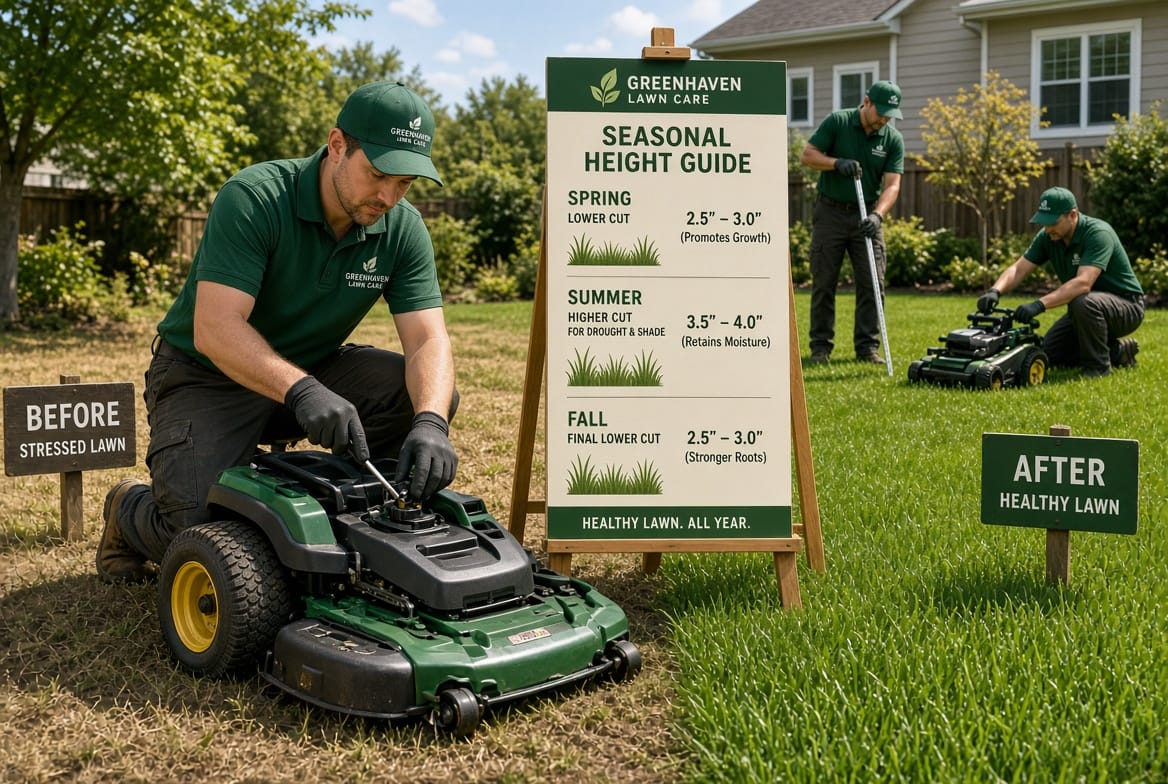
As soil temperatures rise and grass begins active growth, spring is the season for a slightly lower cut. Lowering the deck removes brown winter tips, stimulates new tillers, and allows sunlight to reach the base of the plant. This encourages denser growth and helps the lawn recover from any thinning that occurred over winter.
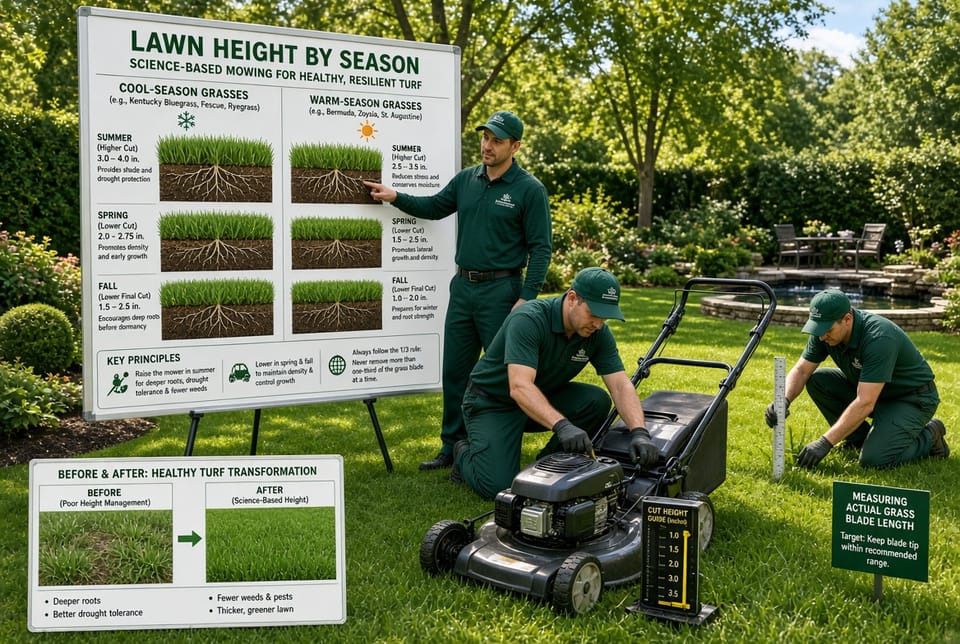
For cool-season grasses, set the mower to approximately 2.5 to 3 inches at the start of the season. This range removes winter debris without scalping the crown. Once the lawn is actively growing, gradually raise the height toward the upper end of the recommended range.
For warm-season grasses, begin around 1 to 1.5 inches. The lower setting cleans up any residual thatch and promotes rapid lateral spread as temperatures warm. Monitor the lawn closely; if the grass shows signs of stress, raise the height by half an inch.
Always follow the one-third rule: never remove more than one-third of the total leaf blade in a single mowing. If the grass has grown taller than expected after a rainy period, raise the deck temporarily and make two passes a few days apart rather than cutting too aggressively.
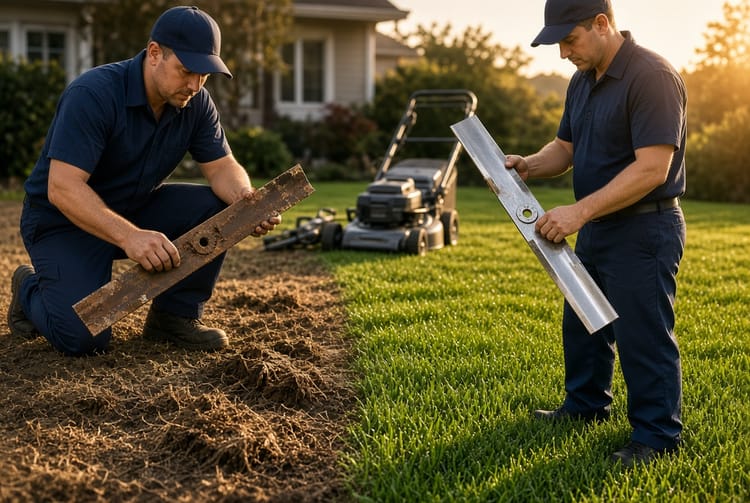
Sharp blades are essential in spring. Dull blades tear rather than cut, leaving ragged edges that turn brown and invite disease. Schedule a professional blade sharpening before the first mowing of the season to ensure clean cuts that heal quickly.
Summer Mowing: Higher Heights for Shade and Drought Protection
Summer brings heat, intense sunlight, and often limited rainfall. Raising the mowing height during these months is one of the most effective ways to protect the lawn. Taller grass blades provide natural shade to the soil surface, reduce evaporation, and encourage deeper root growth that helps the plant access moisture held lower in the soil profile.
For cool-season grasses, maintain a height of 3 to 4 inches throughout summer. The extra leaf surface increases photosynthetic capacity during periods when growth slows, and the taller canopy buffers the crowns against extreme temperatures.
For warm-season grasses, set the mower between 1.5 and 3 inches, leaning toward the higher end during prolonged dry spells. Bermuda grass, for example, performs well at 1.5 to 2 inches under normal conditions but benefits from an extra half-inch when heat indexes climb.
Higher summer heights also improve drought tolerance. Research consistently shows that lawns mowed at the upper recommended range require less supplemental irrigation because the soil remains cooler and moisture loss is reduced. In addition, the denser canopy suppresses weed germination by limiting light that reaches the soil surface.
Avoid mowing during the hottest part of the day. Early morning or late afternoon sessions reduce stress on both the grass and the equipment operator. If the lawn is under drought stress, skip a scheduled mowing rather than cutting dry, brittle blades that will not recover easily.
Fall Mowing: Lower Heights for the Final Cut
As temperatures cool and growth rates decline, gradually lower the mowing height again. The goal of the final fall cuts is to remove excess leaf tissue that could mat down under snow or heavy frost, while still leaving enough blade length to protect the crown through winter.
For cool-season grasses, reduce height to 2.5 to 3 inches for the last two or three mowings. This range prevents the lawn from becoming overly long and reduces the risk of snow mold in regions that experience prolonged snow cover.
For warm-season grasses, lower the deck to 1 to 1.5 inches before the first hard frost. The shorter cut allows sunlight to warm the soil slightly longer into the season and minimizes the amount of dead tissue that remains on the surface over winter.
Continue following the one-third rule even as growth slows. If the lawn has been left longer during late summer, make intermediate cuts rather than dropping the height dramatically in one pass. Collect clippings during the final mowings if they are heavy; leaving thick layers of clippings on a cooling lawn can smother the grass and create ideal conditions for fungal issues.
Fall is also an excellent time to aerate and overseed cool-season lawns. Proper mowing height after these cultural practices ensures young seedlings receive adequate light while established plants remain protected.
Specific Height Guidelines at a Glance
Consistent application of the correct ranges produces the best long-term results. Keep these targets in mind throughout the year:
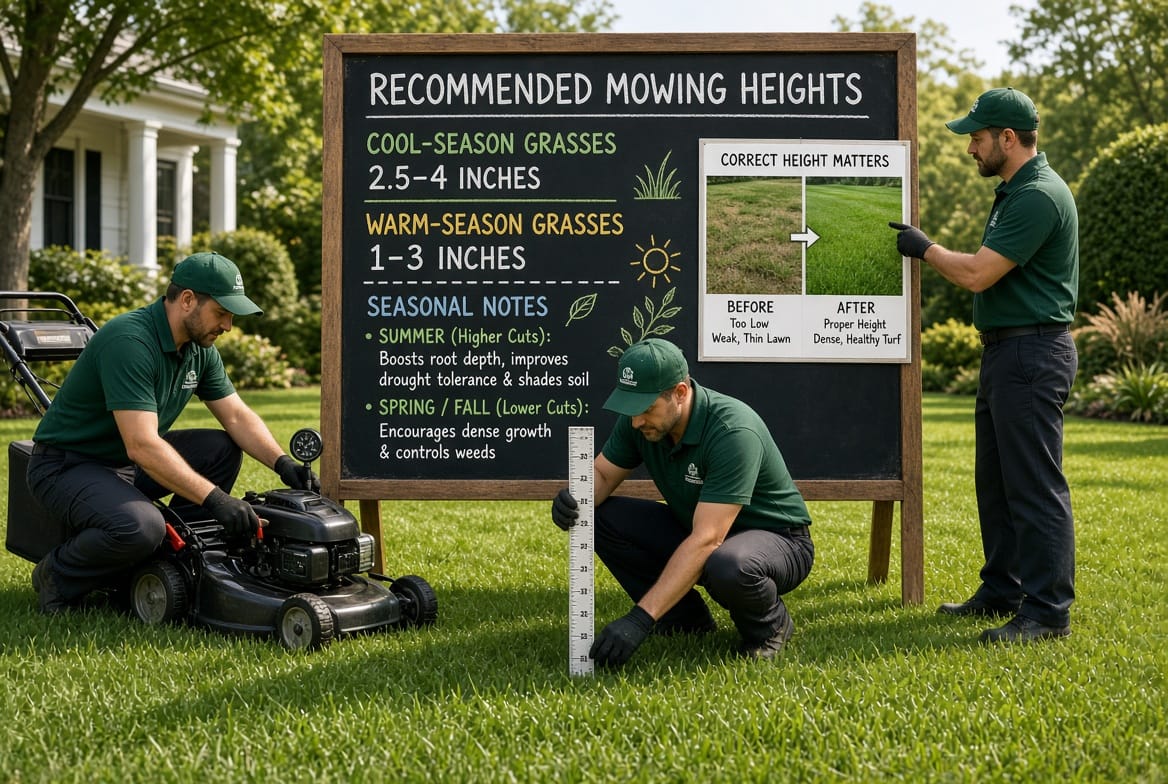
- Cool-season grasses: 2.5–4 inches overall; lower end in spring and fall, upper end in summer.
- Warm-season grasses: 1–3 inches overall; lower end in spring and fall, upper end in summer for maximum drought resistance.
These ranges are starting points. Microclimates, soil type, and local weather patterns may require minor adjustments. Observe how your lawn responds and fine-tune accordingly. A healthy lawn will show deep green color, firm recovery after foot traffic, and minimal weed pressure when heights are managed correctly.
Essential Proper Mowing Practices Beyond Height
Height is only one element of professional-quality mowing. Several complementary practices ensure every cut contributes to lawn health rather than stress.
Mow frequently enough so that you never remove more than one-third of the blade. In peak growing seasons this may mean mowing every five to seven days. During slower periods the interval can stretch to ten or twelve days.
Vary your mowing pattern each time you cut. Alternating directions prevents soil compaction in the same wheel tracks and encourages upright growth rather than leaning in one direction.
Keep the mower deck clean. Grass buildup under the deck creates uneven cuts and can spread disease. Rinse the underside after every few mowings, especially when the lawn is wet.
Leave clippings when possible. Grass clippings return valuable nitrogen and organic matter to the soil. Only bag them when they are excessively long or when disease is present.
Water deeply and infrequently. Proper height supports deep roots, so irrigation should encourage those roots to grow downward. Light, frequent watering produces shallow roots that struggle during dry spells.
When these practices are combined with precise seasonal height adjustments, the lawn develops a natural resilience that reduces the need for chemical interventions and creates a more sustainable landscape.
Common Mistakes and How to Avoid Them
Even experienced homeowners occasionally make height-related errors. Scalping—cutting far too short—is the most damaging. It exposes the crown to sunscald, weakens the plant, and opens the door to crabgrass and other opportunistic weeds. Always raise the deck if you are unsure, then lower it gradually over successive mowings.
Another frequent error is failing to adjust for seasonal change. Leaving the mower at a single setting year-round forces the grass to operate outside its optimal range for months at a time. Mark the preferred heights for each season on the mower itself or keep a simple chart in the garage so adjustments become automatic.
Dull blades create a third common problem. Torn leaf tips lose moisture rapidly and develop a grayish cast that makes the entire lawn look unhealthy. Sharpen or replace blades at least twice per season, more often if you mow sandy or dusty areas.
Finally, mowing wet grass leads to clumping, uneven cuts, and potential disease spread. Wait until the leaf surface is dry before starting the mower. If rain is unavoidable, raise the height slightly and make a second pass later to clean up any missed spots.
Long-Term Benefits of Consistent Height Management
When mowing height is managed according to season and grass type, the cumulative benefits compound year after year. Roots grow deeper, reducing irrigation needs by as much as 30 percent in many climates. The denser turf canopy shades the soil, suppressing weed seeds and lowering soil temperatures during heat waves. Disease pressure decreases because the plants remain vigorous and better able to resist fungal pathogens.
A properly mowed lawn also requires less fertilizer. Healthier plants use nutrients more efficiently, and the returned clippings recycle a portion of the nitrogen already present. Over time the soil structure improves through increased organic matter, further enhancing water-holding capacity and microbial activity.
From a practical standpoint, consistent height management reduces the frequency of corrective services such as dethatching, heavy overseeding, or intensive weed control. The lawn simply stays healthier with less intervention, saving both time and expense.
Homeowners who adopt these practices often notice that their lawn becomes the envy of the neighborhood—not through expensive products, but through disciplined attention to a single controllable variable: the height of the cut.
Putting It All Together: A Seasonal Action Plan
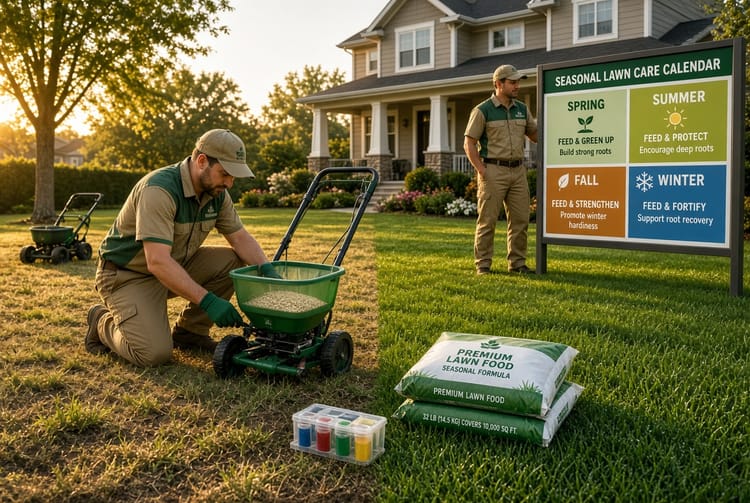
Create a simple calendar that lists the target height for each month based on your grass type. In early spring, set the lower range and perform the first cleaning cut. Transition gradually upward as temperatures rise. Maintain the higher summer setting through the hottest months, then begin the stepwise reduction in early fall so the final cuts are at the lower end of the recommended range.
Inspect the lawn weekly during the growing season. Look for signs of stress—thinning, discoloration, or slow recovery after mowing—and adjust height or frequency as needed. Keep a log of weather conditions and mower settings; patterns will emerge that allow even more precise fine-tuning in future years.
If you manage multiple lawn areas with different grass types or microclimates, treat each zone independently. A shaded north-facing slope may need a slightly higher cut than a full-sun south-facing area, even within the same property.
Professional lawn care teams use calibrated measuring tools and maintain detailed service records to ensure every visit follows the correct seasonal protocol. Homeowners can achieve similar results by investing a few minutes before each mowing session to confirm the deck height and blade condition.
Conclusion and Call to Action
Mastering the lawn mowing height and making thoughtful seasonal adjustments for grass types transforms ordinary turf into a resilient, attractive landscape. By lowering the cut in spring to encourage new growth, raising it in summer for shade and drought protection, and lowering it again in fall for a clean winter preparation—and by matching those settings to the specific needs of cool-season or warm-season grasses—you give every plant the best possible chance to thrive.
Proper mowing practices, sharp blades, adherence to the one-third rule, and attention to soil moisture complete the picture. The result is a lawn that looks better, uses fewer resources, and requires less corrective work over time.
Mow at the right height for your lawn. For expert seasonal mowing, precise height adjustments tailored to your grass type, and complete professional lawn care. Experienced technicians stand ready to evaluate your property, set the correct heights, and deliver the healthy, beautiful results you deserve.
Protect Your Grass with Proper Height – Call Today!