The Lawn Fungicide Application: When and How to Apply
A healthy, vibrant lawn is one of the most rewarding features of any property. Yet fungal diseases can quietly undermine that beauty, leaving brown patches, thinning turf, and unsightly discoloration that frustrate homeowners. Chemical control through proper lawn fungicide application remains one of the most reliable ways to stop these problems before they spread. When applied correctly, fungicides protect your grass, restore color, and prevent recurring damage. This guide explains exactly when to apply fungicide, the differences between contact and systemic types, and the precise techniques that deliver lasting results.
Protect Your Lawn from Fungus – Call Now!
Understanding the process removes uncertainty and builds confidence. You do not need to become a plant pathologist. You simply need clear timing, the right product choice, and careful technique. Follow these steps and your lawn can recover quickly while staying resilient against future pressure.
Recognizing the Need for Chemical Control
Fungal pathogens thrive in warm, humid conditions and attack grass blades, crowns, or roots. Common issues include brown patch, dollar spot, powdery mildew, and rust. These diseases weaken turf, reduce density, and create entry points for weeds or insects. Cultural practices such as proper mowing, watering, and aeration help, yet they are not always enough when weather favors rapid fungal growth.
Chemical control steps in as a targeted solution. Fungicides interrupt the life cycle of the pathogen, either by forming a protective barrier or by moving inside the plant to stop infection from within. The goal is never to eliminate every microbe in the soil. Healthy soil contains beneficial organisms. Instead, the aim is to reduce the harmful fungal population to levels the grass can tolerate and outgrow.
Early intervention keeps the problem small. Waiting until large areas turn brown forces heavier applications and longer recovery times. A well-timed fungicide application protects both the appearance and the long-term health of your turf.
When to Apply Fungicide: Early Signs and Preventive Timing
Timing determines success more than almost any other factor. Apply too late and the disease has already damaged significant portions of the lawn. Apply too early without need and you may waste product. The ideal window balances observation with proactive protection.
Spotting Early Disease Signs
Walk your lawn regularly, especially during periods of high humidity or overnight temperatures between 60°F and 85°F. Look for these early disease signs:
- Small circular or irregular patches of yellowing or browning grass
- Thinning turf that feels soft or slimy when wet
- White, gray, or pinkish fungal growth visible in the morning dew
- Grass blades that pull out easily at the crown
- Distinct patterns such as “smoke rings” or dollar-sized spots
When you notice any of these indicators, treat promptly. Early-stage infections respond quickly to fungicide and require lower rates. Delaying allows the pathogen to produce more spores and expand rapidly across neighboring areas.
Preventive Timing Strategies
Many homeowners prefer a preventive approach during high-risk seasons. In most regions, late spring through early fall creates ideal conditions for fungal activity. Apply a preventive fungicide just before the historical peak of disease pressure in your area. For example, if brown patch typically appears in mid-July, a protective application in late June can stop the pathogen before symptoms develop.
Preventive applications work best when combined with good cultural practices. Keep grass at the recommended height for your species, water deeply but infrequently in the early morning, and avoid heavy nitrogen fertilization during humid stretches. These steps reduce the need for repeated chemical treatments and support stronger natural resistance.
Weather also influences timing. Apply when rain is not expected for at least 24 hours so the product can dry and adhere. Avoid applications during extreme heat that might stress the turf further. Consistent monitoring plus smart scheduling keeps your lawn ahead of fungal threats.
Understanding Fungicide Types: Contact Versus Systemic
Not all fungicides work the same way. Choosing the correct type matches the product to the disease stage and your goals. The two primary categories are contact fungicides and systemic fungicides.
Contact Fungicides
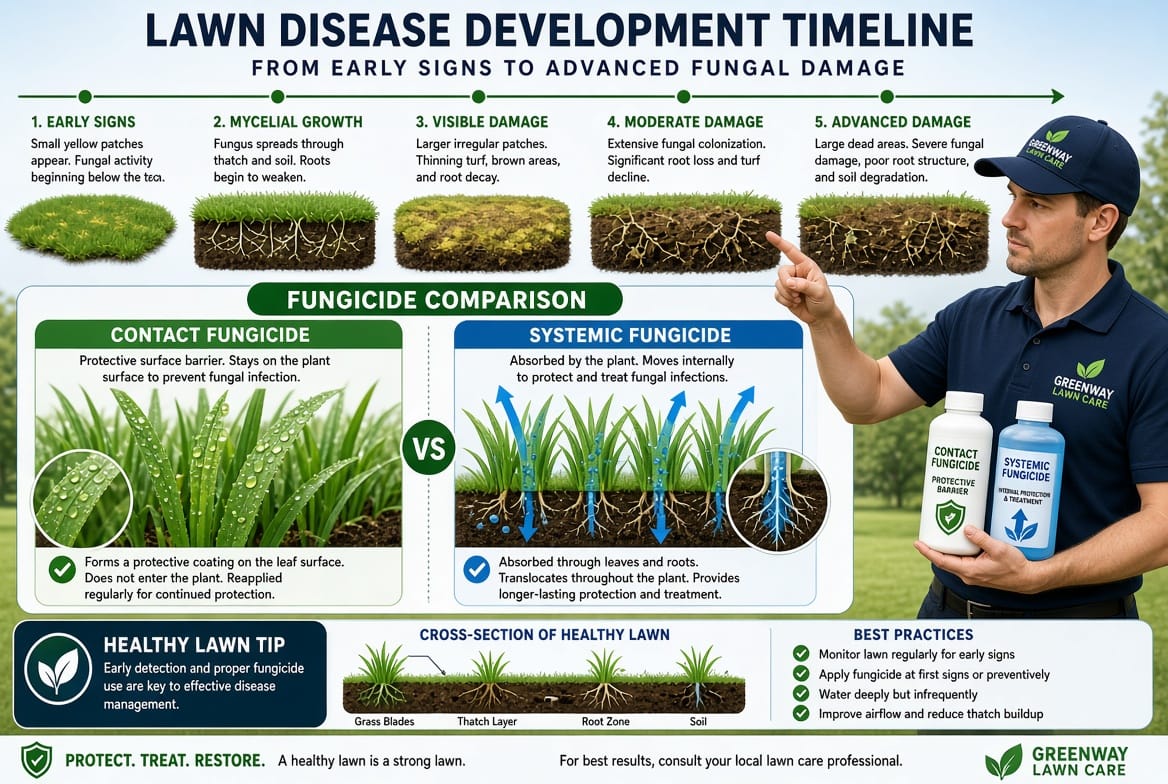
Contact fungicides remain on the surface of the grass blades and thatch. They form a protective shield that prevents spores from germinating and infecting the plant. These products excel at preventive applications and early surface infections. Because they stay outside the plant, they must be reapplied after mowing, heavy rain, or irrigation that washes them away. Coverage must be thorough; any untreated leaf surface remains vulnerable.
Contact products generally offer faster initial protection and are often less expensive. They suit situations where disease pressure is moderate and you can maintain a regular spray schedule. Always follow the label for reapplication intervals, typically every 7 to 14 days during active disease periods.
Systemic Fungicides
Systemic fungicides are absorbed by the plant and move through its tissues. Some travel upward from the roots or crowns; others move both upward and downward. Once inside, they stop existing infections and provide longer residual protection, often lasting three to four weeks. Systemic products are especially valuable when disease has already begun or when weather patterns make frequent applications difficult.
Because they work from within, systemic fungicides can reach pathogens that have penetrated the plant. They also tolerate light rain better after absorption. However, they usually cost more and require careful rate calculation to avoid stressing the turf. Rotating active ingredients prevents resistance development in the fungal population.
Many modern formulations combine both contact and systemic activity for comprehensive protection. Reading the product label carefully ensures you select the right chemistry for the specific disease and current conditions.
Proper Application Technique for Maximum Effectiveness
Even the best fungicide fails if applied incorrectly. Technique determines coverage, safety, and results. Follow these proven steps for professional-quality outcomes.
Preparation and Equipment
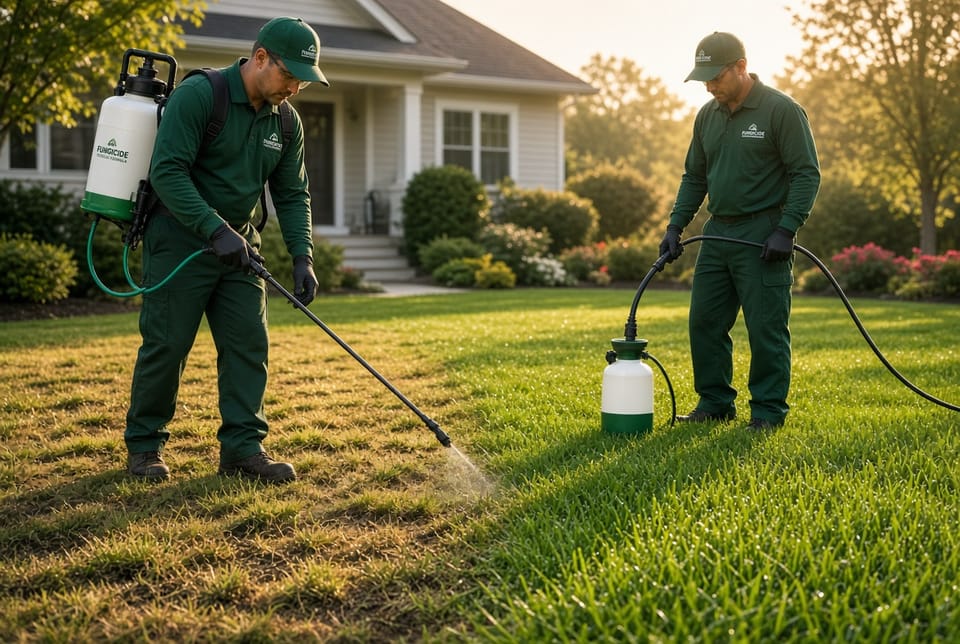
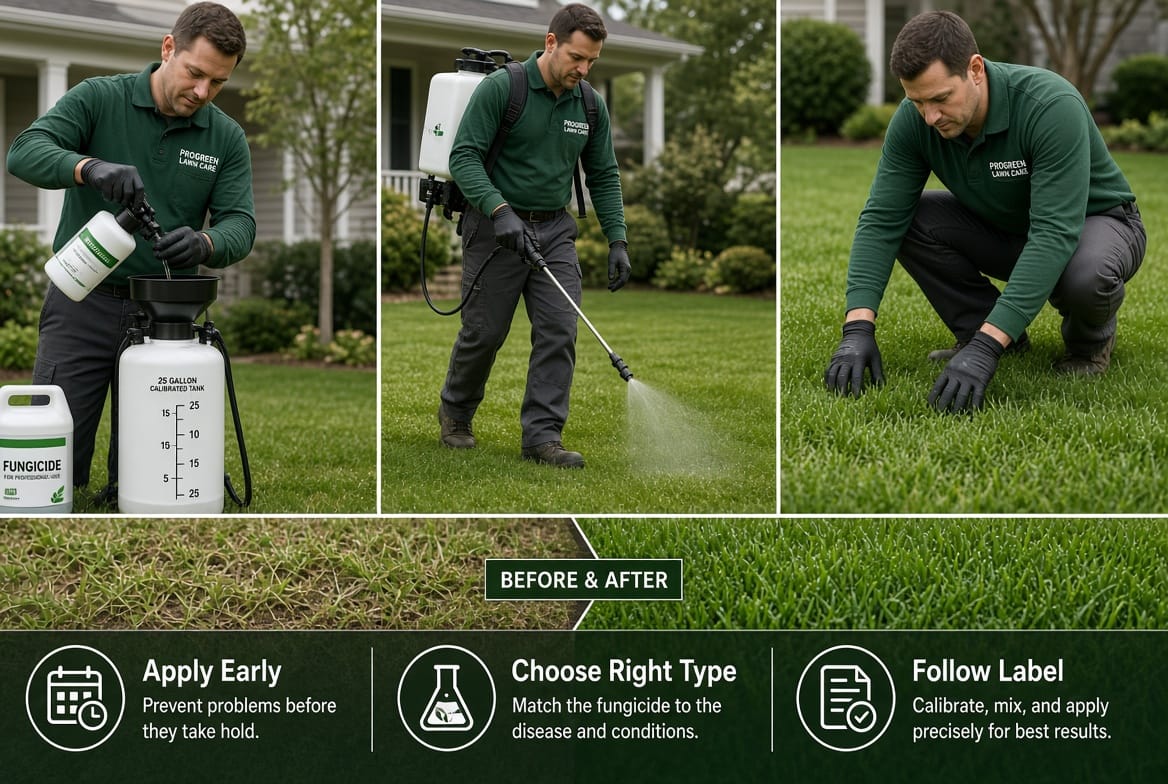
Begin with accurate measurement. Calculate the square footage of the treatment area so you mix the precise rate listed on the label. Over-application wastes product and risks turf injury; under-application leaves gaps that disease can exploit. Use a calibrated sprayer—backpack, hose-end, or tank model—that delivers even droplet size. Clean equipment thoroughly before and after use to prevent residue contamination.
Wear appropriate protective clothing: long sleeves, gloves, eye protection, and closed-toe shoes. Keep children and pets off the treated area until the product has dried completely, usually two to four hours.
Mixing and Application Steps
Fill the sprayer with the required volume of water first, then add the fungicide according to label directions. Agitate continuously to keep the mixture uniform. Apply during calm weather to minimize drift. Walk at a steady pace in overlapping passes so every blade receives coverage without runoff. For large lawns, divide the area into manageable sections and complete one before moving to the next.
Pay special attention to edges, shaded zones, and areas with previous disease history. These spots often need slightly more thorough coverage. After application, clean the sprayer immediately and store remaining product safely.
Post-Application Care
Allow the fungicide to dry fully before mowing or irrigating. Resume normal watering schedules after 24 hours unless the label specifies otherwise. Continue monitoring the lawn for the next two weeks. Improvement often appears within seven to ten days as the grass begins recovering and new growth fills in damaged areas.
Record the product used, rate, and date. This information helps plan future rotations and tracks what works best on your specific turf type and soil conditions.
Avoiding Common Mistakes and Managing Risks
Even careful homeowners sometimes encounter setbacks. The most frequent errors include applying during the wrong weather window, using an incorrect rate, or selecting a product not labeled for the target disease. Always match the fungicide to the specific pathogen. Broad-spectrum products cover many issues, yet targeted chemistries often deliver better results with less environmental impact.
Key risks include potential resistance if the same active ingredient is used repeatedly, temporary discoloration if rates are exceeded, and reduced efficacy if rain washes the product away too soon. Mitigate these by rotating chemical classes, sticking strictly to label rates, and checking the forecast. When in doubt, consult a professional service that maintains current knowledge of local disease patterns and resistance management strategies.
Environmental responsibility matters. Choose products with favorable toxicological profiles when options exist, and never dispose of leftover mixture down drains or into waterways. Proper handling protects both your family and the surrounding ecosystem.
Supporting Cultural Practices That Enhance Fungicide Results
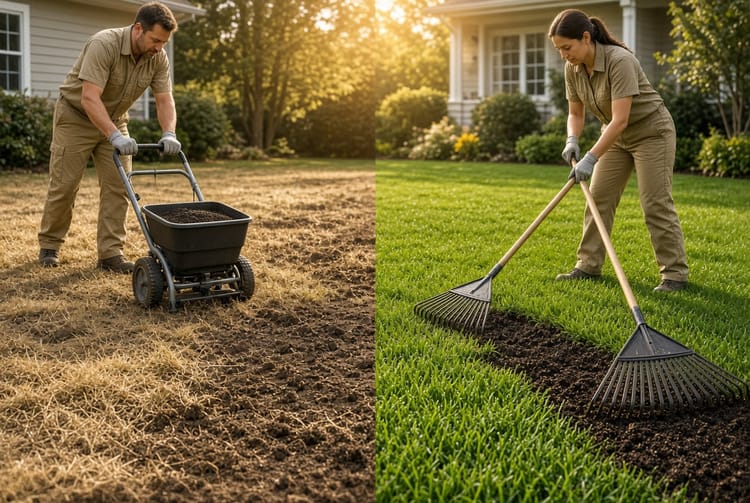
Chemical control works best as part of an integrated program. Maintain a consistent mowing height appropriate for your grass species—usually between 2.5 and 3.5 inches for cool-season turf and slightly higher for warm-season varieties. Remove no more than one-third of the blade at any single mowing. Core aeration once or twice a year relieves compaction and improves water and nutrient movement. Overseeding thin areas in the proper season rebuilds density and crowds out disease-prone spots.
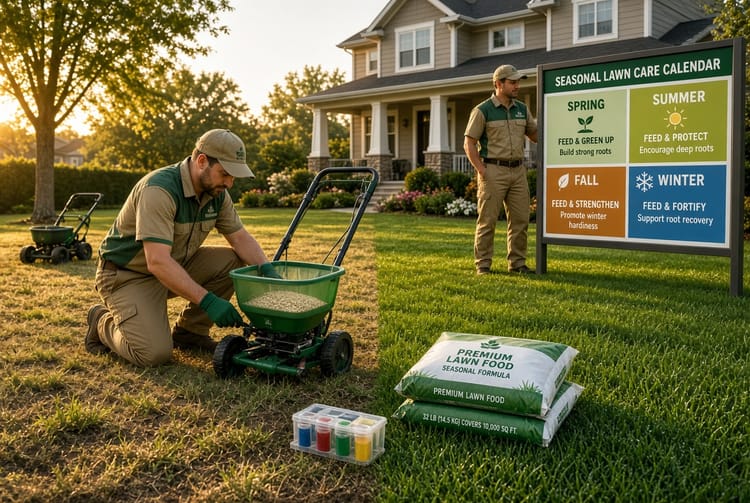
Water management remains critical. Deep, infrequent irrigation encourages deeper roots that better withstand stress. Avoid evening watering that leaves foliage wet overnight—the perfect environment for fungal growth. Balanced fertility supplies the nutrients grass needs without promoting soft, disease-susceptible tissue. Soil testing every few years guides exact fertilizer needs and pH adjustments.
These cultural steps reduce disease pressure overall, meaning fewer fungicide applications and a more resilient lawn year after year.
Long-Term Lawn Health Through Smart Fungicide Use
Consistent, informed use of fungicides transforms reactive crisis management into proactive protection. Homeowners who master timing, product selection, and application technique enjoy denser, greener turf that stands up to seasonal challenges. The process builds knowledge with every season. Over time you learn the specific disease patterns on your property and refine your approach for even better efficiency.
Professional services offer an additional layer of expertise when disease pressure is severe or when time is limited. Trained technicians carry commercial-grade equipment, access to advanced chemistries, and experience diagnosing complex or mixed infections. They also stay current on regulatory changes and best-management practices that keep treatments both effective and environmentally sound.
Whether you handle applications yourself or partner with specialists, the principles remain the same: act at the first signs of trouble or ahead of high-risk periods, choose the appropriate contact or systemic product, and apply with precision and care. Your lawn responds with renewed vigor, color, and density that enhance curb appeal and outdoor enjoyment.
Fungal diseases do not have to dictate the appearance of your property. With the right knowledge and timely action, chemical control restores and protects the healthy turf you value. Start observing your lawn today, prepare the proper materials, and follow the techniques outlined here. The difference between a struggling, patchy surface and a lush, uniform carpet often comes down to one well-executed fungicide application performed at the correct moment.
Call Today for Expert Fungus Control