The Groundhog Garden Damage: Protecting Vegetables and Flowers
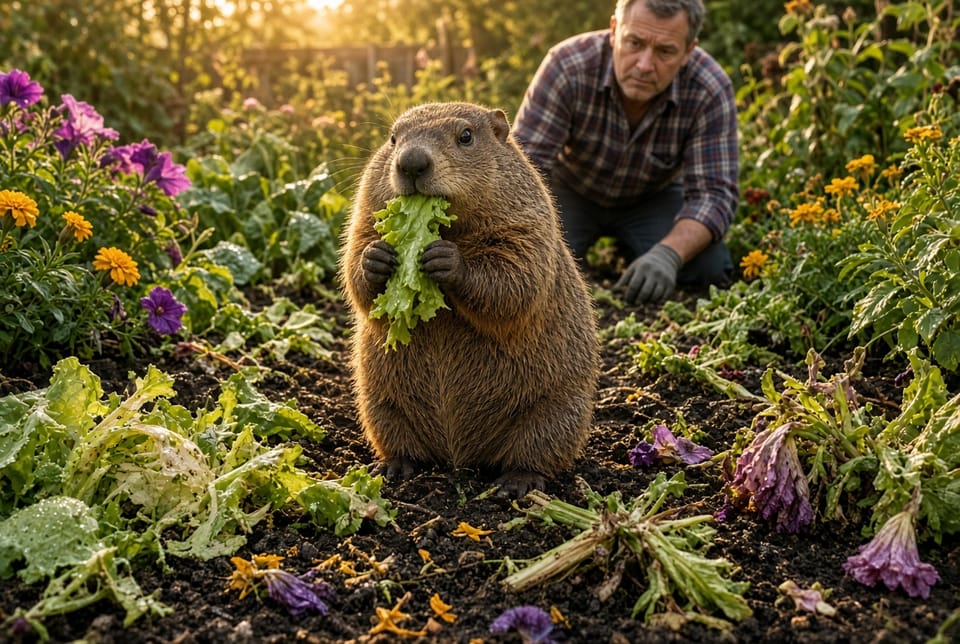
Gardeners invest time, effort, and resources into creating thriving plots of vegetables and ornamental flowers. Few threats undermine that investment as quickly or as thoroughly as groundhog garden damage. These persistent mammals, also known as woodchucks, can transform a carefully tended space into a patch of stubble in a matter of days. Understanding their habits, recognizing early warning signs, and applying proven humane deterrents allows homeowners to protect their harvests and landscapes without unnecessary conflict.
Save Your Vegetables & Flowers – Call Now
This guide explains groundhog behavior, the specific plants they target, the clearest indicators of activity, and practical exclusion and control methods. With consistent application of the right strategies, most gardens can be secured for the long term.
Understanding Groundhog Behavior in Residential Gardens
Groundhogs are large rodents belonging to the marmot family. They are primarily herbivorous and spend the majority of their active hours foraging. Activity peaks at dawn and dusk, though they may appear during daylight when food is abundant or when they feel secure.
A single adult groundhog can consume a substantial volume of vegetation each day. They prefer tender, succulent growth and will systematically work through a garden row by row. Unlike some pests that nibble sporadically, groundhogs often clip plants close to the soil line, leaving clean, angled cuts that resemble scissor marks.
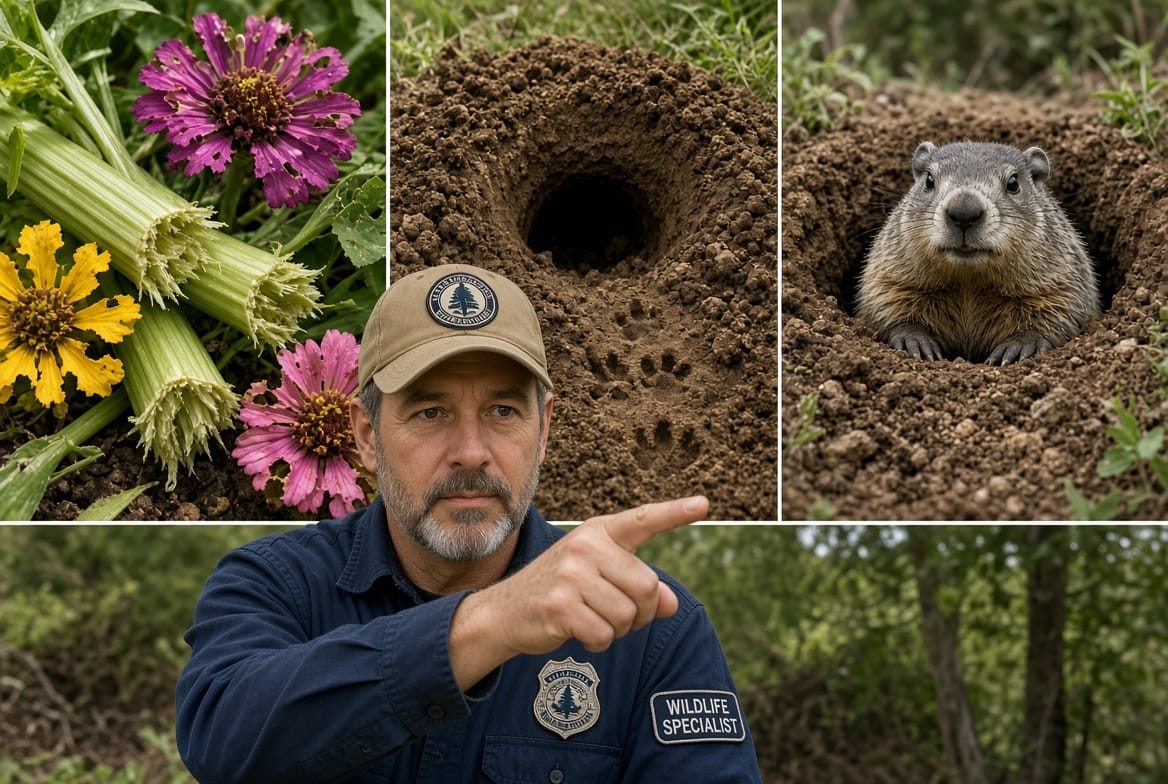
Their second defining behavior is extensive burrow construction. A typical burrow system includes a main entrance marked by a prominent mound of excavated soil, plus one or more hidden escape holes. These tunnels can extend 20 to 30 feet and contain multiple chambers used for sleeping, raising young, and storing limited food. Burrows located at the edge of a garden or under a shed provide both shelter and easy access to plants.
Groundhogs do not hibernate in the same deep manner as some other rodents, but their activity drops sharply in late fall and winter. Damage is therefore concentrated from early spring through late summer—the exact window when most vegetables and flowers are at their most vulnerable.
Because they are creatures of habit, once a groundhog discovers a reliable food source it will return repeatedly. A garden that offers clover in the lawn, leafy greens, and blooming annuals becomes an irresistible buffet.
Preferred Foods: Vegetables, Flowers, and Clover
Groundhogs show clear preferences that help predict where damage will appear first.
Vegetables most commonly targeted include:
- Lettuce, spinach, and other leafy greens
- Beans and peas in both vine and bush forms
- Broccoli, cabbage, and related brassicas
- Young carrot tops and beet greens
- Squash and cucumber vines when tender
Flowers that attract feeding include petunias, marigolds, zinnias, and many low-growing annuals. Groundhogs will also sample perennials if the foliage is soft.
Clover and other legumes in lawns or garden borders serve as a reliable secondary food source. Even a modest clover patch can keep a groundhog in the vicinity long enough to discover nearby vegetables.
The combination of these plants in a typical backyard garden creates a concentrated feeding area. Once established, the animal may ignore less palatable options and focus exclusively on the highest-value crops.
Recognizing Signs of Groundhog Activity
Early detection prevents minor browsing from becoming total crop loss. Watch for these reliable indicators:
- Cleanly clipped plants, often sheared at a 45-degree angle a few inches above the soil
- Missing or ragged flower heads and foliage, especially on plants nearest garden edges
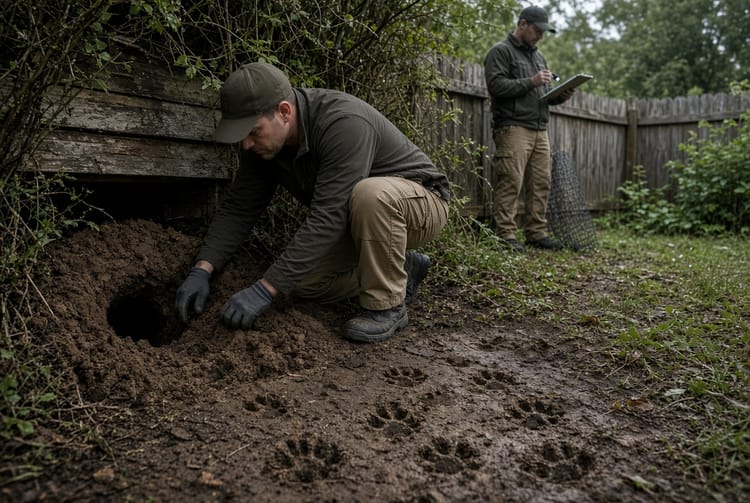
- Fresh mounds of loose dirt beside holes 6 to 12 inches in diameter
- Multiple hole openings clustered within a 20- to 30-foot radius
- Distinctive five-toed tracks in soft soil or mud
- Daytime sightings of a stocky, brownish-gray animal sitting upright to survey the area
A single burrow entrance near the garden is often enough to confirm the source. Groundhogs rarely travel far from their den when food is plentiful, so the combination of chewed plants and nearby holes is usually conclusive.
The Real Impact of Unchecked Groundhog Damage
Beyond the immediate loss of vegetables and flowers, prolonged activity creates additional problems. Repeated feeding can eliminate an entire season’s harvest. Burrows undermine soil stability, create tripping hazards, and, when located near structures, may affect foundations or utility lines. The presence of one successful groundhog often attracts others, turning an isolated incident into a recurring issue.
The good news is that groundhogs respond well to consistent, well-executed exclusion. Most homeowners can achieve lasting results without resorting to lethal methods.
Humane Deterrents and Exclusion Methods That Work
Effective protection relies on making the garden less accessible and less attractive. The following approaches have proven reliable when applied correctly and maintained over time.
Physical Barriers: The Most Reliable Long-Term Solution
A properly constructed fence remains the single most effective defense. Key specifications include:
- Height of at least 3 to 4 feet above ground
- Mesh small enough to prevent squeezing through (2-inch or smaller)
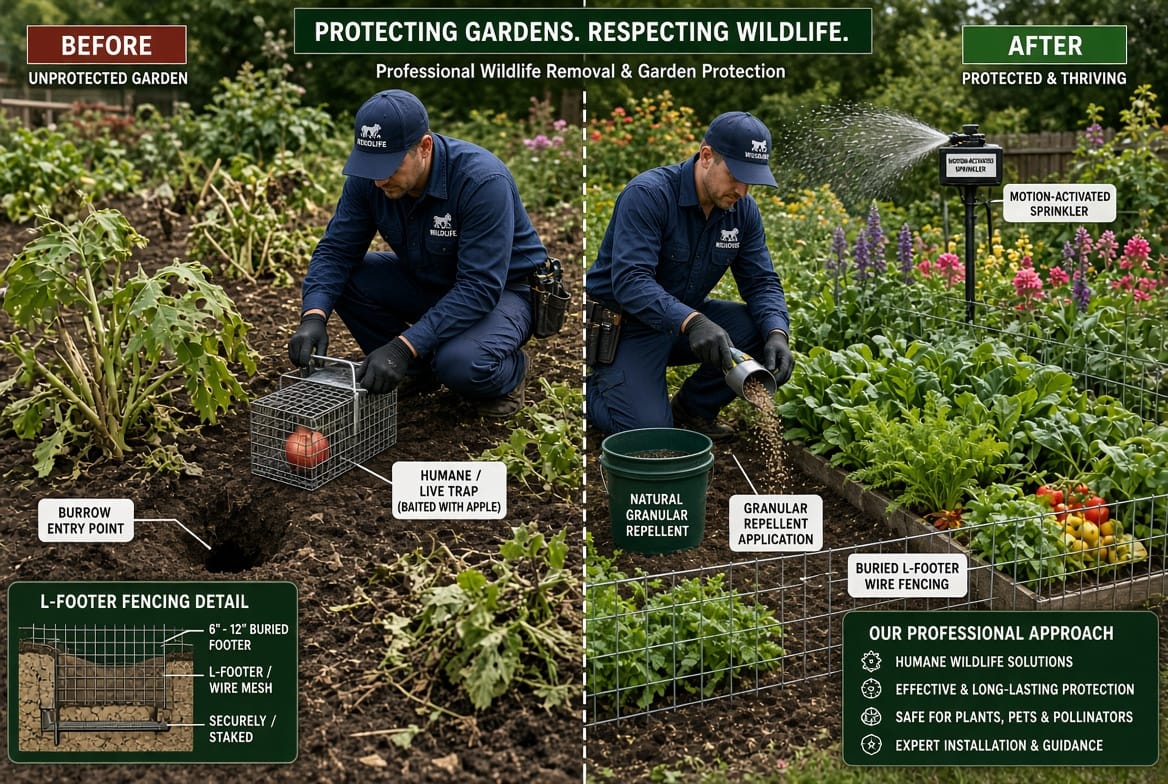
- Bottom edge buried 10 to 12 inches or formed into an L-shaped footer extending 12 inches outward
- Optional electric wire added 4 to 6 inches above the top rail for extra deterrence
The buried or L-footer component is critical because groundhogs are strong diggers. A fence that stops at soil level will be undermined within days.
Repellents: Useful as a Supplement
Taste and scent repellents can reduce feeding pressure, especially when combined with fencing. Options include:
- Commercial granular or liquid products containing capsaicin, putrescent egg, or castor oil
- Predator urine formulations applied around the garden perimeter
- Homemade mixtures of garlic, hot pepper, and dish soap sprayed on foliage (reapply after rain)
Repellents work best when rotated and used at the first sign of activity. They are less reliable as a standalone solution in areas with high groundhog populations.
Live Trapping and Relocation
When exclusion alone is insufficient, humane live trapping offers a direct method of removal. Success depends on proper placement and bait:
- Position the trap directly in the travel path between the burrow and the garden
- Bait with fresh lettuce, apple slices, or cantaloupe
- Check the trap frequently—ideally twice daily
- Relocate the animal several miles away in suitable habitat, following all local regulations
Live trapping is most effective in spring before young are born or in late summer after they have dispersed. Many jurisdictions require permits or licensed handling; professional assistance ensures compliance and reduces stress on the animal.
Additional Supportive Measures
- Keep grass and weeds short around garden edges to reduce cover
- Harvest ripe produce promptly
- Use floating row covers on especially vulnerable crops during peak feeding periods
- Install motion-activated sprinklers to startle approaching animals
- Remove brush piles and debris that provide additional shelter
Combining two or more of these tactics produces the highest success rate.
When to Call Wildlife Removal Specialists
Some situations exceed typical do-it-yourself capacity. Large or multiple burrow systems, repeated trapping failures, or burrows located under decks and sheds often require professional equipment and experience. Licensed specialists can implement one-way exclusion doors, perform thorough burrow collapse after removal, and apply integrated strategies that address both the current animals and future pressure.
Prompt professional intervention also minimizes the risk of incomplete removal, which can leave remaining groundhogs more cautious and harder to manage later.
Maintaining a Protected Garden Year After Year
Once initial control is achieved, ongoing vigilance keeps the garden secure. Inspect fence lines each spring, refresh repellents after heavy rain, and monitor for new burrow activity. A well-maintained exclusion system typically remains effective for many seasons.
Groundhogs are intelligent and persistent, yet they also respect consistent barriers. Gardeners who treat protection as a routine part of seasonal preparation rather than an emergency response enjoy far greater success. Protect your garden from groundhogs.
Protect Your Garden Harvest – Call Specialists