The Fixture Flow Rate: Understanding Gallons Per Minute and Water Efficiency
In today’s world of rising utility costs and growing environmental responsibility, fixture flow rate stands as one of the most important yet often overlooked aspects of home plumbing. Every drop counts, and understanding gallons per minute (GPM) and gallons per flush (GPF) empowers you to conserve water without sacrificing performance or comfort.
Save Water & Lower Your Bill – Call Now!
At the heart of water conservation lies the simple science of flow: how much water your faucets, showerheads, and toilets actually use. When fixtures run inefficiently, they quietly drain resources and inflate bills. The good news? Modern standards make it easier than ever to achieve meaningful savings, and professional guidance ensures the transition is seamless and effective.
This comprehensive guide walks you through everything you need to know about water efficiency, from industry benchmarks to practical testing methods. Whether you’re noticing higher-than-expected water usage or simply want to future-proof your home, you can feel confident taking control of your fixture flow rate. Small upgrades today deliver substantial rewards for your wallet, your family, and the planet tomorrow.
What Exactly Is Fixture Flow Rate?
Fixture flow rate measures the volume of water passing through a plumbing outlet over time. For faucets and showerheads, it is expressed in gallons per minute (GPM). For toilets, the standard is gallons per flush (GPF). These metrics reveal how efficiently your fixtures operate and directly impact daily consumption.
Think of GPM as the speed at which water flows from your tap or shower. A higher number means faster delivery but potentially greater waste if the flow exceeds what you actually need. GPF tells you exactly how much water is used with each toilet flush – a critical factor since toilets account for nearly 30% of indoor residential water use on average.
Understanding these terms removes the guesswork. You no longer have to wonder whether your morning shower or evening dishwashing session is using more water than necessary. Instead, you gain the knowledge to make informed decisions that align with both comfort and conservation goals.
Why Water Efficiency Matters More Than Ever
Efficient fixture flow rates deliver benefits that extend far beyond the obvious. Households that optimize their plumbing can reduce monthly water bills by hundreds of dollars annually while easing strain on local water supplies. In many regions, every gallon saved contributes to community-wide sustainability efforts.
Consider a typical family of four. With standard older fixtures running at higher flows, daily usage can climb rapidly. By contrast, aligning with current efficiency standards can cut household water consumption significantly without any noticeable change in pressure or performance. Modern aerators and flow-restricting technology maintain strong streams while using far less volume.
You can rest easy knowing that water-efficient fixtures also reduce wear on your entire plumbing system. Lower flow means less pressure on pipes, fewer leaks over time, and extended fixture lifespan. It’s a win-win that combines immediate savings with long-term reliability.
Understanding Current Industry Standards for Fixtures
Professional plumbers rely on clear, science-backed benchmarks to guide upgrades. Here are the widely accepted maximum flow rate standards designed for optimal water efficiency:
- Faucets: Maximum of 1.5 GPM at 60 psi – delivers plenty of water for handwashing, food prep, and cleaning while preventing unnecessary waste.
- Showerheads: Maximum of 2.0 GPM – provides a luxurious shower experience without the torrent of older models.
- Toilets: Maximum of 1.28 GPF – powerful flushing performance that clears waste effectively using a fraction of the water older toilets required.
These standards, often associated with the EPA’s WaterSense program, represent the gold standard for residential plumbing. Fixtures meeting or beating these numbers carry certification that guarantees both performance and conservation.
When your home aligns with these levels, you enjoy consistent water pressure where it matters most while dramatically reducing overall usage. The difference feels invisible in daily life but shows clearly on your utility statements and monthly consumption reports.
How to Check Your Home’s Fixture Flow Rates
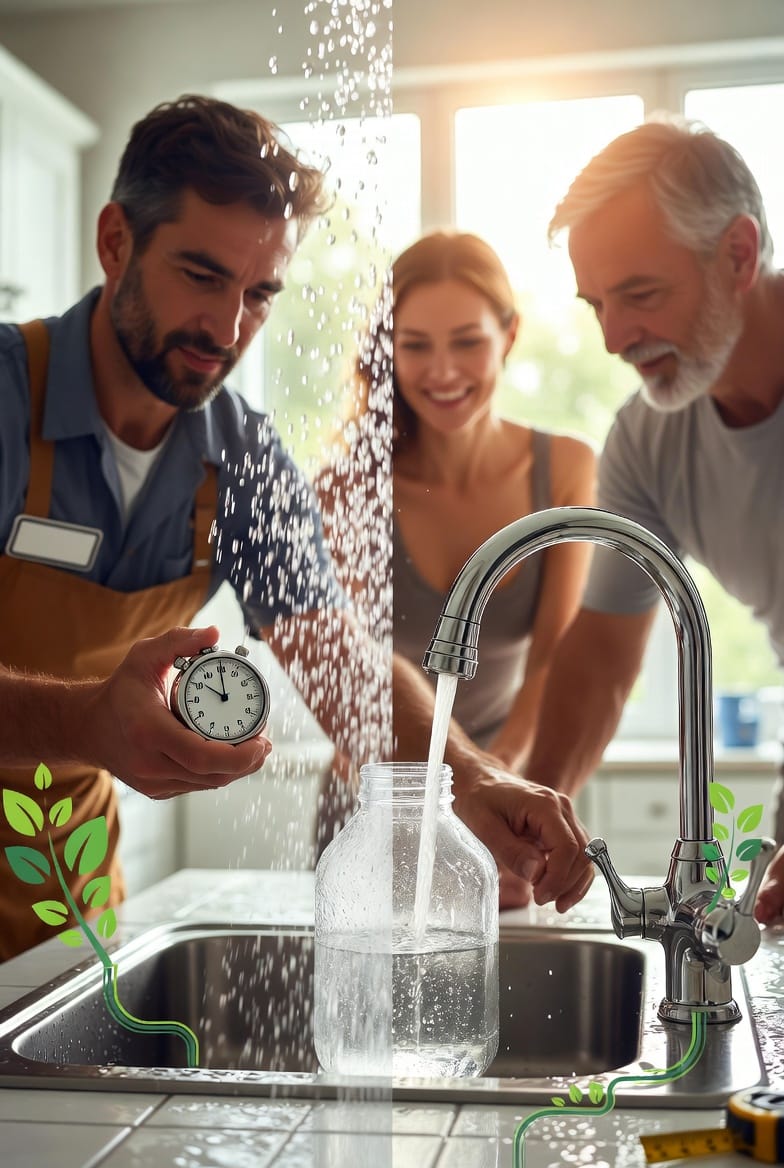
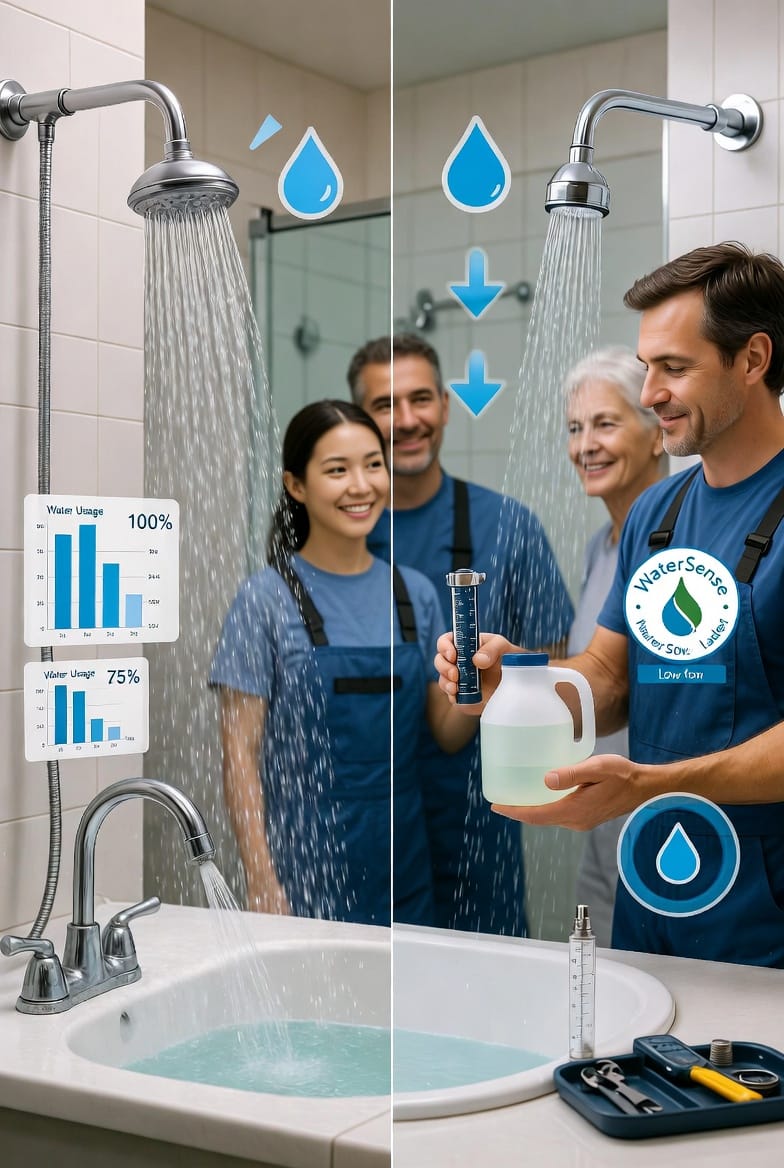
Testing your current fixture flow rate is straightforward and takes just minutes. Here’s a simple, reliable method you can use today:
- Gather a one-gallon container, a stopwatch or timer on your phone, and a helper if possible.
- For faucets: Turn the faucet to full cold, place the container underneath, and start timing exactly when water begins flowing. Stop when the jug reaches the one-gallon mark.
- Calculate GPM by dividing 60 by the number of seconds it took to fill the jug.
- Repeat for hot water and showerheads (use a bucket for showers if needed).
- For toilets: Note the tank size or simply observe flush volume, though professional testing provides the most accurate GPF reading.
If your calculations exceed the standards listed above, it’s time for action. Don’t worry – this discovery is common and easily addressed with the right fixtures and expert installation.
Professional plumbers bring calibrated tools and years of experience to ensure accurate results every time. They can identify hidden inefficiencies and recommend precise upgrades tailored to your home’s unique plumbing layout.
The Real Benefits of Upgrading to Efficient Fixtures
Switching to fixtures that meet 1.5 GPM, 2.0 GPM, and 1.28 GPF standards pays for itself quickly. Families routinely report 20-30% reductions in water usage after professional upgrades. That translates to lower bills, reduced environmental impact, and peace of mind.
Modern efficient fixtures also offer improved performance features such as better aerators for splash-free flow, pressure-compensating technology for consistent showers, and advanced valve designs for quieter, more powerful toilet flushes. You lose nothing in comfort – in fact, many homeowners say the experience feels even better.
Beyond finances, water efficiency contributes to larger community goals. Every household that conserves helps protect local reservoirs, reduces energy used for water treatment and heating, and supports drought-prone regions. It’s a meaningful step that feels good on every level.
Signs Your Fixtures May Need Professional Attention
Keep an eye out for these common indicators that your fixture flow rates could use optimization:
- Water bills creeping higher without increased household activity
- Noticeably strong or wasteful spray from faucets and showers
- Toilets that seem to run longer or use more water per flush
- Inconsistent pressure that fluctuates throughout the day
- Older fixtures showing visible wear or mineral buildup
When these signs appear, a quick professional flow rate assessment can pinpoint the cause and present clear solutions. Early intervention prevents bigger issues down the road.
Maintaining Your Water-Efficient Fixtures for the Long Term
Once upgraded, simple maintenance keeps everything running at peak water efficiency. Clean aerators monthly, check for leaks quarterly, and schedule annual professional inspections. These habits ensure your investment continues delivering savings year after year.
Professional plumbing teams can also perform comprehensive system reviews to confirm all fixtures remain within optimal GPM and GPF ranges. Their expertise guarantees nothing slips through the cracks.
Taking the Next Step Toward Water Conservation
Optimizing your fixture flow rate is one of the smartest, most impactful improvements you can make for your home. With current standards providing clear targets and modern fixtures delivering excellent performance, there has never been a better time to act.
Save water with efficient fixtures and enjoy the confidence that comes from a professionally optimized plumbing system. Whether you want a full flow rate test or guidance on the best upgrades for your specific home, expert help is just a phone call away.
Ready to measure your fixture flow rates and start saving? Contact our plumbing professionals today to schedule your water efficiency assessment.
Your home deserves fixtures that work smarter – and so does your water bill. Take the first step today toward true water efficiency and experience the difference professional plumbing services can make.
Get a Free Fixture Flow Rate Test – Call Today