The Feral Cat Colony: Managing Outdoor Cat Populations
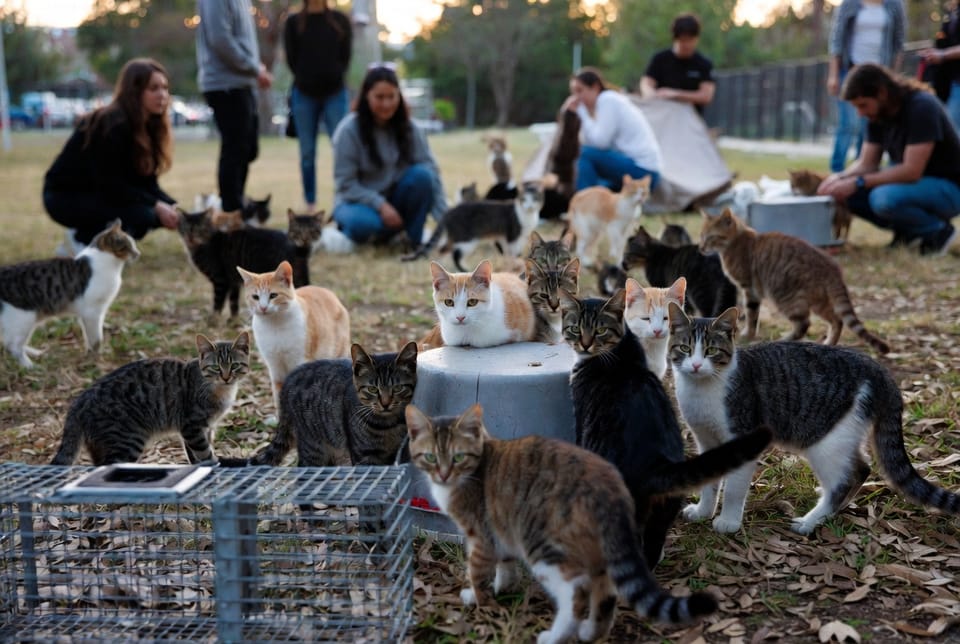
Feral cats are a common sight in many neighborhoods, parks, and urban areas. Feral cat colonies form when unowned cats band together for survival, often creating challenges for local wildlife and residents alike. At the same time, these cats deserve compassionate solutions that respect their lives while protecting community balance.
Expert Feral Cat Colony Control – Call Today!
This comprehensive guide explores the realities of managing outdoor cat populations effectively and humanely. Whether you're a homeowner noticing increased activity in your backyard or a community leader addressing broader concerns, understanding the issue is the first step toward responsible action.
Feral cat colony management combines education, science-based strategies, and collaboration with experts. By focusing on proven methods like Trap-Neuter-Return (TNR), communities can reduce population growth without harm, minimize risks, and foster coexistence.
Understanding Feral Cat Behavior and Colony Dynamics
Feral cats differ from stray or domestic cats. They are typically unsocialized and live independently, relying on their instincts for survival.
Colonies emerge naturally as cats share resources such as food sources, shelter, and safety in numbers. A typical colony might include 5 to 50 cats, centered around consistent food availability from dumpsters, pet owners, or well-meaning feeders.
Breeding cycles drive rapid growth. Female cats can produce multiple litters per year, with each litter averaging 3–5 kittens. Without intervention, a single colony can expand dramatically within months, leading to overpopulation.
Key risks associated with unmanaged colonies include:
- Increased pressure on local wildlife: Cats are skilled hunters and may impact bird populations, small mammals, and reptiles.
- Public health concerns: Potential spread of parasites or diseases, though transmission to humans remains relatively low with proper precautions.
- Nuisance behaviors: Spraying, fighting, and noise that affect neighborhood quality of life.
- Resource strain: Competition for food and territory among cats themselves.
Despite these challenges, feral cats are resilient survivors. Many communities successfully balance their presence through thoughtful management rather than removal alone.
The Impact of Outdoor Cat Populations on Wildlife and Communities
Outdoor cats play a complex role in ecosystems. As natural predators, they help control rodent populations but can also affect native species, particularly ground-nesting birds and small mammals.
Studies show that unmanaged colonies contribute to wildlife declines in certain areas. However, humane population management offers a reassuring path forward. By stabilizing numbers, communities protect both cats and biodiversity without resorting to drastic measures.
Residents often report mixed feelings—compassion for the cats alongside concerns about property and pets. This duality highlights why authoritative, science-driven approaches are essential. Effective management reduces risks while honoring the cats' right to live out their lives.
Why Humane Management Matters: The TNR Solution
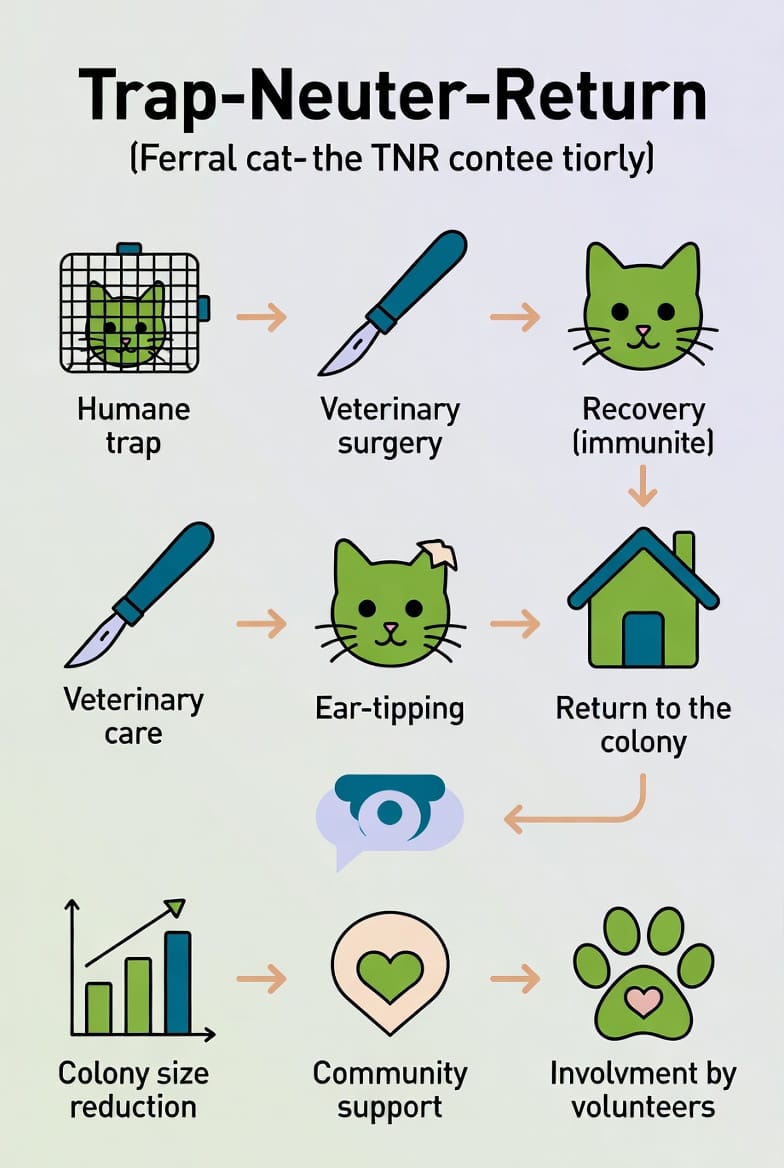
Trap-Neuter-Return (TNR) stands as the gold-standard method for controlling feral cat populations. This program involves trapping cats, providing veterinary care (including spay/neuter and vaccinations), and returning them to their original location.
Benefits of TNR:
- Stops breeding: Neutered cats no longer produce kittens, gradually reducing colony size over time.
- Improves health: Vaccinations and treatment reduce disease transmission within the colony and to other animals.
- Decreases nuisance behaviors: Neutering minimizes spraying, fighting, and roaming.
- Cost-effective and sustainable: Long-term stabilization avoids repeated interventions.
TNR programs have proven successful across thousands of communities. Colonies managed this way become stable, healthier groups that pose fewer challenges to residents and wildlife.
Working with professional organizations amplifies results. Local animal control agencies, humane societies, and certified wildlife removal services collaborate to implement TNR safely and efficiently.
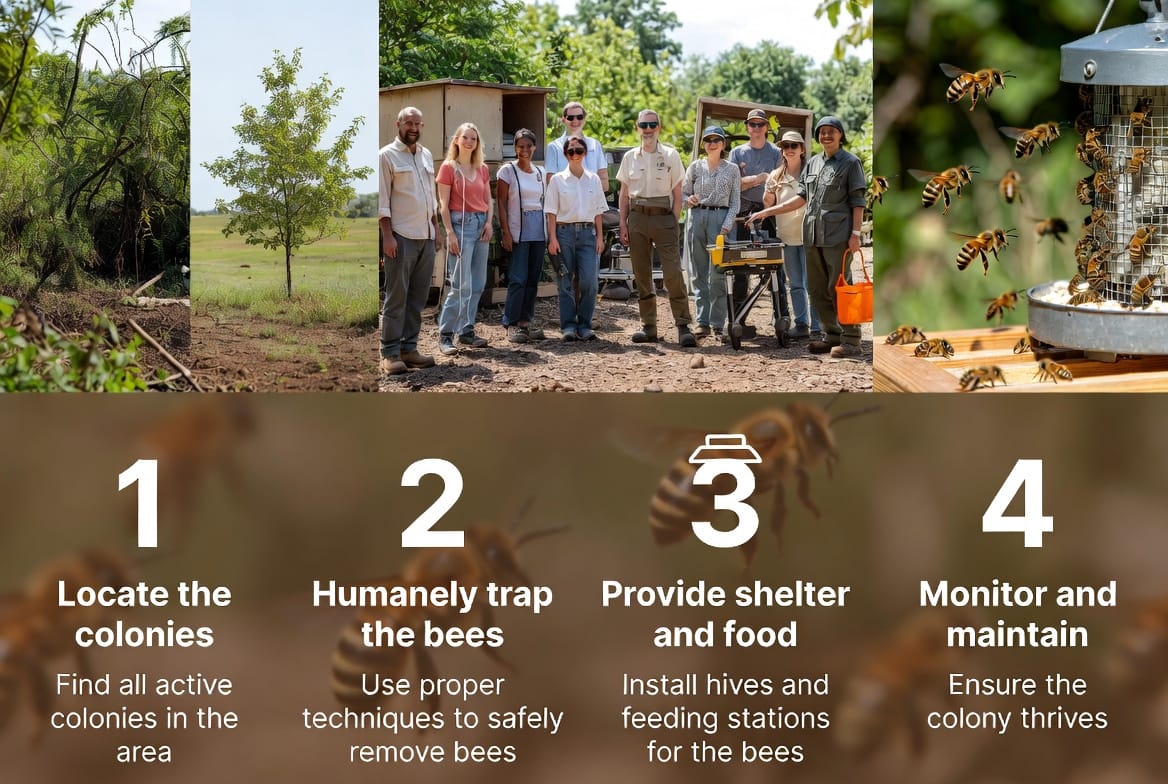
Step-by-Step Guide to Managing a Feral Cat Colony
Taking action starts with observation and planning. Here’s a practical framework:
- Locate and monitor colonies: Identify feeding areas, shelter spots, and population estimates without disturbing the cats initially.
- Contact TNR groups or professionals: Partner with experienced organizations for trap training, veterinary services, and ongoing support.
- Implement humane trapping: Use live traps baited with food, ensuring minimal stress. Never use harmful methods.
- Provide care and return: Ensure spay/neuter, ear-tipping (a universal marker), and basic health checks before release.
- Establish ongoing support: Set up feeding stations, weather-proof shelters, and regular monitoring to maintain stability.
- Educate the community: Share knowledge to prevent abandonment of new cats that could restart growth cycles.
This structured approach empowers residents and delivers measurable results.
Challenges and Common Misconceptions
Many people assume removal is the only solution, but evidence shows that vacated territories are quickly filled by new cats—a phenomenon called the vacuum effect. TNR prevents this by maintaining a stable, non-breeding presence.
Other risks to consider:
- Inappropriate feeding that attracts more animals.
- Lack of shelter leading to harsher conditions for cats.
- Conflicts with domestic pets or livestock.
Reassuringly, these issues are manageable with expert guidance. Professional wildlife removal teams trained in humane techniques ensure compliance with local laws and best practices.
Success Stories: Communities Making a Difference
Across the country, neighborhoods have transformed feral cat situations through coordinated TNR efforts. One suburban community reduced colony numbers by over 60% within three years while improving resident satisfaction.
Volunteers, combined with services specializing in wildlife removal and feral cat management, create sustainable outcomes. These partnerships deliver expertise in trapping, medical care, and long-term monitoring.
How to Get Started in Your Area
Begin by assessing your specific situation. Document colony locations and behaviors respectfully. Reach out to established TNR programs or licensed professionals who understand both cat welfare and community needs.
Key tips for success:
- Be consistent: Regular feeding and monitoring build trust with the cats.
- Prioritize safety: Use proper equipment and follow protocols to avoid injury.
- Track progress: Maintain records of trapped, neutered, and returned cats.
- Integrate with broader wildlife strategies: Address related issues like rodent control simultaneously.
Remember, humane feral cat colony management protects everyone—cats, wildlife, and people.
Long-Term Strategies for Sustainable Coexistence
Beyond initial TNR, focus on prevention. Discourage abandonment by promoting spay/neuter for owned cats. Support local shelters and advocate for community funding of management programs.
Environmental enhancements, such as secure shelters and designated feeding zones, further reduce roaming and wildlife interactions. These measures create a balanced ecosystem where cats thrive without causing undue harm.
Professional support ensures technical aspects are handled correctly, from trap selection to health protocols. This authoritative assistance gives communities confidence in their efforts.
Conclusion: Compassionate Action for a Better Community
Managing feral cat colonies requires understanding, patience, and proven techniques. Through TNR programs and collaboration with dedicated organizations, we can address population growth, protect wildlife, and improve quality of life for all.
Every community deserves solutions that are both effective and humane. By taking measured steps today, you contribute to a more balanced tomorrow.
Manage feral cats humanely. Our team stands ready to support your efforts with compassionate, professional wildlife removal and feral cat management services.
Professional Feral Cat Removal & Management – Call Today