The Fairy Ring Fungus: Rings, Caused by Soil Fungi, and Management
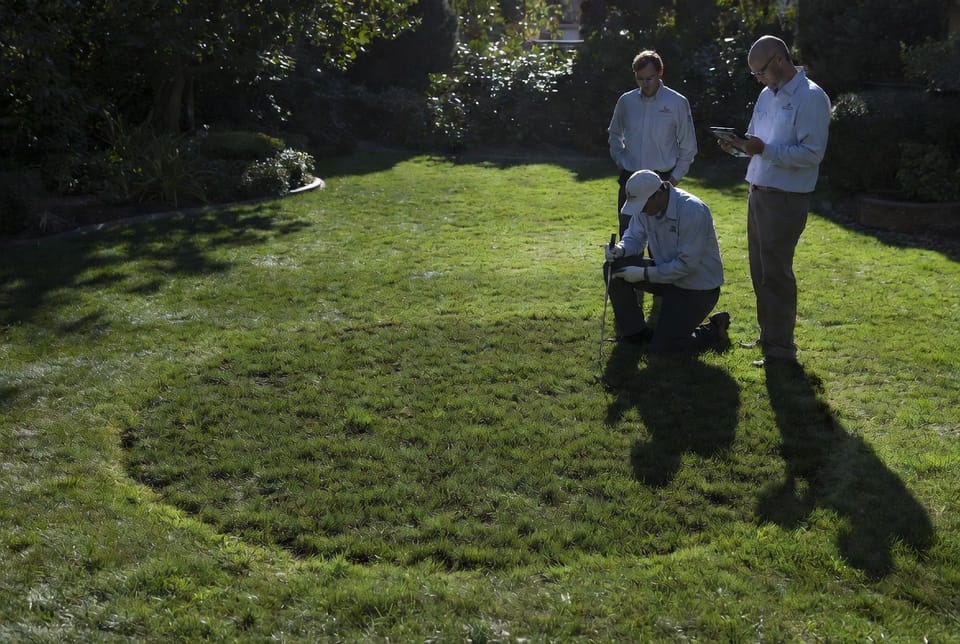
Fairy ring fungus can turn a beautiful lawn into a puzzling landscape of dark circles and mushrooms seemingly overnight. Homeowners often stare at these mysterious patterns wondering if their grass is doomed. The good news? These rings are manageable with the right knowledge and professional techniques.
Fix Your Fairy Rings Today – Call Now!
At the heart of the issue lies soil fungi that live deep beneath the surface. These organisms create the classic circular rings of darker grass or fruiting mushrooms that give fairy rings their name. While the sight can feel alarming, rest assured that fairy rings rarely kill the lawn permanently. With targeted lawn care strategies such as core aeration, wetting agents, and strategic resodding, you can restore uniformity and vibrancy.
This comprehensive guide walks you through every aspect of fairy ring fungus – from identification to proven management – so you can act confidently and protect your investment in a healthy lawn.
Understanding What Fairy Rings Really Are
Fairy rings appear as distinct circular patterns in turfgrass. You might notice a band of darker green grass forming a near-perfect ring, sometimes accompanied by mushrooms or puffballs after rain. In some cases, the center of the ring looks stressed or thinned while the outer edge thrives.
These patterns earned their whimsical name from folklore, but the science is straightforward. Soil fungi, primarily basidiomycetes, grow outward in a radial pattern from a central starting point. As the fungal mycelium expands beneath the soil, it breaks down organic matter and releases nitrogen, fueling the darker green grass you see above ground.
The rings can range from a few feet to over 50 feet in diameter and may persist for years if left untreated. Multiple rings can even overlap, creating complex patterns that confuse homeowners. The presence of mushrooms is the most visible sign of active fungal fruiting bodies pushing through the surface.
Key point: These are not random lawn problems. They stem directly from soil fungi thriving in specific soil conditions, often where organic debris or thatch has accumulated over time.
The Science Behind Soil Fungi and Ring Formation
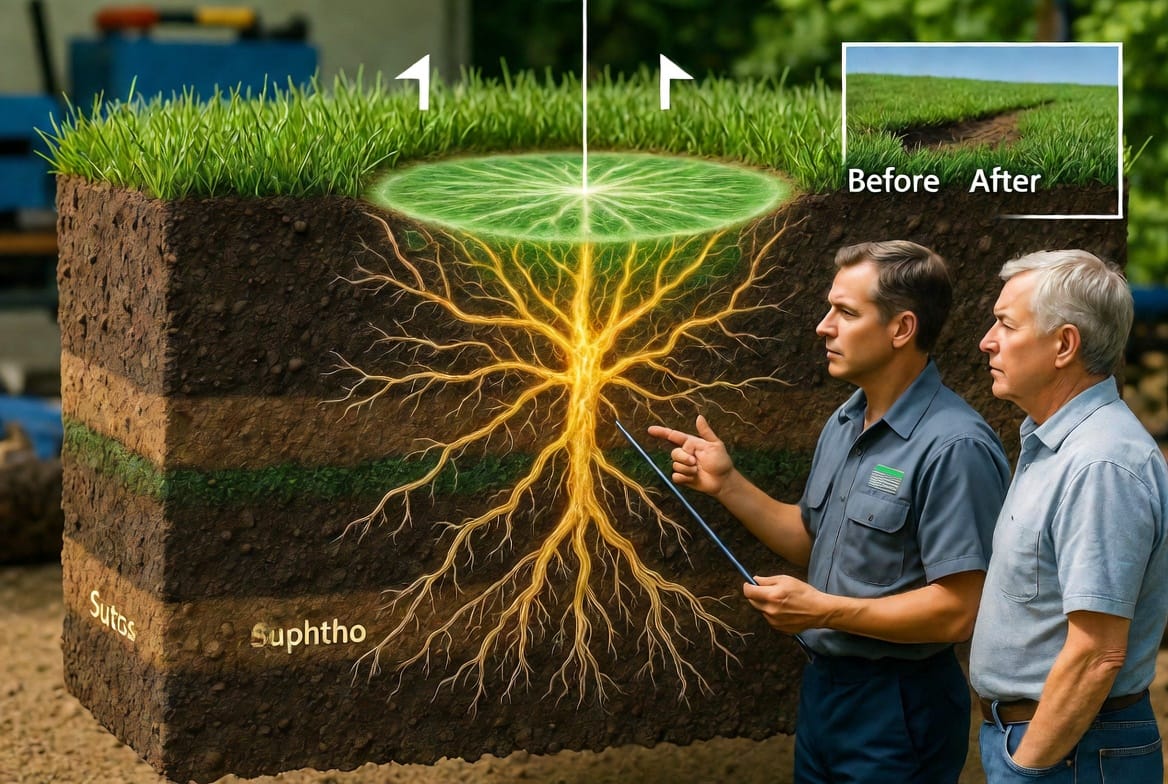
Soil fungi responsible for fairy rings are saprophytic organisms that feed on decaying organic material. They form vast underground networks called mycelium that spread horizontally at a steady pace – sometimes several inches per year.
As the mycelium advances, it creates a zone of hydrophobic (water-repellent) soil. This happens because the fungi produce waxy compounds that make soil particles resist moisture. Grass roots inside the ring struggle for water, while the outer edge benefits from the nitrogen released by fungal activity, producing that signature dark green band.
Why do rings form circles? The fungi grow equally in all directions from the center, much like ripples expanding from a pebble dropped in water. Over time, the center may recover as the fungi move outward, leaving the classic ring shape.
Environmental factors accelerate development. Sandy soils, compacted areas, and lawns with heavy thatch provide ideal conditions. Drought stress makes symptoms more pronounced because the hydrophobic zones become even harder for water to penetrate.
Understanding this underground process empowers you to choose management methods that target the root cause rather than just masking surface symptoms.
Why Fairy Rings Are Particularly Hard to Treat
Many homeowners try quick fixes like over-watering or applying store-bought fungicides, only to see the rings return. The challenge lies in the depth and nature of the fairy ring fungus. The mycelium can extend 12 inches or more below the surface, far beyond the reach of most surface treatments.
The hydrophobic soil created by the fungi further complicates matters. Water beads up and runs off instead of soaking in, starving the grass roots of moisture even during regular irrigation. Standard fungicides rarely penetrate deeply enough to eliminate the entire network.
Additionally, fairy rings can remain dormant for years and reactivate when conditions improve. Removing the visible mushrooms does nothing to address the underground source. This is why a comprehensive, multi-step approach focusing on soil health delivers the best long-term results.
Rest assured, however, that complete elimination is achievable with professional methods that improve water infiltration and restore balanced soil biology.
Identifying Fairy Rings Before They Worsen
Early detection prevents escalation. Look for these telltale signs:
- Dark green circular bands that stand out against the rest of the lawn
- Mushrooms or puffballs appearing in the same circular pattern after rainfall
- Thinned or stressed grass in the center of older rings
- Water pooling or running off in ring-shaped areas during irrigation
If you spot these, resist the urge to dig randomly or apply chemicals without guidance. Accurate identification ensures you choose the right management strategy and avoid unnecessary expense.
Proven Management Options That Deliver Results
Effective fairy ring management combines physical soil improvement, targeted watering adjustments, and, when necessary, removal of severely affected areas. Here are the most reliable techniques used by lawn care professionals:
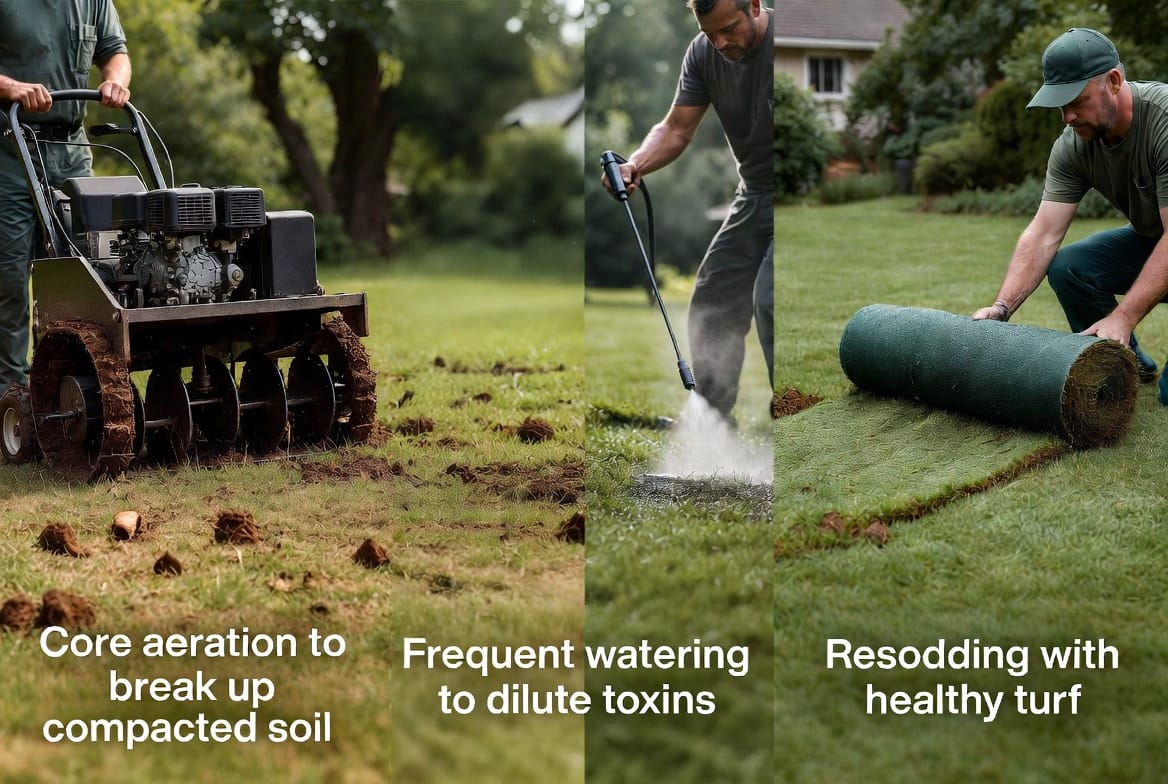
- Core Aeration: This process pulls small plugs of soil from the lawn, breaking up compaction and allowing water and air to reach deeper levels. Aeration disrupts the hydrophobic zones and encourages beneficial microbes that compete with the fairy ring fungus. Perform aeration in spring or fall when the grass is actively growing for fastest recovery.
- Wetting Agents: These specialized surfactants reduce surface tension so water penetrates the water-repellent soil created by the fungi. Applied through irrigation or spray equipment, wetting agents help dilute fungal toxins and restore moisture balance throughout the root zone. Regular applications keep the soil receptive to water long after the initial treatment.
- Frequent Deep Watering: Instead of shallow daily sprinkles, water thoroughly but less often to encourage deeper root growth. This practice dilutes concentrated fungal byproducts and supports the grass in pushing through the affected areas.
- Resodding Severe Cases: When rings have caused extensive thinning or bare patches, removing the damaged sod and replacing it with fresh, disease-free turf provides an immediate visual fix while the underlying soil recovers. Professionals ensure the new sod matches your existing grass variety for seamless blending.
- Topdressing and Organic Matter Management: Light applications of compost or sand after aeration improve soil structure and feed beneficial organisms that naturally suppress soil fungi.
Combining these methods yields the strongest outcomes. Most lawns show noticeable improvement within one growing season when managed correctly.
Preventive Strategies for Long-Term Lawn Health
Prevention is always more effective than cure. Maintain proper mowing height, avoid over-fertilizing with nitrogen, and schedule annual core aeration to keep soil loose and oxygenated. Monitor irrigation so water reaches the full root zone without creating overly wet conditions that favor fungi.
Remove excessive thatch each year and consider soil testing to maintain balanced pH and nutrient levels. Healthy, actively growing turf naturally resists fairy ring fungus better than stressed lawns.
When Professional Diagnosis Makes All the Difference
While some minor rings may fade with basic care, persistent or expanding fairy rings benefit from expert evaluation. Professionals can confirm the exact fungal species, assess soil conditions, and create a customized treatment plan tailored to your lawn’s unique environment.
Don’t panic over fairy rings. These common lawn challenges are well understood and highly manageable with the right approach.
Our experienced team will assess your lawn, explain the specific fairy ring fungus affecting it, and implement the most effective management plan to restore the beautiful, uniform turf you deserve.
Your lawn can return to its lush, ring-free glory – often faster than you expect when expert care is involved. Take the first step toward lasting lawn health now.
Professional Fairy Ring Treatment – Call Now