The Dollar Spot Disease: Identifying and Treating This Common Lawn Fungus
Dollar spot is one of the most widespread fungal diseases affecting home lawns and commercial turf across North America. Caused by the fungus Clarireedia jacksonii, it can quickly turn a beautiful green yard into a patchwork of unsightly spots if left unchecked. The good news? With prompt identification and a proven management plan, you can stop dollar spot in its tracks and restore your lawn to its full potential.
Stop Dollar Spot Before It Spreads – Call Now!
At Domain House Lawn Care, we’ve helped thousands of homeowners overcome this persistent issue through targeted, science-based strategies. This comprehensive guide walks you through every stage of dollar spot disease management — from early symptoms to long-term prevention — so you can protect your investment with confidence.
What Exactly Is Dollar Spot Disease?
Dollar spot thrives when environmental conditions and lawn care practices align in the fungus’s favor. It primarily attacks cool-season grasses such as Kentucky bluegrass, perennial ryegrass, and fine fescues, though it can appear in warm-season varieties under stress.
The disease is not a death sentence for your lawn. In fact, most cases respond exceptionally well to integrated management that combines cultural practices with timely interventions. Understanding the biology behind dollar spot empowers you to act decisively rather than react after damage spreads.
Recognizing the Classic Symptoms
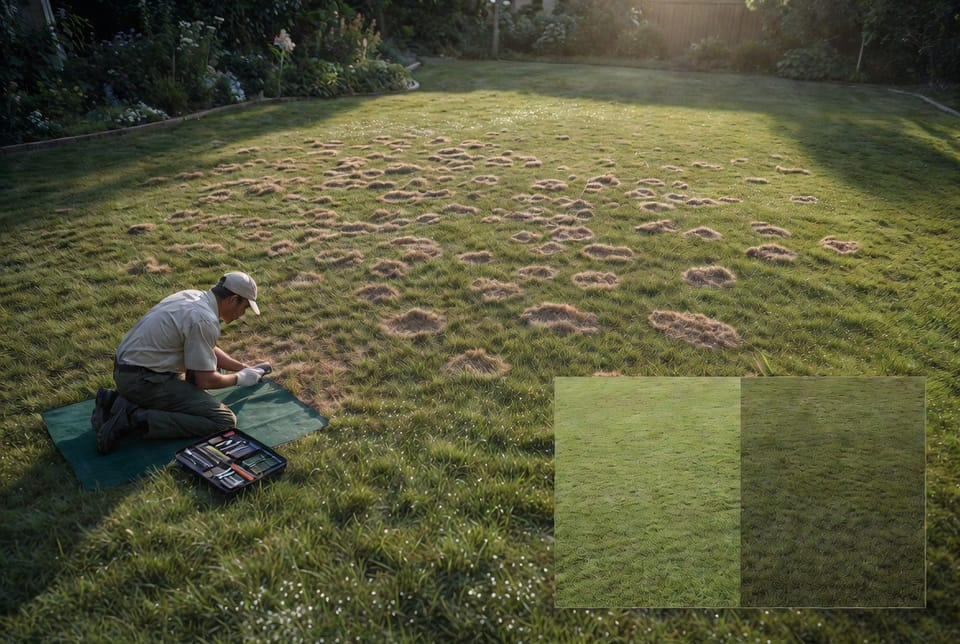
The hallmark of dollar spot is easy to spot once you know what to look for: small, circular tan or straw-colored patches roughly the size of a silver dollar. These spots often appear overnight after periods of high humidity and appear most prominently in the early morning when dew is still present.
Key visual indicators include:
- Tan to bleached-white lesions on individual grass blades within each patch
- Distinct circular or slightly irregular borders that may merge into larger affected areas if untreated
- A “dollar-spot” pattern that gives the disease its name
- In severe cases, patches expanding to several inches across and thinning the turf canopy
Early morning scouting is your best defense. Walk your lawn when dew is heavy and look for the characteristic spots. If you notice these signs, bold action now prevents weeks of recovery later.
Many homeowners mistake dollar spot for drought stress or insect damage. The difference is clear: dollar spot patches are sharply defined and accompanied by mycelium (fine white fungal threads) visible in the morning dew. Accurate identification is the foundation of successful dollar spot disease management.
Conditions That Favor Dollar Spot Development
Dollar spot loves specific weather and soil scenarios. Understanding these triggers helps you stay one step ahead.
Primary favoring conditions:
- Humid nights with temperatures between 60°F and 80°F
- Prolonged leaf wetness from heavy dew or late-evening watering
- Nitrogen deficiency that weakens turf density and vigor
- Poor air circulation in shaded or compacted areas
- Soil pH outside the ideal 6.0–7.0 range
- Overly thatchy lawns that trap moisture
When these factors combine, the fungus spreads rapidly through spores and mycelial growth. The reassuring news is that you control most of these variables through smart lawn care practices. Adjusting your routine can dramatically reduce the risk of outbreaks.
Understanding the Disease Cycle
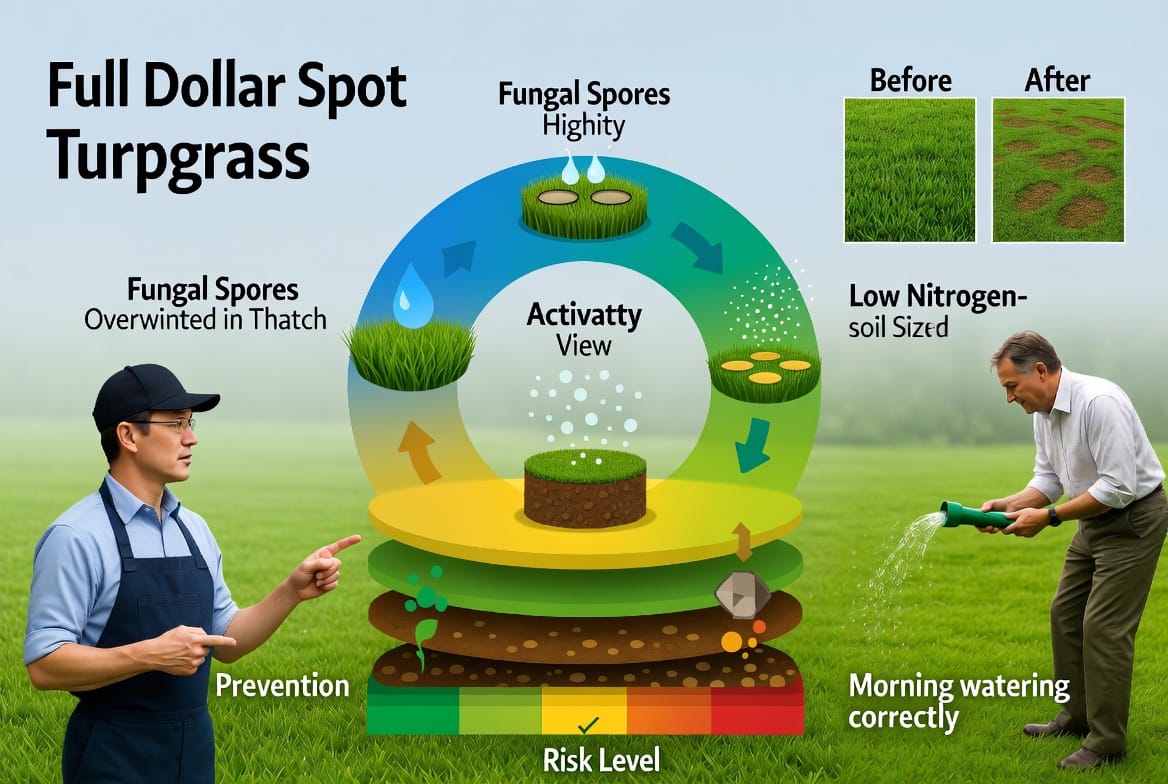
The dollar spot fungus survives in thatch and soil, waiting for the right moment to activate. It spreads via water splash, mowing equipment, and foot traffic. Once active, it infects grass blades, causing the characteristic tan lesions.
The cycle repeats whenever conditions remain favorable, which is why consistent management throughout the growing season is essential. Breaking any link in this cycle — moisture, nutrition, or fungal presence — stops the disease from gaining momentum.
Cultural Practices: Your First Line of Defense
The most effective dollar spot disease management begins with cultural changes that create an environment hostile to the fungus. These practices are sustainable, cost-effective, and promote overall lawn health.
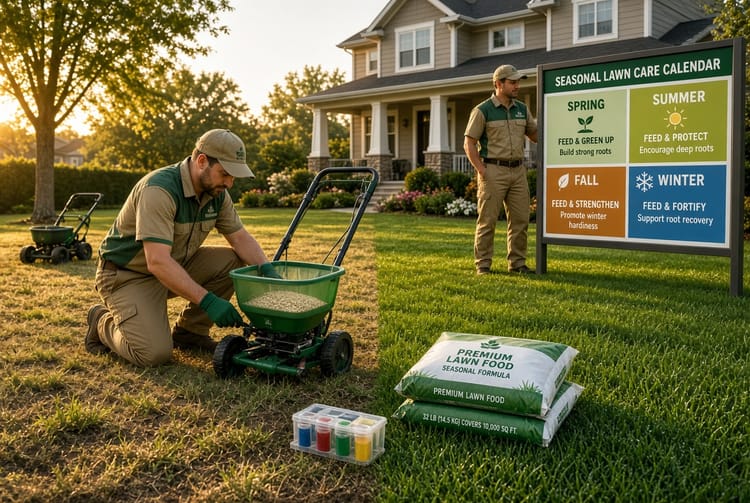
Proper nitrogen fertility is non-negotiable. Maintain balanced nitrogen levels throughout the growing season to keep turf vigorous and competitive against disease. A soil test every spring reveals exact needs and prevents both deficiency and excess.
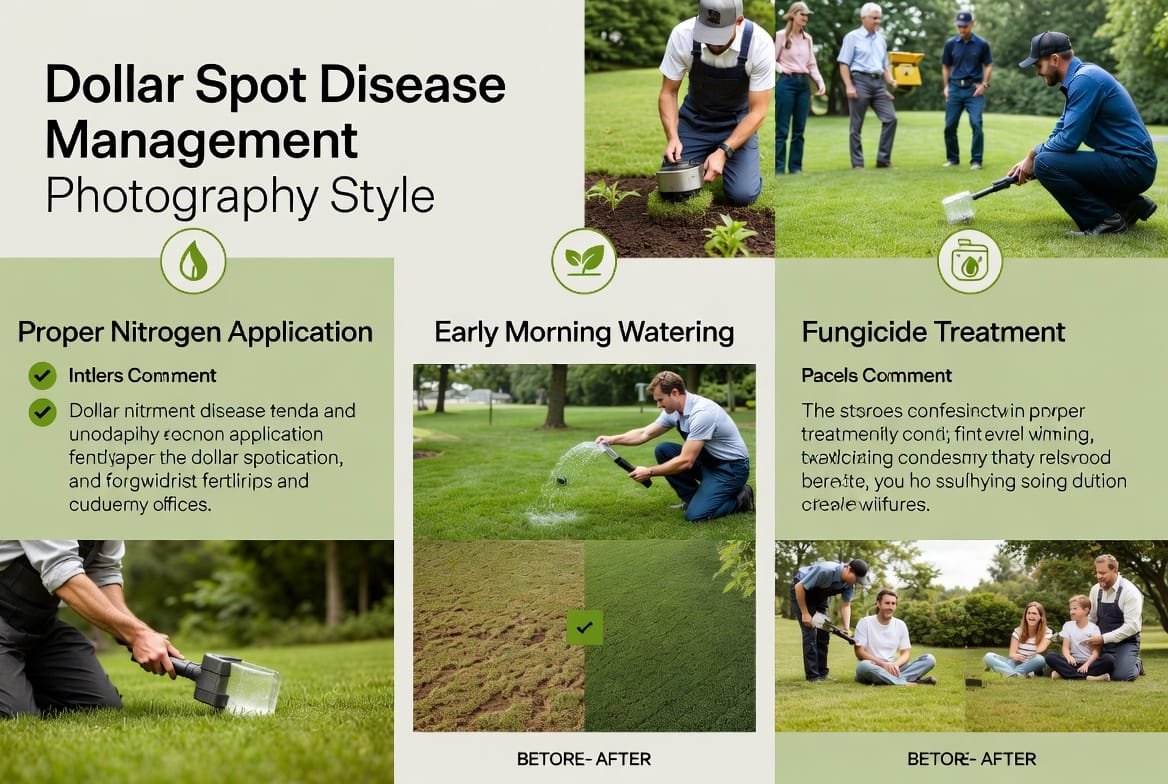
Watering timing and technique make an enormous difference. Water deeply but infrequently in the early morning so grass blades dry quickly. Avoid evening irrigation that leaves leaves wet overnight — a primary trigger for dollar spot.
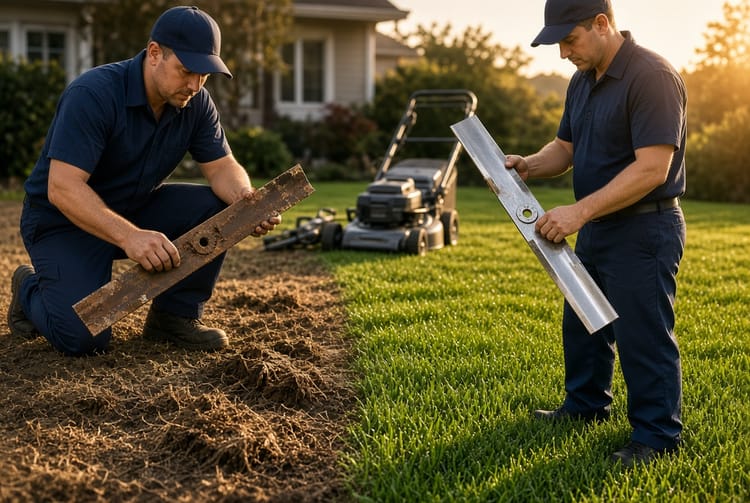
Mowing height and frequency matter more than many realize. Keep blades at the recommended height for your grass type to maintain density and reduce stress. Never remove more than one-third of the leaf blade at a single mowing.
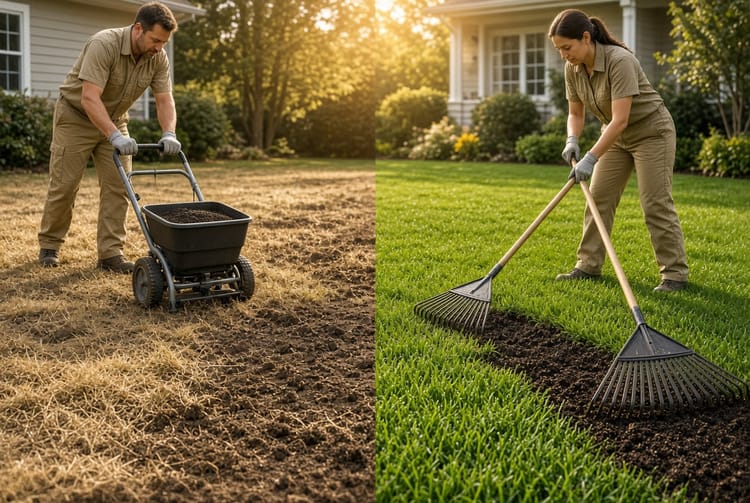
Improve air circulation and reduce thatch. Core aeration and regular dethatching open the canopy, allowing better light and airflow while removing the moist thatch layer where the fungus hides.
Soil drainage and compaction relief through aeration also play critical roles. Healthy root systems produce stronger plants that naturally resist infection.
Implementing these cultural practices consistently can reduce dollar spot incidence by up to 70% without any chemical intervention. That’s powerful, lasting protection.
When Chemical Treatments Become Necessary
Even with excellent cultural care, occasional fungicide applications may be required during prolonged favorable conditions. Modern fungicides are highly effective and targeted when used responsibly.
Key treatment guidelines:
- Apply preventive fungicides at the first sign of favorable weather rather than waiting for visible damage
- Rotate chemical classes to prevent resistance development
- Follow label rates precisely for safety and efficacy
- Combine with cultural practices for best results — never rely on chemicals alone
Professional-grade products available through licensed applicators ensure proper timing and coverage that DIY options often miss. The goal is always minimal intervention with maximum results.
Integrated Disease Management: The Complete Strategy
The strongest defense combines cultural, biological, and chemical tools into a seamless program tailored to your specific lawn and region. This integrated approach delivers reliable control while minimizing environmental impact.
Core components of an effective program:
- Regular soil and tissue testing
- Customized fertilization schedule
- Precision irrigation management
- Targeted fungicide use only when thresholds are met
- Ongoing monitoring and record-keeping
Homeowners who follow this integrated path report healthier, thicker lawns year after year with fewer disease issues overall.
Common Mistakes to Avoid
Many well-intentioned homeowners inadvertently encourage dollar spot through a few common errors:
- Watering in the evening
- Applying nitrogen too heavily or too late in the season
- Mowing too short during stress periods
- Ignoring early warning signs
Recognizing and correcting these habits early saves time, money, and frustration.
Long-Term Prevention for a Resilient Lawn
Prevention never stops. Build lawn resilience through consistent care, proper variety selection for your climate, and annual professional evaluations. A proactive mindset turns dollar spot from a recurring nightmare into a rare, manageable occurrence.
Stop Dollar Spot Before It Spreads
Your lawn deserves the best defense possible. Don’t let dollar spot disease steal the beauty and enjoyment of your outdoor space. With expert identification, targeted treatment, and ongoing management, you can enjoy a thick, green, disease-resistant lawn all season long.
Call Domain House Lawn Care today for a professional disease diagnosis. Our certified technicians will inspect your lawn, identify the exact issue, and provide a customized recovery plan that works.
Get Expert Dollar Spot Diagnosis & Treatment – Call Now!