The Dishwasher Air Gap: Why It's Required and How to Clean
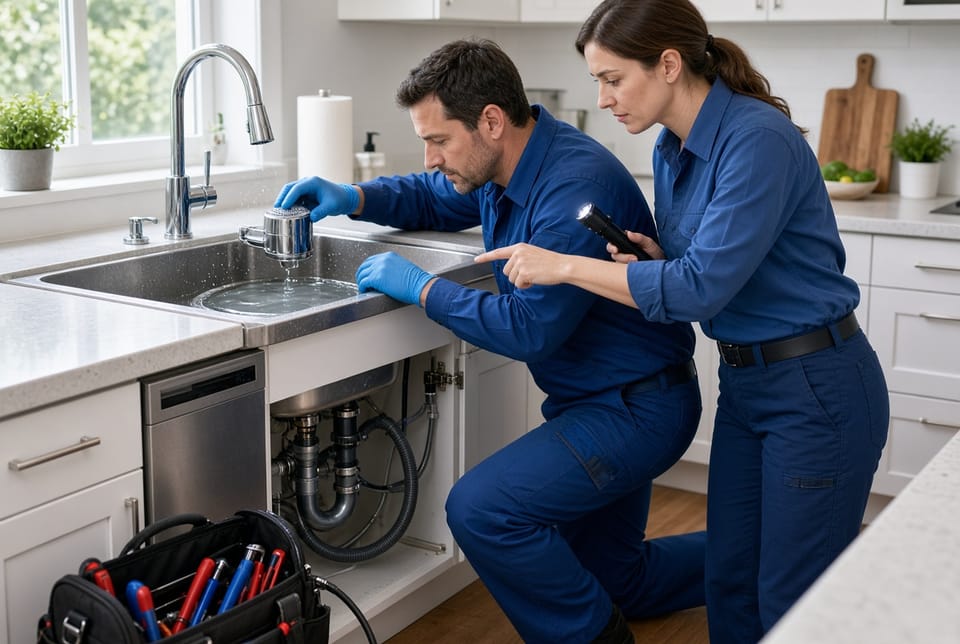
A properly functioning dishwasher air gap stands as one of the most overlooked yet essential components in any modern kitchen plumbing setup. This small device plays a critical role in safeguarding your home’s water supply and preventing serious contamination risks. Understanding its purpose, recognizing early warning signs of trouble, and knowing exactly how to maintain it can save homeowners from costly repairs, potential health hazards, and unnecessary frustration. In the following comprehensive guide, we explore every aspect of the dishwasher air gap—from its code-mandated necessity to practical cleaning techniques—delivered in a clear, authoritative manner that empowers you to take confident action.
Call Today to Prevent Backflow & Protect Your Kitchen
Understanding the Dishwasher Air Gap and Its Core Purpose
The dishwasher air gap is a simple yet highly effective plumbing fitting installed on the countertop or sink deck, typically near the faucet. Its primary function is to create a physical break in the drain line that connects your dishwasher to the sink’s waste system. By introducing an open air space between the dishwasher’s discharge hose and the household drain, the air gap ensures that dirty water, food particles, or contaminants from the sink cannot flow backward into the dishwasher.
Without this protective barrier, a clogged sink drain or sudden pressure change could force wastewater upstream, contaminating clean dishes, the dishwasher’s interior, and potentially the broader water system. This backflow prevention is not merely a convenience—it is a fundamental safeguard for household hygiene and safety. The air gap operates passively: during a normal dishwasher cycle, water exits the appliance, rises through the air gap’s chamber, and then flows downward into the sink drain. Any obstruction in that path immediately becomes visible or audible, alerting the homeowner long before larger problems develop.
Homeowners often underestimate the importance of this component because it rarely draws attention when working correctly. Yet its continuous presence guarantees that every load of dishes remains protected from cross-contamination. Maintaining awareness of the dishwasher air gap transforms routine kitchen use into a more secure and reliable experience.
Why Plumbing Codes Require a Dishwasher Air Gap
Across the United States, plumbing codes consistently mandate the installation of a dishwasher air gap or an approved equivalent backflow prevention method. These requirements stem from the fundamental principle of protecting potable water systems and preventing the spread of contaminants. Local building departments and national model codes, such as those influencing residential construction standards, emphasize that dishwashers must discharge through an air gap to eliminate any possibility of siphoning or reverse flow.
The rationale is straightforward and rooted in public health. Dishwasher wastewater often contains grease, soap residue, food debris, and bacteria. If this material were allowed to re-enter the appliance or migrate toward clean water lines, the risk of illness and property damage would rise dramatically. Code officials therefore treat the dishwasher air gap as a non-negotiable safety feature rather than an optional accessory. In many jurisdictions, inspections will fail a kitchen remodel or new construction project if the air gap is missing, improperly installed, or substituted with an unapproved alternative.
Compliance brings peace of mind. Knowing that your home meets established standards means fewer worries about hidden plumbing failures and greater confidence during future property transactions or insurance reviews. When a licensed plumber installs or verifies the dishwasher air gap, the work is performed to precise specifications that account for local variations in water pressure, drain configurations, and fixture heights. This professional attention ensures long-term reliability and full adherence to the letter of the code.
How the Air Gap Prevents Backflow into the Dishwasher
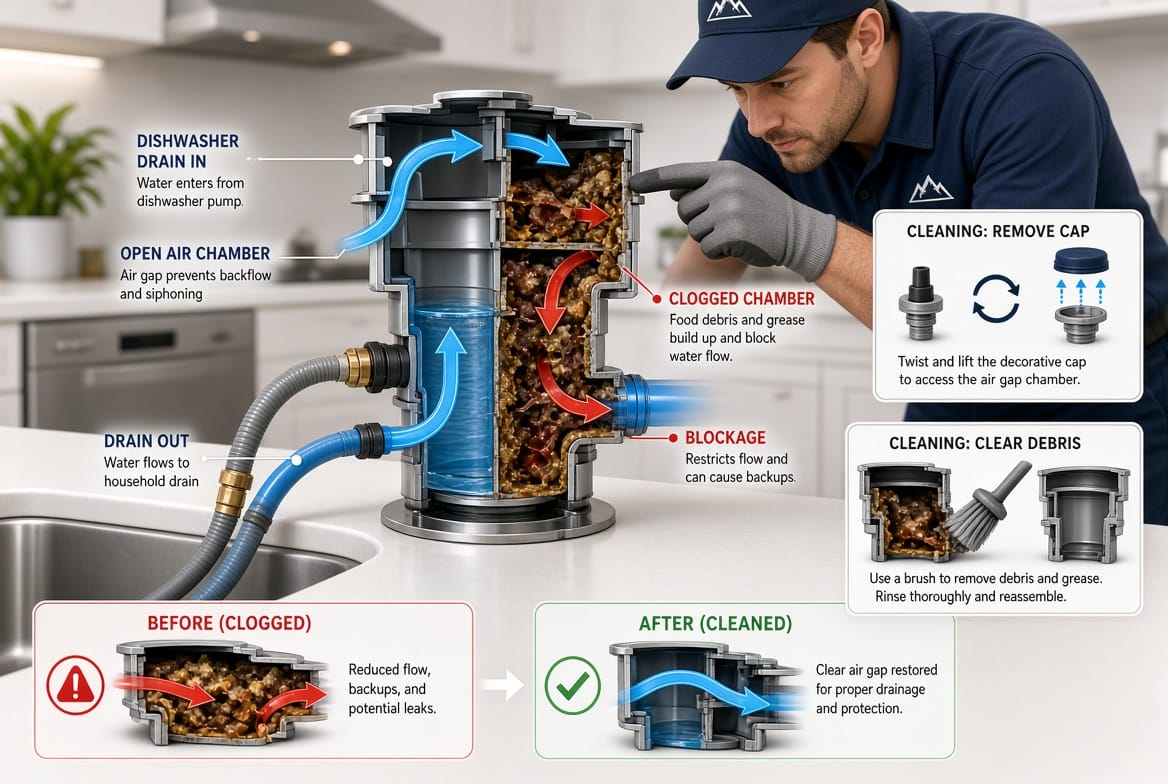
The mechanics of the dishwasher air gap rely on basic physics and clever design. Water leaving the dishwasher travels through a discharge hose that rises into the base of the air gap. Inside the device, the water spills into an open chamber before exiting through a secondary hose that leads to the sink’s drain or garbage disposal. Because the chamber remains open to the atmosphere, any reverse pressure from a backed-up sink simply vents into the air rather than forcing water back toward the dishwasher.
This open-air break interrupts the continuous column of water that would otherwise allow siphoning. In practical terms, even if the kitchen sink is completely clogged and standing water reaches the rim, the dishwasher air gap continues to isolate the appliance. The result is a reliable barrier that operates without electricity, moving parts, or frequent adjustment. When the system functions as intended, homeowners enjoy quiet, efficient dishwashing cycles free from unexpected overflows or foul odors.
Understanding this process helps demystify why the air gap sometimes produces a brief gurgling sound or a small amount of water spillage during heavy use. These minor occurrences are normal indicators that the device is actively managing flow. Only when the sounds intensify or water appears on the countertop does attention become necessary.
Recognizing the Signs of a Clogged Dishwasher Air Gap
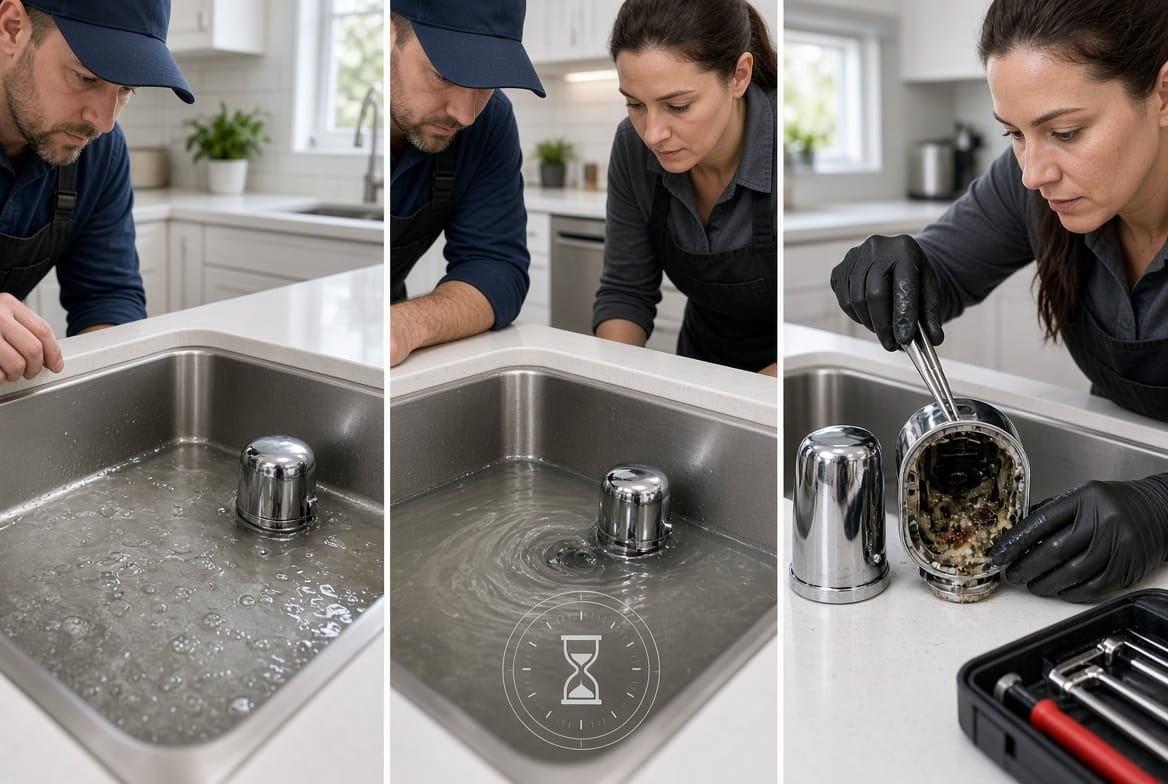
A clogged dishwasher air gap rarely announces itself with dramatic failure. Instead, it presents a series of subtle yet progressive symptoms that attentive homeowners can easily identify. The most common indicator is water standing in the sink after a dishwasher cycle completes. When the air gap’s internal chamber fills with food particles, grease, or mineral deposits, water cannot exit efficiently and backs up through the sink’s drain opening.
Another frequent sign is slow drainage from both the dishwasher and the sink. Dishes may remain wetter than usual at the end of a cycle, or the sink basin may take noticeably longer to empty after filling. In more advanced cases, visible debris appears around the base of the air gap or beneath its decorative cap. A musty odor near the sink or dishwasher can also signal trapped organic material beginning to decompose inside the device.
Occasionally, homeowners notice a small puddle forming on the countertop around the air gap itself. This occurs when pressure forces water out through the open vent rather than down the drain line. Each of these symptoms points to restricted flow and warrants prompt investigation. Early detection prevents the problem from escalating into a full dishwasher malfunction or a more extensive drain-line obstruction.
Regular visual checks—simply lifting the air gap cap every few months—allow most issues to be caught while they remain minor. The presence of any of the classic warning signs should prompt immediate cleaning rather than delayed concern.
Step-by-Step Guide to Cleaning the Dishwasher Air Gap
Cleaning a dishwasher air gap is a straightforward process that most homeowners can complete with basic household tools and a few minutes of focused attention. Begin by locating the cylindrical or dome-shaped fixture on the sink deck or countertop. The outer cap is usually held in place by friction or a simple twist mechanism. Grasp the cap firmly and pull or rotate it upward to remove it, exposing the inner cylindrical body.
Next, inspect the open chamber for accumulated debris. Food particles, coffee grounds, grease residue, and mineral scale commonly collect here. Use a soft brush, an old toothbrush, or a damp cloth to gently dislodge and remove all visible material. For stubborn deposits, a mixture of warm water and mild dish soap works effectively. Avoid harsh chemical drain cleaners, as they can damage plastic components or leave harmful residues.
After clearing the chamber, examine the two hoses connected beneath the air gap. Ensure both remain securely attached and free from kinks. If the secondary drain hose shows signs of blockage, carefully flush it with clean water or use a flexible brush designed for narrow tubing. Once everything is clean and clear, reassemble the air gap by seating the inner body firmly and replacing the decorative cap until it sits flush with the countertop.
Run a short dishwasher cycle while observing the air gap. Water should flow smoothly through the device without backing up or spilling onto the counter. If any residual issues persist, a second cleaning pass or professional inspection may be warranted. Completing this maintenance routine every three to six months, or whenever warning signs appear, keeps the dishwasher air gap operating at peak efficiency and protects the entire kitchen plumbing system.
Additional Maintenance Tips for Long-Term Reliability
Beyond occasional cleaning, several proactive habits extend the life and performance of the dishwasher air gap. Scrape dishes thoroughly before loading to minimize the volume of food solids entering the drain system. Periodically run a hot-water cycle with a cup of white vinegar placed in the bottom of the dishwasher; this helps dissolve grease and mineral buildup throughout the discharge path.
Avoid pouring grease or oil down the sink, as these substances solidify and contribute directly to air gap clogs. If your home has hard water, consider installing a water softener or using a rinse agent that reduces scale formation. When renovating or replacing a dishwasher, insist that the installer verify correct air gap height and hose routing according to local code. Proper initial installation dramatically reduces future maintenance needs.
Should the air gap itself become cracked, discolored, or difficult to reseat, replacement is inexpensive and straightforward. Most hardware stores carry universal models that fit standard sink openings. Choosing a quality chrome or stainless-steel finish not only improves appearance but also resists corrosion over many years of service.
When Professional Plumbing Service Becomes Essential
While routine cleaning falls within the capability of most homeowners, certain situations call for the expertise of a licensed plumber. Persistent water backup despite thorough cleaning may indicate a deeper obstruction in the main drain line or an improperly sized air gap. Unusual noises, leaks at the base of the fixture, or evidence of previous incorrect installation also warrant professional evaluation.
A skilled technician possesses specialized tools for camera inspection of drain lines, precise measurement of code-required clearances, and knowledge of regional plumbing regulations. Engaging professional service ensures that any underlying issues are diagnosed accurately and corrected permanently, restoring full protection to your dishwasher and kitchen sink system. The modest investment in expert attention prevents more expensive repairs later and provides documented assurance that the work meets all applicable standards.
The Broader Benefits of a Well-Maintained Air Gap
Keeping the dishwasher air gap clean and functional delivers benefits that extend far beyond the immediate kitchen. It preserves the integrity of clean dishes, reduces the likelihood of bacterial growth, and supports overall household water quality. Efficient drainage shortens cycle times, conserves energy, and minimizes wear on the dishwasher’s pump and motor. Homeowners also gain the quiet satisfaction of knowing their plumbing system operates exactly as designed, free from the intermittent surprises that accompany neglected components.
In multi-unit buildings or homes with older plumbing, a properly maintained air gap contributes to shared system reliability and helps avoid disputes or liability concerns related to cross-contamination. Real estate professionals frequently note that visible, well-kept air gaps signal attentive ownership during property showings, subtly enhancing buyer confidence.
Conclusion and Clear Call to Action
The dishwasher air gap remains a quiet guardian of kitchen hygiene and code compliance. By understanding its purpose, recognizing the classic signs of clogging—water standing in the sink, slow drainage, and visible debris—and performing simple cleaning steps, every homeowner can maintain this vital device with confidence. Regular attention transforms potential problems into routine maintenance, ensuring uninterrupted dishwasher performance and lasting protection against backflow.
Keep your dishwasher air gap clean. When professional assistance is needed for inspection, repair, or complete replacement. Experienced technicians stand ready to restore optimal function, verify code compliance, and deliver the peace of mind that comes from a fully protected kitchen plumbing system. Taking action today safeguards your home for years of reliable service.
Stop Water Backup Issues – Call for Professional Service