The Deer Overpopulation: Managing Garden Damage and Tick Risks

Suburban homeowners across North America are facing a growing challenge: deer overpopulation. Once primarily a rural issue, white-tailed deer have adapted remarkably well to human environments, leading to increased conflicts in residential neighborhoods. This comprehensive guide explores the root causes, visible impacts on your property, associated health risks, and effective, humane management strategies to restore balance.
Protect Your Garden from Deer Today – Call Now!
As wildlife management professionals, we understand the delicate balance between appreciating local wildlife and protecting your investment in landscaping and family health. With proper knowledge and proactive solutions, you can minimize damage while supporting sustainable deer populations.
Why Deer Populations Are Exploding in Suburbs
Deer thrive in suburban settings due to abundant food sources, lack of natural predators, and protected habitats. Fragmented forests, green lawns, and ornamental gardens provide ideal conditions for rapid reproduction. A single doe can produce twins or triplets annually, causing populations to surge beyond what local ecosystems can support.
Key factors driving overpopulation include:
- Reduced hunting pressure in residential zones
- Year-round food availability from gardens and bird feeders
- Milder winters due to climate patterns
- Urban sprawl creating edge habitats deer prefer
This imbalance doesn't just affect aesthetics — it creates real economic and health burdens for homeowners.
Deer Behavior: Why Your Garden Is Their Buffet
Deer are primarily browsers, selectively feeding on tender shoots, leaves, and buds. In suburban yards, they target high-value plants like hostas, daylilies, roses, fruit trees, and vegetable gardens. They feed most actively at dawn and dusk, often traveling along established trails between wooded areas and residential zones.
Their feeding habits extend beyond plants. Deer also serve as primary hosts for blacklegged ticks (deer ticks), which transmit serious diseases. A single deer can carry hundreds of ticks, spreading them throughout neighborhoods as they move from yard to yard.
Understanding these patterns is the first step toward effective deer management. By recognizing signs like hoof prints, droppings, and ragged plant edges (as opposed to clean cuts from rabbits or insects), homeowners can identify problems early.
The Costly Damage to Suburban Landscaping
Deer damage goes far beyond occasional nibbling. Repeated browsing can kill young trees and shrubs, stunt growth, and destroy expensive perennial beds. In severe cases, properties lose thousands of dollars in landscaping value within a single season.
Common types of deer damage include:
- Complete defoliation of ornamental plants
- Bark stripping on trees during winter
- Trampling of lawns and ground cover
- Damage to vegetable gardens, reducing food security for families
- Aesthetic ruin of carefully designed landscapes
Beyond direct plant loss, deer contribute to broader ecosystem stress by over-consuming native vegetation, which allows invasive species to take over. This creates a cycle that further encourages deer to rely on human-maintained gardens.
Tick Risks and Lyme Disease Concerns
One of the most serious issues associated with deer overpopulation is the spread of tick-borne illnesses. Deer don't transmit Lyme disease directly, but they amplify tick populations by providing blood meals for adult ticks, which then lay thousands of eggs.
Lyme disease symptoms can include fatigue, joint pain, neurological issues, and long-term complications if not caught early. Children and pets playing in yards are particularly vulnerable. Other tick-borne diseases like anaplasmosis and babesiosis add to the public health burden.
In tick-heavy regions, deer management becomes a critical component of family health protection. Reducing deer density helps break the tick life cycle, lowering overall risk without eliminating beneficial wildlife entirely.
Additional Safety Hazards from Deer in Residential Areas
Beyond gardens and ticks, deer create other significant risks:
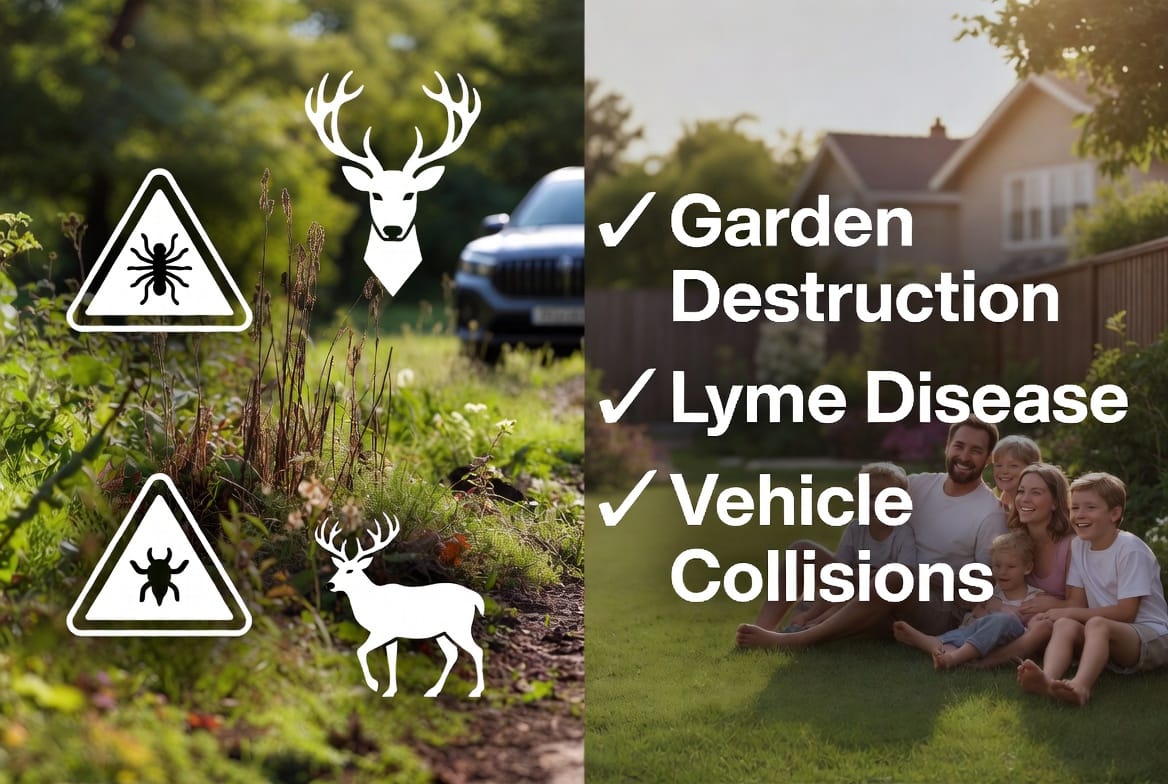
- Vehicle collisions: Deer-vehicle accidents cause millions in damages annually and pose serious injury risks to drivers.
- Aggressive behavior during mating season (rut) or when protecting fawns.
- Property infrastructure damage, including fencing and irrigation systems.
- Indirect attraction of other wildlife like rodents or predators.
These cumulative effects make proactive deer population management essential for suburban safety and quality of life.
Humane and Effective Management Strategies
Effective deer control combines multiple approaches tailored to your specific property. There is no single "magic bullet," but integrated strategies deliver the best long-term results.
Physical Barriers: The Foundation of Protection
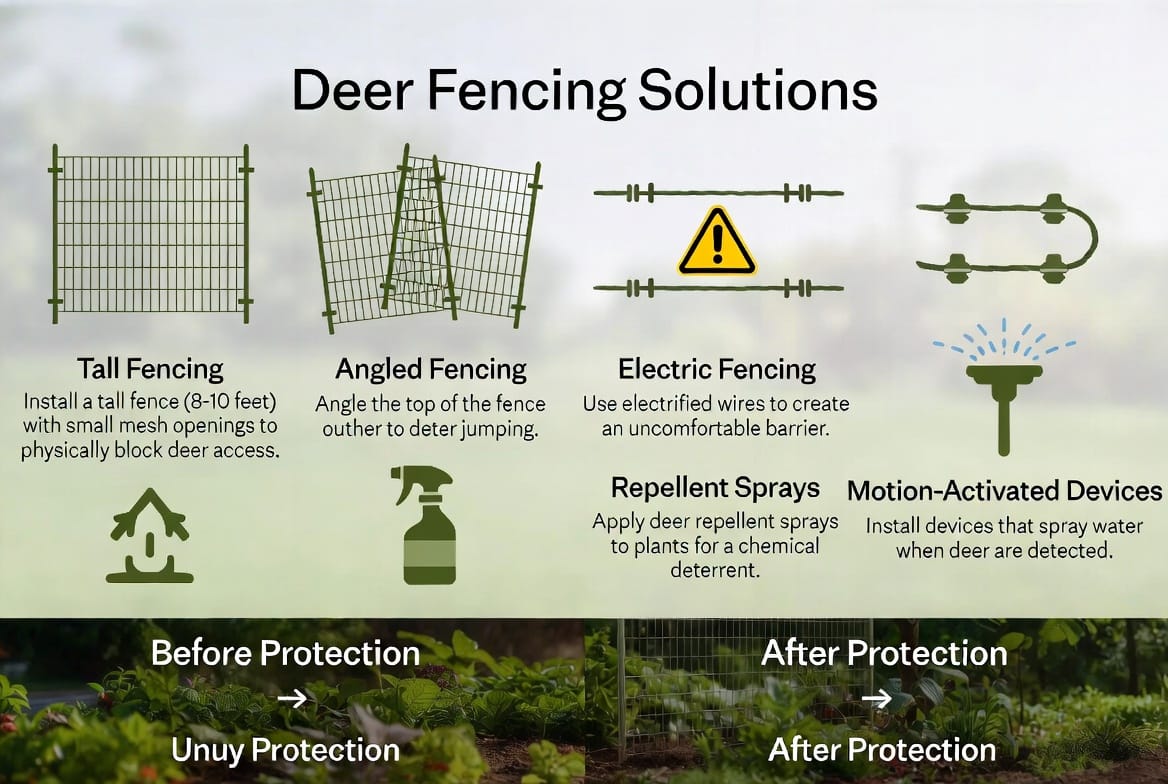
High-quality fencing remains one of the most reliable solutions. Effective deer fences typically need to be at least 8 feet tall or use angled designs that deer find difficult to jump. Double fencing or electric options provide additional deterrence.
For smaller areas like vegetable gardens, shorter specialized fencing works well when combined with other methods.
Repellents and Deterrents
Modern deer repellents use scent, taste, or fear-based mechanisms. Effective options include:
- Botanical sprays with putrescent egg solids or capsaicin
- Predator urine applications
- Motion-activated sprinklers or noise devices
- Planting deer-resistant species as strategic borders
Consistency is key — rotating repellent types prevents deer from habituating to any single method.
Habitat Modification
Reduce attractants by:
- Removing bird feeders during peak seasons
- Using deer-resistant landscaping designs
- Maintaining clear visibility around property edges
- Eliminating dense underbrush that provides cover
Professional Wildlife Management
When local populations exceed sustainable levels, regulated professional culling (where legally permitted) helps restore ecological balance. Licensed wildlife specialists follow strict ethical guidelines and work within state regulations to implement targeted management.
Our team combines years of experience with science-based approaches to deliver humane, effective solutions customized to each property.
Long-Term Solutions for Sustainable Coexistence
Successful deer management requires ongoing commitment rather than one-time fixes. Monitoring population trends, maintaining barriers, and adapting strategies seasonally lead to the best outcomes.
Communities that work together — through neighborhood associations or local wildlife initiatives — achieve greater success than isolated efforts. Supporting broader conservation programs that address root causes like habitat fragmentation also contributes to healthier ecosystems.
When to Seek Professional Help
If deer damage is impacting multiple areas of your property, ticks are becoming a noticeable problem, or you're concerned about safety, it's time to consult experts. Early intervention prevents escalation and saves significant costs over time.
Our wildlife removal specialists offer comprehensive assessments, customized management plans, and ongoing support to resolve deer-related conflicts effectively and humanely.
Protecting Your Home and Family from Deer Conflicts
Deer overpopulation presents real challenges, but with informed action, homeowners can reclaim their yards while maintaining respect for wildlife. By implementing proven strategies — from robust fencing and smart repellents to professional guidance — you protect both your landscaping investment and family health.
Don't let deer dictate how you enjoy your outdoor space. Take control today with compassionate, effective solutions that work.
Ready to address your deer issues? Manage deer-human conflicts humanely.
Humane Deer Control Solutions – Call Today!