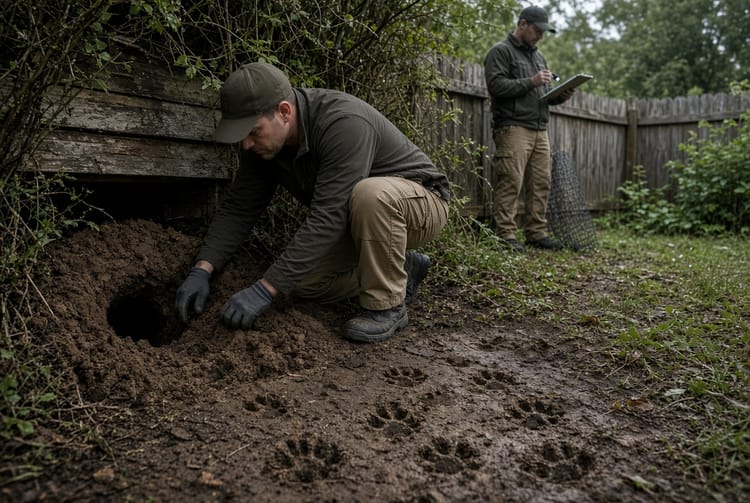
The Coyote Howl: Understanding Communication and Territory
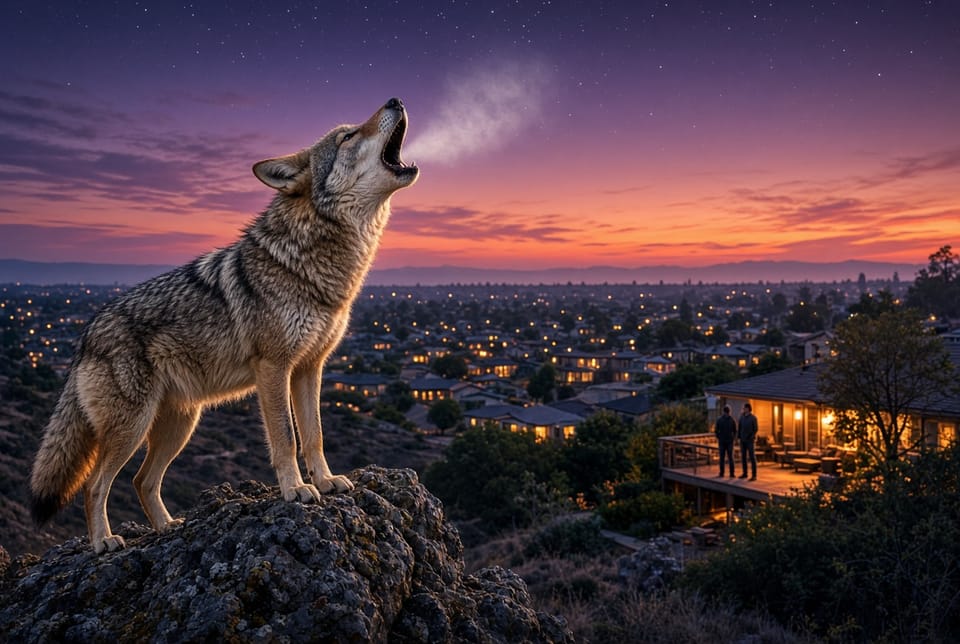
The sound carries farther than most people expect. A rising, falling cry cuts through evening air and many listeners immediately feel a mix of wonder and unease. That reaction is understandable. For generations the coyote howl has been treated as a warning rather than what it actually is: a precise, efficient language. Understanding that language is the most practical step toward safer coexistence. When people know why coyotes vocalize, what different calls mean, and how those calls relate to territory, fear shrinks and sensible habits take its place.
Understand Coyote Howls – Call for Expert Guidance
Coyotes (Canis latrans) are highly vocal canids. They use sound the way people use phones, maps, and neighborhood watch signs. A howl can locate family members, announce occupancy of an area, reduce the need for physical fights, and keep a pack coordinated after dark. None of this requires aggression toward humans. Most urban and suburban encounters remain peaceful precisely because coyotes prefer to communicate at a distance rather than confront. Education turns an eerie nighttime chorus into useful information.
This article explains the main coyote vocalizations—howls, yips, and barks—what those sounds typically signal, how they support territory defense and pack life, and the concrete steps households can take to live alongside coyotes without conflict. The goal is not to romanticize wildlife or to dismiss real risks to small pets. The goal is accurate knowledge that supports calm, consistent action.
Why Vocal Communication Matters More Than Sight
Coyotes occupy a wide range of habitats, from open rangeland to dense suburbs. In every setting they rely on sound because it travels around buildings, through vegetation, and across darkness. Visual contact is often brief; a howl can be heard for a mile or more under good conditions. That range lets a resident pair or family group advertise presence without constantly patrolling every fence line.
Territory for a coyote is not a rigid fortress. It is a working space that contains den sites, hunting routes, and resting cover. Advertisement through howling reduces costly fights with neighboring groups. Two packs that already know each other’s locations waste less energy on boundary disputes. The same principle applies inside the group: scattered members use calls to reassemble after foraging. Understanding this system helps people interpret nighttime noise correctly instead of assuming an imminent threat.
Misreading the sounds creates two opposite problems. Some residents become overly fearful and demand unnecessary removal. Others ignore obvious attractants and then feel surprised when coyotes linger. Both outcomes are avoidable once the basic vocabulary is clear.
The Core Vocalizations: Howls, Yips, and Barks
Coyotes produce a wider range of sounds than the classic long howl, yet three categories cover most of what people hear.
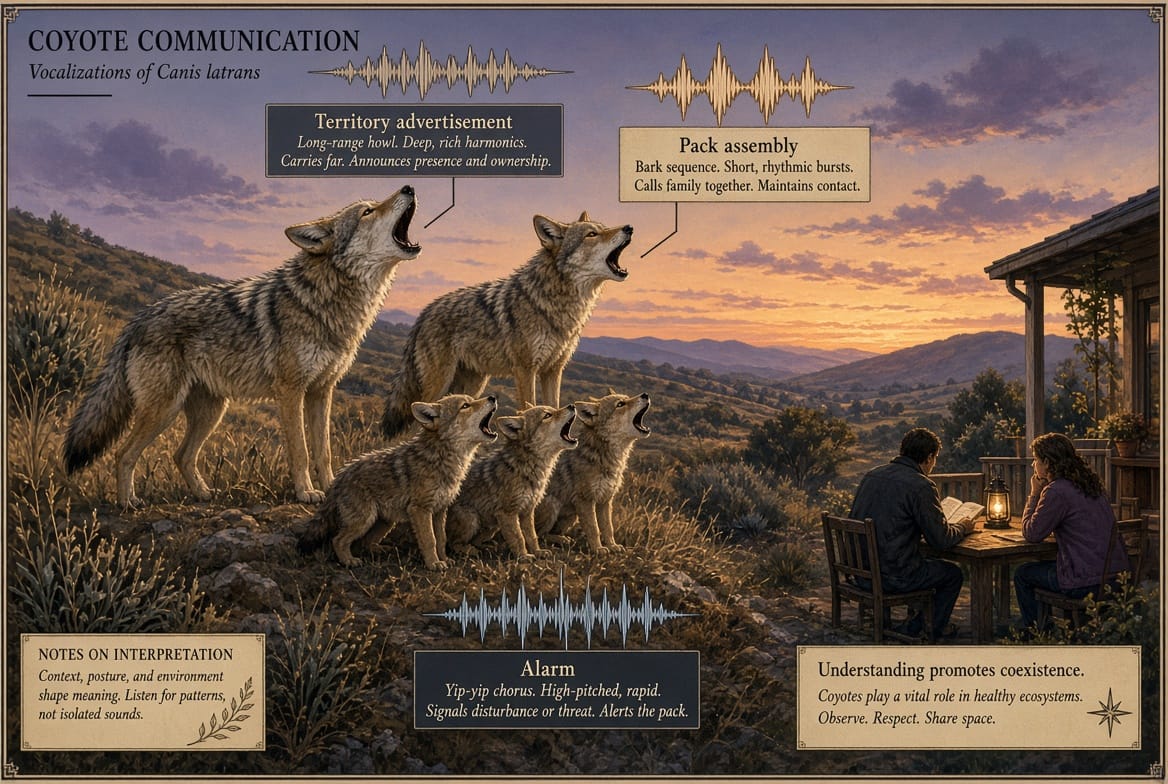
Howls are the longest and most carrying calls. A typical howl begins at a lower pitch, rises, and then falls or wavers. Solo howls often function as location beacons or territorial announcements. When several animals join, the chorus becomes a group howl that can include rapid pitch changes. The combined sound makes a small family appear larger to distant listeners—an efficient bluff that protects the actual group size.
Yips are shorter, higher, and more staccato. They frequently appear at the end of a howl or in excited bursts. Yips help individuals keep track of one another at closer range and often signal social arousal: reunion, play, or the successful location of a pack mate. A series of yips after a howl is sometimes called a yip-howl and is common when family members gather.
Barks are abrupt and sharper. They serve as alarms or warnings. A coyote that has detected something unusual—an approaching person, a dog off-leash, or an unfamiliar canid—may bark to alert others and to tell the intruder it has been noticed. Barking can grade into a bark-howl when the animal wants both to warn and to advertise. In residential areas, barking near a yard often means the coyote is uncomfortable with a dog or with human activity, not that it is preparing to attack people.
These categories blend. A single bout of calling can move from a long howl into yips and finish with a few barks. Context matters: time of year, number of animals, and nearby human activity all influence which sounds dominate. Breeding season and the period when pups are mobile usually produce more frequent and more complex choruses. That increase is communication, not a sudden rise in aggression.
What the Calls Usually Mean
Territory advertisement is one of the most consistent functions of the long howl. A resident pair or family group periodically announces that an area is occupied. Neighboring coyotes hear the message and can choose to stay on their side of an informal boundary. This acoustic spacing reduces physical confrontations. People who hear regular howling from the same direction night after night are often listening to a stable local group rather than a wave of new animals moving in.
Pack communication is equally important. After animals separate to hunt, howls and yips allow them to find one another again. A parent may howl to call young animals back toward a secure area. Siblings use yips during social interactions. These exchanges keep the family coordinated without constant visual contact—an advantage in broken suburban terrain full of fences, roads, and buildings.
Alarm and warning calls protect both the coyotes and, indirectly, people. A bark directed at a loose dog tells the dog it has been seen and tells other coyotes that attention is required. Most of the time the interaction ends there if the dog is brought under control. Interpreting the bark as a general attack signal leads to unnecessary alarm. Interpreting it as “I see you; give space” leads to better management of pets.
Not every sound is a message to humans. Much of the nightly conversation is internal to the coyote family. Treating every howl as a personal warning creates stress that the animals themselves are not causing. The more accurately residents map sound to function, the easier it becomes to decide which situations need action and which need only awareness.
Territory, Pack Structure, and Urban Reality
A typical coyote territory in mixed suburban habitat may cover several square miles, though size varies with food availability and human density. Core areas around dens receive the strongest defense, especially when pups are young. Howling intensity often peaks in late winter and spring as pairs reinforce pair bonds and later as families advertise occupancy. Summer and fall calling continues but may shift toward location and assembly as young animals become more independent.
Pack structure is usually a family: a breeding pair plus offspring from the current year and sometimes yearlings that have not yet dispersed. Larger groups occur but are less common in many urban settings. The group howl lets this relatively small unit sound more formidable. That acoustic illusion is useful. It is also a reminder that the animals people hear are often a tight family, not an invading army.
Urban coyotes have learned to use human landscapes. They travel along drainage corridors, golf-course edges, and quiet streets after dark. They exploit unsecured garbage, fallen fruit, pet food left outdoors, and rodents attracted to those same sources. Vocalizations in these settings still serve the same core purposes—territory and family coordination—but the audience now includes people who may never have heard a coyote until they moved to the edge of town. Education closes that gap.
Coexistence does not require people to like every sound they hear. It requires them to recognize that the sounds are functional and that most conflict is preventable through habitat modification and consistent human behavior.
Practical Coexistence: Reducing Attractants and Managing Risk
The single most effective strategy is to make a property uninteresting. Coyotes that find no easy food and no unattended small pets have little reason to linger. The following habits address the most common attractants and the most frequent points of conflict.
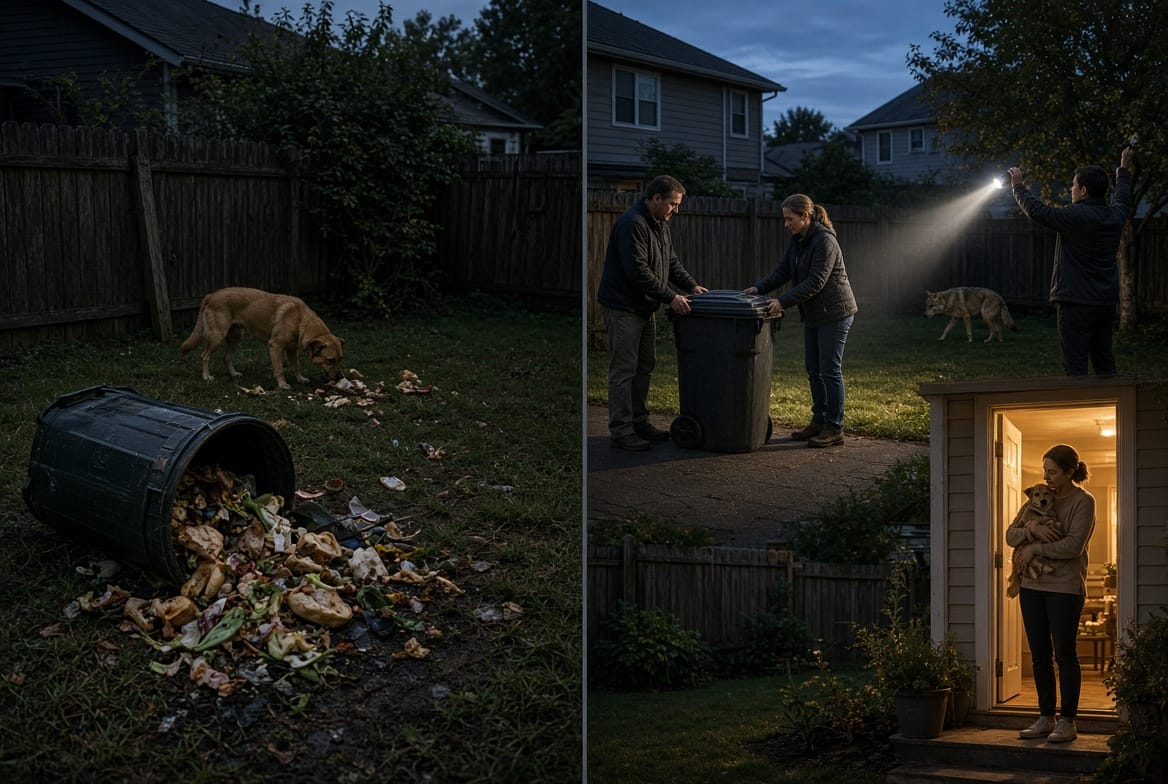
- Secure all outdoor trash in containers with tight lids and bring cans in promptly after collection.
- Feed pets indoors. If outdoor feeding is unavoidable, pick up bowls as soon as the animal finishes.
- Remove fallen fruit and clean up seed under bird feeders; both draw rodents that in turn draw coyotes.
- Keep grill areas and compost bins inaccessible.
- Supervise small dogs and cats, especially at dawn and dusk. Use short leashes in areas where coyotes are known to travel.
- Install motion lighting and consider coyote rollers or other fence-top deterrents where pets spend time in yards.
These steps do not eliminate coyotes from a neighborhood. They reduce the payoff for spending time near houses. When the payoff drops, so does the frequency of close encounters.
Hazing is the next layer. Hazing means teaching coyotes that people and yards are unpredictable and uncomfortable, not sources of food or shelter. Effective hazing is assertive but not cruel: stand tall, wave arms, shout in a firm voice, shake a can of coins, or spray a hose. The goal is to make the animal leave the immediate area. Hazing works best when it starts early—when a coyote first appears comfortable in a yard—rather than after it has already learned that people will retreat.
Hazing should never include feeding “just this once” or attempting to befriend the animal. Inconsistent signals teach coyotes that some people are sources of food. Consistency from an entire neighborhood is more powerful than any single household acting alone.
Small-pet risk is real and should be stated plainly. Coyotes are opportunistic. An unsupervised cat or a tiny dog left in a yard at night can be viewed as prey. That fact does not mean coyotes are hunting children or adults. Documented attacks on people remain rare. The practical response is supervision and secure containment, not panic or wholesale removal campaigns that simply open the territory for new animals.
When Professional Guidance Helps
Most situations resolve with the habits above. A few do not. Repeated daytime loafing in a yard, an animal that refuses to leave when hazed, or any coyote that appears sick or unusually bold deserves a call to qualified wildlife professionals. Education-focused services can distinguish normal territorial behavior from habituation and can advise on site-specific changes. Removal is sometimes appropriate, yet it is rarely the first or only tool. Vacant territories are quickly reoccupied. Lasting improvement comes from changing the conditions that made the property attractive.
Seasonal awareness also helps. Denning season and the weeks when pups begin to travel produce more vocal activity and, occasionally, more defensive behavior near a den. Giving extra space during those windows, keeping dogs leashed, and continuing attractant control usually carry households through the period without incident.
Community-level consistency multiplies individual effort. Neighborhood associations that share the same message—do not feed, supervise pets, haze early—see fewer chronic problems than streets where some households leave food out and others demand trapping. Coyotes read the overall pattern of human behavior. A clear pattern of “no reward, some discomfort” keeps them wild and wary, which is the safest condition for everyone.
Listening Differently Changes Outcomes
The next time a howl rises after sunset, the informed response is recognition rather than alarm. A long, wavering call may be a resident pair confirming that their area is still occupied. A burst of yips may mean family members have found one another after a night of hunting. A few sharp barks may mean a coyote has noticed a dog and wants distance. Each sound is information. Acting on that information—securing attractants, supervising pets, hazing when an animal grows too comfortable—protects both people and the animals themselves.
Coyotes will remain part of many North American landscapes. They are adaptable, intelligent, and vocal. Those same traits make them excellent subjects for public education. When residents understand communication and territory, they stop treating every nighttime chorus as a crisis. They start treating it as a cue to keep doing the small, consistent things that make coexistence work.
Understand coyote behavior for safer coexistence. For wildlife education and practical guidance tailored to your property. Knowledge, not fear, is the most reliable tool available.
Learn Coyote Vocalizations – Get Professional Advice