The Coyote Den Discovery: Finding and Managing Pups Without Harm
Spring brings new life to the wild, but it also brings coyote denning season — a critical time when these intelligent canines seek safe spaces to raise their pups. Homeowners in suburban and rural areas often discover signs of coyote activity near their properties, leading to concerns about safety, pets, and property. The good news? With the right knowledge and a humane approach, you can manage these situations effectively without causing harm to the animals.
Protect Your Family from Coyote Dens Today
This comprehensive guide explores how to identify coyote dens, understand their behavior during pup-rearing season, and implement safe management strategies that prioritize both human safety and wildlife welfare.
Understanding Coyote Denning Season
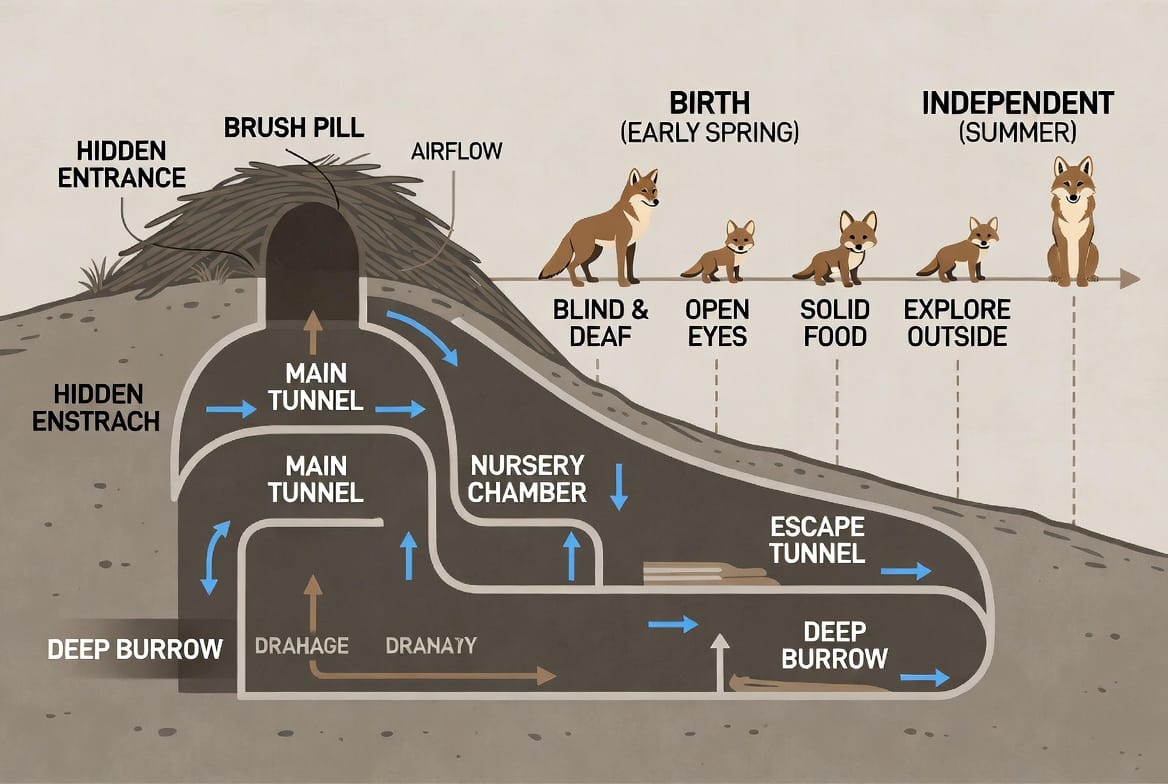
Coyotes typically breed in late winter, with pups born in early spring. The denning period is a vulnerable time for the family unit, as parents become highly protective and active around the den site. Dens serve as nurseries where pups spend their first few weeks, gradually venturing out as they grow stronger.
During this season, coyotes prefer locations that offer protection from predators and weather while remaining close to food sources. Ignoring a den can lead to escalating conflicts, but disturbing one prematurely can cause unnecessary stress to the family and potential legal issues, as coyotes are protected in many regions.
Coyote Den Characteristics
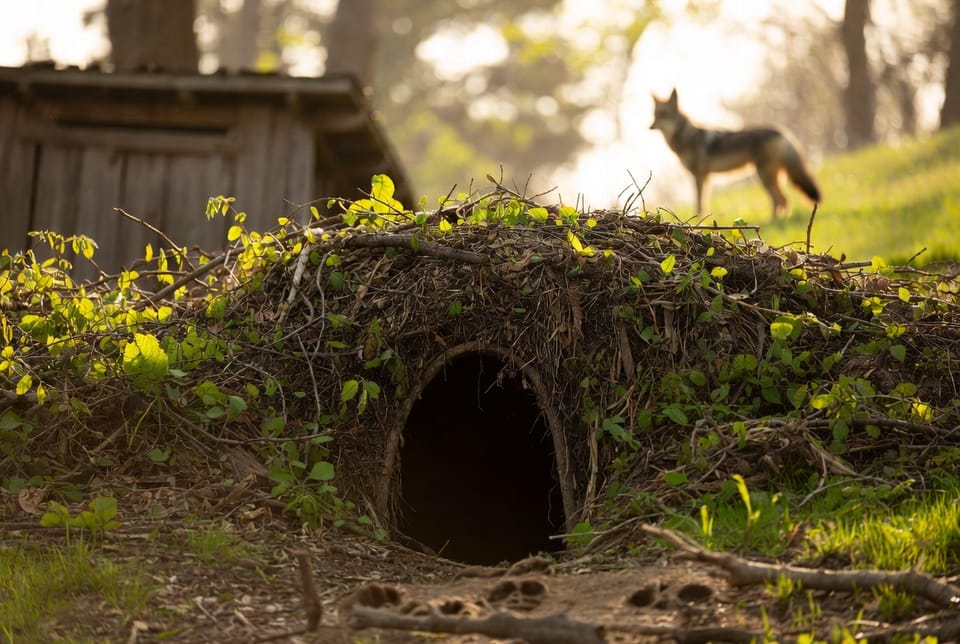
Coyote dens are masterfully concealed, reflecting the species' natural wariness. Common features include:
- Hidden entrances often tucked under dense brush piles, rock outcrops, or fallen logs.
- Locations beneath porches, sheds, or abandoned structures in suburban settings.
- Multiple entry/exit points for escape routes.
- Depth ranging from a few feet to more elaborate tunnel systems.
These dens are usually chosen for their seclusion and proximity to water and prey. In spring, fresh digging or worn paths around the entrance become noticeable as parents maintain the site.
How to Locate a Coyote Den Safely
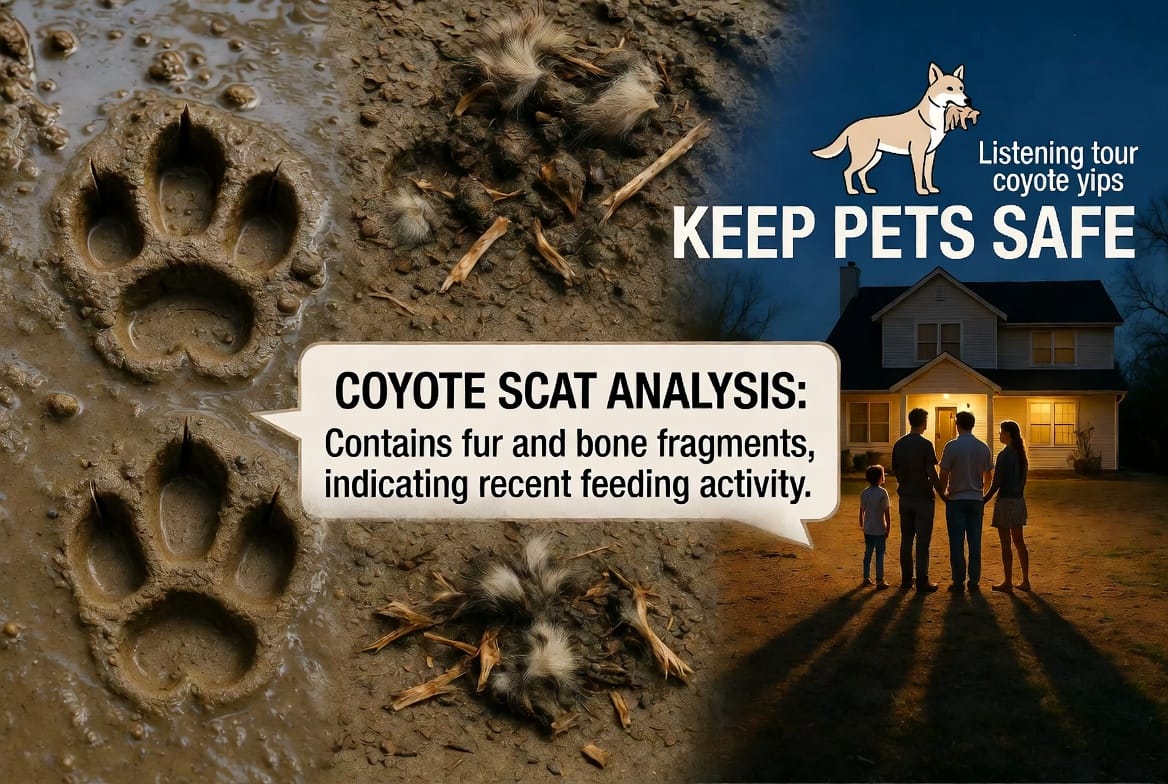
Discovering a den requires patience and observation rather than direct confrontation. Following tracks in soft soil or mud after rain often leads to the site. Listen for the distinctive yipping and howling of pups at dusk or dawn — these vocalizations are a clear giveaway.
Look for other indicators such as:
- Scattered coyote scat containing fur or bones near the entrance.
- Flattened vegetation or worn trails leading to the den.
- Reports of missing small pets or poultry in the neighborhood.
- Daytime sightings of adult coyotes carrying food.
Approach with caution and use binoculars from a distance. Never attempt to enter or block the den while pups are present, as this can provoke defensive behavior from the parents.
Signs of Coyote Presence on Your Property
Early detection is key to peaceful coexistence. Be alert for these common signs:
- Tracks: Four-toed prints with claw marks, larger than fox tracks.
- Scat: Dark, rope-like droppings often filled with hair or seeds.
- Yipping sounds at dusk, especially during spring.
- Evidence of small pets or livestock disappearing.
- Digging under fences or around foundations.
Humane Management Strategies
The most effective and ethical approach during spring denning season is to wait for the pups to mature and naturally leave the den, typically within 6-8 weeks of birth. Once the family has relocated, you can safely seal potential den sites.
Recommended steps include:
- Monitor from afar without disturbing the animals.
- Secure trash, pet food, and other attractants to reduce food availability.
- Install motion-activated lights or sprinklers as gentle deterrents.
- Use fencing with buried skirts to prevent future digging.
Waiting for pups to leave minimizes stress and allows the family to complete their natural cycle. Sealing should involve filling entrances with dirt, rocks, or professional exclusion materials after confirming the den is vacant.
Risks of Improper Den Disturbance
Attempting to remove pups or adults prematurely can lead to several issues. Distressed coyotes may become more aggressive in defending their young, increasing risks to humans and pets. Orphaned pups are less likely to survive in the wild, disrupting local ecosystems.
In many areas, harming coyotes or their dens without proper permits violates wildlife regulations. Professional intervention ensures compliance while achieving long-term solutions.
Benefits of Professional Wildlife Removal
Experienced technicians understand coyote behavior and employ proven, humane techniques. They can:
- Accurately assess the den status and pup age.
- Implement safe exclusion and deterrence methods.
- Provide property-specific prevention plans.
- Handle any necessary relocations legally and ethically.
By partnering with experts, homeowners gain peace of mind knowing the situation is managed responsibly.
Preventing Future Coyote Dens
Prevention is always better than reaction. Transform your property into a less appealing habitat:
- Trim dense vegetation and brush piles regularly.
- Secure crawl spaces, sheds, and porches with sturdy barriers.
- Maintain clean yards free of debris that could serve as shelter.
- Use coyote rollers on fences to prevent climbing.
These proactive measures reduce the likelihood of den establishment while enhancing overall property safety.
Coyote Ecology and Coexistence
Coyotes play a vital role in controlling rodent and rabbit populations, contributing to natural balance. Understanding their needs during denning season fosters respect and reduces conflicts. Most issues stem from easy access to food and shelter rather than inherent aggression.
Educational outreach in communities helps promote humane wildlife management practices that benefit both people and animals.
Legal Considerations for Coyote Management
Wildlife laws vary by location, with many states protecting coyotes outside of specific hunting seasons. Always check local regulations before taking action. Professional services stay current with these rules, ensuring your response is both effective and lawful.
Case Studies in Successful Den Management
Many suburban homeowners have successfully resolved coyote den issues by following humane protocols. In one typical scenario, a family noticed tracks near their shed in early spring. By monitoring and consulting professionals, they allowed the pups to fledge naturally before sealing the area, preventing recurrence without harm.
Such stories highlight the effectiveness of patience combined with expert guidance.
Health and Safety Around Coyote Dens
While coyotes generally avoid humans, dens near homes warrant vigilance, especially with children and pets. Vaccinate animals against rabies and other diseases. Teach family members to respect wildlife boundaries and report unusual behavior promptly.
Long-Term Wildlife Management Plans
Developing a comprehensive plan for your property includes seasonal inspections, habitat modification, and ongoing monitoring. This strategic approach addresses not just current dens but future risks as well.
Myths About Coyote Behavior Debunked
Common misconceptions, such as the idea that all coyotes are aggressive or that dens must be destroyed immediately, can lead to poor decisions. In reality, these animals are adaptable survivors that prefer avoidance when possible. Humane management respects this natural behavior for better outcomes.
Choosing the Right Professionals
Look for licensed wildlife removal services with experience in coyote management and a commitment to humane practices. They offer guarantees, follow-up visits, and educational resources tailored to your situation.
Community Resources and Support
Local extension offices, wildlife agencies, and humane societies provide valuable information on coexistence. Participating in community programs can enhance neighborhood-wide prevention efforts.
Conclusion: Responsible Coyote Den Management
Discovering a coyote den during spring doesn't have to mean conflict. By understanding den characteristics, respecting the pup-rearing timeline, and employing humane strategies, you can resolve the situation safely and effectively.
Never disturb a den with pups inside. Professional guidance ensures the best results for your family and the wildlife sharing your environment.
For expert assistance with coyote removal and humane wildlife management. Our team is ready to help you restore safety and peace to your property with compassionate, effective solutions.
Get Professional Coyote Den Removal – Call Today