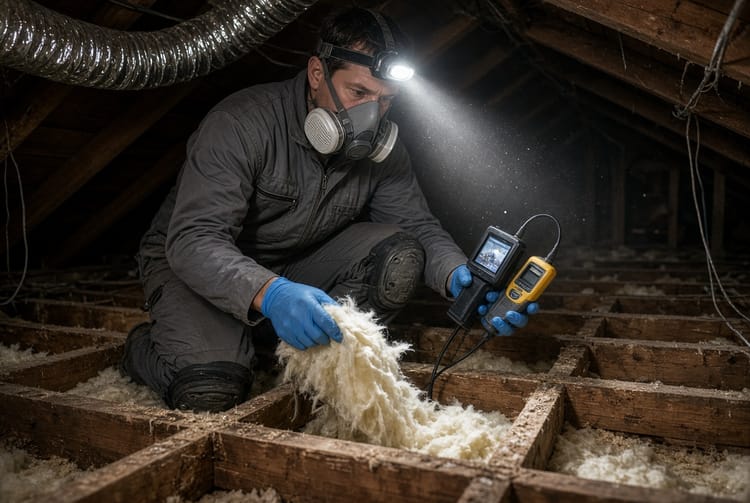
The Coyote Den Discovery: Finding and Managing Pups Without Harm
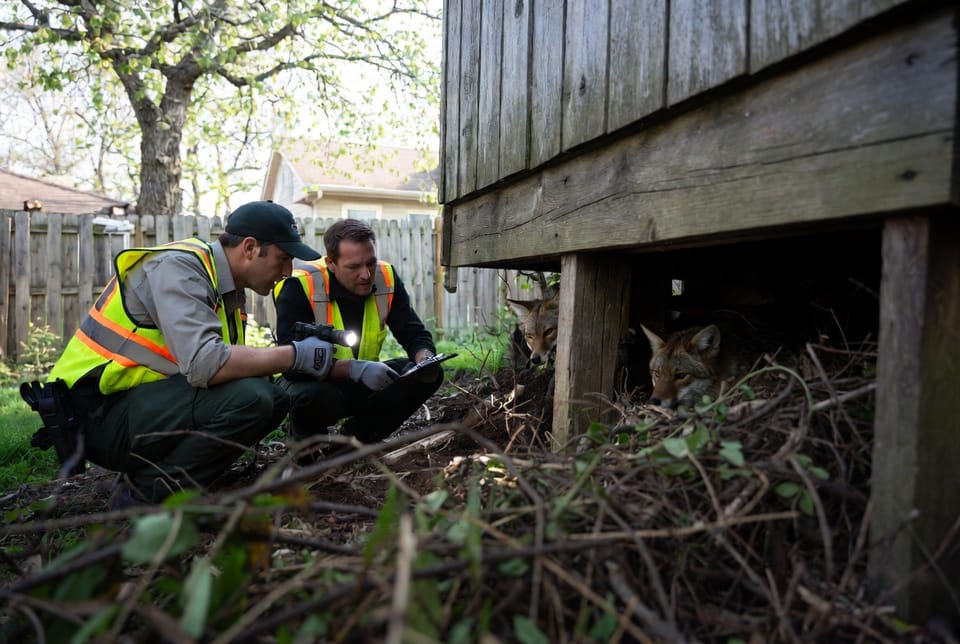
Spring brings renewal to the natural world, but it also marks the coyote denning season—a critical time when these adaptable canines seek secure locations to raise their young. For homeowners and property managers, discovering a coyote den can feel alarming. Yet, with the right knowledge and approach, you can handle the situation effectively while prioritizing humane practices and long-term safety.
Protect Your Home – Call for Coyote Help Today
At Tradewinds Universal Wildlife Removal, we specialize in professional coyote management that protects both your property and local wildlife. This comprehensive guide empowers you with authoritative insights into locating dens responsibly and implementing non-lethal solutions.
Understanding Coyote Behavior During Spring Denning Season
Coyotes are highly intelligent and family-oriented animals. In spring, pregnant females search for protected sites to give birth and rear pups. This period typically spans late March through June, depending on your region, as pups require several months of care before becoming independent.
Key risks during this time include increased coyote activity near human dwellings. While coyotes generally avoid people, a den near your home can lead to concerns about pet safety, livestock, or property damage. However, most encounters are manageable with informed, patient strategies.
Our experience shows that rushing interventions often creates more problems. Humane wildlife removal focuses on allowing natural cycles to complete safely.
Coyote Den Characteristics: What to Look For
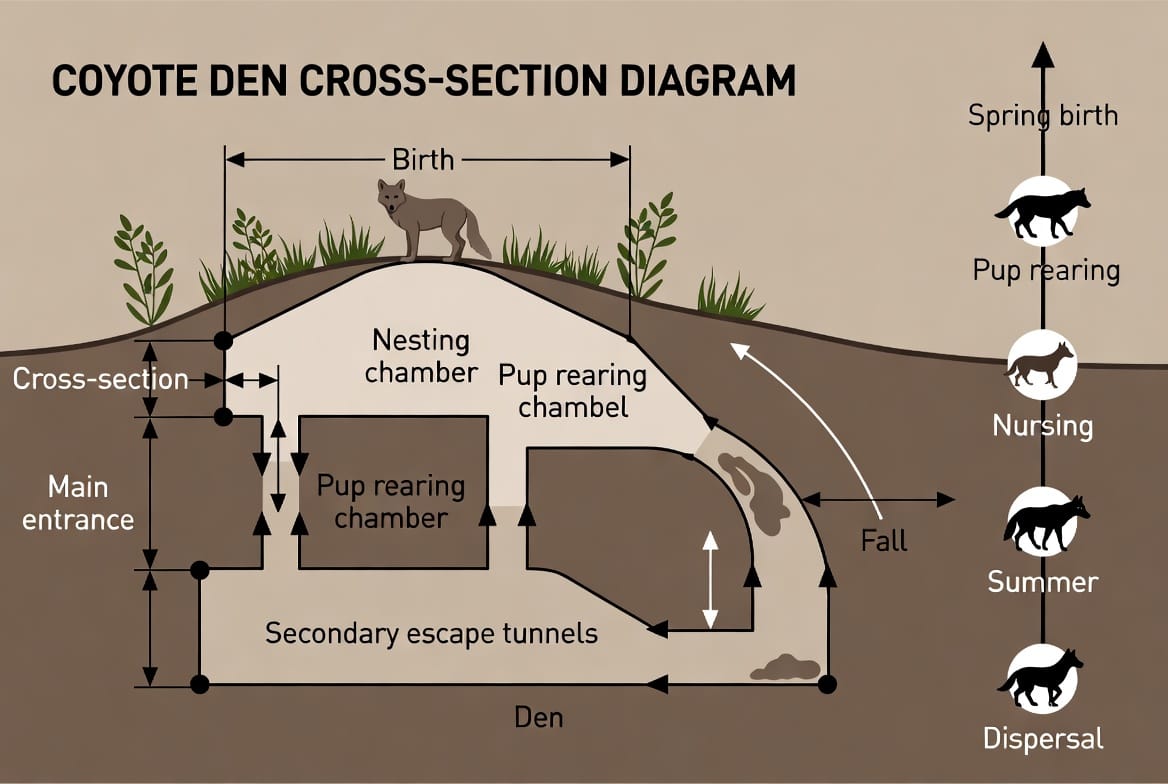
Coyote dens are masterfully concealed to protect vulnerable pups. Hidden entrances are a hallmark—often tucked under dense brush piles, fallen logs, rock crevices, or even man-made structures like sheds, porches, and decks.
Typical features include:
- Narrow, well-camouflaged openings (usually 8-12 inches wide) that blend seamlessly with the surroundings.
- Multiple escape routes for quick family evacuation if threatened.
- Depth and complexity: Tunnels extending several feet underground, leading to a larger natal chamber lined with soft materials for the pups.
- Preference for elevated or sloped ground with good visibility and proximity to water and food sources.
These locations provide excellent cover but can go unnoticed until signs of activity appear. Understanding these traits is the first step in responsible coyote den detection.
How to Safely Locate a Coyote Den
Detection requires patience and observation rather than intrusion. Here’s a professional step-by-step approach:
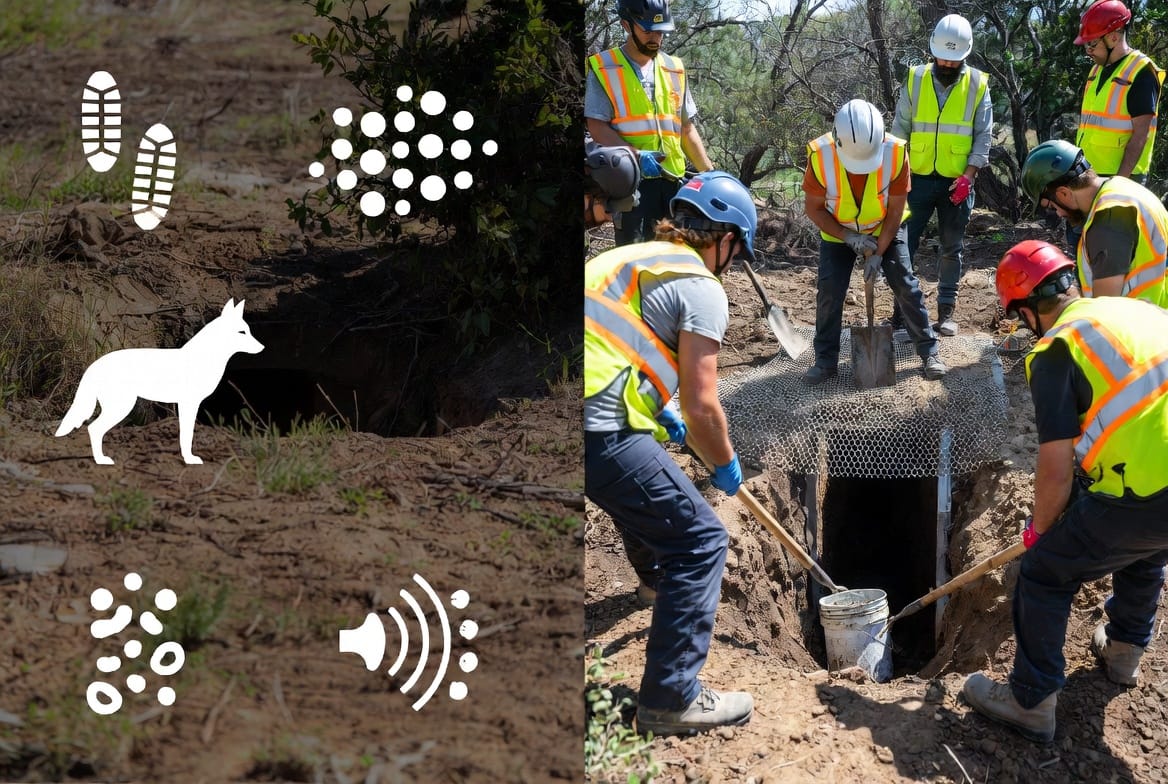
- Follow tracks and trails: Look for coyote tracks—similar to dog prints but with more elongated shapes and visible claw marks—in soft soil or mud near suspected areas.
- Listen for vocalizations: Pups produce distinctive yipping and whining sounds at dusk and dawn. Adult coyotes may howl or bark to communicate.
- Identify scat and remains: Coyote scat often contains fur, bones, or berries and appears twisted with tapered ends.
- Monitor for missing small pets or poultry: This indirect sign can indicate a nearby active den.
- Use trail cameras: Non-invasive technology helps confirm activity without disturbing the family.
Pro Tip: Never approach or enter a potential den site yourself. This minimizes stress on the animals and reduces personal risk from defensive behavior.
Signs of an Active Den:
- Fresh digging or paw prints around entrances.
- Strong musky odor near the site.
- Increased sightings of adult coyotes carrying food.
- Auditory cues like pup yips during early evening hours.
Risks Associated with Coyote Dens on Your Property
While coyotes play a vital ecological role in controlling rodent populations, an active den nearby presents specific challenges:
- Pet and livestock vulnerability: Small dogs, cats, and poultry may be at risk.
- Property impacts: Digging can undermine structures or create tripping hazards.
- Disease transmission potential: Like many wild canids, coyotes can carry parasites or diseases, though transmission to humans is rare with proper precautions.
- Pup dispersal issues: As pups mature and explore, they may venture closer to human activity.
Bold reassurance: These risks are effectively mitigated through timely, professional intervention. Humane coyote removal services ensure compliance with wildlife regulations while restoring peace of mind.
Humane Management Strategies: Waiting, Monitoring, and Sealing
The cornerstone of ethical coyote management is non-lethal resolution. Disturbing a den with pups inside is not only ineffective but can lead to orphaned animals or increased human-wildlife conflict.
Recommended Process:
- Confirm activity without intrusion: Use the observation methods above.
- Allow natural weaning: Pups typically emerge after 4-6 weeks and begin dispersing by late summer or fall. Monitor from a safe distance.
- Implement exclusion once vacant: Seal entrances with sturdy materials like hardware cloth, rocks, or professional-grade barriers after confirming the family has moved on.
- Habitat modification: Remove attractants such as unsecured garbage, pet food, or dense brush piles that provide cover.
- Install deterrents: Motion-activated lights, sprinklers, or ultrasonic devices can discourage return visits.
This timeline-based approach respects the coyotes' life cycle and prevents future denning in the same location.
Why Professional Wildlife Removal is Essential
Attempting DIY coyote den management carries significant safety and legal risks. Professionals bring expertise in:
- Accurate den assessment using specialized tools.
- Compliance with local and federal wildlife protection laws.
- Safe, permanent exclusion techniques.
- Follow-up monitoring to ensure long-term success.
Our team at Tradewinds Universal employs reassuring, science-backed methods that prioritize animal welfare alongside property protection. We understand the balance between human needs and ecological harmony.
Preventative Measures for Coyote-Free Properties
Long-term success depends on proactive steps:
- Secure all food sources: Use wildlife-proof trash bins and feed pets indoors.
- Fence modifications: Install coyote rollers or buried skirting on perimeter fences.
- Yard maintenance: Keep grass short and eliminate hiding spots.
- Community education: Share knowledge with neighbors to create a unified approach.
By addressing these factors, you significantly reduce the likelihood of future coyote den discoveries.
Common Myths About Coyote Management
Myth: All coyotes must be removed immediately.
Fact: Relocation is stressful and often ineffective; humane on-site management yields better results.
Myth: Dens are easy to spot and block.
Fact: Their hidden nature requires expert detection and strategic timing.
Myth: Coyotes are inherently dangerous to humans.
Fact: Healthy coyotes avoid people; conflicts usually stem from habituation due to food sources.
Our authoritative guidance debunks these misconceptions, empowering informed decisions.
The Importance of Timing in Spring Denning Season
Spring decisions set the tone for the entire year. Early detection allows ample time for monitoring without panic. Waiting for pups to fledge ensures no unnecessary harm while addressing your concerns promptly once the den is vacant.
This patient strategy aligns with best practices in modern wildlife control, emphasizing coexistence wherever possible.
Final Thoughts and Call to Action
Discovering a coyote den during spring does not have to disrupt your life. With knowledge of coyote den characteristics, careful location methods, and commitment to humane management, you can resolve the issue responsibly.
Never disturb a den with pups inside. This simple rule protects wildlife and prevents escalation. For expert guidance tailored to your situation.
We’re here to provide reassuring, effective solutions that safeguard your property while respecting nature’s balance. Contact us for a free assessment and take the first step toward lasting peace of mind.
Expert Coyote Den Solutions – Call Now