The Coyote Conflict: Protecting Pets and Property from Urban Coyotes
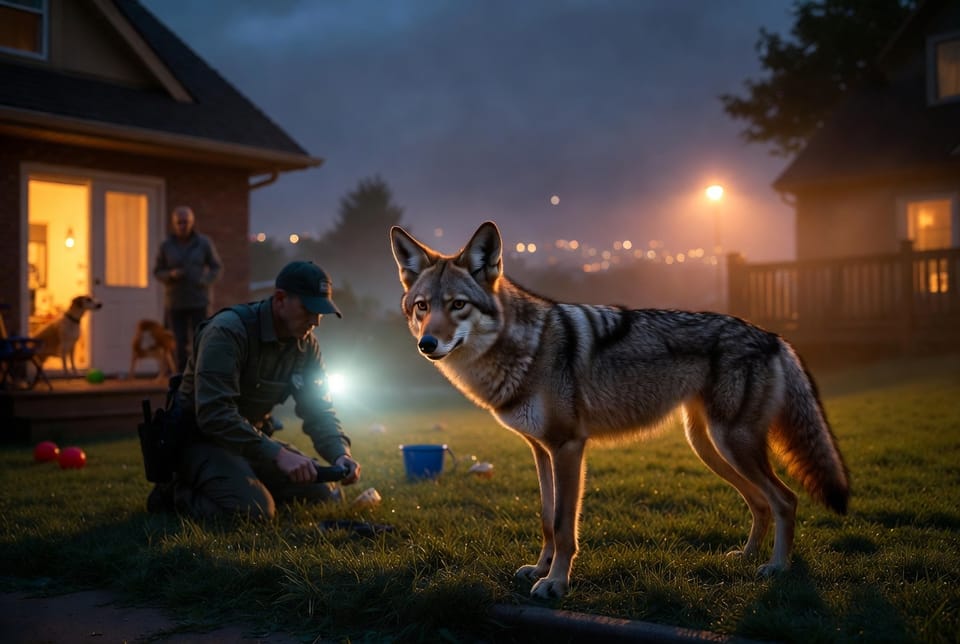
As suburban landscapes expand, encounters with urban coyotes have become more frequent and concerning for homeowners. These highly adaptable wild canids are thriving in residential areas, drawn by abundant food sources and shelter. While coyotes play a role in the ecosystem, their presence near homes poses real risks to pets, poultry, and property. Understanding their behavior and implementing effective deterrence strategies is essential for safe coexistence — or safe removal when necessary.
Secure Your Property from Urban Coyotes – Call Today
At our wildlife management service, we specialize in humane, effective coyote removal and exclusion solutions tailored to suburban properties. This comprehensive guide equips Dallas-area homeowners with the knowledge to recognize threats and take proactive steps.
Understanding Coyote Behavior in Suburban Environments
Coyotes have proven remarkably adaptable to human-dominated landscapes. Originally prairie hunters, they now navigate backyards, parks, and greenbelts with ease. Their intelligence and opportunistic nature allow them to exploit resources that suburban living provides.
Key characteristics of urban coyotes include:
- Nocturnal and crepuscular activity — most active at dawn, dusk, and night.
- Pack and solitary hunting — while often seen alone, family groups coordinate effectively.
- Scavenging prowess — they readily consume pet food, unsecured garbage, fallen fruit, and compost.
- Small mammal and pet predation — they hunt rabbits, rodents, and unfortunately, small dogs and cats when opportunities arise.
This adaptability means coyotes rarely stay far from human activity. A single coyote can cover several square miles nightly, scouting for easy meals. Without intervention, repeated sightings often escalate into bolder behavior, increasing the likelihood of conflicts.
Signs of Coyote Presence on Your Property
Early detection is crucial for effective management. Homeowners who know what to look for can address issues before they become dangerous.
Common indicators include:
- Tracks: Paw prints resembling a medium-sized dog but with more oval shape and visible claw marks. Front tracks are typically larger.
- Scat: Coyote droppings are often tubular, with tapered ends, containing hair, bones, or berries — frequently found on trails or open areas.
- Howling and vocalizations: Distinctive yips, barks, and group howls, especially during breeding season (late winter) or when communicating territory.
- Visual sightings: Coyotes trotting through yards, near pet enclosures, or along fence lines at twilight.
- Missing pets or poultry: Unexplained disappearances of small animals are a major red flag.
If you notice these signs, do not wait. Prompt action protects your family and reduces the chance of habituation. Our team conducts thorough property assessments to confirm activity and identify entry points.
Risks Posed by Urban Coyotes
The threats extend beyond occasional scares. Coyotes can cause significant emotional and financial damage.
Primary risks include:
- Pet safety: Small dogs and cats under 25-30 pounds are vulnerable to attacks, especially when unsupervised.
- Poultry and livestock: Backyard chickens, rabbits, and goats frequently fall prey without secure enclosures.
- Property damage: Digging under fences, scattering garbage, and damaging gardens create messes and repair costs.
- Disease transmission: Coyotes can carry rabies, distemper, parvovirus, and parasites like mange that may affect pets or humans indirectly.
- Human safety: While rare, habituated coyotes may become aggressive, particularly if protecting pups or food sources.
These risks are amplified in areas with green spaces bordering neighborhoods. Protecting vulnerable family members — both two-legged and four-legged — requires a strategic approach.
Effective Deterrence Strategies for Homeowners
Prevention is always preferable to confrontation. Implementing multiple layered strategies creates an environment that discourages coyotes from lingering.
Remove Attractants
Coyotes return to reliable food sources. Start here:
- Secure all trash bins with locking lids and store them in a garage or shed until pickup day.
- Eliminate pet food left outdoors and pick up fallen fruit from trees promptly.
- Maintain compost bins properly and avoid adding meat or dairy scraps.
- Keep bird feeders at a height or use coyote-resistant designs.
Install Physical Barriers
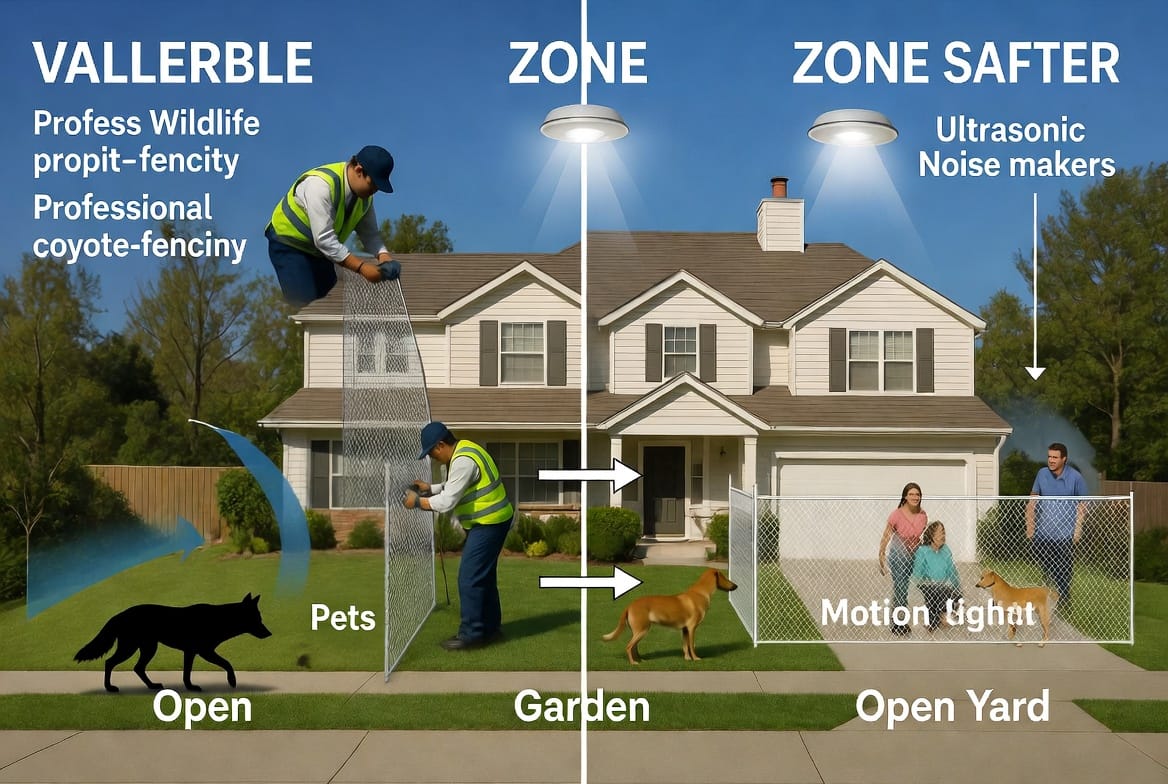
- Coyote-proof fencing: Minimum 6 feet tall with a roller or outward-angled top and buried skirt to prevent digging.
- Secure enclosures: Reinforce chicken coops and dog runs with heavy-gauge wire and locks.
- Gates and gaps: Close off spaces under decks, sheds, and porches that provide denning sites.
Use Hazing and Deterrent Devices
Hazing teaches coyotes to fear humans and developed areas:
- Motion-activated lights and sprinklers startle nocturnal visitors.
- Noise makers such as air horns, whistles, or ultrasonic devices.
- Visual repellents like reflective tape or predator eyes.
- Human presence — walking boldly toward coyotes while making loud noises and waving arms (never approach too closely).
Consistency is key. One-time efforts rarely suffice; sustained pressure combined with habitat modification yields the best results.
When Professional Wildlife Removal Becomes Necessary
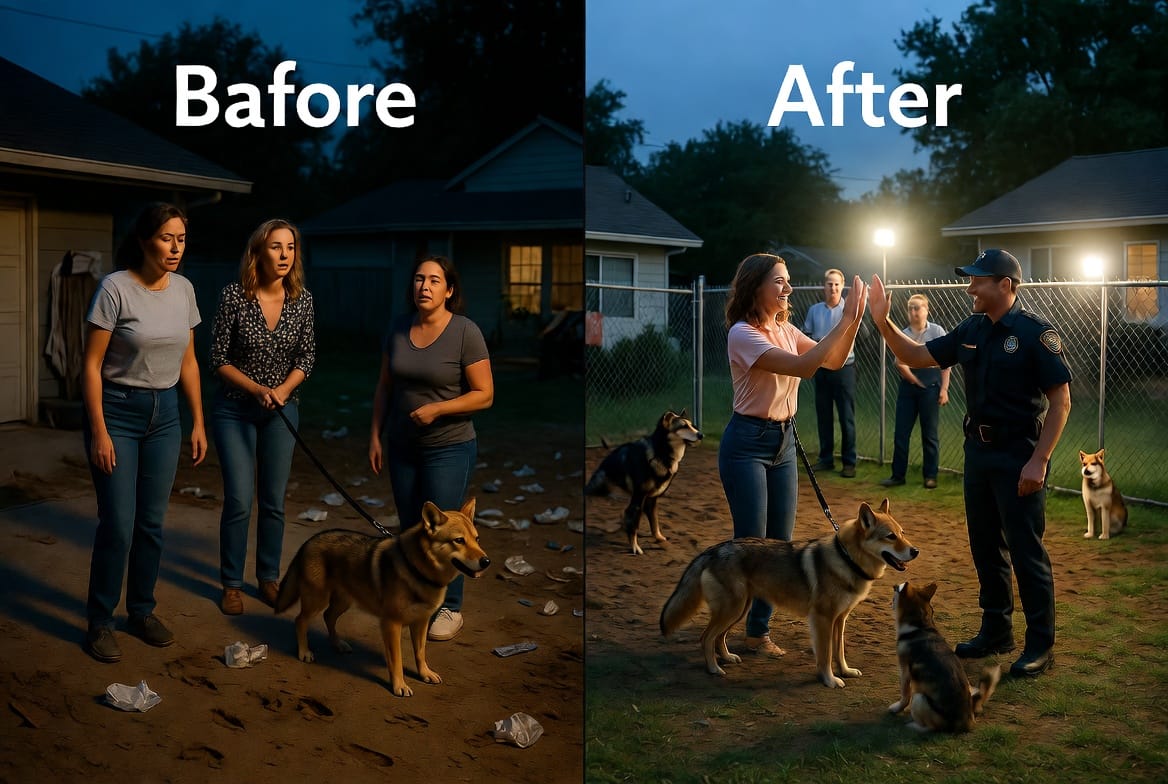
While individual efforts help, persistent or aggressive coyotes often require expert intervention. Signs that it's time to call professionals:
- Repeated sightings in daylight
- Coyotes showing little fear of humans or pets
- Confirmed attacks on animals
- Suspected denning on or near the property
Our certified technicians employ humane, legal methods compliant with Texas wildlife regulations. We focus on exclusion, relocation where appropriate, and long-term prevention rather than lethal measures unless absolutely necessary. Services include:
- Comprehensive property inspections
- Safe trapping and removal
- Den site treatment
- Custom exclusion installations
- Follow-up monitoring
Homeowners appreciate our discreet, family-friendly approach that prioritizes safety and minimal disruption.
Long-Term Prevention and Community Responsibility
Sustainable management involves neighborhood-wide cooperation. Talk to neighbors about shared practices. Support local initiatives that maintain natural prey populations away from residential zones. Report aggressive animals to wildlife authorities promptly.
Educating children on coyote safety is equally important — teach them never to approach wild animals and to alert adults immediately.
By combining awareness, proactive home modifications, and professional support when needed, families can enjoy their outdoor spaces without fear.
Protecting What Matters Most
Urban coyotes are here to stay, but they do not have to dictate how you enjoy your property. With the right knowledge and support, you can effectively safeguard your pets, poultry, and loved ones while maintaining harmony with local wildlife.
Our experienced team stands ready to help Dallas and surrounding communities resolve coyote conflicts quickly and humanely. Don't let these adaptable predators disrupt your peace of mind.
Protect your pets and property from coyotes.
Safe Pets, Safe Yard – Call Coyote Removal Experts Now