The Clover Lawn Alternative: Low-Maintenance, Pollinator-Friendly Ground Cover

Are you tired of the endless cycle of mowing, watering, and fertilizing a traditional grass lawn? Many homeowners are discovering a smarter, greener solution: microclover and white clover lawns. This eco-friendly ground cover offers remarkable benefits while dramatically reducing yard work.
Get Your Low-Maintenance Clover Lawn – Call Now!
In this comprehensive guide, we explore why clover is becoming the preferred choice for sustainable landscapes. Whether you seek a drought-tolerant lawn, a pollinator-friendly yard, or simply more free time, clover delivers on all fronts.
Clover lawns fix their own nitrogen, stay green with minimal water, and support local ecosystems – all while standing up to foot traffic and playful pets.
Why Traditional Grass Lawns Are Falling Out of Favor
Conventional grass requires constant attention. Weekly mowing, seasonal fertilizing, and frequent watering strain both your schedule and the environment. Runoff from chemical fertilizers harms waterways, while gas-powered mowers contribute to air pollution.
Microclover and white clover change this equation. These resilient plants create a dense, carpet-like cover that naturally improves soil health. Homeowners report spending up to 80% less time on lawn care after switching.
Key Benefits of Clover Lawns
Clover lawns stand out through several powerful advantages:
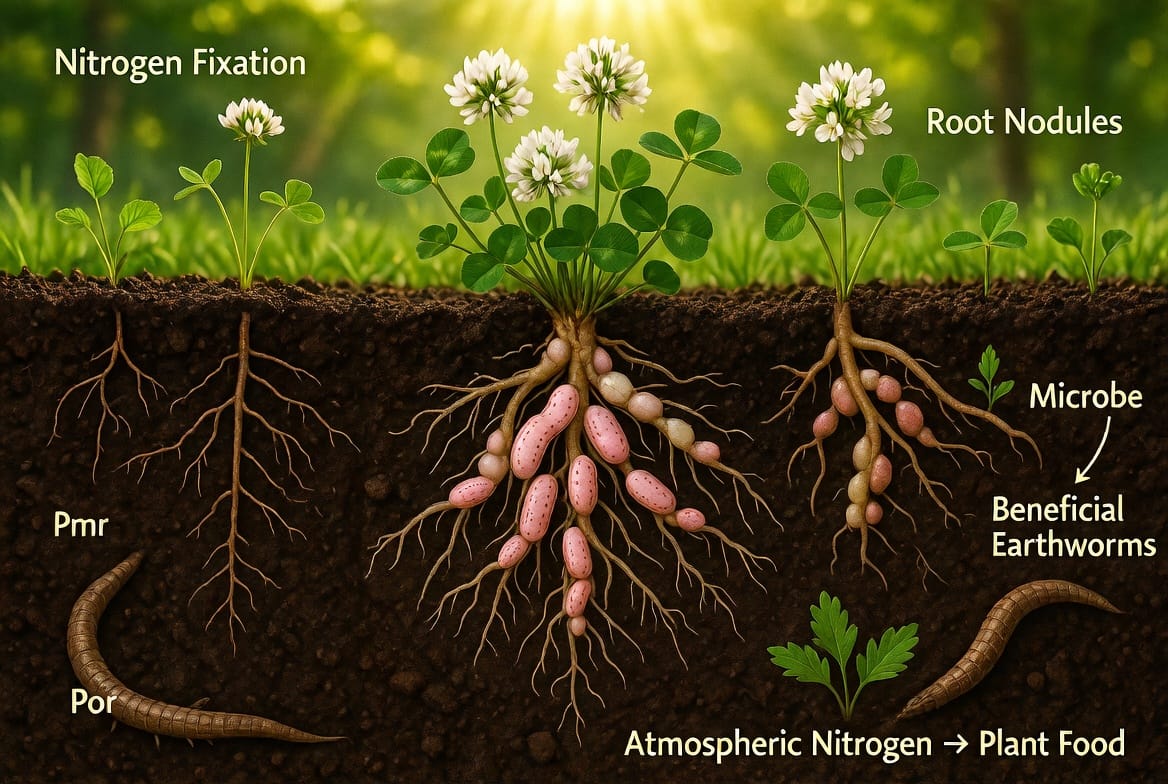
- Nitrogen-Fixing Power: Clover works with soil bacteria to convert atmospheric nitrogen into natural fertilizer, eliminating the need for synthetic products.
- Drought Tolerance: Deep roots access moisture unavailable to shallow grass, keeping your lawn green even during dry spells.
- No Mowing Required: Clover grows low and stays neat without regular cutting, saving time and reducing equipment costs.
- Pollinator Support: White flowers attract bees, butterflies, and beneficial insects, boosting biodiversity in your neighborhood.
- Excellent Traffic Tolerance: Withstands kids, pets, and gatherings without forming bare patches.
- Low Water Needs: Requires significantly less irrigation than traditional turf.
These benefits make clover an ideal choice for busy families, eco-conscious homeowners, and anyone seeking a low-maintenance lawn solution.
How Clover Fixes Nitrogen Naturally
One of the most fascinating aspects of clover is its symbiotic relationship with Rhizobium bacteria. These microscopic partners live in root nodules and produce usable nitrogen for the plant – and surrounding soil.
This process means your clover lawn self-fertilizes. Over time, it enriches the earth for other plants too. Unlike grass that depletes soil nutrients, clover builds them up.
Studies and real-world experience show clover lawns often outperform grass in nutrient-poor conditions. Your yard becomes a living ecosystem rather than a high-maintenance monoculture.
Establishing Your Clover Lawn: Step-by-Step Guide
Transitioning to a clover lawn is straightforward. Most homeowners see excellent results by following these proven steps:
- Assess Your Current Lawn – Test soil pH (ideal range 6.0–7.0) and identify problem areas.
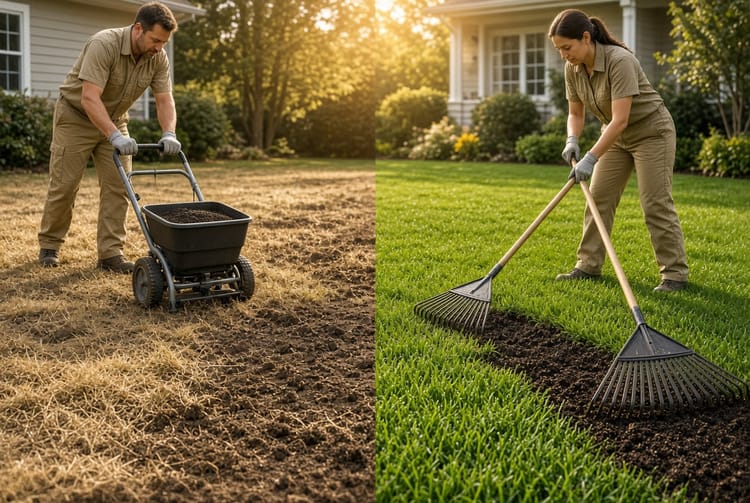
- Reduce Competition – Mow existing grass short and dethatch to expose soil.
- Choose the Right Seed – Select microclover for finer texture or white clover for faster coverage and flowers.
- Prepare the Soil – Lightly aerate and rake in a thin layer of compost.
- Sow the Seeds – Broadcast evenly at recommended rates (typically 2–4 ounces per 1,000 sq ft).
- Keep Moist – Water gently for the first 2–3 weeks until established.
- Be Patient – Full coverage usually takes 6–12 weeks, with flowers appearing in the second season.
Many professionals recommend overseeding existing grass with clover for a gradual transition. This hybrid approach gives immediate coverage while clover takes hold.
Maintenance Differences: Clover vs. Traditional Grass
Clover maintenance is refreshingly minimal compared to grass:
- Mowing: Optional 1–2 times per season for neatness, or never if you prefer a meadow look.
- Watering: Deep but infrequent sessions. Established clover survives on natural rainfall in most climates.
- Fertilizing: Virtually eliminated thanks to natural nitrogen fixation.
- Weeding: Dense growth naturally crowds out most weeds.
- Pest Control: Fewer issues overall; clover attracts beneficial insects that control pests.
You’ll enjoy more weekends free from yard chores while maintaining a beautiful, functional outdoor space.

Environmental Impact and Pollinator Support
Switching to clover represents a meaningful environmental choice. By reducing chemical use and water consumption, you contribute to cleaner waterways and healthier local ecosystems.
The white blooms provide essential nectar and pollen for declining bee populations. Even small clover patches make a difference in supporting biodiversity.
Homeowners often notice increased butterfly activity and birds within the first year. Your lawn transforms from a sterile carpet into a living habitat.
Common Concerns and Reassuring Answers
“Won’t clover attract too many bees?”
Clover flowers are low-growing and non-aggressive. Most people coexist peacefully, and the pollinators focus on flowers rather than people.
“Does it look like a weed?”
Modern microclover varieties create a uniform, carpet-like appearance with attractive green foliage and delicate white blooms that many find more charming than plain grass.
“Will it spread uncontrollably?”
When properly established, clover stays where planted. Simple edging prevents unwanted expansion.
“Is it suitable for my climate?”
Clover thrives across most USDA zones, with excellent performance in both cool and warm regions.
Long-Term Savings and Lifestyle Benefits
Beyond environmental gains, clover delivers substantial cost savings. Lower water bills, eliminated fertilizer expenses, and reduced equipment maintenance add up quickly.
Families report greater enjoyment of their yards. Children play safely on soft, chemical-free surfaces. Pets benefit from a more natural environment.
The reassuring truth is that a clover lawn often looks better with less effort. It stays green through summer heat that browns traditional grass.
Designing with Clover: Creative Landscape Ideas
Incorporate clover creatively:
- Full Lawn Replacement for maximum simplicity
- Pathways and Play Areas where traffic is heavy
- Mixed Borders combining clover with native perennials
- Shaded Spots where grass struggles but clover excels
Many homeowners create stunning “clover meadows” with strategic wildflower additions for visual interest.
Taking the Next Step Toward Your Clover Lawn
Making the switch to a clover lawn is one of the smartest decisions for your property, wallet, and the planet. This low-maintenance, pollinator-friendly ground cover delivers beauty without the burden.
Ditch the grass, grow clover.
Experience the freedom of a lawn that works with nature instead of against it. Your family and local ecosystem will thank you.
Ready to explore lawn alternatives for your property? We provide personalized guidance on clover establishment, seed selection, and ongoing care tailored to your specific conditions.
Transform your yard into a sustainable oasis that practically maintains itself. The clover lawn revolution is here – join the growing number of satisfied homeowners enjoying greener, easier outdoor living.
Transform Your Yard with Eco-Friendly Clover – Call Today