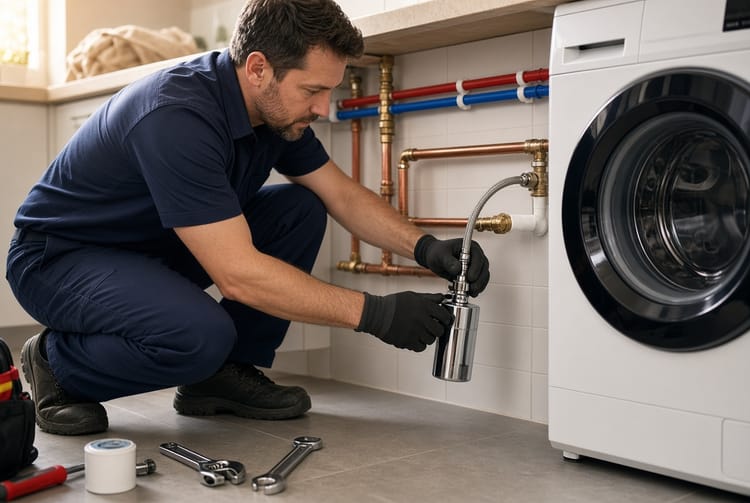
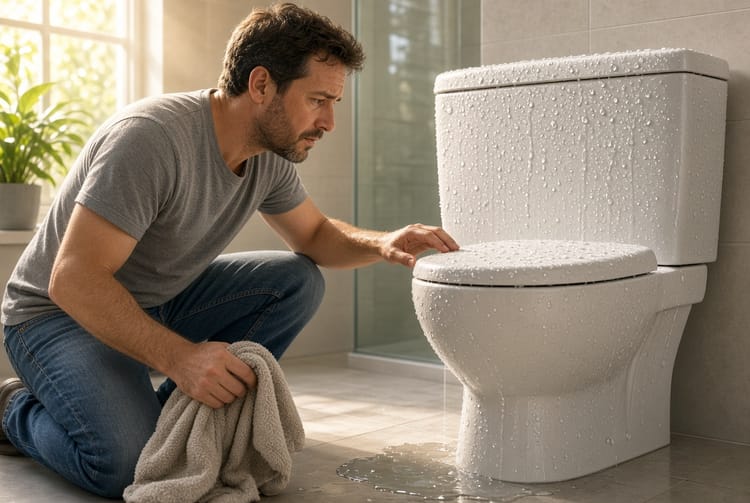
The Clothes Washer Drain Hose: Kinks, Clogs, and Air Gaps
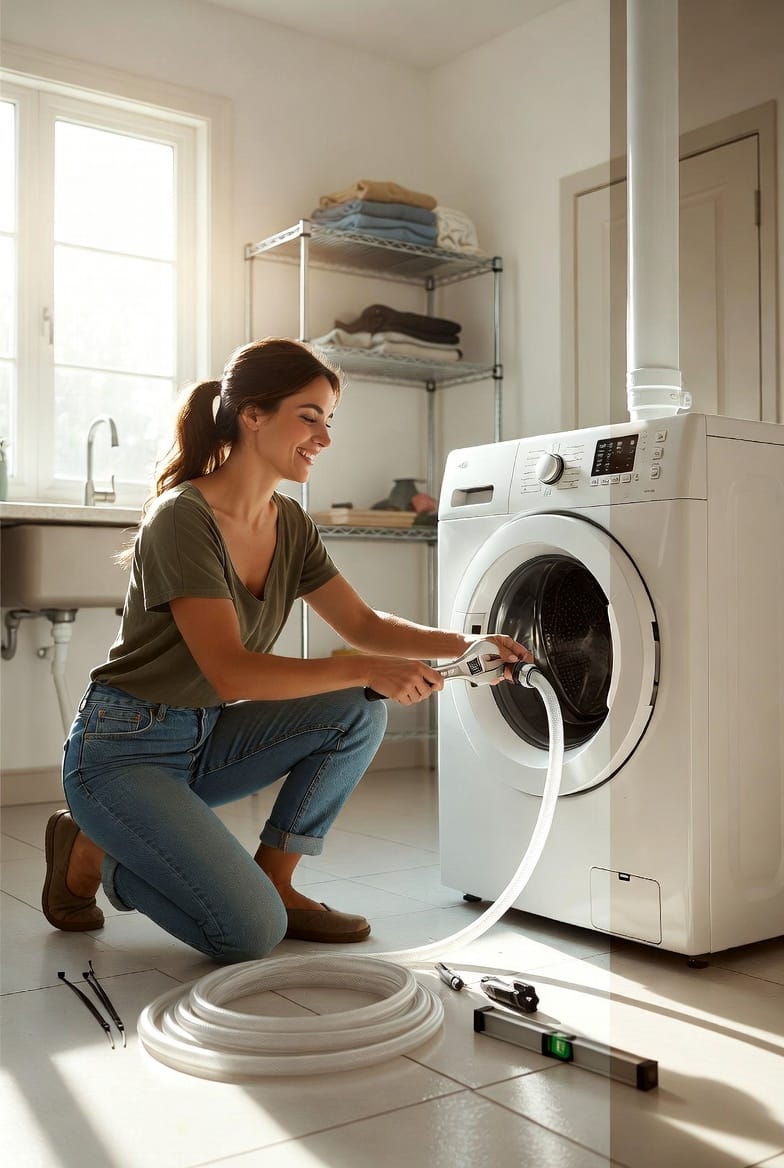
When your washing machine suddenly leaves a puddle on the laundry room floor or produces unsettling gurgling sounds, the culprit is often the clothes washer drain hose. This unassuming component plays a critical role in your laundry system, yet it frequently goes unnoticed until problems arise.
Fix Your Washer Drain Hose Today – Call Now!
At our plumbing service, we’ve helped thousands of homeowners resolve drain hose issues quickly and permanently. Understanding how to properly install, maintain, and troubleshoot your washer drain hose can save you from costly water damage and frustrating disruptions.
Why the Drain Hose Matters More Than You Think
The drain hose carries wastewater away from your clothes washer into your home’s plumbing system. When installed correctly, it ensures smooth operation and prevents backflow. However, kinks, clogs, and missing air gaps are among the most common causes of laundry room floods and slow drainage.
A well-maintained drain hose protects your floors, walls, and belongings while extending the life of your washing machine. In this comprehensive guide, we’ll walk you through everything you need to know.
Understanding Proper Drain Hose Installation
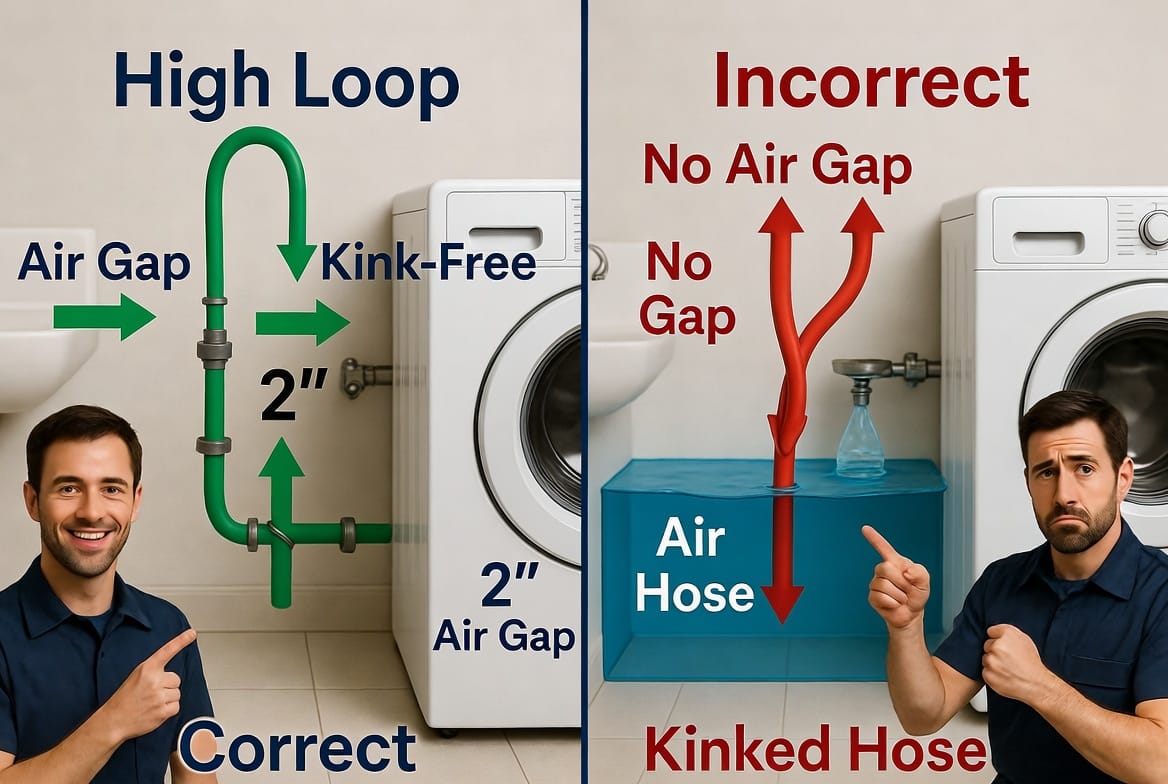
Correct installation is the first line of defense against future problems. Three key elements make all the difference:
- High Loop Configuration
- Air Gap at the Standpipe
- Kink-Free Routing
The high loop involves securing the hose so it loops upward before entering the standpipe. This simple bend prevents dirty water from siphoning back into the machine. Most manufacturers recommend the loop reach at least 30-36 inches above the floor.
The air gap is the intentional space between the end of the drain hose and the top of the standpipe. This gap stops contaminated water from backing up into your washer during heavy usage or clogs elsewhere in the drain line.
Avoiding kinks means routing the hose with gentle curves rather than sharp bends. Kinks restrict water flow and can eventually cause permanent damage to the hose material.
Common Signs Your Drain Hose Needs Attention
Don’t ignore these warning signals. Early detection can prevent small issues from becoming major headaches:
- Slow draining or water remaining in the washer drum after cycles
- Gurgling sounds coming from the standpipe or hose during drainage
- Water pooling on the floor around the washing machine
- Unpleasant odors in the laundry room that worsen after use
- Backflow where dirty water enters the machine instead of exiting
- Frequent error codes on modern washers related to drainage
If you notice any of these symptoms, it’s time to inspect your clothes washer drain hose immediately.
How to Diagnose and Fix Common Drain Hose Problems
Fixing Kinks and Routing Issues
Kinks develop over time from movement or poor initial installation. To resolve:
- Turn off and unplug the washing machine
- Carefully pull the machine away from the wall
- Inspect the full length of the hose for sharp bends or compressions
- Gently straighten and reroute using zip ties or hose brackets for support
- Maintain at least 2-3 inches of clearance from walls and other objects
Clearing Clogs in the Drain Hose
Clogs often form from lint, detergent residue, and fabric fibers. Here’s an effective approach:
- Disconnect the hose from both the washer and standpipe
- Use a plumber’s snake or long flexible brush to break up blockages
- Flush thoroughly with hot water mixed with a mild degreaser
- Consider replacing the hose if it’s older than 5-7 years
Pro Tip: Never use harsh chemical drain cleaners in washer hoses, as they can damage rubber components and your plumbing system.
Installing or Improving the Air Gap
Many homeowners unknowingly install hoses directly into the standpipe without proper clearance. Ensure at least 1-2 inches of space between the hose end and the standpipe rim. For added protection in areas prone to backups, consider installing a dedicated air gap fitting.
Maintenance Practices for Long-Term Reliability
Preventive care keeps your system running smoothly:
- Monthly inspections of hose connections and routing
- Annual deep cleaning of the entire drain line
- Replace hoses every 5 years as preventive maintenance
- Use proper detergent amounts to reduce lint and residue buildup
- Avoid overloading the washing machine, which increases drainage demands
These simple habits significantly reduce the risk of sudden failures.
When to Call Professional Plumbing Help
While many drain hose issues can be handled with basic tools, certain situations require expert intervention:
- Persistent clogs that return quickly after cleaning
- Signs of main drain line problems beyond the washer
- Cracked or damaged standpipe
- Complex installations involving multiple appliances
- Water damage that has already occurred
Our experienced technicians use specialized equipment to diagnose and resolve these issues efficiently, minimizing disruption to your household.
The Hidden Costs of Ignoring Drain Hose Problems
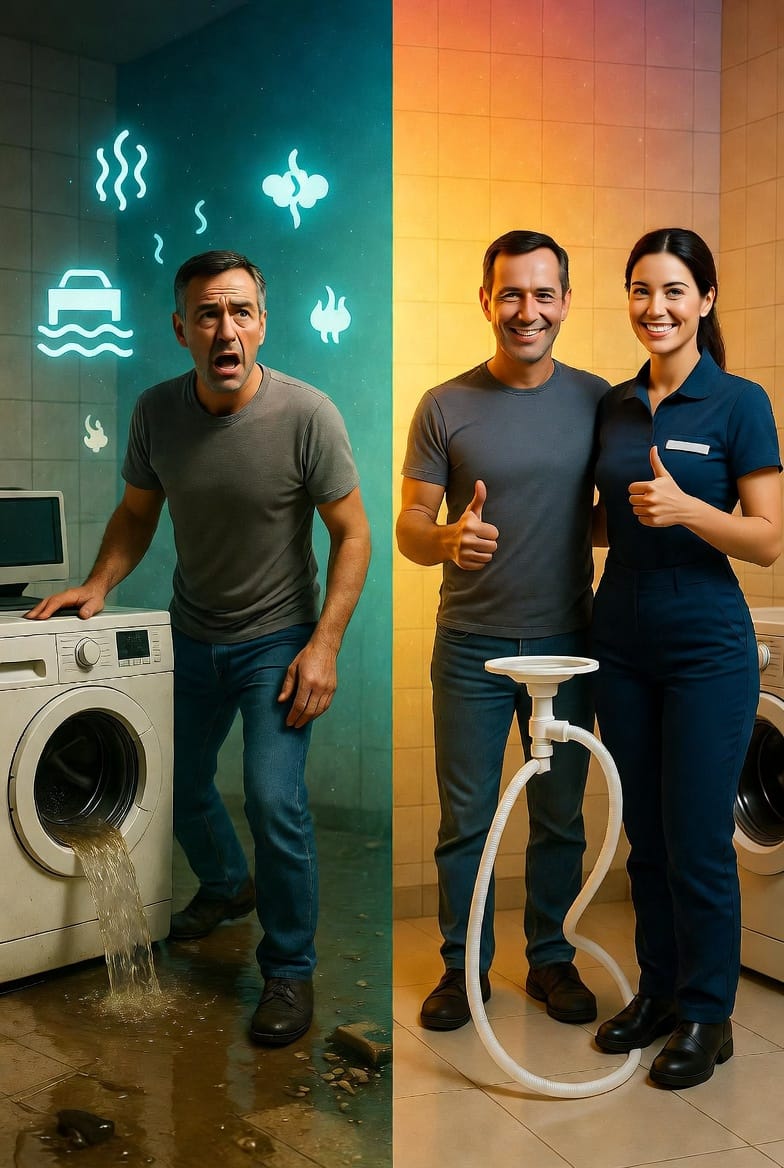
A single laundry room flood can cause thousands in water damage repairs, mold remediation, and ruined flooring. Beyond financial costs, repeated exposure to moisture creates unhealthy living conditions. Investing in proper washer drain hose maintenance delivers peace of mind and protects your home’s value.
Frequently Asked Questions
How high should the drain hose loop be?
Most experts recommend a minimum height of 30 inches, though 36 inches provides better protection.
Can I use a longer drain hose?
Yes, but avoid exceeding manufacturer recommendations, as excessive length increases clog risk.
Should I elevate the washer on a pedestal?
Pedestals improve accessibility but still require proper high loop installation for the drain hose.
What’s better – rubber or corrugated hoses?
Modern reinforced hoses with protective sleeving offer superior durability and kink resistance.
Protect Your Home with Expert Drainage Solutions
Proper drainage prevents laundry room floods and keeps your household running smoothly. A well-installed and maintained clothes washer drain hose is essential for reliable performance and flood prevention.
If you’re experiencing slow draining, leaks, gurgling, or other issues, don’t wait until small problems become expensive disasters. Our professional team specializes in washer drain repairs, installations, and full laundry plumbing solutions.
Our technicians arrive equipped to diagnose and fix drain hose issues on the spot, restoring your peace of mind.
Don’t let a simple hose create major headaches. Professional care ensures your laundry system works flawlessly for years to come.
Resolve Kinks, Clogs & Leaks Fast – Call Us