The Bentgrass Control: Eliminating This Weedy Grass in Home Lawns
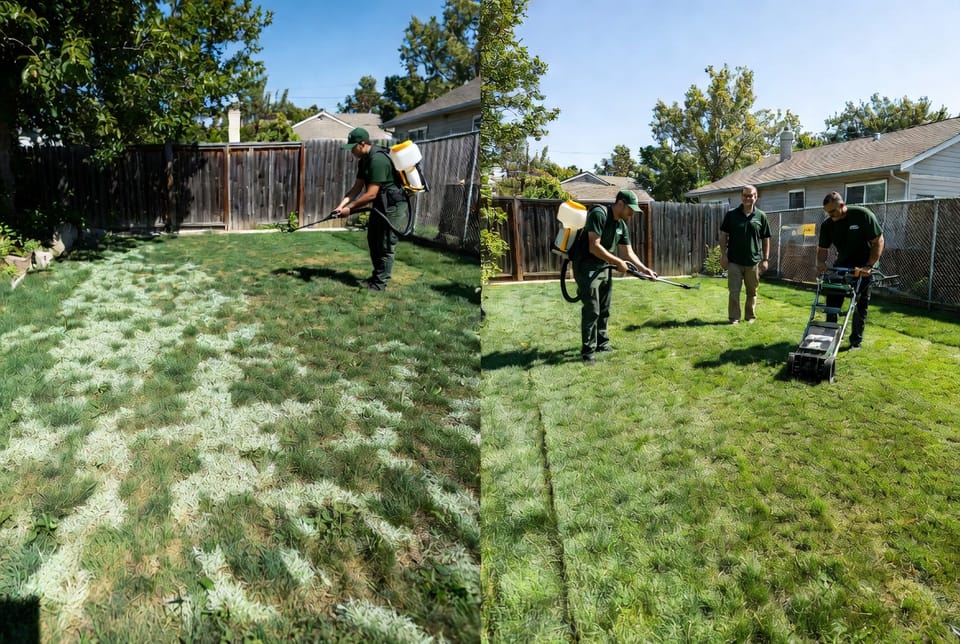
Bentgrass can quietly take over even the most carefully maintained home lawns, creating patchy, mismatched areas that frustrate homeowners who want a uniform, lush carpet of green. If you’ve noticed lighter green patches that seem to creep and spread despite your best mowing and feeding efforts, you may be dealing with this persistent weedy grass.
Take Back Your Lawn from Bentgrass – Call Now!
The good news is that bentgrass control is achievable with the right knowledge and proven strategies. Whether you prefer targeted herbicides, cultural adjustments, or a full lawn renovation, you can eliminate this invader and restore the healthy, beautiful lawn your family deserves. This comprehensive guide walks you through everything you need to know — from identification to long-term prevention — so you can take confident action and enjoy results that last.
Understanding Bentgrass: The Unwanted Invader
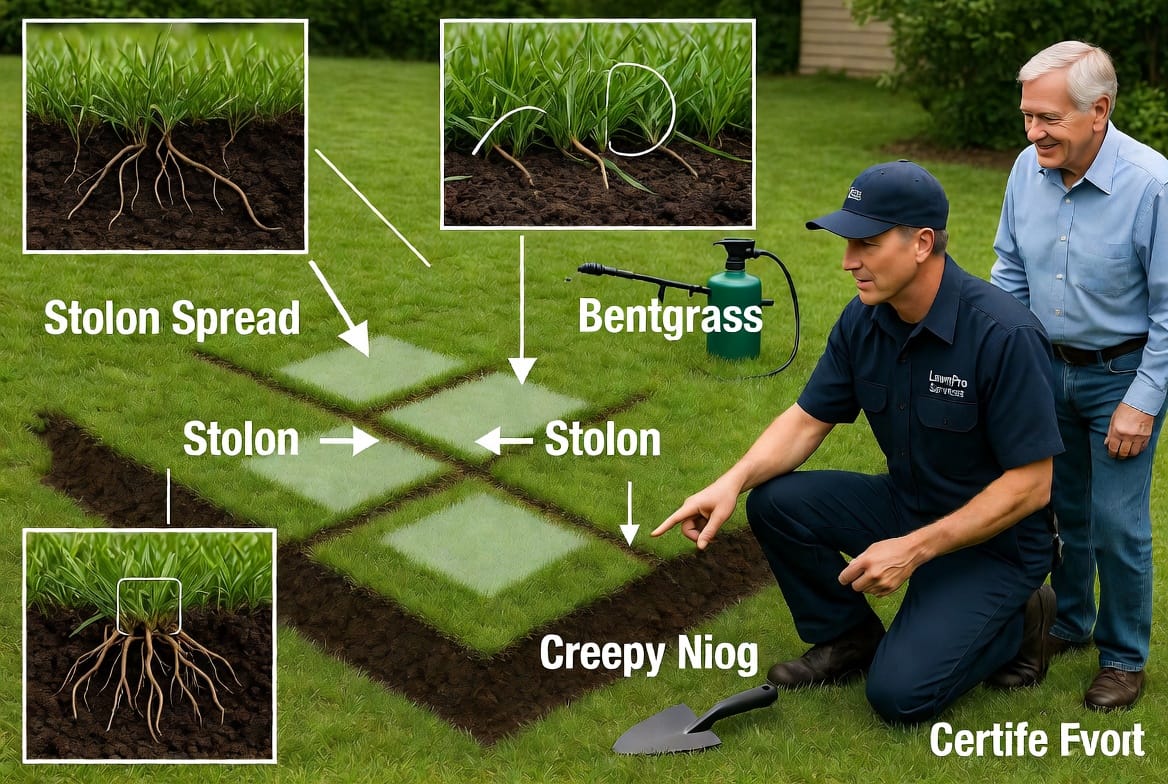
Bentgrass is a cool-season grass known for its fine texture, light green color, and aggressive spreading habit. Unlike the denser, darker bluegrass or fescue commonly used in home lawns, bentgrass forms distinct patches that stand out in both color and texture. It thrives in moist, compacted soils and spreads rapidly via stolons — horizontal above-ground stems that root at each node, allowing the grass to colonize new areas quickly.
In home settings, creeping bentgrass is the most common culprit. It was originally bred for golf course putting greens because it tolerates very low mowing heights and produces a smooth playing surface. However, when it escapes into residential lawns, those same traits become liabilities. The fine blades create a thin, wiry appearance that clashes with surrounding turf, and the stolons enable it to outcompete desirable grasses for space, water, and nutrients.
Because bentgrass grows low to the ground and recovers quickly from stress, it often survives conditions that would weaken other grasses. Homeowners frequently discover it after a wet spring or in shaded, poorly drained areas where it gains a foothold and then expands outward in circular or irregular patches. Recognizing these characteristics early is the first step toward successful bentgrass control.
Why Bentgrass Becomes a Major Problem in Home Lawns
The challenges posed by bentgrass go beyond aesthetics. This weedy grass competes aggressively with your desired turf, leading to thinning areas that invite weeds and disease. Its lighter color and finer texture create a mottled look that makes even a well-fertilized lawn appear unkempt.
Mowing height differences compound the issue. Most home lawns are kept at 2.5 to 3.5 inches, but bentgrass performs best when mowed much shorter. When you mow at standard heights, bentgrass scalps easily or produces uneven growth, resulting in a bumpy, patchy surface. Over time, these patches expand, reducing the overall density and resilience of your lawn.
Left unchecked, bentgrass can dominate entire sections of the yard, making seasonal maintenance more difficult and costly. The risks of inaction include increased water usage, higher susceptibility to pests, and ultimately the need for more intensive — and expensive — interventions later.
Rest assured, however, that homeowners across the country successfully reclaim their lawns every season. With targeted bentgrass control methods, you can stop the spread, eliminate existing patches, and prevent recurrence.
Spotting Bentgrass Early: Identification Tips
Early detection makes bentgrass control far easier. Look for these tell-tale signs:
- Light green color that contrasts sharply with darker surrounding turf
- Fine, wiry texture that feels softer and thinner than bluegrass or fescue
- Patchy growth forming circular or irregular areas that expand over weeks
- Stolons visible on the soil surface — thin, creeping stems that root wherever they touch ground
- Scalping or uneven mowing even when you follow proper height guidelines
If you suspect an infestation, gently lift a small section of the patch. You’ll often see the characteristic stolons radiating outward like runners. Document the problem with photos and monitor its spread for a week or two. This information helps you choose the most effective treatment and track progress after application.
Proven Strategies for Bentgrass Control
Effective bentgrass control combines chemical, cultural, and renovation approaches tailored to the severity of the infestation. No single method works for every lawn, but a strategic combination delivers reliable, lasting results.
The key is patience and consistency. Bentgrass is resilient, yet experienced lawn care teams achieve excellent outcomes by addressing both the visible patches and the underlying spreading mechanism.
Chemical Solutions: Herbicides That Work
When bentgrass has established strong patches, selective and non-selective herbicides provide powerful tools.
Selective herbicides such as triclopyr target broadleaf weeds but can be used in specific tank mixes or formulations that stress bentgrass while sparing desirable grasses. Apply during active growth periods in spring or early fall when temperatures are moderate. Always follow label rates precisely to avoid risks such as temporary yellowing or thinning of surrounding turf.
For larger or stubborn infestations, non-selective herbicides like glyphosate offer a clean-slate approach. This method kills all vegetation in the treated area, allowing you to renovate with fresh seed or sod afterward. Spot treatments minimize impact on the rest of the lawn, while full-section applications are ideal when bentgrass dominates more than 30 percent of the area.
Professional applicators ensure even coverage, proper timing, and post-treatment care to maximize success while protecting your landscape. With correct use, chemical bentgrass control can reduce visible patches by 80-90 percent within a single season.
Cultural Practices to Suppress Bentgrass
Cultural methods strengthen your desirable turf and make it harder for bentgrass to compete.
- Raise mowing height to 3–4 inches to favor bluegrass and fescue while weakening low-growing bentgrass
- Improve soil drainage and aeration to reduce the moist, compacted conditions bentgrass loves
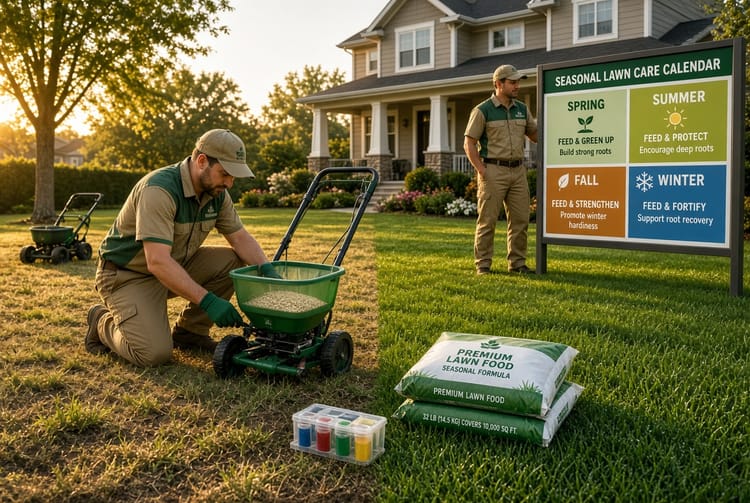
- Fertilize according to soil test results to promote dense, vigorous growth of your primary grass
- Water deeply but infrequently to encourage deep roots in desirable species
These practices work best as part of an integrated plan. When combined with targeted herbicides, they accelerate recovery and reduce the likelihood of reinfestation.

Full Lawn Renovation: When to Start Over
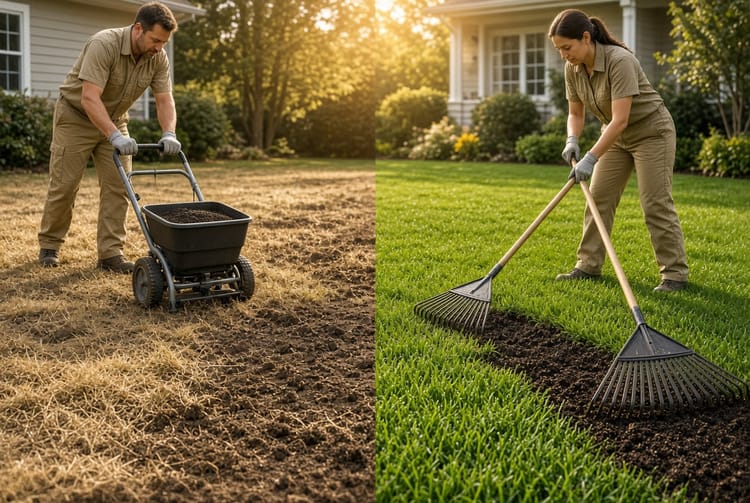
When bentgrass coverage exceeds 40 percent or patches refuse to respond to spot treatments, full renovation becomes the most efficient path to a uniform lawn. The process involves:
- Applying a non-selective herbicide to eliminate all existing vegetation
- Removing dead material and lightly tilling the soil
- Testing and amending soil pH and nutrients
- Seeding or sodding with high-quality, locally adapted turfgrass
- Maintaining consistent moisture and light fertilization during establishment
Renovation typically takes one full growing season to achieve full density, but the results are dramatic and long-lasting. Many homeowners report that the investment pays for itself through reduced maintenance and a healthier, more attractive yard.
Preventing Bentgrass from Returning
Prevention is the final piece of successful bentgrass control. Once your lawn is restored:
- Maintain proper mowing, watering, and fertilization practices year-round
- Inspect edges, shaded areas, and low spots regularly for early signs of reinvasion
- Avoid introducing contaminated seed, sod, or equipment from infested sites
- Consider overseeding annually with competitive turf varieties to crowd out potential invaders
Consistent lawn care creates conditions where desirable grasses thrive and bentgrass struggles to reestablish.
Why Professional Help Makes All the Difference
While DIY approaches can work for small patches, professional lawn care teams bring expertise, calibrated equipment, and access to commercial-grade products that deliver faster, more consistent results. They also handle the timing, safety considerations, and follow-up monitoring that busy homeowners often find challenging.
With expert guidance, you avoid common mistakes such as incorrect application rates or treating at the wrong time of year — errors that can prolong the problem or damage your lawn further.
Take Back Your Lawn Today
You no longer have to tolerate patchy, light green bentgrass disrupting your home landscape. Through a combination of precise identification, targeted bentgrass control methods, and ongoing prevention, you can enjoy the uniform, resilient lawn you’ve always wanted.
Take back your lawn from bentgrass. Our experienced team is ready to assess your yard and create a customized plan that fits your budget and timeline.
Don’t wait for the problem to spread further — the sooner you act, the easier and more affordable elimination becomes. Your dream lawn is within reach.
Professional Bentgrass Control Starts Here – Call Today