The Beaver Lodge: Managing Dams and Flooding on Residential Property
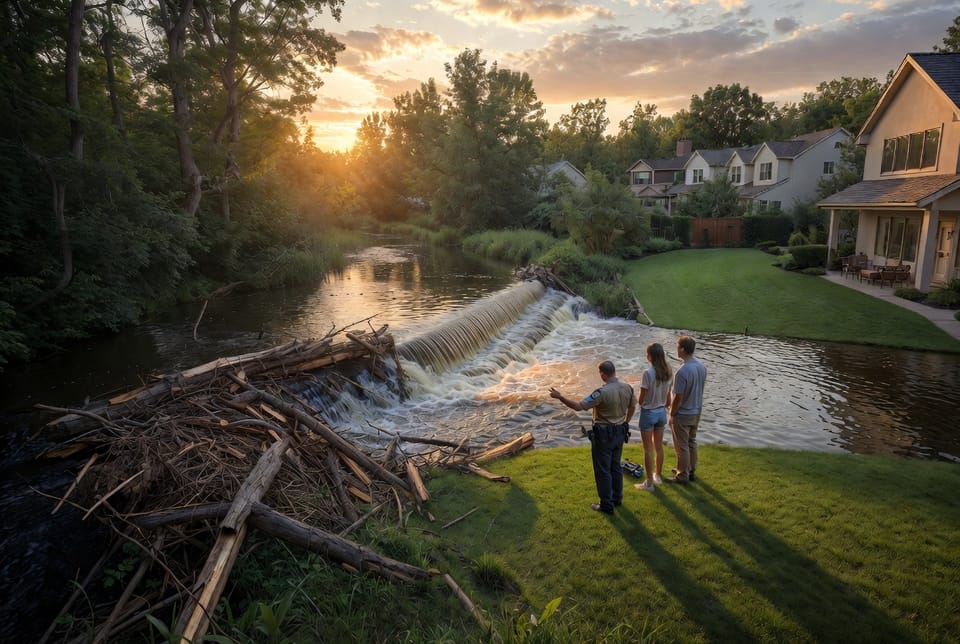
Beavers, nature's master engineers, can quickly transform tranquil streams into expansive ponds. While their industrious nature supports ecosystems, their dams often create serious challenges for homeowners. Unmanaged beaver activity leads to flooding, structural damage, and costly repairs.
Protect Your Property from Beaver Dams – Call Today
At our wildlife removal service, we specialize in humane beaver management that resolves conflicts while respecting these protected animals. This comprehensive guide explores beaver behavior, warning signs, risks to your property, and proven, non-lethal solutions to restore peace and protect your investment.
Understanding Beaver Behavior and Their Impact
Beavers (Castor canadensis) rank among North America's largest rodents. They construct lodges and dams primarily from sticks, mud, and stones using powerful jaws and teeth. Their primary goals: create safe, deep-water habitats for protection from predators and easy access to food stores.
A single beaver family (colony) builds multiple dams. They fell trees for food and building materials, sometimes removing dozens in a season. Dams raise water levels, forming ponds that expand their territory. In residential areas near streams, creeks, or wetlands, this instinct directly clashes with human land use.
Key beaver behaviors homeowners should know:
- Nocturnal activity: Most dam-building and foraging occurs at night.
- Persistent engineering: Beavers quickly repair any breaches in their dams.
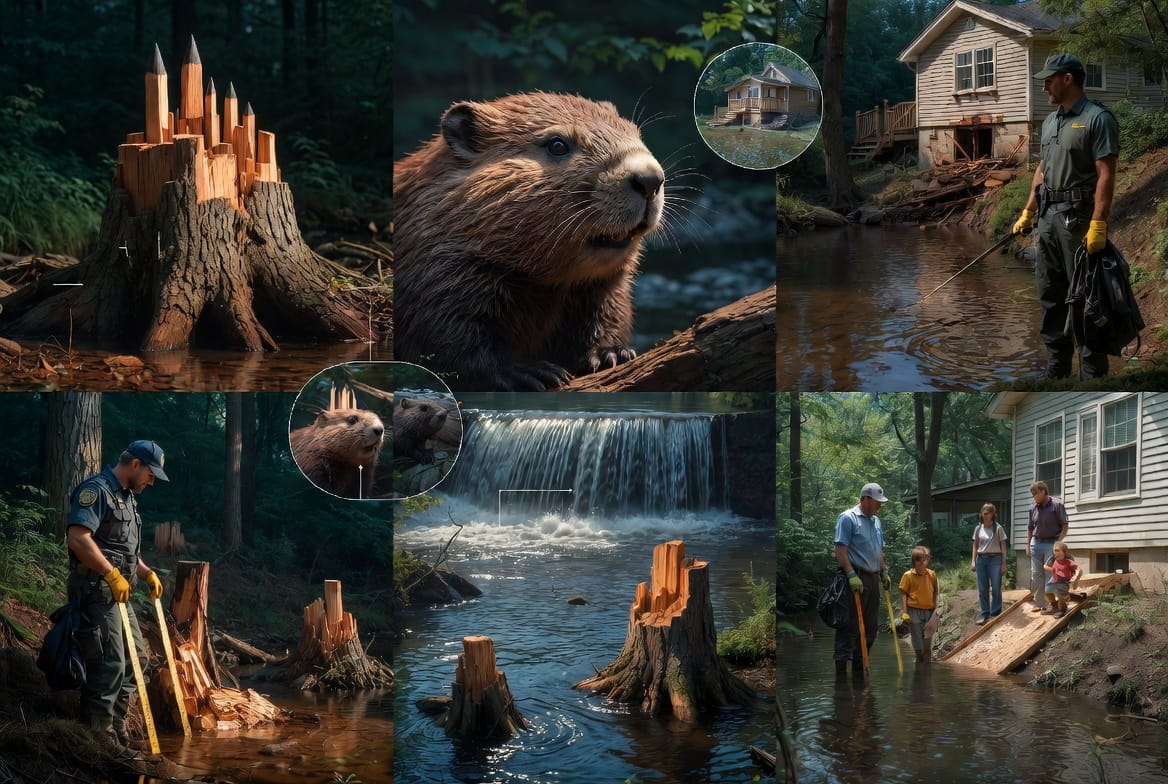
- Selective tree cutting: They prefer certain species like willow, cottonwood, and maple, often leaving characteristic pointed stumps.
- Family-oriented colonies: A typical lodge houses 4–8 beavers, including parents and offspring.
Without intervention, these activities escalate rapidly, turning minor water flow changes into major property threats.
Recognizing the Signs of Beaver Activity on Your Property
Early detection prevents extensive damage. Train your eyes to spot these common indicators of beaver presence:
- Chewed trees and stumps: Distinctive pencil-pointed trunks or branches near water edges.
- Dams and lodges: Mounds of interwoven branches blocking waterways, sometimes spanning 50+ feet.
- Flooding and ponding: Unexpected standing water in yards, basements, or low-lying areas.
- Slide marks: Worn paths leading into water where beavers drag materials.
- Floating debris: Freshly cut branches or bark in ponds.
- Burrows or bank lodges: Tunnels in shorelines near elevated water levels.
Pro Tip: Walk your property perimeter after rain or seasonally, especially near natural water sources. Document findings with photos for professionals.
The Hidden Risks of Unmanaged Beaver Dams and Flooding
Flooding from beaver dams poses immediate and long-term threats:
- Foundation and structural damage: Prolonged water exposure weakens basements, crawl spaces, and home foundations, leading to cracks, mold, and costly repairs.
- Erosion and landscape destruction: Excess water erodes soil, destabilizes slopes, and damages lawns, gardens, and septic systems.
- Tree loss: Beavers can kill mature trees that provide shade, privacy, and value to your property.
- Pest proliferation: Standing water attracts mosquitoes, increases flood risks during storms, and alters local hydrology.
- Insurance and liability concerns: Unaddressed flooding may complicate claims or create neighbor disputes.
Homeowners in flood-prone or wooded suburban areas face heightened vulnerability. Delaying action compounds expenses—repairs often run into thousands, while proactive management saves significantly.
Humane and Effective Management Strategies
Modern wildlife management prioritizes coexistence through smart, non-lethal techniques. Lethal methods are a last resort and often unnecessary with proper intervention.
Installing Flow Devices (Beaver Deceivers)
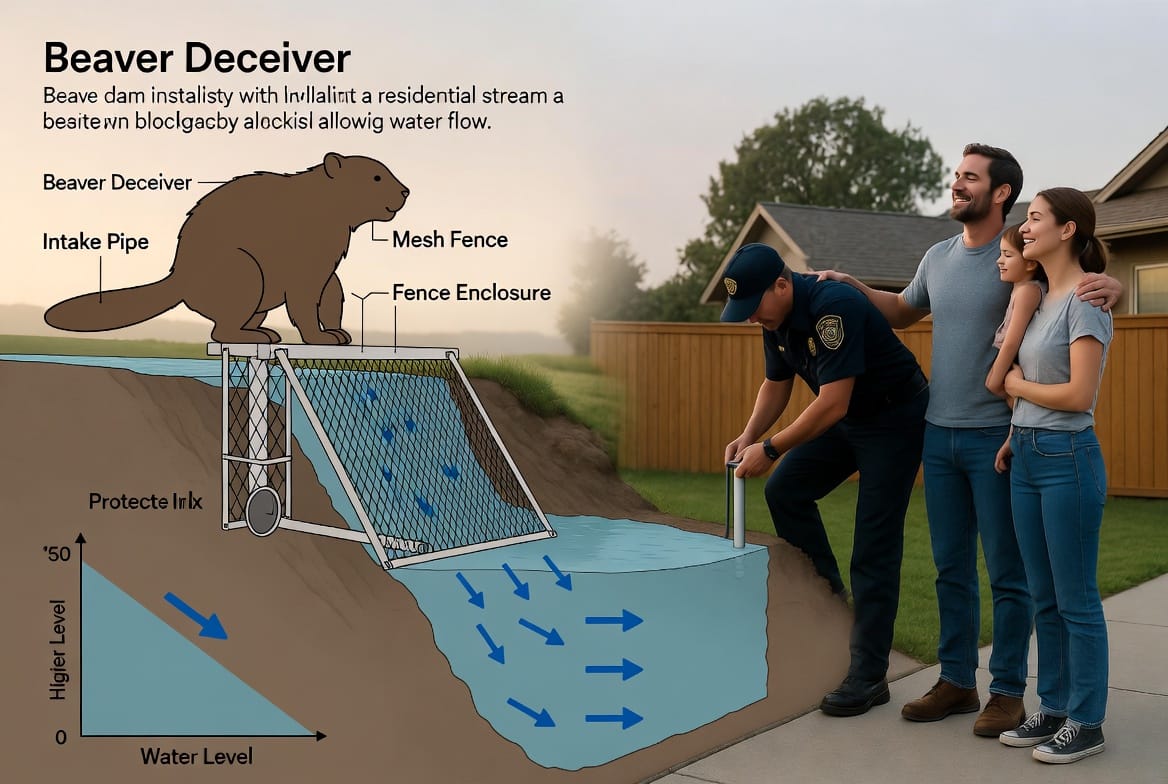
The Beaver Deceiver stands out as one of the most effective tools. This trapezoidal fence enclosure protects culvert or pipe intakes, allowing controlled water flow while preventing beavers from plugging it.
How it works:
- The extended perimeter diffuses the "sound and feel" of flowing water that triggers damming instincts.
- Water exits steadily, maintaining lower pond levels without alerting beavers.
- Low-maintenance once installed, with durable materials resisting clogging.
Professionals assess site specifics—stream flow, dam size, and property layout—before custom installation. Results: stabilized water levels and happy neighbors.
Tree Protection Techniques
Safeguard valuable trees without removing beaver food sources:
- Wire mesh guards: Heavy-gauge cylinders around trunks, buried slightly to deter burrowing.
- Paint repellents: Mixtures of sand and latex paint create an unpalatable texture.
- Strategic planting: Offer alternative food sources away from high-value areas.
Habitat Modification and Deterrents
- Water level management: Combine with flow devices for balanced ecosystems.
- Fencing critical areas: Protect gardens, septic fields, or vulnerable shorelines.
- Culvert protectors: Similar fencing solutions for road or drainage pipes.
These methods respect beaver protections under wildlife laws while addressing homeowner concerns.
When to Call Professional Wildlife Specialists
DIY attempts often fail due to beavers' persistence and legal protections. Signs warranting immediate professional help include:
- Active flooding threatening structures.
- Multiple dams or large colonies.
- Damage to mature trees or infrastructure.
- Uncertainty about local regulations.
Our certified technicians bring expertise, permits, and specialized equipment. We conduct thorough assessments, implement tailored solutions, and provide follow-up monitoring. Humane trapping and relocation occurs only when necessary, following all guidelines.
Long-Term Prevention and Coexistence
Successful beaver management extends beyond initial fixes:
- Regular property inspections.
- Maintaining buffer zones with less-preferred vegetation.
- Community education on shared waterways.
- Partnering with local wildlife authorities.
By addressing issues proactively, homeowners protect property values while supporting biodiversity. Beavers contribute to wetlands that filter water and support wildlife—balanced management benefits everyone.
Real-World Success Stories
Many Dallas-area and suburban homeowners have reclaimed their properties. One family near a wooded creek installed a Beaver Deceiver after minor flooding; water levels stabilized within weeks, saving prized oaks and preventing basement issues. Another implemented tree guards and professional monitoring, preserving their landscape without disrupting the local beaver family.
These outcomes highlight the effectiveness of expert, compassionate approaches.
Protecting Your Property Starts Today
Beaver dams and associated flooding demand prompt, informed action. Understanding their behavior, recognizing signs, and deploying humane solutions like flow devices and tree protection restores safety and tranquility to your home.
Do not let beaver activity compromise your property's integrity or peace of mind. Manage beaver activity humanely. Our team delivers reliable, eco-conscious wildlife removal services tailored to your needs.
End Flooding Risks Today – Call Our Specialists