The Yoga for Recovery: Physical and Emotional Benefits of Practice

Yoga for recovery represents one of the most effective mind-body therapies available today. As individuals navigate the challenging path of overcoming addiction or trauma, yoga provides a gentle yet powerful approach that addresses both the physical and emotional dimensions of healing. Unlike traditional methods that focus solely on the mind or body, yoga integrates breath, movement, and awareness to create lasting transformation.
Start Your Yoga Recovery Journey – Call Now!
At its core, yoga serves as a bridge between the nervous system and conscious choice. It helps rebuild the connection that addiction often disrupts, offering practitioners a healthy, sustainable way to manage stress, regulate emotions, and rediscover their inner strength.
Why Yoga Matters in Recovery
Recovery demands more than simply removing harmful substances or behaviors. It requires rebuilding trust in one's body and emotions. Yoga for recovery excels here because it works with the whole person.
Through consistent practice, individuals learn to observe their internal experiences without judgment. This fosters resilience and reduces the likelihood of returning to old coping patterns. Research and clinical observations consistently show that incorporating yoga into recovery programs leads to better outcomes, including improved mood stability and decreased cravings.
Key benefits include:
- Reduced physical tension stored from chronic stress
- Enhanced emotional regulation skills
- Greater self-awareness and body connection
- A natural, empowering alternative to negative coping mechanisms
Yoga is not a replacement for professional treatment, but a complementary practice that amplifies the effectiveness of comprehensive recovery programs.
How Yoga Reduces Cortisol and Calms the Nervous System
One of the most significant ways yoga supports recovery is by lowering cortisol, the body's primary stress hormone. Elevated cortisol levels are common during early recovery and can intensify anxiety, irritability, and sleep disturbances.
Regular yoga practice activates the parasympathetic nervous system — the "rest and digest" mode — which directly counters the fight-or-flight response. Specific slow, mindful movements combined with deep breathing techniques have been shown to decrease cortisol production while increasing feel-good neurotransmitters like GABA and serotonin.
This physiological shift creates space for healing. When cortisol levels stabilize, the body becomes better equipped to repair tissues, regulate sleep cycles, and maintain emotional balance. Many people in recovery report feeling more grounded and less reactive after just a few weeks of consistent practice.
Benefits of lower cortisol through yoga:
- Improved sleep quality
- Reduced anxiety and racing thoughts
- Better immune function
- Decreased risk of stress-related relapse triggers
Building Interoceptive Awareness: Reconnecting with Your Body
Interoceptive awareness — the ability to sense internal body signals — is often impaired during addiction. Substances dull or distort these signals, making it difficult to recognize hunger, fatigue, or emotional discomfort.
Yoga for recovery rebuilds this crucial skill. Through poses that require focused attention and breath synchronization, practitioners gradually become more attuned to subtle sensations. This heightened awareness serves as an early warning system for stress or emotional triggers.
When you can sense rising tension in your shoulders or shallow breathing before it escalates, you gain the power to intervene constructively. This skill proves invaluable in preventing automatic responses that could lead back to old habits.
The practice encourages non-judgmental observation, teaching individuals to sit with discomfort without immediately seeking to escape it. This builds tremendous emotional resilience over time.
Emotional Regulation and Healthy Coping Mechanisms
Emotional volatility often challenges those in recovery. Yoga offers practical tools for managing intense feelings in real time.
Breathwork (pranayama) techniques teach individuals to slow their physiological responses, creating a pause between feeling and reaction. This pause is where choice and freedom emerge.
Regular practitioners often experience:
- Greater emotional stability
- Reduced intensity of negative emotions
- Improved ability to self-soothe without external substances
- Enhanced sense of personal agency and control
Yoga becomes a reliable healthy coping mechanism that travels with you anywhere. Whether facing a stressful situation at work or processing difficult memories, these tools remain accessible.
The meditative aspects of yoga also promote self-compassion, a vital element in recovery. Learning to treat yourself with kindness during difficult moments reduces shame and builds a healthier relationship with yourself.
Physical Benefits That Support Long-Term Recovery
The physical dimension of yoga for recovery cannot be overstated. Addiction and its related behaviors often take a significant toll on the body. Yoga helps restore strength, flexibility, and overall vitality.
Key physical improvements include:
- Better circulation and detoxification support
- Strengthened core and postural muscles
- Improved balance and coordination
- Reduced chronic pain and muscle tension
- Enhanced respiratory function
These changes contribute to higher energy levels and improved self-image, both critical for maintaining motivation throughout recovery.
Gentle, accessible practices ensure that even those with limited mobility or physical concerns can participate safely and benefit fully.
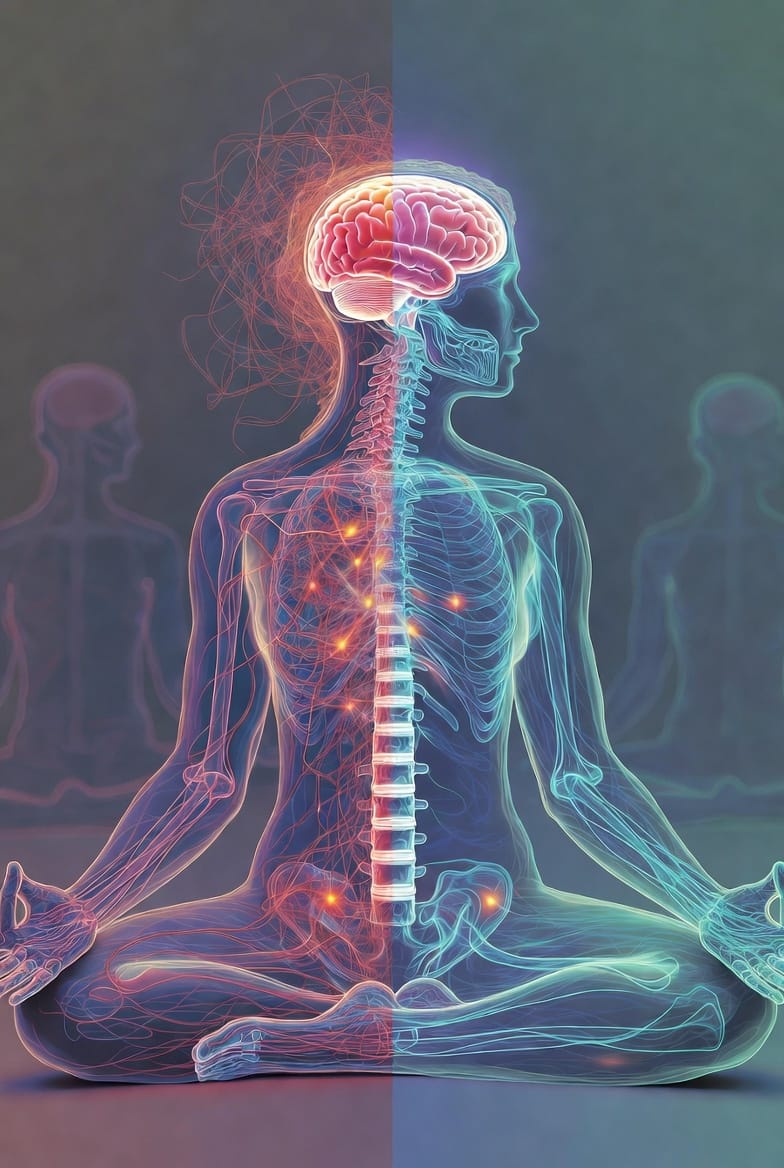
Recommended Yoga Styles for Different Recovery Stages
Different styles of yoga serve unique needs in the recovery journey. Selecting the right approach makes the practice more effective and sustainable.
- Restorative Yoga: Ideal for trauma recovery and early stages. This gentle style uses props for full support, allowing deep relaxation and nervous system reset without strain.
- Gentle Hatha Yoga: Perfect for beginners. Focuses on basic poses with mindful transitions, building confidence and body awareness at a comfortable pace.
- Breathwork (Pranayama): Powerful standalone or complementary practice. Techniques like alternate nostril breathing or extended exhalations help regulate emotions and reduce anxiety quickly.
Many programs combine these approaches for comprehensive benefits tailored to individual progress.

Integrating Yoga into Your Recovery Journey
Starting a yoga for recovery practice requires no special equipment or advanced flexibility. The most important element is consistency rather than intensity.
Begin with short sessions of 10-15 minutes and gradually increase duration as comfort grows. Many find morning or evening practices most beneficial for setting intentions or releasing the day's stress.
Consider joining a specialized recovery yoga program where instructors understand the unique challenges faced. Group settings also provide community support and shared experience that strengthen commitment.
Remember: Progress in yoga mirrors recovery itself — it happens one breath, one pose, and one day at a time.
Overcoming Common Concerns
Many people new to yoga worry about physical limitations or feeling out of place. Qualified instructors in recovery-focused programs modify poses to accommodate all abilities and create inclusive environments.
There is no "perfect" way to practice. The goal is not advanced postures but presence and self-connection. This gentle approach removes performance pressure and allows authentic healing to unfold.
Long-Term Benefits and Sustained Wellness
Those who maintain yoga practice throughout recovery often report profound life changes beyond initial treatment goals. Improved sleep, stronger relationships, greater life satisfaction, and renewed purpose become common outcomes.
Yoga supports the development of a lifestyle that naturally sustains sobriety and emotional health. The skills learned on the mat translate directly into daily challenges, creating a foundation for lasting recovery.
Balance Body and Mind in Recovery
Yoga for recovery offers a compassionate, evidence-supported path toward holistic healing. By reducing cortisol, enhancing emotional regulation, building interoceptive awareness, and providing healthy coping tools, it empowers individuals to reclaim their lives with strength and serenity.
The journey of recovery becomes not just about surviving but truly thriving — physically, emotionally, and spiritually.
Ready to experience these benefits for yourself? Balance body and mind in recovery.
Experience Healing Through Yoga – Call Now