The Dialectical Behavior Therapy (DBT) Skills: Mindfulness and Emotional Regulation

Dialectical Behavior Therapy (DBT) has emerged as one of the most effective therapeutic approaches for individuals navigating addiction recovery. Developed by psychologist Marsha Linehan, DBT blends cognitive-behavioral techniques with mindfulness practices rooted in Eastern philosophy. It emphasizes acceptance and change simultaneously — the "dialectic" — helping people build a life worth living even amidst intense emotions and challenging circumstances.
Learn DBT Skills for Lasting Recovery – Call Now
For those in rehab programs, mastering DBT skills provides practical tools to manage cravings, regulate overwhelming feelings, and develop healthier relationships. This article explores the core DBT modules, with particular focus on mindfulness and emotional regulation, while highlighting their powerful role in supporting long-term sobriety and emotional well-being.
Understanding the Foundations of DBT in Recovery
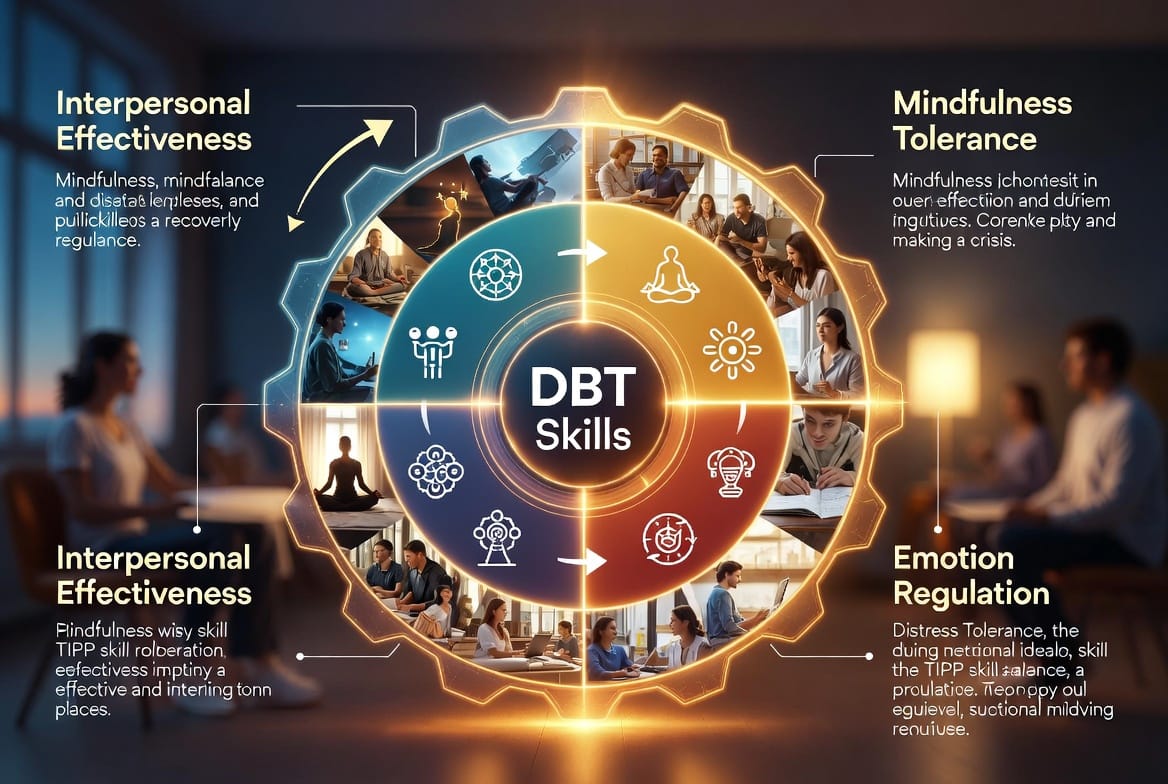
DBT is structured around four interconnected skill modules that work together to address the complex needs of individuals in recovery. These modules help bridge the gap between emotional vulnerability and effective coping, reducing the risk of relapse triggered by unmanaged stress or interpersonal conflicts.
In addiction treatment, DBT stands out because it directly targets the emotional dysregulation often underlying substance use. Many people turn to drugs or alcohol to escape painful emotions or numb distress. DBT equips them with healthier alternatives, fostering resilience and self-compassion.
Key benefits of DBT in rehab settings include:
- Reduced emotional reactivity that fuels addictive behaviors
- Improved ability to tolerate distress without turning to substances
- Stronger interpersonal connections that support sober networks
- Enhanced self-awareness to identify early warning signs of relapse
By integrating these skills, individuals learn that recovery is not just about abstinence but about building a fulfilling, balanced life.
Mindfulness: The Foundation of Present-Moment Awareness
Mindfulness forms the cornerstone of DBT and is essential for addiction recovery. It involves cultivating non-judgmental awareness of the present moment — observing thoughts, feelings, and sensations without trying to change them immediately.
In practice, mindfulness skills teach individuals to:
- Focus attention on the breath or body sensations during moments of craving
- Observe urges as temporary waves that rise and fall
- Participate fully in daily activities without autopilot mode fueled by past regrets or future anxieties
For someone in recovery, mindfulness interrupts the automatic pilot of addictive patterns. Instead of reacting impulsively to emotional discomfort, individuals learn to pause, observe, and choose a skillful response. This present-moment awareness reduces the power of triggers and builds a stronger sense of internal control.
Practical mindfulness exercises commonly taught in DBT groups include:
- "What" skills: Observing, describing, and participating in the current experience
- "How" skills: Doing so non-judgmentally, one-mindfully, and effectively
Regular mindfulness practice rewires the brain's response to stress, making it easier to maintain sobriety. Many rehab participants report that even short daily mindfulness sessions lead to noticeable improvements in emotional stability and reduced anxiety.
Emotional Regulation: Identifying and Managing Intense Feelings
Emotional regulation is a vital DBT skill module that directly addresses the challenges many face in addiction recovery. It focuses on understanding, labeling, and modulating emotions rather than being overwhelmed by them.
People in recovery often experience heightened emotional intensity due to years of substance use affecting brain chemistry. DBT teaches that emotions are valid but do not have to dictate actions. Key strategies include:
- Identifying and labeling emotions accurately to reduce their intensity
- Increasing positive emotional experiences through pleasurable activities that don't involve substances
- Building mastery by engaging in activities that foster a sense of accomplishment
- Taking opposite action when emotions don't fit the facts (e.g., approaching instead of avoiding when fear arises unnecessarily)
- Applying problem-solving to address issues that trigger negative emotions
Emotional regulation skills empower individuals to break the cycle where difficult feelings lead to substance use. By learning to manage emotions effectively, people experience fewer mood swings and greater overall life satisfaction.
In rehab settings, participants practice these skills through worksheets, role-playing, and real-time application during group sessions. The result is greater resilience and a reduced reliance on external substances for emotional relief.
Distress Tolerance: Coping with Crises Without Making Them Worse
While the title highlights mindfulness and emotional regulation, distress tolerance skills complement them perfectly in addiction recovery. These tools help individuals survive intense emotional pain or cravings without resorting to harmful behaviors.
Distress tolerance techniques include:
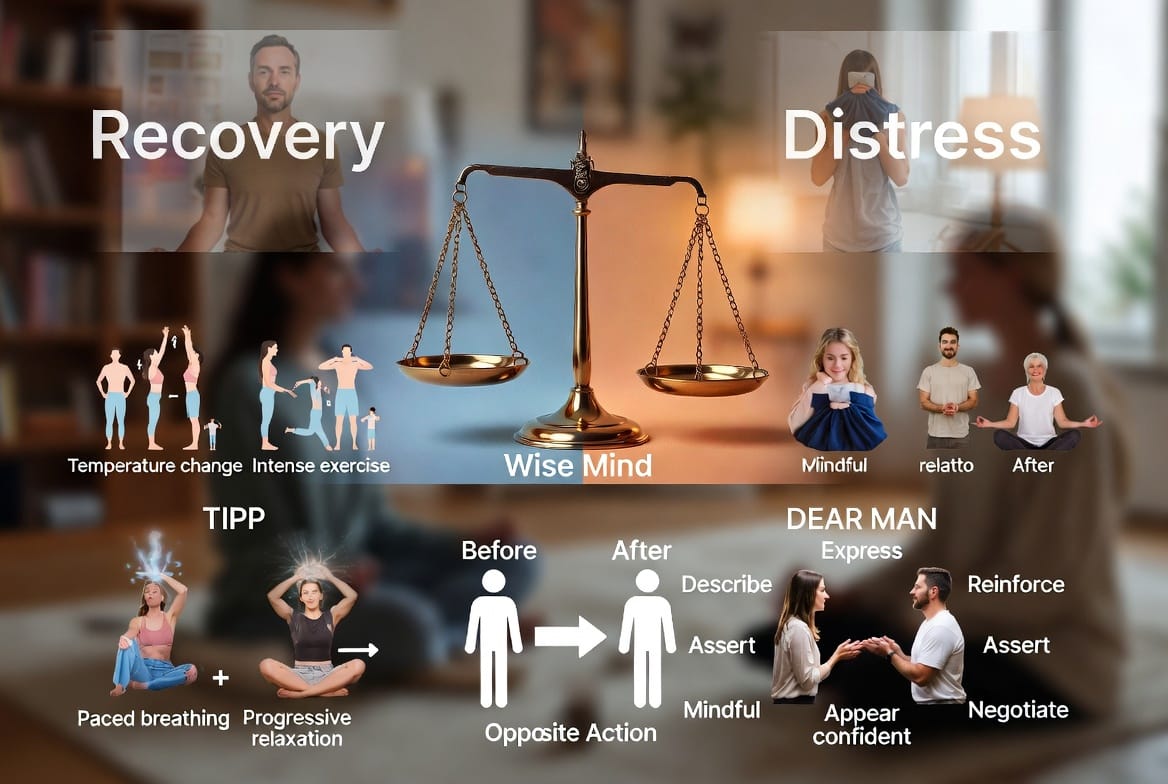
- TIPP skills (Temperature change, Intense exercise, Paced breathing, Progressive muscle relaxation) for rapid physiological calming
- Self-soothing through the five senses
- Improving the moment with imagery, meaning-making, or prayer
- Radical acceptance of reality as it is in the present
These skills are lifesavers during high-risk situations, such as early sobriety when cravings peak or when facing life stressors. They provide immediate tools to ride out difficult moments safely.
Interpersonal Effectiveness: Building Healthy Relationships
Interpersonal effectiveness skills focus on communicating needs assertively while maintaining self-respect and relationships. In recovery, strong sober support networks are crucial.
Core frameworks like DEAR MAN (Describe, Express, Assert, Reinforce, Mindful, Appear confident, Negotiate) help individuals:
- Ask for help in recovery programs
- Set boundaries with people who might enable substance use
- Repair relationships damaged by addiction
- Say no to triggers effectively
Mastering these skills leads to more fulfilling connections and reduces isolation, a common relapse risk factor.
Applying DBT Skills Holistically in Addiction Recovery
Integrating all DBT modules creates a comprehensive approach to recovery. Mindfulness provides the awareness, emotional regulation offers management tools, distress tolerance ensures survival in tough times, and interpersonal effectiveness builds external support.
Real-world examples in rehab include:
- Using mindfulness during group therapy to stay present
- Applying opposite action to combat isolation by reaching out to sponsors
- Practicing DEAR MAN to communicate cravings honestly with loved ones
- Combining TIPP with wise mind decisions during emotional crises
Research and clinical experience consistently show that DBT significantly improves treatment outcomes for substance use disorders, particularly when emotional dysregulation is a factor. Participants often report higher self-efficacy, fewer relapses, and improved quality of life.
Challenges in learning DBT skills are normal — it takes consistent practice. Rehab programs provide structured support, making the learning process manageable and effective.
Long-Term Benefits and Sustaining Recovery
As individuals internalize DBT skills, they experience profound shifts:
- Greater emotional stability and reduced mood-driven decisions
- Enhanced ability to handle life's inevitable ups and downs
- Stronger sense of self-worth and purpose
- Improved relationships that reinforce sober living
These changes support not just sobriety but a truly meaningful recovery journey. Many graduates continue practicing DBT skills through aftercare programs, apps, or ongoing therapy.
Conclusion: Empowering Your Recovery Journey
Dialectical Behavior Therapy (DBT) offers a proven pathway to mastering mindfulness and emotional regulation while developing comprehensive life skills. By embracing these tools, individuals in addiction recovery gain the strength and strategies needed for lasting change.
The skills may feel challenging at first, but with guidance and practice, they become natural responses that support a healthier, more balanced life.
Our compassionate team is ready to help you develop these powerful tools for sustainable recovery. Reach out today to take the next step toward healing and empowerment.
Transform Your Recovery with DBT – Speak to Our Team Today