The Winter Driving Coverage: What to Check Before Snow Season
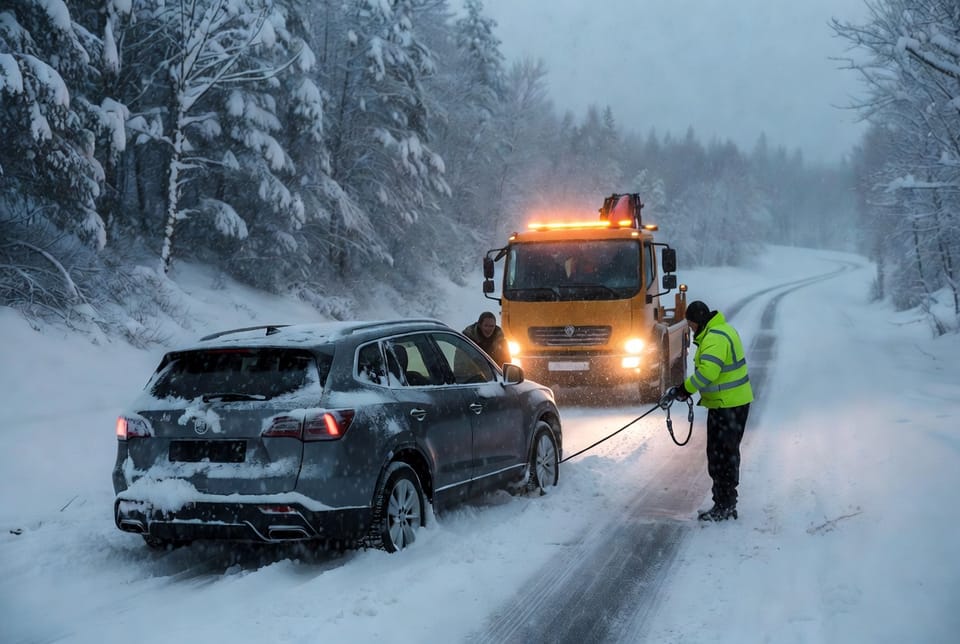
As temperatures drop and the first flurries appear, winter driving transforms familiar roads into unpredictable challenges. Smart drivers know that preparation goes beyond scraping ice off windshields — it starts with reviewing your auto insurance policy to ensure adequate winter driving coverage.
Get Winter-Ready Coverage Today – Call Now!
At our agency, we help thousands of policyholders face snow season with confidence. This comprehensive guide walks you through exactly what to examine before the first major storm arrives, providing peace of mind when conditions turn treacherous.
Why Winter Conditions Demand Special Insurance Attention
Winter weather creates unique risks that standard policies might not fully address. Slippery roads increase accident likelihood, heavy snow can trap vehicles, and ice-laden branches often fall on parked cars.
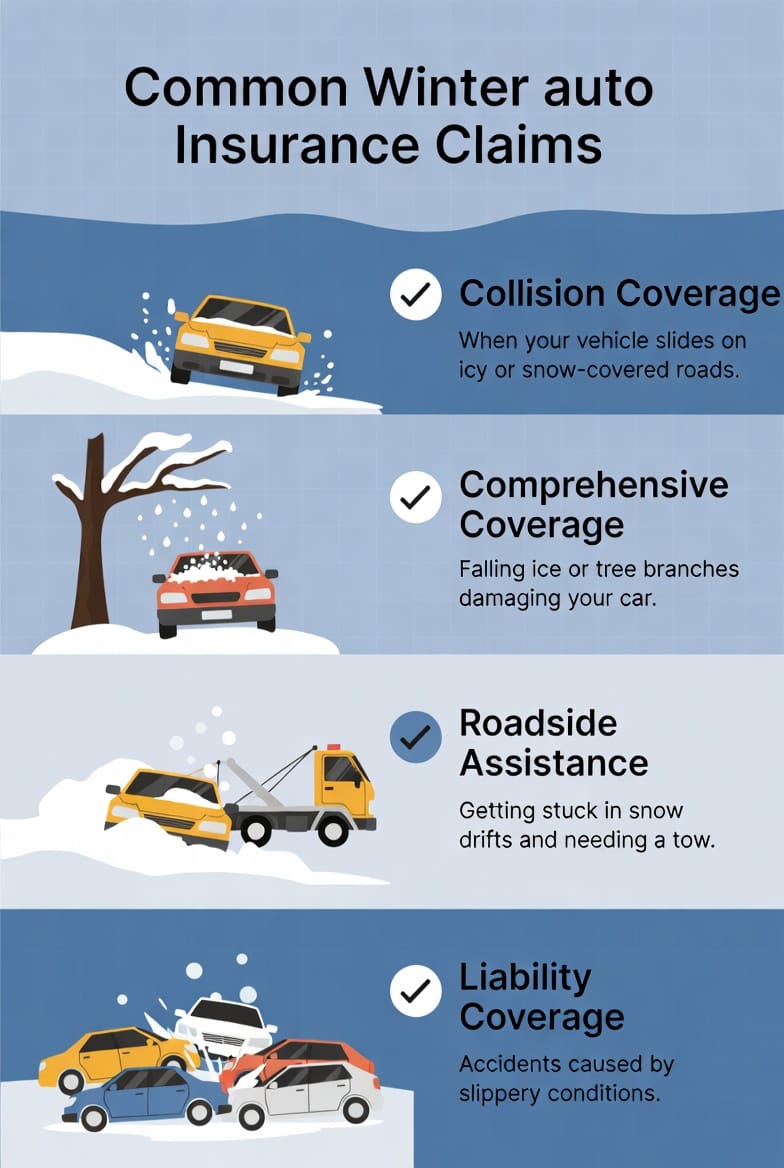
Comprehensive coverage, collision coverage, and roadside assistance become essential lifelines during these months. Taking time now to review these elements prevents costly surprises later.
Drivers who proactively adjust their policies report greater confidence and fewer financial setbacks when winter incidents occur. Early preparation protects both your vehicle and your wallet.
Assessing Your Comprehensive Coverage for Winter Hazards
Comprehensive coverage protects against non-collision incidents — precisely the type of damage winter frequently causes.
This includes protection from falling tree branches weighted by ice, hail mixed with snow, and damage from frozen roads cracking windshields. Many drivers discover too late that their policy limits may not cover expensive repairs from these events.
Consider a common scenario: an ice storm causes a large branch to crash onto your hood overnight. Without sufficient comprehensive coverage, you could face thousands in out-of-pocket expenses.
We recommend reviewing your deductible and limits now. Increasing comprehensive coverage limits often costs less than expected while providing substantial protection.
Pro Tip: Document your vehicle's condition with photos before snow season. This strengthens any future claims and demonstrates responsible ownership.
Collision Coverage: Your Shield Against Sliding Accidents
Even experienced drivers can lose control on black ice or packed snow. Collision coverage pays for repairs to your vehicle when you hit another car or object, regardless of fault.
During winter, claim frequency for sliding accidents rises dramatically. Vehicles often sustain significant front-end or side damage from these incidents.
Review your collision coverage deductible carefully. A lower deductible provides faster recovery but increases premium slightly. For families with newer vehicles, maintaining strong collision coverage proves especially valuable.
Real-world example: A client recently slid into a guardrail during an unexpected snow squall. Thanks to updated collision coverage, repairs were handled smoothly with minimal stress.
Consider your driving patterns. Commuters facing highways during peak winter hours benefit most from robust protection.
The Critical Role of Roadside Assistance and Towing
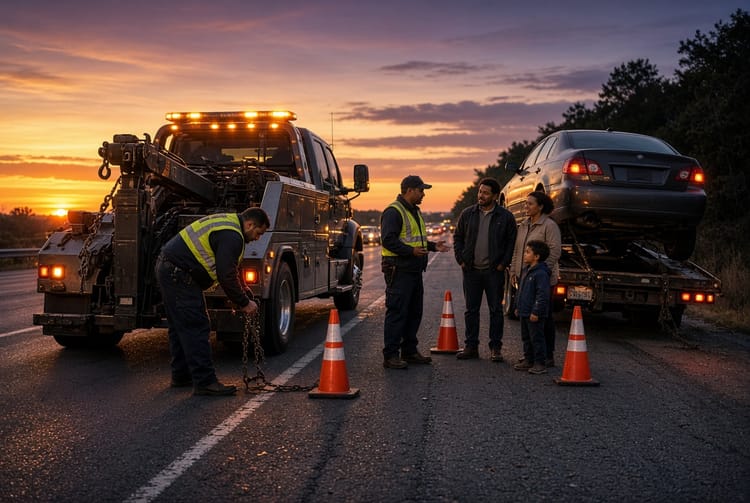
Few situations feel more helpless than being stuck in snow. Roadside assistance coverage, including towing, becomes invaluable when your vehicle slides off the road or becomes immobilized in deep drifts.
Standard policies may offer limited towing distance. Winter often requires longer tows to reputable repair shops. Check your policy's mileage limits and response times.
Many providers enhance roadside assistance during winter months. This might include battery jumps for cold-weather starts, flat tire changes on icy shoulders, and winching from snow banks.
We strongly advise confirming your towing coverage includes multiple service calls per year. Winter can test even the most reliable vehicles multiple times.
Adjusting Liability Coverage for Increased Winter Risks
Winter multi-vehicle accidents often involve higher repair costs and potential injury claims. Increasing your liability coverage limits protects your assets if you're found at fault in a serious incident.
Standard minimum limits may prove insufficient when medical bills and vehicle repairs escalate. Consider raising both bodily injury and property damage limits.
This adjustment provides reassurance that you're protecting others while safeguarding your financial future. Many clients find the additional premium surprisingly affordable for the added security.
Essential Winter Vehicle Preparation Tips
Insurance forms only part of winter readiness. Combine proper coverage with these practical steps:
- Install winter tires for superior traction on snow and ice
- Maintain at least half a tank of fuel to prevent freezing lines
- Assemble an emergency kit including blankets, flashlight, and snacks
- Check wiper blades and fluid levels regularly
- Keep an ice scraper and small shovel in your trunk
These actions complement your auto insurance strategy, creating multiple layers of protection.
Common Winter Driving Myths Debunked
Many drivers believe four-wheel drive eliminates all risks or that insurance automatically adjusts for seasons. These misconceptions can leave gaps in protection.
Myth: "My all-wheel drive means I don't need special coverage."
Reality: Even advanced vehicles can slide on ice. Proper collision and comprehensive coverage remain essential.
Myth: "Roadside assistance isn't necessary in town."
Reality: Urban areas often see delayed responses during major storms when resources stretch thin.
Stay informed and avoid relying on assumptions. Review your policy annually with a qualified agent.
Making Changes Before the First Snowfall
The ideal time to update winter driving coverage is now, before winter peaks. Contact your insurance provider to discuss adjustments. Most changes take effect quickly.
Document all conversations and keep records of policy updates. This ensures smooth claims processing if needed.
Families, commuters, and business drivers each face unique winter challenges. Personalized policy reviews address specific needs effectively.
Final Thoughts: Prepare Today for Winter Peace of Mind
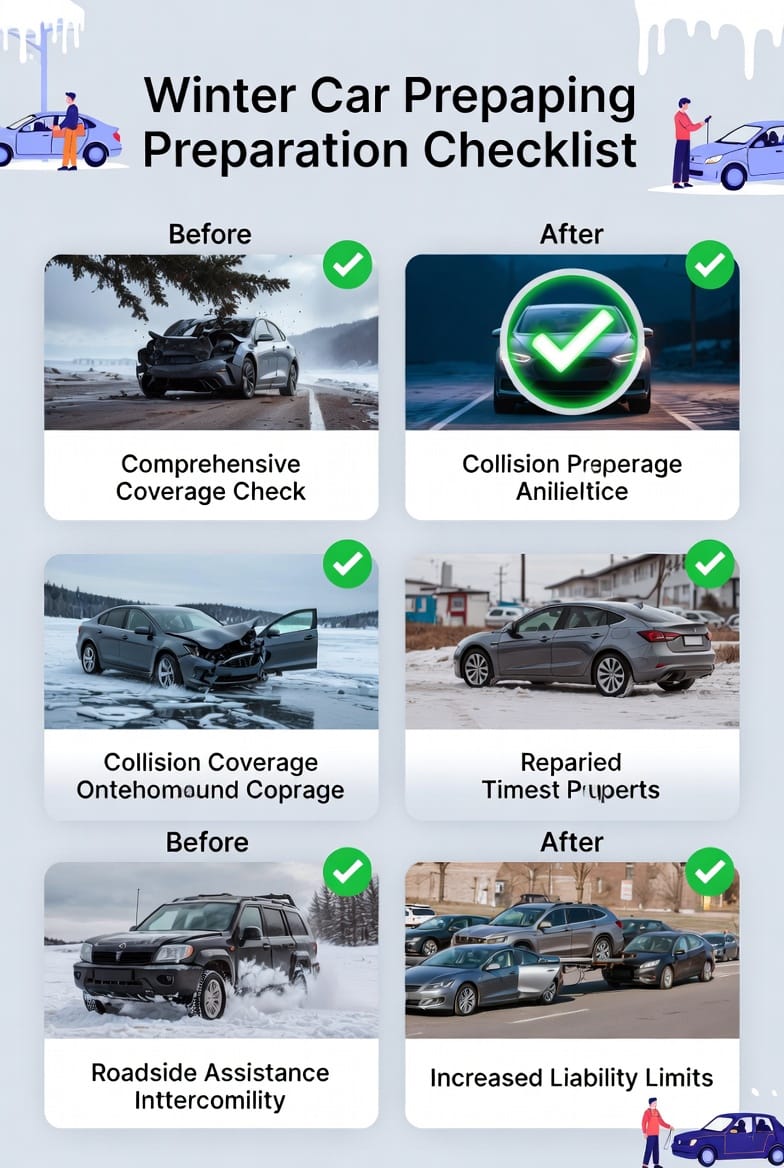
Winter driving doesn't need to cause anxiety. By reviewing your comprehensive coverage, collision coverage, roadside assistance, and liability limits, you create a solid foundation for safe travel.
Be ready before the first snow. Take action today to protect yourself, your family, and your vehicle throughout the season.
For a personalized winter coverage review. Our experienced agents help craft policies that match your specific driving needs and local winter conditions.
Stay safe, drive prepared, and enjoy the beauty of the season with confidence.
Check Your Comprehensive & Roadside Coverage – Call Today