The Window Wood Rot Repair: Epoxy Injections vs. Wood Replacement
Wood rot in windows is a common yet serious issue that every homeowner should address promptly. Window wood rot can compromise the structural integrity of your home, lead to energy inefficiency, and invite further damage from moisture and pests. In this comprehensive guide, we compare the two primary repair methods — epoxy injections and full wood replacement — to help you make an informed decision for your property.
Get Expert Window Rot Repair – Free Assessment Today!
Whether you're dealing with minor surface damage or extensive decay, understanding these approaches ensures you choose the most effective, long-lasting solution. Our expert team has successfully restored countless windows using both techniques, delivering results that protect your investment while maintaining your home's aesthetic appeal.
Understanding Window Wood Rot: Causes and Risks
Window wood rot typically develops when moisture penetrates unprotected or damaged wood, especially around sills, frames, and joints. Common causes include poor sealing, damaged flashing, clogged gutters, or extreme weather exposure.
Key risks of ignoring wood rot include:
- Structural weakening that may affect window operation and security.
- Increased energy bills due to drafts and poor insulation.
- Mold and pest infestation, posing health concerns.
- Spreading damage to surrounding trim, walls, or even the home's foundation.
Early detection through regular inspections is crucial. Bold action at the first signs of softening, discoloration, or cracking can prevent costly escalations. Professional assessment ensures accurate diagnosis of the rot's severity.
Epoxy Injection Repair: The Non-Invasive Solution for Minor Damage
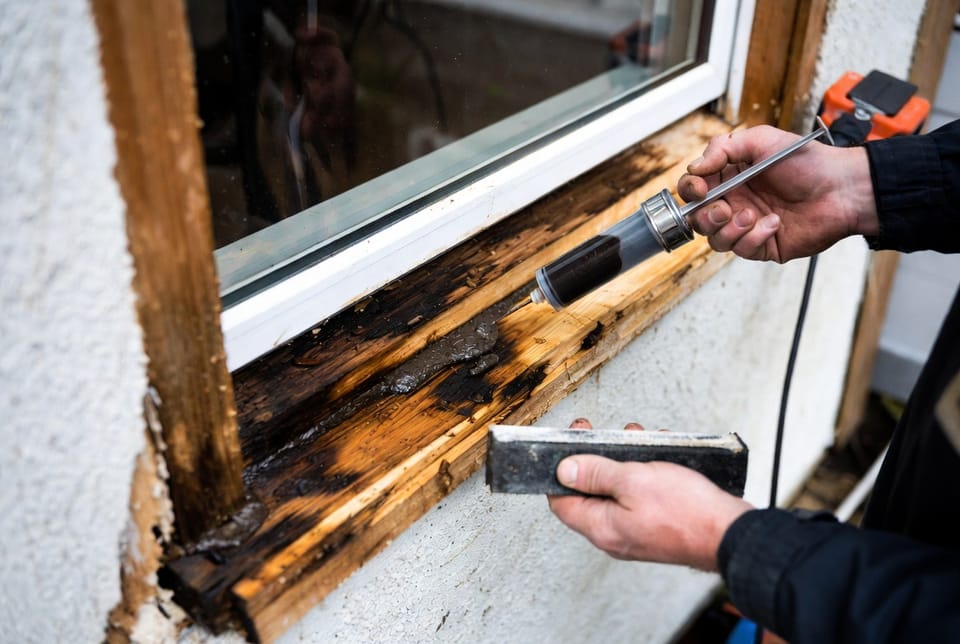
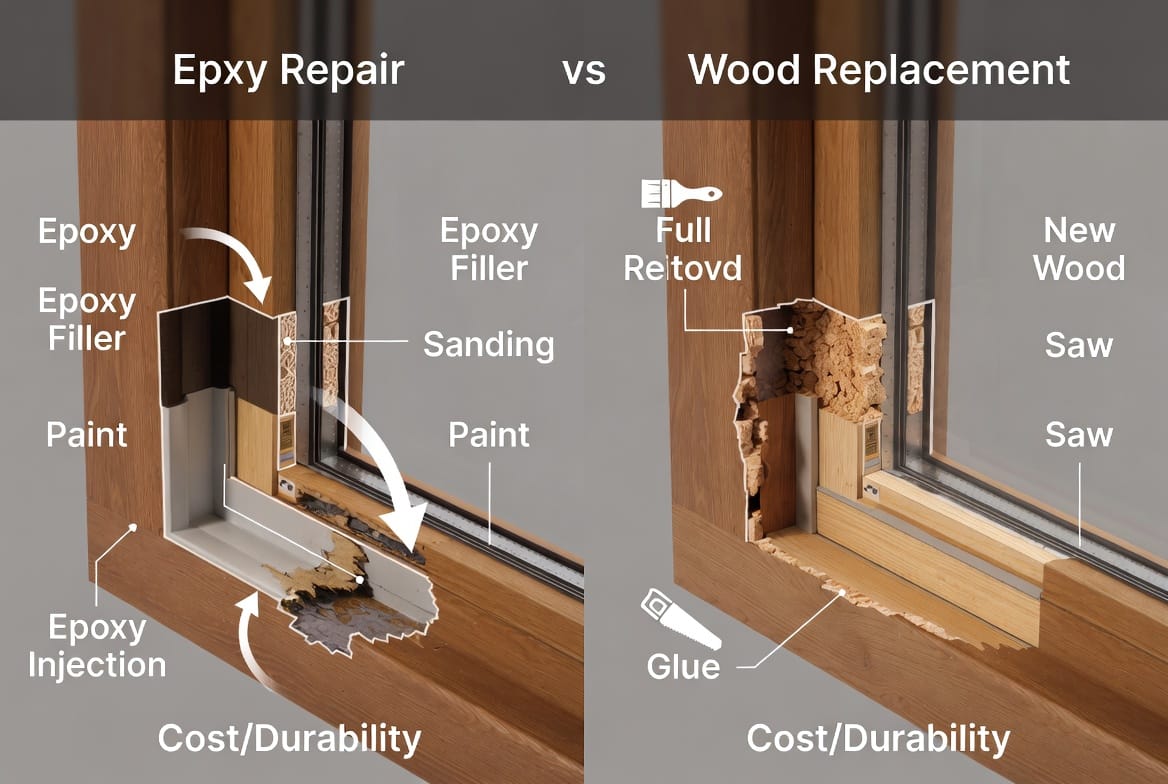
For minor to moderate wood rot, epoxy injections offer a highly effective, less disruptive repair method. This technique involves injecting a specialized two-part epoxy filler directly into the affected area to stabilize and reinforce the remaining wood.
Step-by-Step Epoxy Repair Process
- Inspection and Preparation — Technicians assess the extent of rot and remove all loose, decayed material while preserving as much sound wood as possible.
- Epoxy Injection — High-strength epoxy is injected into voids and cracks, bonding seamlessly with the existing wood fibers.
- Sanding and Shaping — Once cured, the hardened epoxy is sanded smooth to match the original contour.
- Priming and Painting — Premium exterior-grade primer and paint are applied for weatherproof protection and a flawless finish.
This method is particularly suitable for window sills and frames where full replacement would be impractical or overly invasive.
Benefits of epoxy repair include:
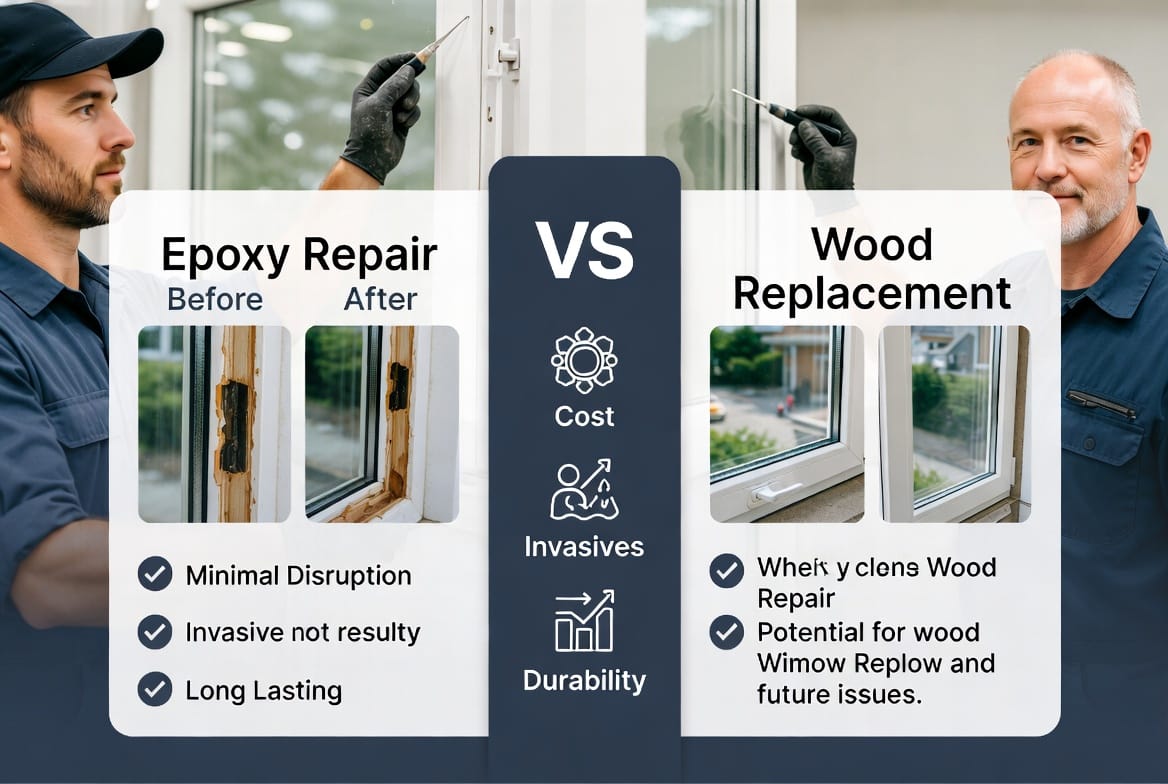
- Cost-effectiveness — Significantly lower material and labor costs compared to replacement.
- Minimal disruption — No need to remove the entire window unit.
- Quick turnaround — Often completed in a single day.
- Excellent durability for protected areas when applied correctly.
Epoxy injections restore strength while conserving the original wood's character, making them ideal for historic homes or situations where matching existing architecture is important.
When to Choose Wood Replacement: Addressing Major Damage
Extensive wood rot demands a more comprehensive solution. Wood replacement involves removing the severely damaged sections or entire components and installing new, pressure-treated or rot-resistant lumber.
Detailed Wood Replacement Process
- Precise Removal — Damaged wood is carefully excised to healthy tissue.
- Custom Fabrication — New pieces are cut, shaped, and fitted to exact specifications.
- Secure Installation — Professional anchoring ensures seamless integration and weather-tight seals.
- Finishing — Priming, painting, and sealing complete the restoration.
This approach is essential when rot has penetrated deeply or compromised load-bearing elements.
Advantages of wood replacement:
- Superior long-term durability in high-exposure areas.
- Complete elimination of hidden decay.
- Enhanced structural integrity and improved energy efficiency.
- Better warranty potential with new materials.
While more labor-intensive, modern rot-resistant woods and advanced sealants extend the lifespan significantly.
Cost and Durability Comparison: Epoxy vs. Replacement
Epoxy injections generally cost 40-60% less than full replacement for comparable areas, making them attractive for budget-conscious homeowners. They excel in smaller repairs where the rot is localized.
Wood replacement, though higher in initial investment, provides unmatched durability for major damage scenarios. The upfront expense often pays off through reduced future maintenance and prevention of larger issues.
Factors influencing your choice:
- Extent and location of rot.
- Home's age and architectural style.
- Budget and timeline considerations.
- Local climate and exposure levels.
Both methods, when executed by qualified professionals, deliver reliable results. The key is accurate assessment to match the repair to the damage level.
Pros and Cons: Making the Right Decision
Epoxy Repair Pros:
- Less invasive and preserves original materials.
- Faster and more affordable for minor rot.
- Environmentally friendly by reducing waste.
Epoxy Repair Cons:
- Not suitable for advanced structural compromise.
- Requires skilled application for optimal bonding.
Wood Replacement Pros:
- Thorough solution that eliminates all rot risks.
- Allows upgrades to more durable materials.
- Ideal for major damage restoration.
Wood Replacement Cons:
- Higher cost and longer project timeline.
- More disruptive during installation.
A professional inspection is the best way to determine which method serves your specific situation.
Best Practices for Preventing Future Window Wood Rot
Prevention is always preferable to repair. Implement these strategies to protect your windows:
- Regular inspections and prompt sealing of any gaps.
- Proper drainage with clean gutters and adequate flashing.
- High-quality exterior paints and caulking renewed every 3-5 years.
- Moisture control inside and outside the home.
- Professional maintenance schedules for long-term assurance.
Early intervention with either epoxy or replacement, combined with preventive care, ensures your windows remain functional and attractive for decades.
Choosing Professional Expertise for Window Repairs
DIY attempts at window wood rot repair often lead to incomplete fixes and recurring problems. Partnering with experienced technicians guarantees proper diagnosis, quality materials, and workmanship that stands the test of time.
Our team specializes in both epoxy injections and wood replacement, tailoring solutions to your home's unique needs. We prioritize customer satisfaction, using techniques that balance effectiveness, aesthetics, and value.
Conclusion: Repair Rotted Window Wood Correctly
Addressing window wood rot promptly protects your home's value, comfort, and appearance. Whether epoxy injections suit your minor damage or wood replacement is necessary for major issues, professional execution ensures lasting results.
Don't let rot compromise your property. Repair rotted window wood correctly today. Our experts are ready to provide personalized recommendations and exceptional service.
Epoxy or Wood Replacement? Call for Professional Help Now