The Window Replacement Timeline: How Long Does It Take?
Homeowners frequently wonder how long a complete window replacement project actually takes from first phone call to finished installation. The answer is both straightforward and variable: most projects follow a predictable sequence, yet several practical factors can shorten or extend the calendar. Understanding each stage in advance removes uncertainty and helps you plan around family schedules, weather, and seasonal energy costs.
Call Now for a Fast Window Replacement Estimate
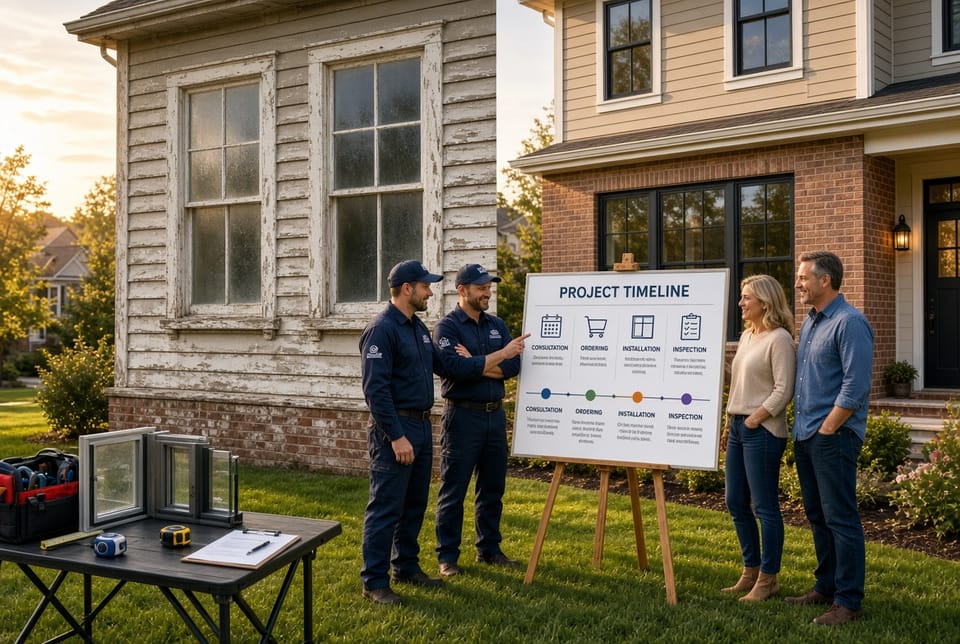
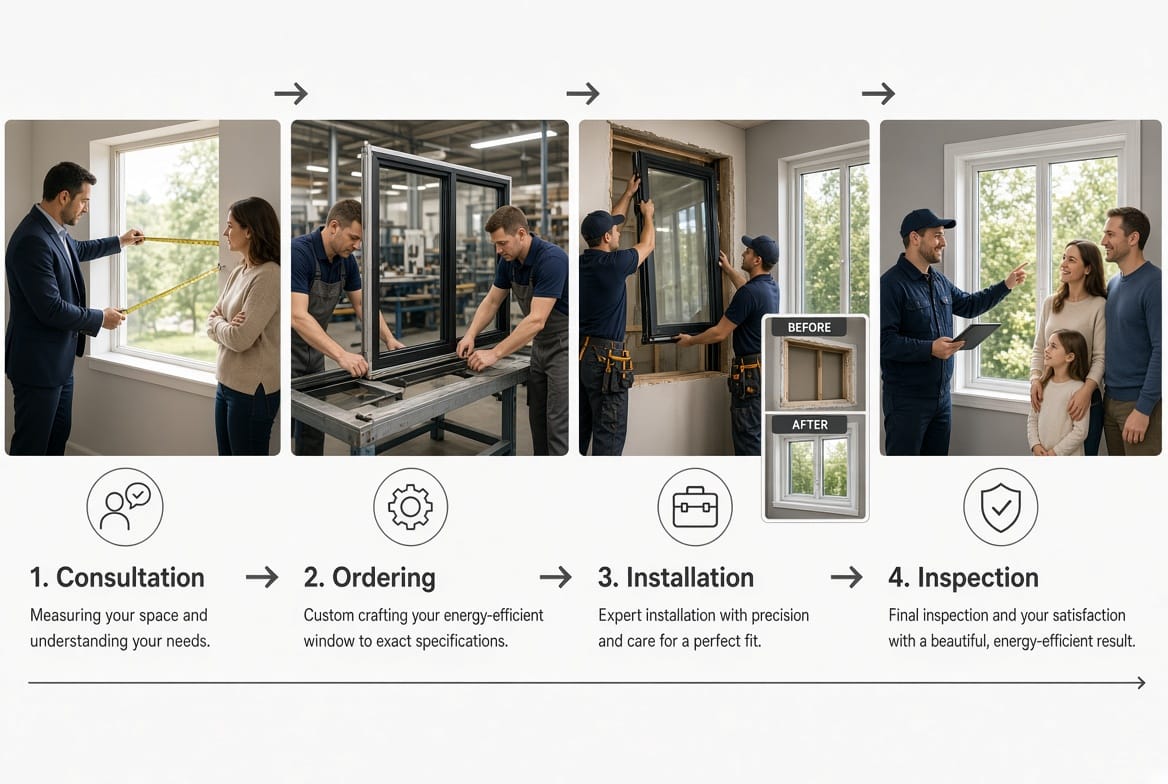
A typical window replacement timeline includes four core phases: consultation (1–2 weeks), ordering and manufacturing (2–6 weeks), installation (1–2 days), and final inspection. When these steps are managed by an experienced team, the process feels organized rather than disruptive. The goal is not merely speed; it is a precise fit, lasting performance, and a home that is more comfortable the moment the last window is sealed.
An Overview of the Standard Timeline
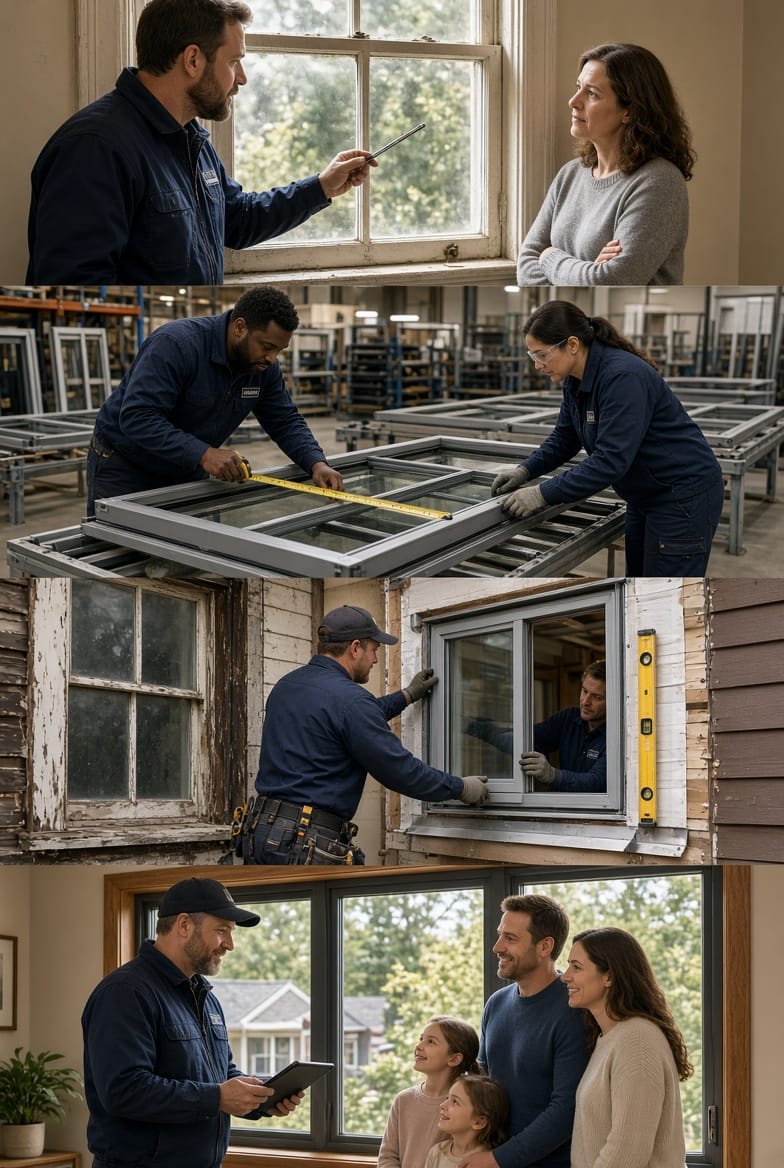
Most residential window replacement projects span four to eight weeks from initial contact to completed inspection. The consultation and measurement period usually occupies the first one to two weeks. Custom or semi-custom windows then enter production, which commonly requires two to six weeks depending on style, glass package, and current factory demand. Once the units arrive, professional installation for an average home is completed in one or two days. A brief final inspection and walkthrough close the project.
This sequence is designed to protect both quality and homeowner convenience. Rushing any single phase introduces avoidable risks such as incorrect sizing or incomplete weatherproofing. A measured approach delivers windows that operate smoothly for decades.
Phase 1: Consultation and Precise Measurement (1–2 Weeks)
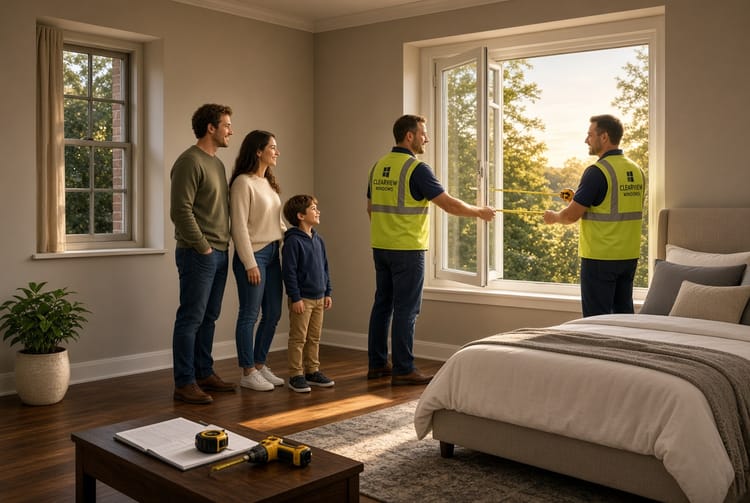
The process begins with a thorough on-site consultation. A trained specialist visits your home to evaluate existing windows, discuss energy-efficiency goals, review style and color options, and take exact measurements. This visit typically lasts 60–90 minutes and includes a conversation about budget, desired features such as low-E coatings or impact resistance, and any structural considerations around the openings.
After the visit, the company prepares a detailed written proposal. You review product specifications, warranty terms, and the projected schedule. Many homeowners use this window of time to compare options, check references, and confirm financing if needed. Once you approve the proposal and sign the agreement, the project moves into the ordering phase.
Accurate measurements collected during consultation prevent costly delays later. A professional team documents each opening’s width, height, depth, and condition of the existing frame. Any signs of rot, settling, or previous poor installation are noted so they can be addressed during installation rather than discovered on the day crews arrive.
Key activities during consultation:
- Full visual and measurement assessment of every window
- Discussion of material choices (vinyl, fiberglass, wood-clad, or composite)
- Review of glass packages and hardware options
- Explanation of energy-performance ratings and potential utility savings
- Presentation of a clear written estimate and preliminary timeline
This phase is collaborative. Asking questions now—about lead times, color-matching siding or trim, or interior finish details—keeps later stages on schedule.
Phase 2: Ordering, Manufacturing, and Delivery (2–6 Weeks)
Once measurements and selections are finalized, the order is submitted to the manufacturer. Standard sizes in popular colors often ship faster; custom dimensions, unique grid patterns, specialized glass (triple-pane, laminated, or tinted), or less-common colors extend production time toward the six-week mark.
Factory production includes cutting frames, assembling sashes, installing insulated glass units, applying weatherstripping, and quality-checking each unit before packaging. Reputable manufacturers run consistent quality-control processes so that windows arrive square, sealed, and ready for installation.
During this waiting period the installation team coordinates delivery, confirms crew availability, and schedules the work dates with you. You receive updates so you know exactly when materials will arrive and when technicians will be on site. Some companies store windows in a climate-controlled warehouse until the installation date, protecting them from weather or site damage.
Factors that commonly influence manufacturing lead time include:
- Degree of customization versus in-stock or quick-ship programs
- Seasonal demand (spring and early fall are typically busiest)
- Current supply-chain conditions for glass, vinyl, or hardware
- Special-order features such as integrated blinds or unique hardware finishes
A transparent contractor communicates realistic dates rather than overly optimistic promises. This honesty protects your planning and reduces last-minute surprises.
Phase 3: Professional Installation (1–2 Days)
Installation day is the most visible part of the project and, for most homes, the shortest. A typical crew of two to four technicians arrives in the morning, protects flooring and furnishings, and begins systematic removal of old units. They work one opening at a time so the house remains secure and weather-tight throughout the day.
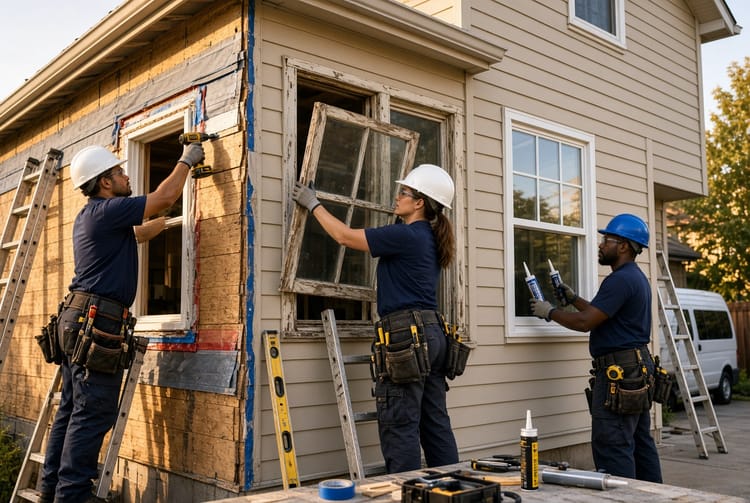
Old sashes and frames are carefully extracted. The rough opening is inspected, cleaned, and prepared. New windows are set, leveled, plumbed, and fastened according to manufacturer specifications and local building practices. Exterior and interior trim or casing is installed or adjusted, and all gaps are sealed with high-quality flashing and insulation to prevent air and water infiltration.
For an average home with eight to twelve windows, a skilled crew usually finishes in a single day. Larger homes, multi-story work, or openings that require extra structural repair may extend into a second day. The team cleans the work area before leaving and often performs a preliminary operational check so you can see the new windows open, close, and lock smoothly.
Homeowners appreciate that daily life continues with only modest disruption. Rooms stay usable, and the house is closed and locked each evening. Professional installers treat your property with respect—using drop cloths, removing debris, and communicating progress throughout the day.
Phase 4: Final Inspection and Project Close-Out
After installation, a final inspection confirms that every window operates correctly, seals are complete, and the finished appearance meets the agreed specifications. The project manager or lead technician walks through the home with you, demonstrating locking mechanisms, tilt-in features for cleaning, and any special hardware. They also review warranty registration and maintenance recommendations.
Any minor adjustments—a sash that needs a slight tweak or a piece of trim that requires a final nail—are handled immediately. Once you are satisfied, the project is formally closed. Many companies follow up a few weeks later to ensure everything continues to perform as expected.
This last step provides peace of mind. You leave the process knowing the work was completed to professional standards and that support remains available if questions arise.
Factors That Affect the Overall Timeline
Several variables can compress or extend the four-to-eight-week window. Understanding them helps you set realistic expectations and choose the right contractor.
Custom versus standard products
Stock or quick-ship windows can reduce manufacturing time to two weeks or less. Fully custom sizes, unique grid patterns, or specialty glass packages commonly require four to six weeks.
Season and weather
Spring and early fall are peak seasons; lead times may stretch. Extreme heat, cold, or rain can postpone an installation day for safety and quality reasons. A good company builds modest weather buffers into the schedule.
Number and condition of existing windows
Replacing ten windows takes longer on installation day than replacing four. Openings with rot, out-of-square frames, or previous poor flashing require extra preparation time that is identified during consultation so it does not appear as a surprise.
Permits and approvals
Some municipalities or homeowners’ associations require permits or design review. These administrative steps add days or a couple of weeks and should be started immediately after contract signing.
Contractor workload and crew availability
Reputable companies schedule jobs sequentially rather than over-promising. Choosing a firm that communicates current capacity avoids last-minute date changes.
Supply-chain and material availability
Occasional delays in glass, vinyl extrusion, or hardware can occur. Established manufacturers and contractors maintain relationships that minimize these disruptions.
None of these factors is unusual. An experienced team anticipates them, explains them clearly, and keeps the project moving.
Preparing Your Home and Family for a Smooth Project
A little preparation on your side keeps the timeline intact and the experience pleasant.
Clear furniture and window treatments from the work area a day before installation. Decide in advance where pets and children will spend the active work hours. Confirm parking and access for the crew’s vehicles and material delivery. Review the proposed schedule and note any blackout dates you cannot accommodate.
Ask your contractor how they handle unexpected discoveries such as hidden water damage. A written change-order process prevents confusion if extra work becomes necessary.
These simple steps allow the installation crew to focus on precision rather than logistics.
Risks of Compressing the Timeline
Attempting to skip measurement verification or accept the first available installation slot without proper manufacturing time introduces real drawbacks. Incorrect sizing leads to poor operation or air leaks. Inadequate sealing reduces energy performance and can allow moisture intrusion. Rushed flashing details compromise long-term weather resistance. Choosing the lowest bidder who promises an unrealistically short schedule often results in these problems.
A professional process accepts that quality windows and correct installation cannot be hurried without consequence. The modest extra weeks of planning protect your investment for twenty years or more.
Long-Term Value of a Well-Managed Timeline
Windows installed on a realistic schedule deliver immediate comfort and measurable energy savings. Drafts disappear, rooms stay closer to thermostat settings, and exterior noise drops. Modern low-E glass and tight weatherstripping reduce heating and cooling costs while improving indoor comfort year-round.
Properly timed projects also preserve warranty coverage. Manufacturers require that installation follow their specifications; documented professional work supports those warranties.
Homeowners who understand the timeline from the start report higher satisfaction. They know what to expect, when to expect it, and why each phase exists.
Planning Your Window Replacement with Confidence
The complete window replacement timeline—consultation of one to two weeks, manufacturing of two to six weeks, installation of one to two days, and a final inspection—is a proven sequence used by quality-focused companies across the country. When each stage receives the attention it deserves, the result is a quieter, more efficient, and more attractive home.
You do not have to guess at dates or wonder whether the project will disrupt your household longer than necessary. A clear conversation with an experienced team produces a personalized schedule that fits your calendar and your goals.
Plan your window replacement. A specialist will review your home’s specific needs, explain current lead times, and provide a straightforward projected schedule so you can move forward with certainty.
Plan Your Window Project – Call for Timeline Details