The Window Frame Material: Vinyl vs. Wood vs. Fiberglass vs. Aluminum
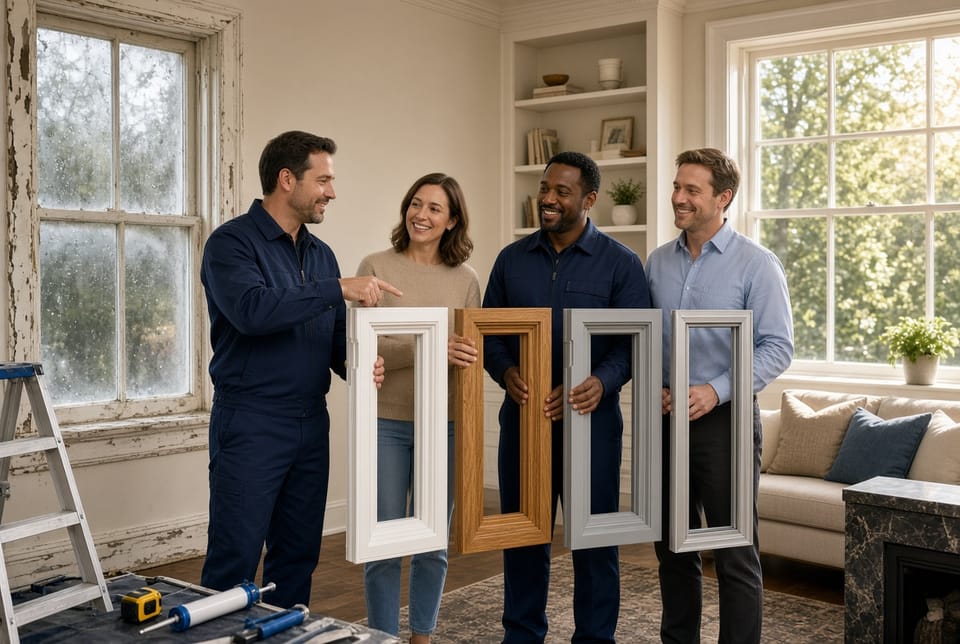
Selecting the right window frame material is one of the most important decisions you will make when replacing or installing new windows. The frame is not merely a decorative border. It directly affects energy efficiency, long-term durability, maintenance demands, appearance, and even the resale value of your home. Four materials dominate the market today: vinyl, wood, fiberglass, and aluminum. Each offers a distinct combination of strengths and limitations. This guide provides a clear, practical comparison so you can choose with confidence.
Find Your Best Window Frames – Call Today
A poorly chosen frame can lead to air leakage, condensation problems, warping, rot, or higher heating and cooling bills. The right choice, installed by professionals, delivers decades of comfort, lower energy costs, and peace of mind. Understanding the real-world performance of each option is the first step toward a successful window project.
Why Window Frame Material Matters
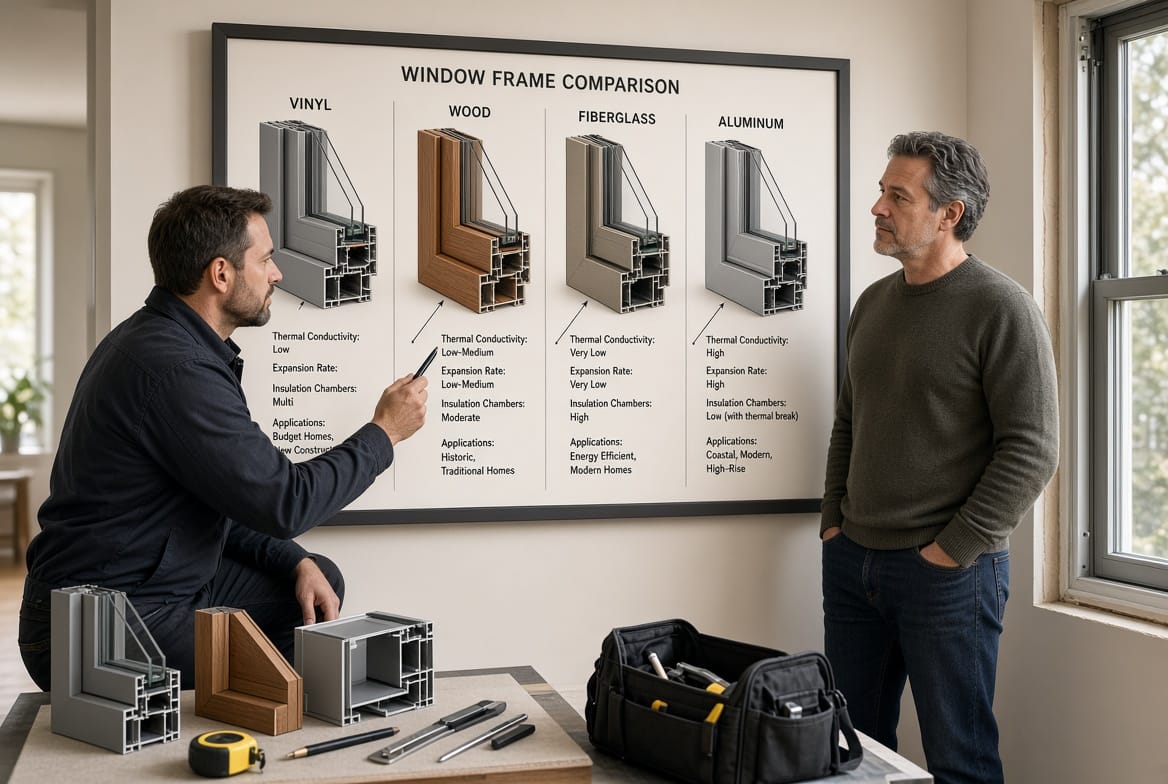
The frame holds the glass, seals the opening, and forms the thermal barrier between indoor and outdoor temperatures. Materials expand and contract at different rates, conduct heat differently, and respond differently to moisture, sunlight, and temperature swings. These physical properties determine how well the window performs over 20–40 years.
Homeowners often focus only on glass type or color. The frame, however, influences U-factor (heat transfer), condensation resistance, structural integrity in high winds, and how the window looks from both inside and outside. Climate, architectural style, budget, and how much maintenance you are willing to perform should all guide the decision.
Vinyl Window Frames: Affordable and Low-Maintenance
Vinyl (PVC) frames have become the most popular choice for residential replacement windows in many regions because they deliver solid performance at a lower price point. Vinyl is extruded into multi-chamber profiles that trap air and improve insulation. Most vinyl windows arrive fully assembled and ready to install, which helps keep labor costs reasonable.
Advantages of vinyl frames include:
- Lower upfront cost compared with wood or fiberglass
- Excellent low-maintenance qualities—no painting or staining required
- Good thermal performance when the profile includes multiple chambers and insulation
- Resistance to moisture, insects, and rot
- Wide availability of colors and styles, including wood-grain laminates
- Tight seals that reduce air infiltration when properly installed
Vinyl is a practical solution for homeowners who want reliable energy savings without ongoing upkeep. Modern vinyl formulations include UV inhibitors that reduce fading and brittleness.
Limitations exist as well. Vinyl can warp or sag in extreme heat if the profile is not well-engineered. Darker colors absorb more heat and may show greater expansion. Vinyl frames typically have thicker profiles than aluminum, which can slightly reduce glass area. Repairing a damaged vinyl frame is more difficult than refinishing wood; replacement of the sash or entire unit is often the practical solution. In very cold climates, some vinyl can become less impact-resistant, though quality products are designed to perform across a wide temperature range.
Vinyl works best for homeowners seeking affordable replacement windows with minimal long-term effort. It suits most architectural styles when the color and grid pattern are chosen carefully.
Wood Window Frames: Classic Beauty That Requires Care
Wood frames remain the gold standard for historic homes, high-end custom residences, and anyone who values natural warmth and the ability to refinish. Wood is an excellent natural insulator. Its cellular structure resists heat flow better than metal and comparably to many vinyl and fiberglass products when the wood is properly selected and constructed.
The visual appeal is unmatched. Wood can be stained to highlight grain or painted any color. Interior wood surfaces can be refreshed over decades, allowing the windows to evolve with changing décor. Many manufacturers now offer wood interiors with aluminum or vinyl cladding on the exterior, combining beauty with weather protection.
Pros of wood frames:
- Superior aesthetic warmth and authenticity
- Outstanding insulation properties
- Ability to be customized, painted, or stained
- Strong structural performance when properly maintained
- High perceived value that can enhance home resale
The trade-off is maintenance. Unprotected or poorly maintained wood is vulnerable to moisture damage, rot, insect attack, and UV fading. Exterior surfaces generally need periodic painting or staining. Even clad-wood windows require inspection of joints and sealants. Wood also costs more than vinyl at both purchase and installation. In humid or rainy climates, the maintenance schedule becomes more demanding.
Wood is the right choice when architectural authenticity or interior design flexibility is a top priority and the homeowner is prepared to follow a regular care routine. Professional installation that includes proper flashing and sealing is essential to protect the investment.
Fiberglass Window Frames: Durable and Dimensionally Stable
Fiberglass frames are made from glass fibers bound in resin and pultruded into strong, consistent profiles. The material is exceptionally stable—it expands and contracts at nearly the same rate as glass. This dimensional stability reduces stress on seals and helps maintain a tight fit through seasonal temperature changes.
Fiberglass is stronger than vinyl of comparable size and can support larger glass areas or slimmer sightlines. It accepts paint well, so color options are extensive. Many fiberglass windows include foam insulation in the cavities for improved thermal performance. The material resists denting, rotting, and insect damage.
Key benefits:
- Outstanding durability and resistance to warping
- Excellent thermal performance and low expansion
- Ability to be painted any color
- Long service life with very little maintenance
- Suitable for both traditional and contemporary designs
The primary drawback is cost. Fiberglass windows typically price higher than vinyl and sometimes higher than clad-wood. Availability can be more limited depending on the manufacturer and region. While fiberglass itself is tough, the finish can chip if struck hard; touch-up painting is usually straightforward.
Fiberglass is an excellent long-term investment for homeowners who want a “set it and forget it” product that still offers design flexibility. It performs especially well in climates with large temperature swings.
Aluminum Window Frames: Modern Looks with Thermal Considerations
Aluminum frames deliver a sleek, contemporary appearance with very slim profiles. The material is strong, lightweight, and naturally resistant to rust when properly finished (usually with a durable powder coat or anodized surface). Aluminum windows are common in commercial buildings and modern residential designs that emphasize clean lines and maximum glass.
Because aluminum is a metal, it is highly conductive. Without a thermal break (a non-metallic barrier inserted in the frame), heat and cold transfer readily, reducing energy efficiency and increasing the risk of interior condensation in cold weather. Most residential-grade aluminum windows now include thermal breaks, but even then the insulation value generally lags behind vinyl, wood, or fiberglass.
Advantages:
- Slim sightlines and modern aesthetic
- High strength-to-weight ratio
- Low maintenance and fade-resistant finishes
- Recyclable material
- Good performance in large or commercial-style openings
Disadvantages include poorer inherent insulation, potential for condensation if the thermal break is inadequate, and a colder feel to the touch in winter. Aluminum can also dent, and repair usually requires professional refinishing or replacement of the affected section. In coastal environments, the finish quality is critical to prevent corrosion.
Aluminum suits contemporary architecture, large window walls, and situations where a narrow frame profile is desired. Homeowners in moderate climates who prioritize style over maximum energy savings often find it a good match.
Direct Comparison of the Four Materials
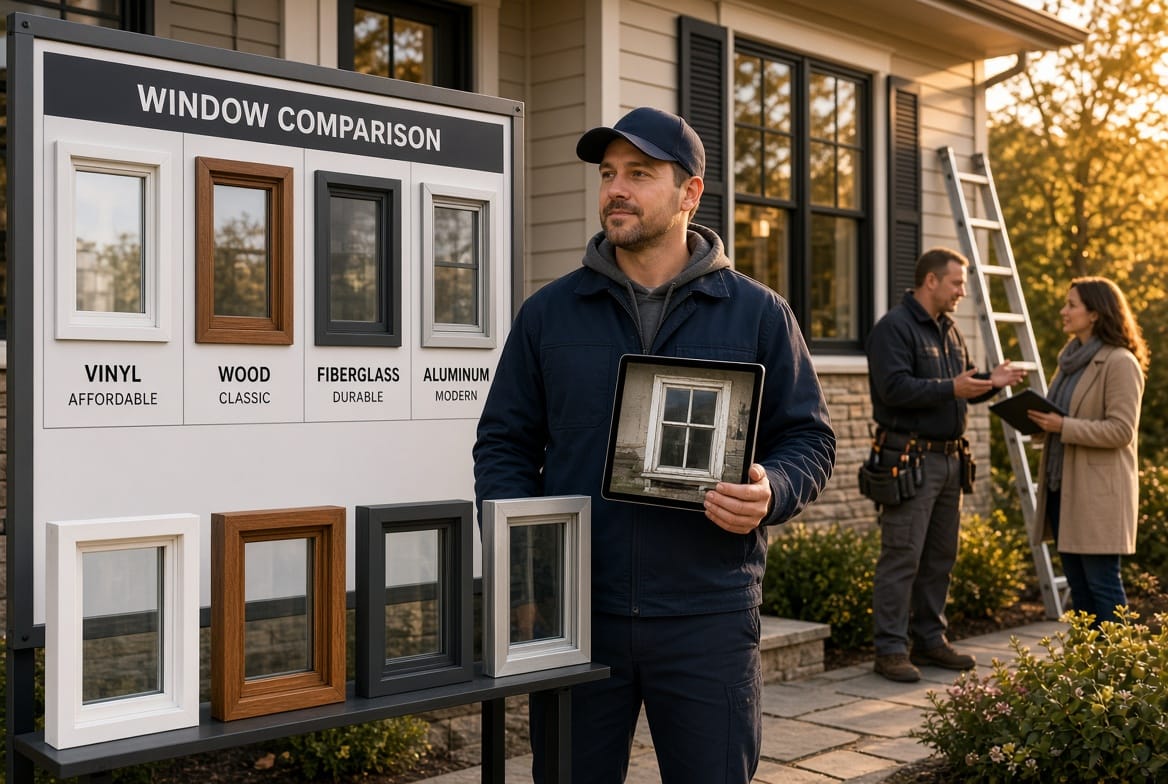
When the four options are placed side by side, clear patterns emerge.
- Cost: Vinyl is usually the most affordable. Aluminum sits in the middle-to-upper range depending on thermal-break quality. Wood and fiberglass typically command premium pricing.
- Maintenance: Vinyl and fiberglass require the least ongoing work. Aluminum needs only occasional cleaning. Wood demands the most attention.
- Energy efficiency: Wood, fiberglass, and well-designed vinyl generally outperform aluminum. Proper installation and quality weatherstripping matter as much as the material itself.
- Durability and stability: Fiberglass leads in dimensional stability. Aluminum is structurally strong. Vinyl performs well when engineered correctly. Wood lasts generations if maintained.
- Aesthetics: Wood offers unmatched warmth and customization. Aluminum provides the slimmest modern look. Vinyl and fiberglass can mimic other materials convincingly.
- Lifespan: All four can last 20–40+ years. Actual life depends more on installation quality, climate, and maintenance than on the raw material alone.
No single material wins every category. The “best” frame is the one that aligns with your climate, house style, budget, and willingness to perform upkeep.
Additional Factors That Influence Your Choice
Climate plays a major role. In hot, sunny regions, resistance to heat-related warping and UV fading becomes important; vinyl and fiberglass generally handle this well. In cold, wet climates, insulation value and moisture resistance rise in priority—wood must be protected, aluminum needs a good thermal break, and vinyl or fiberglass often excel. Coastal homes require corrosion-resistant finishes, especially for aluminum.
Architectural style should not be ignored. Historic homes frequently look most authentic with wood or wood-clad frames. Mid-century or industrial designs often pair naturally with aluminum. Most suburban homes accept vinyl or fiberglass without visual compromise.
Energy codes and utility rebates sometimes favor higher-performing frames. A professional energy audit or window consultation can identify whether an upgrade will produce meaningful savings.
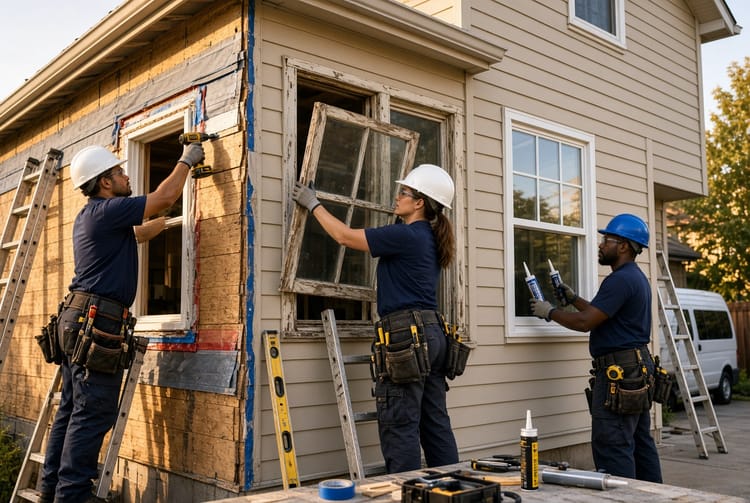
Installation quality is as important as material selection. Even the best frame will underperform if flashing, shimming, and sealing are done incorrectly. Gaps around the frame allow air and water infiltration that no material can overcome.
Making the Final Decision with Confidence
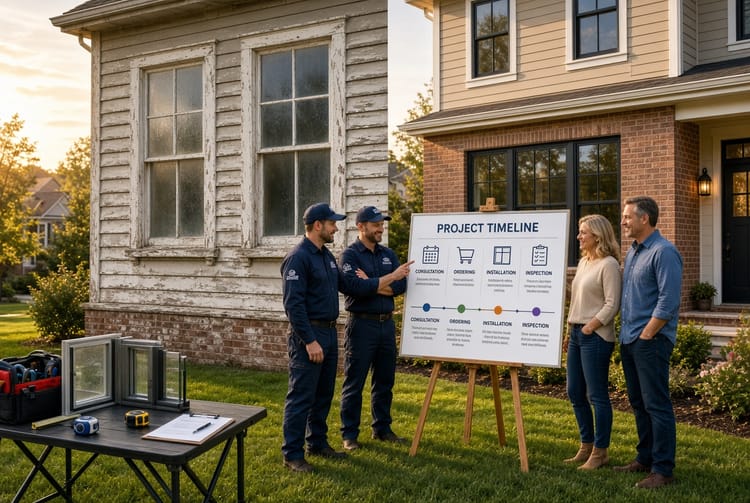
Begin by listing your non-negotiables: maximum budget, desired look, maintenance tolerance, and energy goals. Visit a showroom or schedule an in-home consultation so you can see and touch actual samples. Ask about warranty coverage for the frame itself, the finish, and the insulated glass unit. Review the manufacturer’s published performance data for U-factor and condensation resistance.
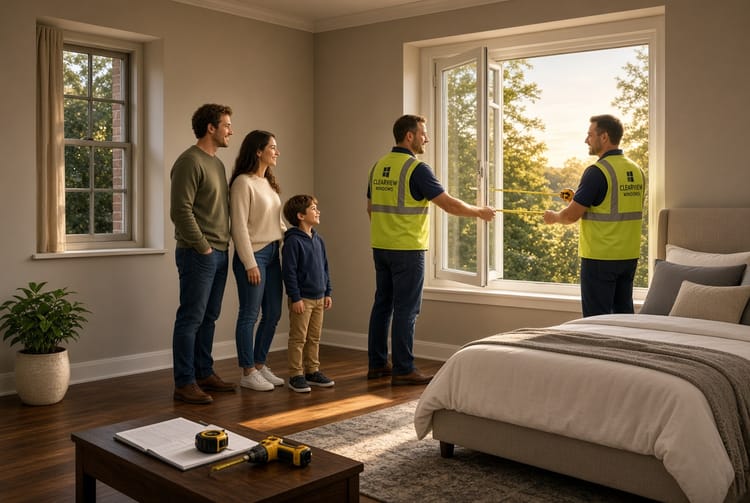
A reputable window company will measure your openings, discuss local climate challenges, and recommend options rather than push a single product. They should also explain how the new frames will be integrated with existing siding, trim, and interior finishes.
Replacing windows is a significant investment, but it is also one of the most visible and functional improvements you can make. The correct window frame material reduces drafts, lowers energy bills, improves comfort, and enhances curb appeal for years to come.
Choose the right window frame material for your home. A professional consultation removes guesswork and ensures the selected frames are installed to last.
Call Today for Professional Window Frame Guidance