The Window Trim and Casing: Interior Finishing Options
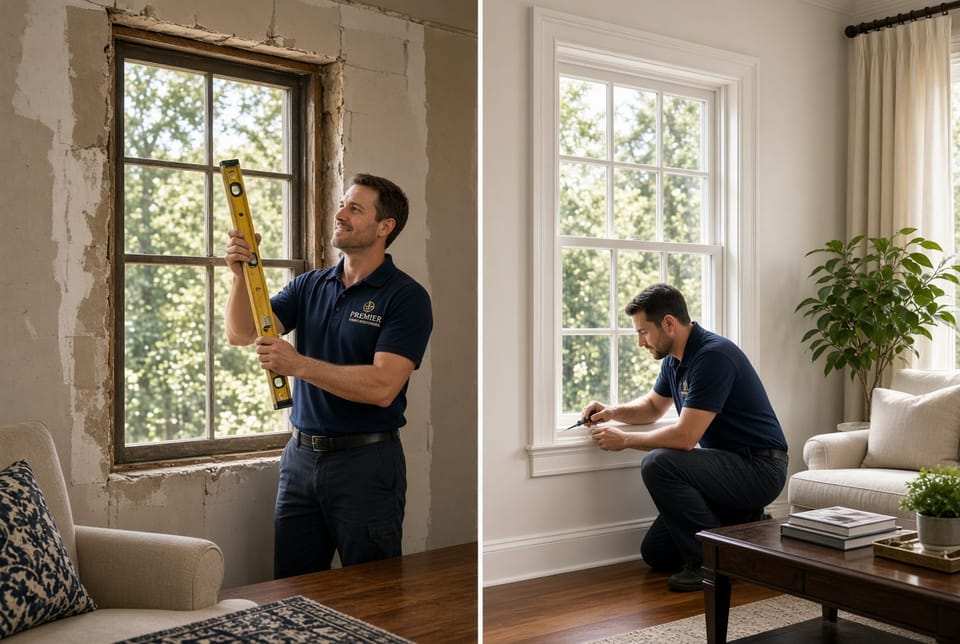
Window trim and casing represent the final, defining layer that turns a functional opening into a polished architectural feature. When selected and installed with care, these elements dramatically improve the aesthetics of any interior space. They frame the view, hide construction gaps, and create visual harmony between the window, walls, and surrounding décor. Homeowners who invest in high-quality interior finishing options enjoy rooms that feel complete, intentional, and far more valuable.
Call Now for Professional Window Trim Installation
This comprehensive guide explores the most popular trim materials, classic and contemporary styles, and professional installation techniques that deliver lasting beauty. Every recommendation focuses on achieving an elegant, cohesive look while avoiding common pitfalls that can undermine the finished appearance.
Why Window Trim and Casing Matter for Interior Aesthetics
Unfinished window openings leave unsightly gaps, uneven drywall edges, and a raw, incomplete impression. Proper window casing conceals these imperfections and adds depth, shadow lines, and character. The right profile and material can make a standard window appear custom-built and significantly more expensive.
Well-chosen trim also influences how light interacts with the room. Crisp, clean lines draw the eye toward the glass and create a sense of height or width depending on the style. In living rooms, bedrooms, and dining areas, beautifully finished windows become natural focal points that complement furniture, flooring, and wall colors.
Neglecting this finishing step often results in a space that feels unfinished no matter how nice the rest of the décor may be. Investing in professional-grade interior window trim solves that problem permanently.
Understanding the Difference Between Trim and Casing
Window casing specifically refers to the molded pieces that surround the window frame on the interior wall. It covers the joint between the window jamb and the drywall. Trim is a broader term that can include casing, apron, stool (interior sill), and sometimes additional decorative elements such as rosettes or plinth blocks.
For most homeowners the terms are used interchangeably when discussing interior finishing. The key is selecting a complete system—header, sides, and bottom—that works together as a single, balanced composition.
Trim Materials: Choosing the Right Foundation for Beauty
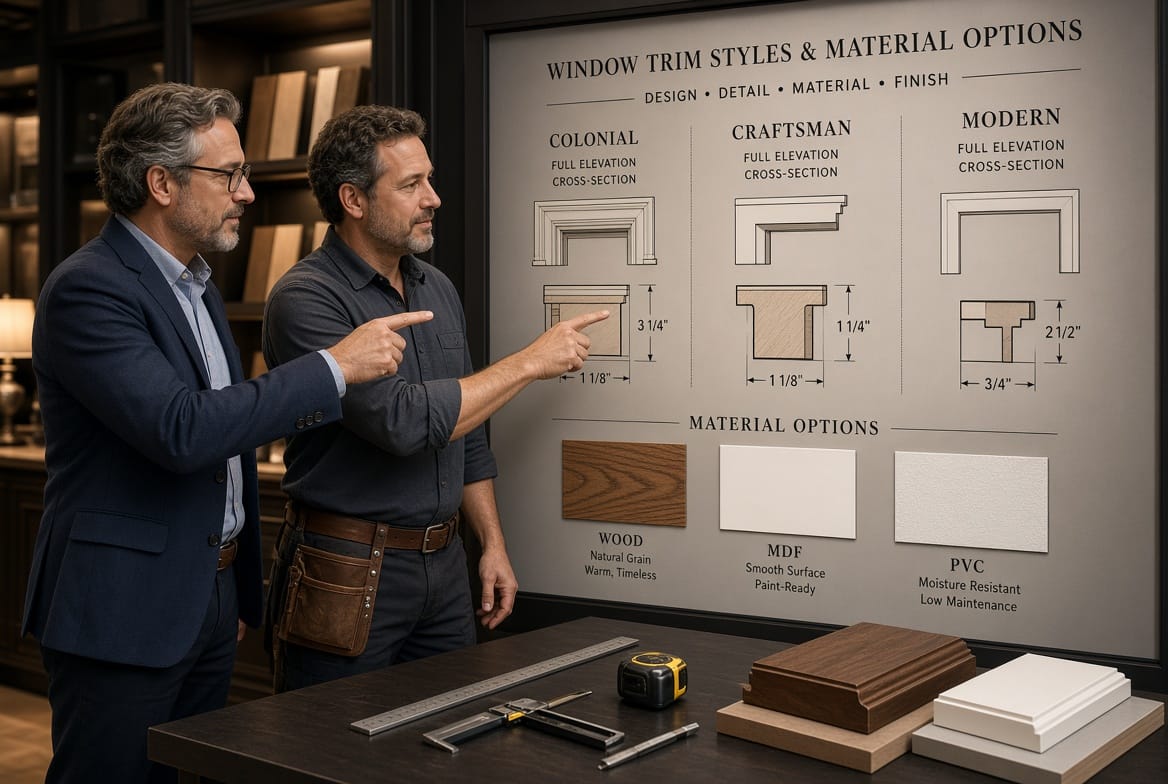
The material you select determines both the visual character and long-term performance of the finished window. Three primary options dominate the market: wood, MDF, and PVC. Each offers distinct aesthetic qualities.
Wood Trim – Timeless Natural Elegance
Solid wood remains the gold standard for homeowners who want authentic texture and the ability to stain or paint. Popular species include pine, poplar, oak, and maple. Pine accepts paint beautifully and is cost-effective; oak and maple display rich grain when stained.
The natural variation in wood grain creates warmth and uniqueness that manufactured materials cannot fully replicate. When finished with a high-quality stain or enamel paint, wood casing adds a sense of craftsmanship and permanence.
Risks to consider: wood can expand, contract, or warp if exposed to high humidity or improper sealing. Professional installation includes proper acclimation, moisture-resistant primer, and meticulous caulking to minimize these issues.
MDF Trim – Smooth, Consistent, and Paintable Perfection
Medium-density fiberboard (MDF) delivers an exceptionally smooth surface that takes paint with almost no grain showing. This makes it ideal for crisp, contemporary or traditional painted looks. Because it is manufactured, every piece is uniform in density and profile.
MDF is more affordable than premium hardwoods and resists splitting when nailed. Many designers prefer it for rooms where a flawless painted finish is the goal.
Risks: MDF is less moisture-resistant than wood or PVC. In high-humidity areas such as bathrooms it can swell if the edges are not properly sealed. Using a quality primer and keeping the material dry during installation eliminates most concerns.
PVC Trim – Durable Modern Versatility
PVC (cellular polyvinyl chloride) trim offers excellent moisture resistance and dimensional stability. It will not rot, warp, or support mold growth, making it especially suitable for kitchens, bathrooms, and homes in humid climates.
Modern PVC profiles can closely mimic painted wood while remaining lightweight and easy to work with. The material accepts paint well, though many homeowners leave it in its factory-white finish for a clean, low-maintenance look.
The aesthetic trade-off is a slightly less “organic” feel compared with real wood. High-quality PVC products have improved dramatically and now provide convincing texture and shadow lines.
Popular Window Trim Styles That Define Interior Character
Once the material is chosen, the profile or style determines the overall personality of the room. Three enduring styles cover the majority of design preferences.
Colonial Style – Classic Elegance and Ornate Detail
Colonial trim features graceful curves, stepped profiles, and often a prominent header with a decorative cap. The look is formal yet welcoming and pairs beautifully with traditional, transitional, and even some farmhouse interiors.
Typical colonial casing includes a wider header, narrower side casings, and a simple or slightly molded apron below the stool. The layered profiles create attractive shadow lines that add sophistication without feeling heavy.
This style works exceptionally well with both stained wood and painted MDF or PVC. Many historic homes and new construction projects seeking a timeless appearance choose colonial profiles.
Craftsman Style – Substantial, Honest, and Handcrafted Appeal
Craftsman trim emphasizes clean, square edges, thicker stock, and simple geometric shapes. It reflects the Arts and Crafts movement’s appreciation for honest materials and visible joinery.
A typical craftsman window features a flat or slightly beveled header that is often wider than the side casings, sometimes accompanied by decorative corbels or a substantial apron. The overall impression is sturdy, grounded, and warmly inviting.
Craftsman style looks particularly authentic in oak or other hardwoods with a clear or light stain. Painted versions in white or soft neutrals also succeed in contemporary craftsman and bungalow-inspired homes.
Modern Style – Sleek Minimalism and Clean Lines
Modern trim strips away ornamentation in favor of slim, flat, or very simple profiles. The goal is to let the window itself and the surrounding architecture take center stage.
Flush or slightly recessed casing, narrow reveals, and sharp 90-degree corners characterize this look. Some modern installations even use “drywall return” techniques with almost no visible trim, though a thin, elegant casing still provides a finished edge.
PVC and MDF excel in modern applications because they can be milled to precise, consistent dimensions. The result is a gallery-like, uncluttered aesthetic that complements contemporary furniture and large expanses of glass.
Combining Materials and Styles for Personalized Results
There is no single “correct” pairing. Homeowners frequently mix a colonial profile in painted MDF for a crisp traditional look, or a craftsman profile in stained wood for rustic warmth. PVC in a modern profile delivers low-maintenance sleekness.
Consider the existing millwork in the home. Matching or complementing baseboards, door casings, and crown molding creates visual continuity. When the window trim echoes other architectural details, the entire interior feels thoughtfully designed.
Color also plays a major role. White or off-white remains the most popular choice because it brightens the room and highlights the window. Contrasting colors or stained wood can make a bold statement in the right setting.
Professional Installation: The Key to Flawless Aesthetics
Even the finest materials and most beautiful profiles will disappoint if installation is imprecise. Gaps, uneven miters, or poorly aligned pieces instantly ruin the intended look.
A professional process typically includes:
- Accurate measuring of each window opening
- Careful cutting of miters or coped joints
- Secure fastening that avoids splitting or nail pops
- Thorough caulking of all seams
- Priming and painting or staining for a factory-smooth finish
Risks of amateur work include visible gaps that collect dust, mismatched reveals that look sloppy, and movement over time that opens joints. Experienced installers understand wood movement, use the correct fasteners, and apply flexible, paintable caulk that maintains a seamless appearance for years.
The difference between a merely acceptable job and a truly beautiful one often comes down to the last 10 percent of effort—perfect alignment, consistent reveals, and a paint finish free of brush marks or drips.

Design Tips for Maximum Visual Impact
- Match the scale of the trim to the size of the window and the height of the ceilings. Larger windows and taller rooms can support more substantial profiles.
- Keep reveals (the small setback from the window jamb) consistent around all four sides.
- Use a stool and apron on double-hung and casement windows for a more finished, furniture-like appearance.
- Consider adding decorative elements such as rosettes at the corners or a built-up header for extra distinction in formal spaces.
- Coordinate paint sheen with the rest of the room—satin or semi-gloss on trim is both durable and attractive.
These small decisions compound into a result that looks custom rather than off-the-shelf.
Long-Term Beauty and Maintenance
Once installed, quality window trim requires surprisingly little upkeep. Painted surfaces can be wiped clean; stained wood benefits from occasional dusting and a furniture-quality polish. In humid environments, PVC offers the lowest maintenance of all.
Periodic inspection of caulk lines and touch-up painting every several years keeps the finish looking new. Because the trim is the last layer applied, it also protects the window frame and drywall from minor damage.
Conclusion: Elevate Every Window with Thoughtful Finishing
Window trim and casing are far more than functional covers for gaps. They are essential design elements that complete the architecture of a room and express the homeowner’s taste. By selecting the appropriate material—whether the warmth of wood, the smoothness of MDF, or the durability of PVC—and pairing it with a complementary style such as colonial, craftsman, or modern, any interior can achieve a refined, cohesive look.
Professional installation ensures the details that separate ordinary from outstanding: tight joints, even lines, and a finish that lasts.
Finish your windows with beautiful trim. Give every opening the polished, high-end appearance it deserves.
Get a Polished Window Finish – Call for Installation