The Window Weep Hole: Why It Matters and How to Clean

Every window in a well-built home contains a small but vital feature that most homeowners never notice until something goes wrong. That feature is the weep hole. These tiny openings play an essential role in protecting your windows, walls, and interior finishes from water damage. Understanding how they work, why they fail, and how to keep them clear can save you from costly repairs and extend the life of your windows for many years.
Protect Your Windows & Prevent Water Damage – Call Now!
In this comprehensive guide we will explore exactly what window weep holes are, the common reasons they become blocked, the clear warning signs that indicate a problem, and the safest methods for cleaning them. You will also learn why regular attention to these small details delivers significant long-term benefits for your home.
What Exactly Are Window Weep Holes?
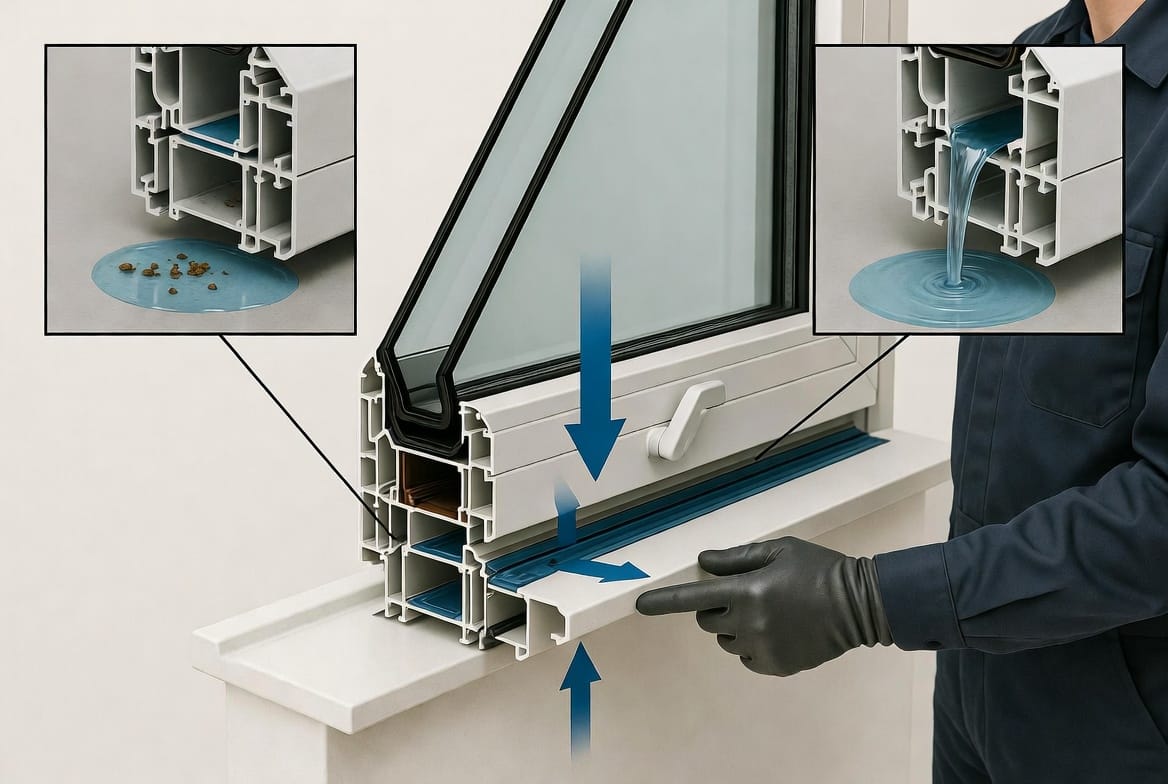
Weep holes are deliberately engineered drainage openings located in the lower portion of a window frame, most often along the exterior sill or the bottom of the track. Their purpose is simple yet critical: they allow rainwater, condensation, and any moisture that enters the window system to escape outward rather than collect inside the frame or seep into the surrounding wall structure.
Modern window manufacturers design these openings as part of a complete water-management system. When rain strikes the glass or wind-driven moisture finds its way past the weatherstripping, the water travels downward into the sill area. From there the weep holes provide a clear path for the water to exit. Without them, moisture would remain trapped, leading to corrosion of metal components, swelling of wooden frames, mold growth, and eventual deterioration of interior finishes.
You will typically find two or more weep holes on each operable window. They may appear as small rectangular slots, circular holes covered by a plastic flap, or narrow slits protected by a screen. In sliding windows they often sit at the ends of the track; in casement or double-hung windows they are positioned along the exterior face of the sill. Regardless of style, their function remains the same—controlled drainage that keeps the window system dry and functional.
Why Weep Holes Become Clogged
Even the best-designed drainage system can fail when debris accumulates. Several everyday factors contribute to clogged weep holes.
- Dirt and dust settle into the openings over time, especially in homes located near busy roads, construction sites, or dry climates where airborne particles are common.
- Organic debris such as leaves, pollen, insect remains, and spider webs can pack tightly into the narrow channels.
- Paint overspray or caulk from previous maintenance projects frequently seals the holes shut if the openings were not carefully masked.
- Mineral deposits from hard water or repeated condensation can form a crust that gradually reduces the opening size.
- Insulation or packing materials left behind during original installation sometimes migrate into the drainage path.
Once a weep hole becomes partially or fully blocked, water has nowhere to go. It begins to pool in the track, overflow onto the interior sill, or migrate sideways into the wall cavity. The longer the blockage remains, the greater the risk of secondary damage such as rotting wood, corroded hardware, and mold colonies that thrive in the damp environment.
Clear Signs That Your Weep Holes Are Clogged
Recognizing early warning signs allows you to address the problem before serious damage occurs. Watch for these common indicators:
- Standing water that remains in the window track long after rainfall has stopped
- Visible moisture or water stains on the interior sill or surrounding drywall
- Condensation that appears between the glass panes of insulated units (a sign that seals are under stress from trapped moisture)
- Peeling paint or bubbling finish near the bottom of the window frame
- A musty odor coming from the window area after wet weather
- Insects or spiders frequently nesting in the track, attracted by the damp conditions
- Difficulty opening or closing the window because the track is swollen or obstructed by debris
If you notice any combination of these symptoms, the weep holes should be inspected and cleaned promptly. Ignoring the signals can turn a simple maintenance task into an expensive repair involving frame replacement or interior restoration.
How to Clean Window Weep Holes Safely and Effectively
Cleaning weep holes is a straightforward process that most homeowners can perform with basic tools and a careful approach. Follow these steps for best results.
- Prepare the area. Open the window fully and remove any loose debris from the track with a vacuum or soft brush. Place a towel or tray beneath the sill to catch water and dirt.
- Locate every weep hole. Examine the exterior face of the sill and the ends of the track. Use a flashlight if necessary to identify all openings.
- Clear surface debris. Gently sweep away visible dirt, leaves, and insect remains with a soft brush or the edge of a plastic card.
- Probe the openings. Insert a thin, flexible tool such as a pipe cleaner, small wire (straightened paperclip works well), or a specialized weep-hole cleaning tool. Work the tool in and out carefully to dislodge packed material. Avoid forcing metal objects that could scratch or enlarge the opening.
- Flush with compressed air or water. A can of compressed air directed into the hole from the exterior side often forces remaining particles outward. Alternatively, use a gentle stream of water from a spray bottle while holding a cloth on the interior side to catch runoff. Never use high-pressure washers, as they can drive water deeper into the wall.
- Test the drainage. Pour a small amount of water into the track and observe whether it exits freely through the weep holes. If water still pools, repeat the probing and flushing steps.
- Final inspection. Wipe the track dry and check that the openings remain clear. Reinstall any protective flaps or screens if they were removed.
Perform this cleaning at least twice a year—ideally in spring and fall—and after any major storm or painting project. Homes in dusty or heavily wooded areas may benefit from more frequent attention.
Additional Tips for Long-Term Success
- Avoid painting over weep holes. Always mask them carefully during exterior painting.
- Keep landscaping trimmed so that soil and mulch do not splash against the sill and introduce extra debris.
- Install window screens that fit properly; poorly fitted screens can allow more insects and leaves into the track.
- Consider professional window maintenance if your home has a large number of windows or if access is difficult (high upper-story units, for example).
Regular care of these small openings prevents the far larger problems of water intrusion, frame decay, and indoor air-quality issues.
The Broader Benefits of Clear Weep Holes
Maintaining free-flowing weep holes delivers several important advantages beyond simple drainage:
- Extended window lifespan. Dry frames resist warping, corrosion, and seal failure.
- Protection of surrounding structure. Water that exits properly never reaches drywall, insulation, or wooden framing.
- Improved indoor comfort. Reduced moisture means fewer opportunities for mold and mildew that affect air quality.
- Lower energy costs. Intact seals and undamaged frames maintain better thermal performance.
- Preserved property value. Prospective buyers notice well-maintained windows and the absence of water stains or odors.
In short, a few minutes spent clearing weep holes several times each year safeguards both the appearance and the structural integrity of your home.
When Professional Help Is the Smart Choice
While basic cleaning is within reach of most homeowners, certain situations call for experienced technicians. Call a professional window service if:
- Water continues to enter the interior after thorough cleaning
- You discover rot, corrosion, or failed seals that require component replacement
- The windows are under warranty and self-service might void coverage
- Access is unsafe (high elevations or complex multi-pane systems)
- You simply prefer the peace of mind that comes with a complete inspection and service
Trained specialists possess the tools, knowledge, and product-specific techniques to restore full drainage function quickly and without risk of further damage.

Keep Weep Holes Clear for Window Longevity
The humble weep hole may be one of the smallest components of your window system, yet its proper function is essential to the health of the entire assembly. By understanding what these drainage openings do, recognizing the signs of blockage, and performing simple, regular cleaning, you protect your investment and avoid the cascade of problems that trapped moisture can cause.
Make weep-hole maintenance part of your seasonal home-care routine. When the task feels larger than a quick DIY effort, or when you want the assurance of a thorough professional inspection, reach out for expert assistance. Keep weep holes clear for window longevity.
A few minutes of attention today can prevent years of unnecessary expense and frustration tomorrow. Your windows—and your home—will thank you.
Clear Clogged Weep Holes Fast – Schedule Service Today!