The Window Weatherstripping: Types, Installation, and Replacement
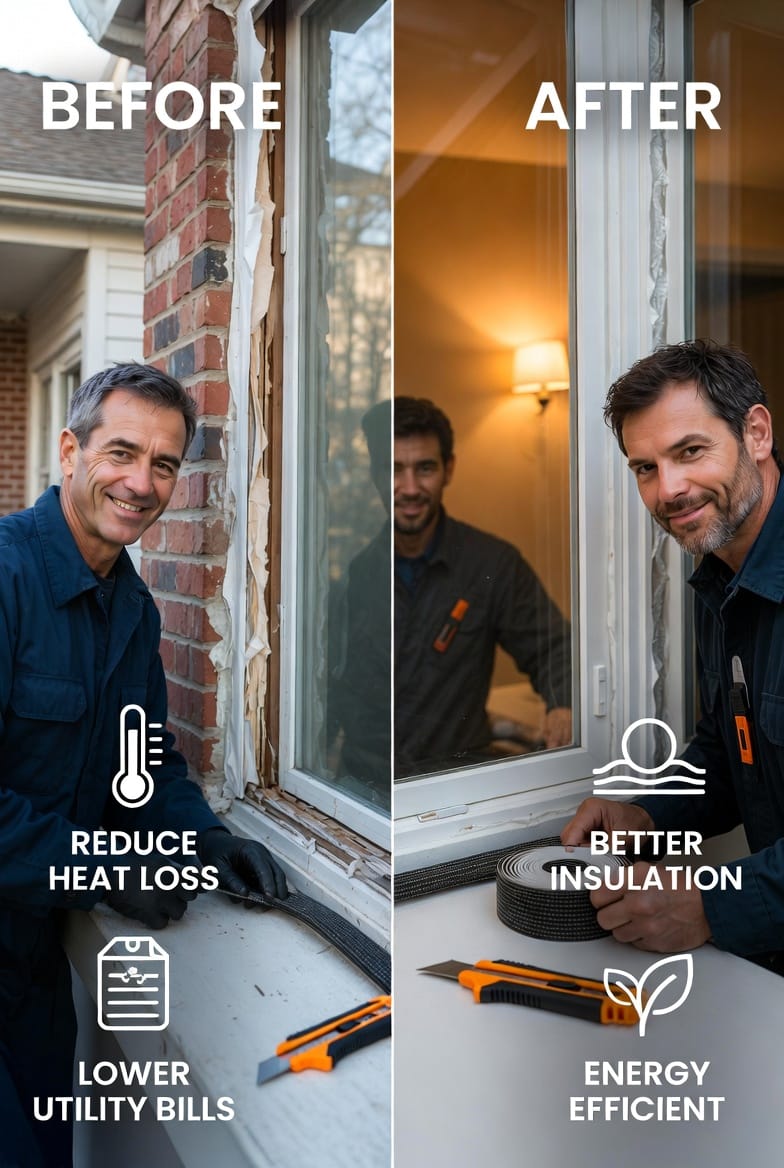
Window weatherstripping plays a silent but powerful role in keeping your home comfortable and your energy bills under control. When properly chosen and installed, it creates an airtight seal around movable window parts, stopping drafts before they ever reach your living spaces. In an era of fluctuating utility costs, investing in quality window weatherstripping is one of the smartest, most cost-effective upgrades any homeowner can make.
Get Expert Window Weatherstripping Installation – Call Now!
This comprehensive guide walks you through everything you need to know—from recognizing when replacement is necessary to selecting the right type and completing a professional-grade installation or replacement. Whether you tackle the project yourself or call in experienced help, the result is the same: a more energy-efficient home that feels noticeably better year-round.
Why Window Weatherstripping Matters for Energy Efficiency
Air leaks around windows are among the leading causes of energy loss in residential homes. Even small gaps can allow heated or cooled air to escape while letting outside temperatures infiltrate. Window weatherstripping acts as a flexible barrier that compresses when the window closes, eliminating those gaps and dramatically reducing the workload on your heating and cooling systems.
Homeowners who address worn weatherstripping often report immediate improvements in indoor comfort and measurable drops in monthly energy consumption. The material is inexpensive compared with other efficiency upgrades, yet its impact is substantial. By stopping drafts at the source, you maintain stable indoor temperatures with less energy, extend the life of your HVAC equipment, and contribute to a smaller carbon footprint—all while enjoying a quieter, more peaceful home.
Signs That Your Window Weatherstripping Needs Replacement
Recognizing the warning signs early prevents larger problems down the road. Here are the most common indicators that your window weatherstripping has reached the end of its useful life:
- Visible gaps or cracking along the edges where the window meets the frame
- Noticeable drafts even when windows are fully closed
- Difficulty opening or closing windows smoothly
- Higher-than-expected energy bills despite normal usage patterns
- Increased dust and pollen entering living areas
- Condensation or frost forming between panes or on interior sills
If you spot any of these issues, prompt action restores comfort and protects your energy budget. Delaying replacement only allows inefficiency to compound month after month.
Exploring the Different Types of Window Weatherstripping
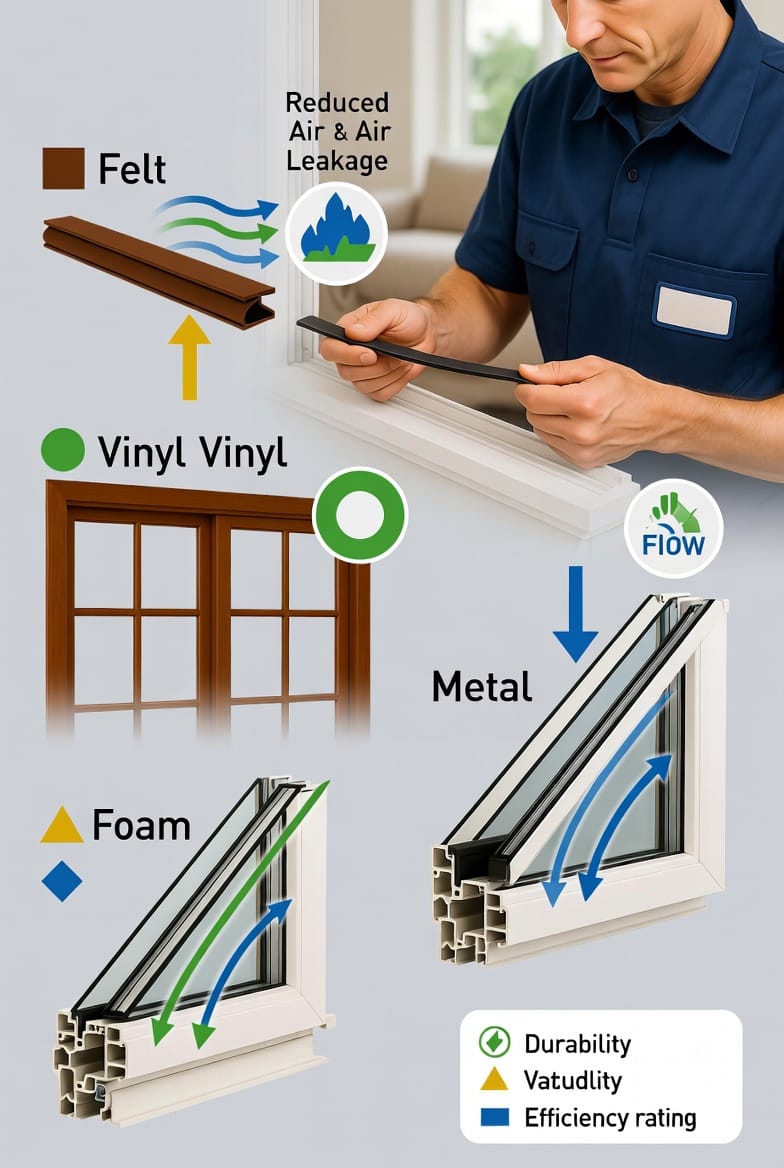
Not all window weatherstripping is created equal. Each material offers unique benefits depending on window style, climate, and usage frequency. Understanding the differences helps you choose the solution that delivers the greatest long-term energy savings.
Felt Weatherstripping
Felt weatherstripping is a traditional favorite known for its low cost and ease of installation. Made from compressed wool or synthetic fibers, it works well on double-hung windows and casement styles where compression is moderate.
Best used for: Interior stops and lower-traffic areas.
Energy-efficiency advantage: It fills irregular gaps effectively and provides decent insulation. However, felt can absorb moisture over time, so it performs best in drier climates or when paired with proper exterior protection.
Regular replacement every three to five years keeps its sealing power strong and prevents hidden energy loss.
Vinyl Weatherstripping
Vinyl weatherstripping offers excellent flexibility and durability. Available in bulb, fin, or tubular profiles, it compresses and rebounds reliably with every window movement.
Best used for: Sliding windows, patio doors, and high-traffic areas.
Energy-efficiency advantage: Its weather-resistant composition maintains a tight seal through extreme temperature swings, reducing air infiltration more consistently than many other materials. Vinyl also resists UV damage, making it ideal for sun-exposed windows.
Homeowners appreciate its quiet operation and long service life—often eight to ten years with proper care.
Foam Weatherstripping
Foam weatherstripping stands out for its self-adhesive backing and quick DIY installation. Open-cell or closed-cell foam tapes conform to uneven surfaces with minimal effort.
Best used for: Casement, awning, and hopper windows where a soft, forgiving seal is needed.
Energy-efficiency advantage: The compressible nature creates an airtight barrier that blocks both air and sound. Closed-cell foam adds water resistance, protecting against moisture-related efficiency losses.
This type is especially popular for quick seasonal tune-ups that deliver fast, noticeable reductions in draft-related energy waste.
Metal Weatherstripping
Metal weatherstripping, typically spring bronze or aluminum, provides the most durable option for demanding applications. It features a thin metal strip that springs back into position after each use.
Best used for: Older wooden windows, high-end historic homes, or commercial settings with frequent operation.
Energy-efficiency advantage: Metal maintains its shape and sealing pressure for decades, delivering consistent performance that dramatically cuts heating and cooling costs over the long term. While initial installation requires more precision, the payoff in energy savings and longevity is exceptional.
Step-by-Step Guide to Weatherstripping Installation and Replacement
Replacing window weatherstripping is a straightforward project that delivers professional results when done correctly. Follow these steps for a reliable, energy-saving seal.
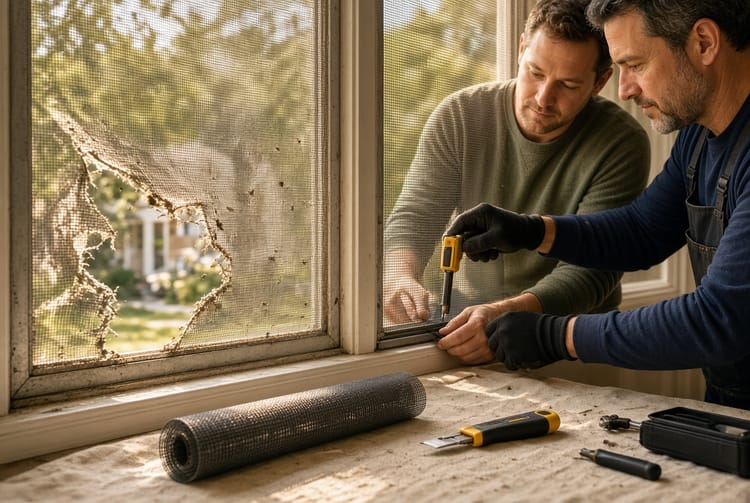
- Gather tools and materials – utility knife, measuring tape, scissors, cleaning supplies, and the chosen weatherstripping type.
- Remove old material carefully, noting how it was positioned.
- Clean surfaces thoroughly to ensure strong adhesion and maximum sealing performance.
- Measure and cut new strips to exact lengths, allowing slight overlap at corners for complete coverage.
- Apply the new weatherstripping following manufacturer guidelines—press firmly for adhesive types or secure with small nails or screws for metal varieties.
- Test operation by opening and closing the window multiple times to confirm smooth movement and full compression.
- Check for gaps with a lighted candle or incense stick (smoke test) and make final adjustments.
Pro tip: Work in moderate temperatures so materials remain flexible. For metal installations, slight pre-bending helps achieve the perfect tension for lifelong energy efficiency.
Common mistakes to avoid include over-stretching adhesive products, skipping surface cleaning, and choosing the wrong profile for your window type. When in doubt, professional installation guarantees the seal will perform at its peak from day one.
Choosing the Right Weatherstripping for Your Windows
Consider your window style, local climate, and how often windows are used. Combine materials where appropriate—for example, foam on the sash and metal on the frame—for layered protection that maximizes energy efficiency. Always prioritize high-quality products designed specifically for exterior exposure when windows face harsh weather.
Additional Tips for Maximizing Energy Efficiency
- Inspect weatherstripping annually as part of routine home maintenance.
- Combine window weatherstripping upgrades with caulking around fixed frames for complete air sealing.
- Consider low-E window film or storm windows in extreme climates for extra layers of protection.
- Schedule professional service if you have multiple windows or historic frames that require specialized techniques.
These small steps compound into significant yearly savings and a noticeably more comfortable living environment.
Ready to Stop Drafts and Save Energy?
Your windows work hard every day to keep your home efficient. When window weatherstripping wears out, the solution is simple, effective, and remarkably affordable. Replacing it restores the tight seal your home deserves and puts money back in your pocket through lower utility bills.
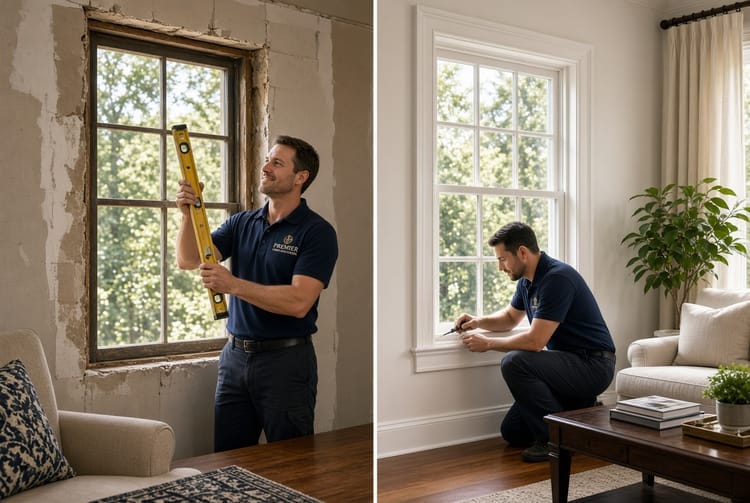
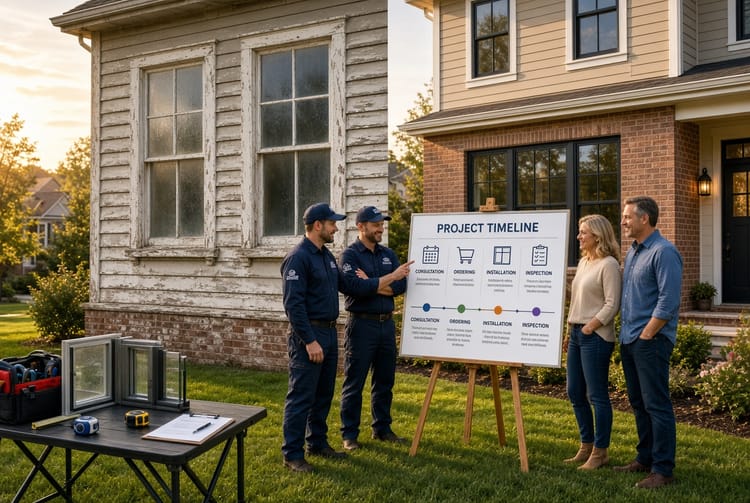
Our experienced team is ready to assess your windows, recommend the ideal materials, and complete the installation with precision—leaving you with a more comfortable, energy-efficient home you can enjoy for years to come.
Improve Energy Efficiency – Fix Your Windows Today!