The Window Weatherstrip Types: Felt, Vinyl, Foam, and Metal
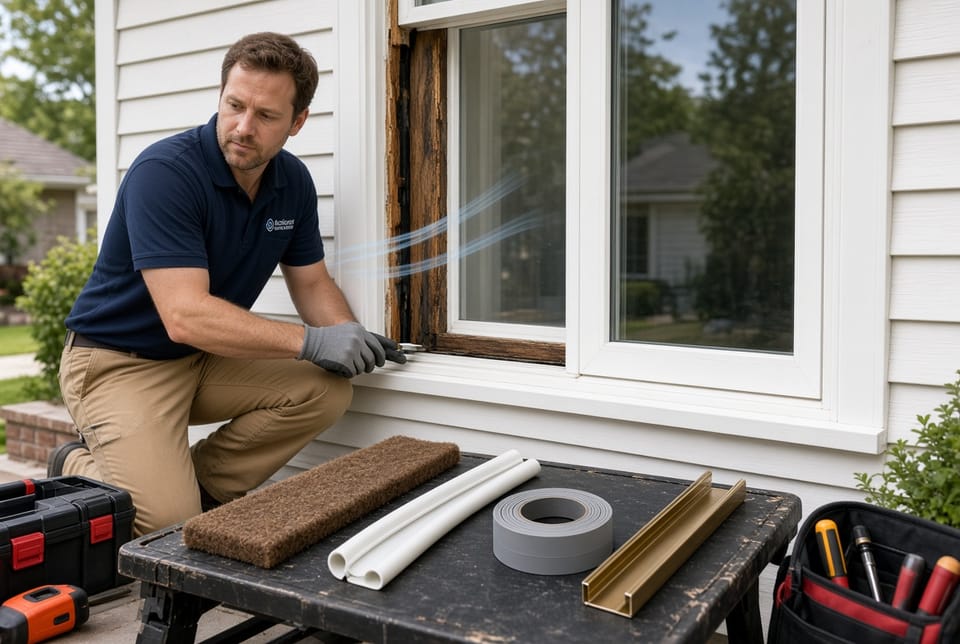
Windows play a vital role in maintaining indoor comfort, controlling energy costs, and protecting your home from the elements. Even well-built windows can develop small gaps over time that allow air leakage. Weatherstripping is the practical, cost-effective solution that seals those gaps without requiring a full window replacement. Choosing the correct material matters because each type performs differently under varying conditions of use, climate, and window design.
Get the Right Weatherstrip – Call Experts
This guide compares the four most common window weatherstrip types—felt, vinyl, foam, and metal—so you can make an informed decision. Understanding their strengths, limitations, and ideal applications helps homeowners avoid wasted energy, drafts, and premature wear. When installed correctly, the right weatherstrip delivers lasting comfort and measurable savings.
Why Weatherstripping Matters for Every Window
Air leakage around windows accounts for a significant portion of unwanted heat transfer in many homes. In winter, warm indoor air escapes; in summer, hot outdoor air enters. The result is higher utility bills, uneven room temperatures, and potential moisture problems that can lead to condensation or mold. Proper weatherstripping addresses these issues at the source by creating a continuous seal when the window is closed.
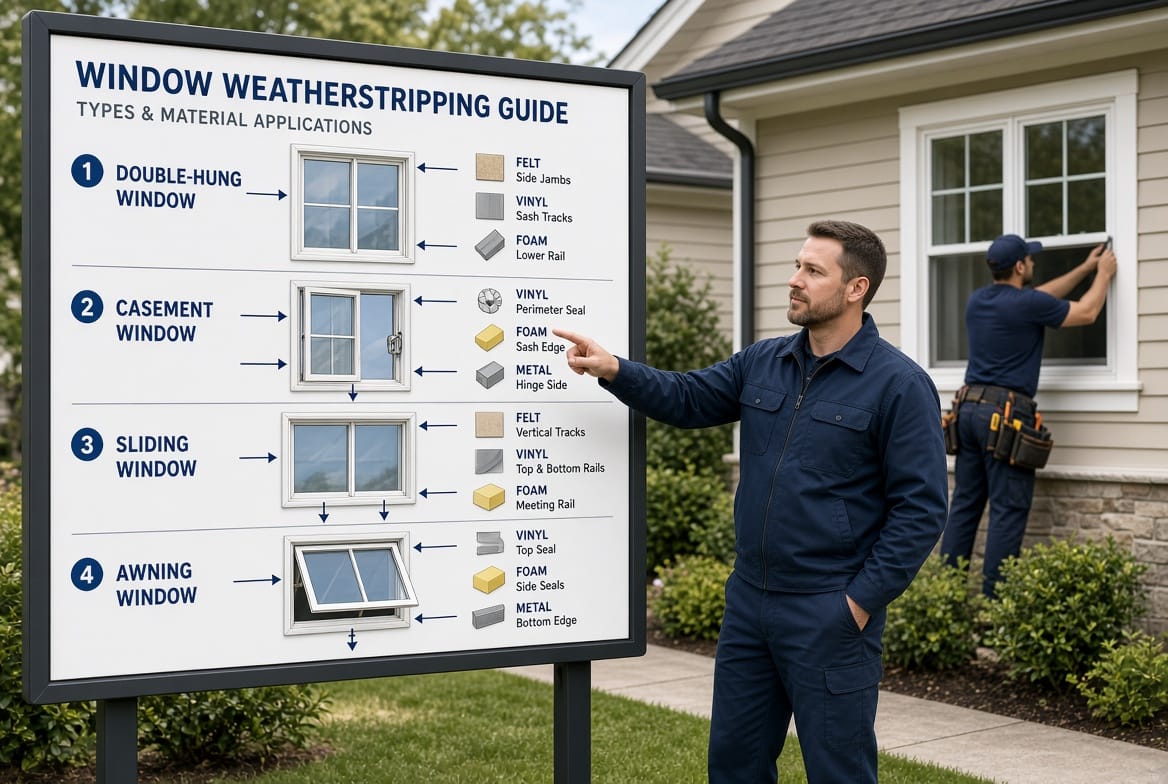
Different window styles—double-hung, casement, sliding, awning, and hopper—create different gap shapes and movement patterns. A material that works well on a frequently opened casement window may not suit a rarely adjusted double-hung sash. Durability also varies with exposure to sunlight, temperature swings, and moisture. Selecting the appropriate type from the beginning reduces the need for frequent replacements and keeps your home performing at its best.
Professional assessment remains the most reliable way to match material to your specific windows. Technicians evaluate gap size, window operation, and local climate before recommending a solution. This tailored approach prevents common mistakes such as using an overly rigid material on a window that needs flexibility or choosing a low-durability option for a high-traffic opening.
Felt Weatherstripping: An Economical Traditional Option
Felt weatherstripping consists of densely packed fibers, traditionally wool and now often synthetic polyester or a wool-synthetic blend. It is one of the oldest and most affordable sealing materials still in use. The soft, compressible texture allows it to conform to slightly irregular surfaces, making it suitable for older wooden windows that have settled or warped over decades.
Advantages of felt include low cost and straightforward installation. It can be tacked, stapled, or adhered in place along the meeting rails or stops of double-hung windows. Felt also provides a quiet seal that does not produce the slight resistance some homeowners notice with stiffer materials.
However, felt has clear limitations. It compresses permanently under repeated pressure, losing its ability to fill the gap. Moisture absorption is another concern; wet felt can mildew or lose shape. Ultraviolet light and temperature extremes accelerate deterioration. Consequently, felt is best reserved for interior applications or low-use windows in mild climates where replacement every few years is acceptable.
Typical applications include the interior stops of vintage double-hung windows, seldom-opened transom windows, and budget-conscious projects where immediate cost savings outweigh long-term durability. Homeowners who choose felt should plan for periodic inspection and replacement to maintain performance.
Vinyl Weatherstripping: Flexible Performance for Modern Windows
Vinyl weatherstripping, usually made from flexible PVC or similar polymers, offers an excellent balance of cost, durability, and sealing ability. It is available in numerous profiles—bulb, D-shape, P-shape, V-strip, and fin-seal—allowing precise matching to the gap geometry of different window types.
Vinyl’s flexibility lets it compress and recover repeatedly without permanent deformation. It resists moisture, most household cleaners, and moderate ultraviolet exposure better than felt or basic foam. Many vinyl products include a rigid backing or adhesive strip that simplifies installation while maintaining a consistent seal.
This material works particularly well on casement and awning windows that swing open and close frequently. The bulb or tubular profiles create a reliable compression seal against the frame. Sliding windows also benefit from vinyl fin or pile-style weatherstrips that reduce friction while blocking air. In double-hung windows, vinyl can replace worn sash-to-frame seals with a product that lasts many years.
Vinyl is not indestructible. Extreme cold can temporarily stiffen some formulations, and prolonged direct sunlight may eventually cause fading or slight hardening. Even so, quality vinyl weatherstripping typically outlasts felt and standard foam by a wide margin when installed correctly. It represents a practical mid-range choice for most residential windows.
Foam Weatherstripping: Convenient Self-Stick Sealing
Foam weatherstripping is typically an open-cell or closed-cell polyurethane or EPDM foam tape with a pressure-sensitive adhesive backing. Its greatest appeal is ease of use. Homeowners can cut the tape to length, peel the liner, and press it into place along the window frame or sash in minutes.
Self-stick foam conforms readily to irregular or slightly uneven surfaces, filling gaps that more rigid materials might miss. Closed-cell versions offer better moisture resistance than open-cell foam. The material is inexpensive and widely available, making it a popular first-step solution for noticeable drafts.
Limitations appear over time. Foam can tear if the window binds or if the adhesive fails in high heat. Ultraviolet exposure and repeated compression cause it to lose thickness and resilience. In very cold weather some foams become brittle. For these reasons foam performs best as a temporary or low-demand seal rather than a long-term solution on frequently operated windows.
Ideal applications include seasonal cottages, rental properties where quick improvements are needed, and windows that open only a few times per year. Foam also works well as a supplementary seal in combination with another material. When used within its intended scope, foam delivers immediate comfort at minimal cost and effort.
Metal Weatherstripping: Maximum Durability and Precision
Metal weatherstripping, most often spring bronze or aluminum, represents the premium end of the spectrum. Thin, resilient metal strips are formed into a slight curve or V-shape that springs back after compression, maintaining contact with the opposing surface year after year.
Bronze and aluminum resist corrosion, ultraviolet degradation, and temperature extremes far better than organic or foam materials. They do not absorb moisture and retain their shape under heavy use. Historic preservation projects frequently specify metal weatherstripping because it can be installed unobtrusively and lasts for decades.
Installation requires more skill. The metal must be cut accurately and fastened securely, often with small nails or screws, so that the spring action works without binding the window. Once in place, however, metal weatherstripping needs almost no maintenance. It is especially effective on double-hung windows where the meeting rail and side channels experience consistent pressure.
Applications include high-end residential windows, commercial buildings, and any situation where replacement frequency must be minimized. Metal is also chosen for windows exposed to harsh coastal or desert climates. Although the initial cost and installation time are higher, the long service life often makes metal the most economical choice over a 15- to 20-year period.
Comparing the Four Weatherstrip Types Side by Side
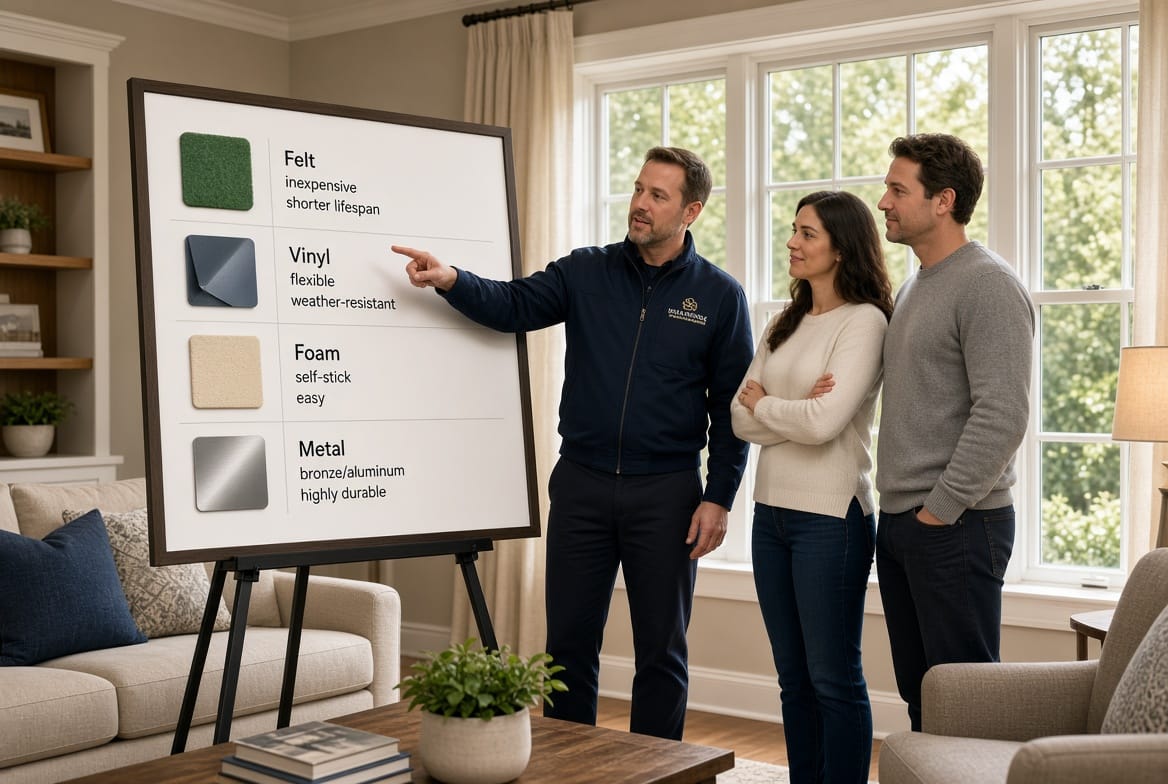
Each material occupies a distinct place on the cost-versus-performance spectrum. Felt offers the lowest purchase price but the shortest lifespan. Vinyl provides reliable everyday performance at a moderate price. Foam prioritizes installation speed and gap-filling ability for light-duty use. Metal delivers the longest service life and the most consistent seal under demanding conditions.
Climate influences the decision. In humid regions, moisture-resistant vinyl or metal outperforms felt and open-cell foam. In areas with large temperature swings, materials that remain flexible in both heat and cold—quality vinyl and spring metal—are preferable. Window usage frequency is equally important: a kitchen casement that opens daily benefits from durable vinyl or metal, while an attic hopper window used twice a year can use foam or felt.
Gap size and shape also guide selection. Large or irregular gaps favor compressible foam or bulb-style vinyl. Tight, uniform gaps work well with thin metal or low-profile vinyl. A professional evaluation measures these variables and accounts for the window’s operating hardware so the chosen weatherstrip does not interfere with smooth movement.
How to Select and Install the Right Weatherstrip
Begin by inspecting every window. Look for daylight around the closed sash, feel for drafts with the back of your hand, and note any sticking or rattling. Measure the gap width at several points; gaps larger than ¼ inch may require a different approach or additional measures such as sash adjustment.
Match the material to both the window type and your priorities. If lowest upfront cost is the main concern and the window sees little use, felt or foam may suffice. For most occupied rooms, vinyl strikes the best everyday balance. When longevity and minimal future disruption matter most, metal is the clear recommendation.
Installation quality determines real-world results. Surfaces must be clean and dry before adhesive products are applied. Fasteners for metal or tacked felt should be placed so they do not interfere with window travel. After installation, operate the window several times to confirm a snug yet smooth close. A small amount of lubricant on metal or vinyl contact surfaces can further reduce wear.
Many homeowners prefer to leave the work to trained technicians. Professionals carry the full range of profiles, use the correct fasteners, and can combine materials when a single type is not ideal. They also identify related issues such as failed glazing compound or misaligned hardware that weatherstripping alone cannot correct.
Long-Term Benefits of Proper Weatherstripping
A well-chosen and correctly installed weatherstrip reduces heating and cooling loads, often producing noticeable savings on monthly energy statements. Rooms stay more comfortable because cold drafts and hot spots diminish. Condensation on interior glass decreases when indoor air no longer leaks out and is replaced by moist outdoor air. The overall reduction in air infiltration also lessens the infiltration of dust, pollen, and outdoor noise.
These improvements contribute to a healthier indoor environment and extend the useful life of the windows themselves by reducing stress on the sashes and hardware. Over time the investment in quality weatherstripping typically pays for itself through lower utility costs and avoided repairs.
Regular visual checks once or twice a year keep the system performing. Look for compressed, torn, or detached sections and replace them promptly. With this modest maintenance, most weatherstripping systems deliver years of reliable service.
Professional Window Service Makes the Difference
Selecting and installing weatherstripping may appear straightforward, yet small errors in material choice or placement can leave drafts in place or cause windows to bind. Experienced window technicians evaluate the entire assembly—frame, sash, hardware, and existing seals—before recommending a solution. They stock the appropriate profiles and possess the tools to achieve a precise fit.
Whether your home has original wood windows that deserve historically appropriate metal weatherstripping or modern vinyl windows that benefit from updated vinyl or foam seals, professional service ensures the work is done once and done correctly. The result is consistent comfort, lower energy use, and windows that operate as intended for years to come.
Choose the right weatherstrip for your windows.
Professional Window Weatherstrip Service – Call Now