The Window Sunscreen: Exterior Shades That Block Heat
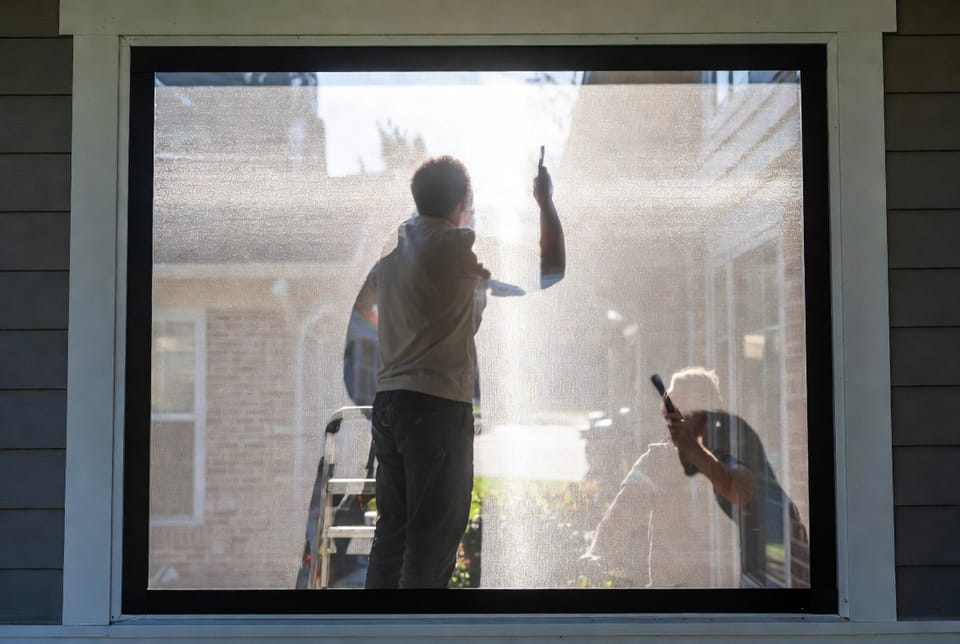
Homeowners facing rising summer temperatures and escalating energy bills often search for practical ways to regain control over indoor comfort. One of the most effective retrofit solutions available today is the exterior window sunscreen. These specialized mesh fabric shades, mounted directly outside the glass, stop solar heat before it ever enters the living space. Unlike traditional interior treatments that merely manage heat after it has already penetrated the room, exterior sunscreens intercept radiant energy at the source. The result is a cooler interior, lower cooling costs, and preserved views—all without major structural changes to the home.
Get Cooler Windows Now – Call for Free Consultation!
This comprehensive guide explains exactly what exterior sunscreens are, how they achieve heat-blocking performance of up to 90 percent, and why they outperform interior shades in nearly every measurable way. Whether you are dealing with intense western sun exposure, large picture windows, or simply want a smarter approach to energy efficiency, understanding this retrofit technology can transform the way your home feels and performs.
Understanding Exterior Window Sunscreens
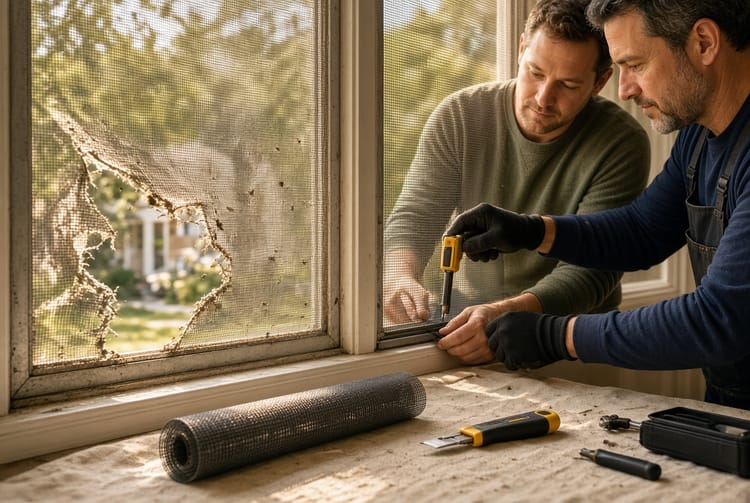
An exterior window sunscreen is a durable, open-weave mesh fabric engineered specifically for outdoor mounting. The material is typically woven from high-tenacity polyester or similar synthetic fibers that resist UV degradation, mildew, and weather extremes. Once stretched taut across a custom aluminum or powder-coated frame and secured to the exterior of the window opening, the screen becomes a permanent or semi-permanent barrier between the sun and the glass.
The openness of the weave—often measured as a percentage of open area—allows natural light and outward visibility while still intercepting a substantial portion of solar radiation. Most quality sunscreens are designed with an openness factor between 5 and 20 percent, striking the ideal balance between heat rejection and daylight transmission. Because the fabric sits outside the glass, it never contacts the window surface itself, eliminating concerns about abrasion or trapped moisture.
Retrofit suitability is one of the strongest advantages. Existing windows do not need replacement. The sunscreen frame can be surface-mounted, recessed into the existing trim, or attached with specialized brackets that require only minimal drilling. This makes the solution accessible for homes of almost any age or architectural style, from mid-century ranches to contemporary glass-heavy designs.
How Exterior Sunscreens Block Heat Before It Reaches the Glass
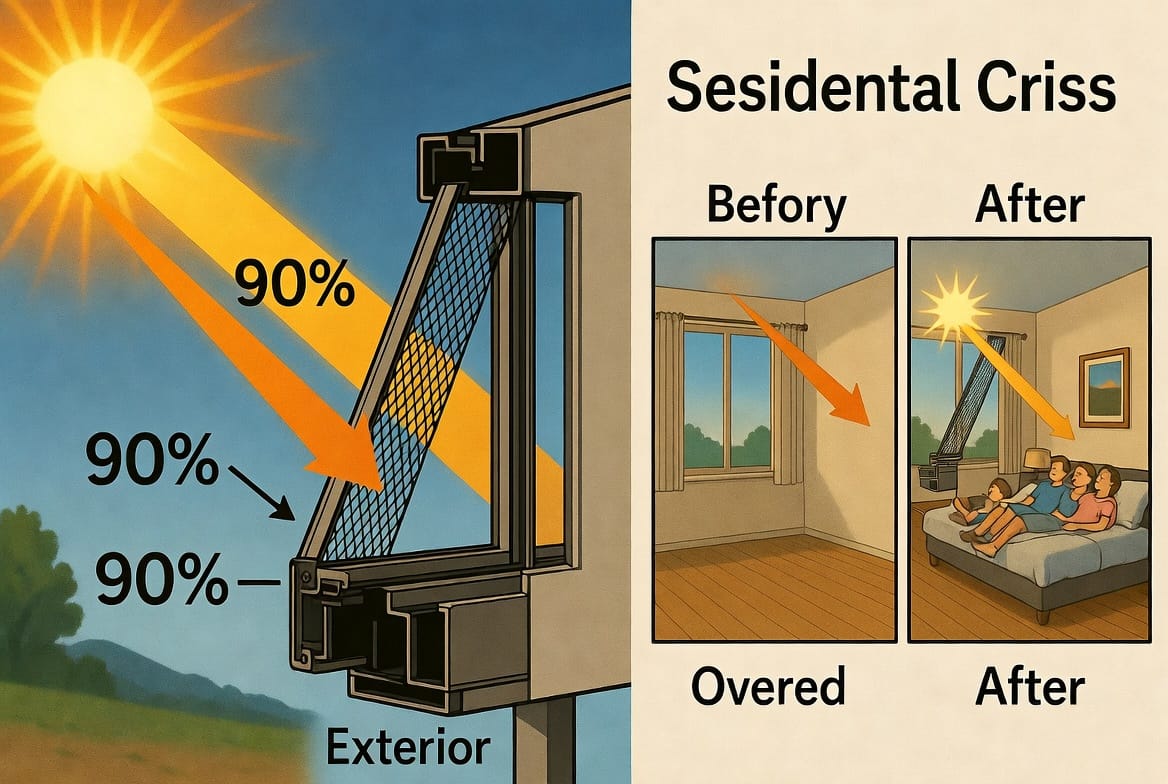
Solar heat gain occurs when short-wave infrared radiation from the sun passes through glass and is absorbed by interior surfaces, which then re-radiate the energy as long-wave heat. Interior shades can only address this secondary heat after it has already entered the room. Exterior sunscreens interrupt the process at the critical first stage.
When sunlight strikes the exterior mesh, a large percentage of the radiation is either reflected or absorbed by the fabric fibers and dissipated back into the outdoor air. Independent testing consistently shows that high-performance exterior sunscreens can reject up to 90 percent of solar heat gain before the energy reaches the glass surface. The remaining light that does pass through is diffused, reducing glare without darkening the room excessively.
Because the heat is stopped outside, the glass itself stays cooler. This has two immediate benefits: the window no longer acts as a radiant heat source, and the temperature differential across the glass is reduced, which lessens the workload on the cooling system. In practical terms, rooms that once felt like greenhouses by mid-afternoon remain comfortable with significantly less air-conditioning runtime.
The physics is straightforward yet powerful. By keeping the heat outside, the sunscreen prevents the cumulative buildup that forces thermostats lower and energy meters higher. Over a full cooling season, the cumulative effect can be substantial.
Key Benefits Over Interior Shades
Interior shades, blinds, and drapes have long been the default choice for managing light and privacy. Yet they share a fundamental limitation: they can only react to heat that has already crossed the glass. Exterior sunscreens reverse that sequence, delivering advantages that interior products simply cannot match.
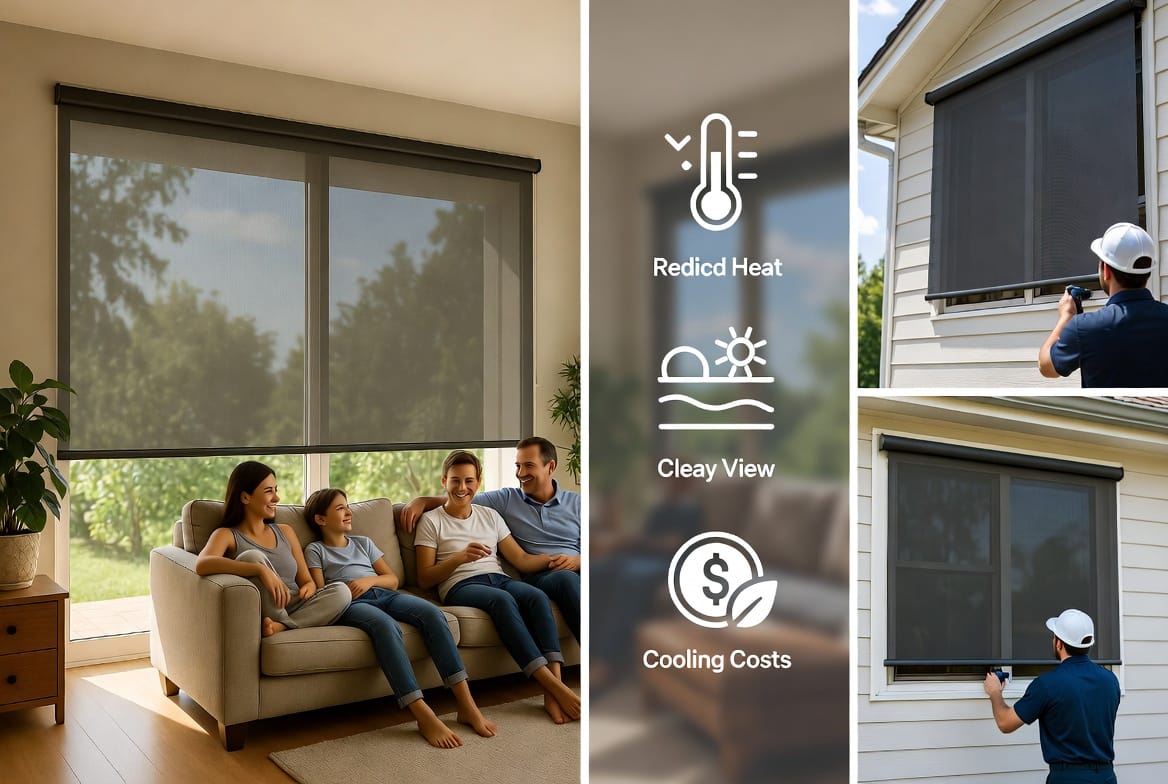
- Superior heat rejection: By stopping solar energy outdoors, exterior screens reduce indoor temperatures more effectively than any interior treatment.
- Preserved outward views: The open-weave mesh maintains clear visibility while still filtering harsh glare, allowing occupants to enjoy the landscape without constant adjustment of interior coverings.
- Lower cooling costs: Reduced solar heat gain translates directly into shorter compressor cycles and measurable energy savings throughout the warm months.
- Glare control without darkness: Diffused light enters the space, eliminating harsh contrast while keeping rooms bright and inviting.
- UV protection for furnishings: Blocking ultraviolet radiation outside protects carpets, flooring, and upholstery from fading far more effectively than interior fabrics alone.
- Aesthetic integration: Modern exterior screens present a clean, architectural appearance that complements rather than obscures the home’s exterior design.
- Durability in real-world conditions: Engineered for outdoor exposure, quality screens withstand wind, rain, and temperature extremes with minimal maintenance.
These benefits compound. A home that stays cooler requires less mechanical cooling, which in turn reduces both utility expenses and wear on HVAC equipment. Occupants experience consistent comfort without the need to draw heavy drapes or close blinds during peak daylight hours.
The Retrofit Advantage: Installing Exterior Sunscreens on Existing Windows
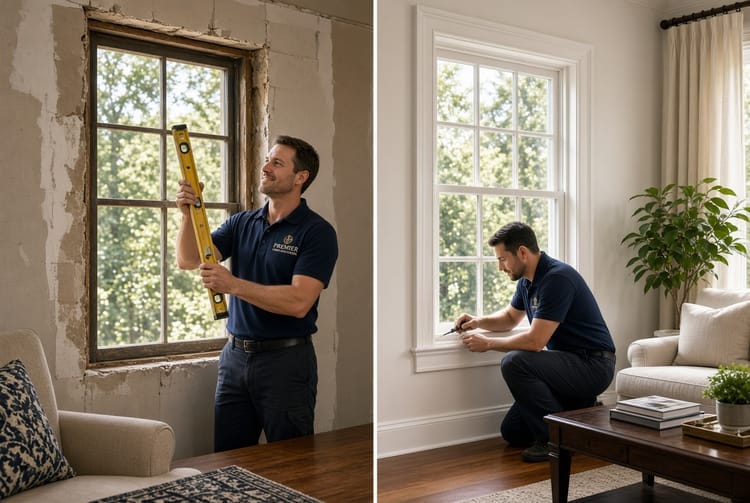
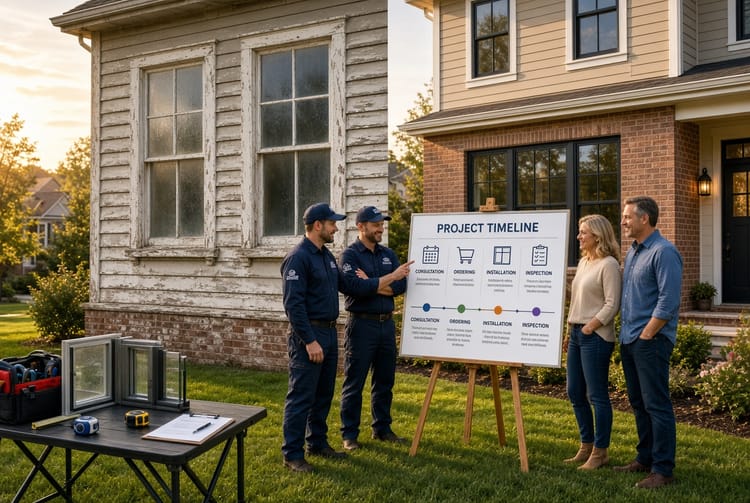
Because exterior sunscreens are designed as a retrofit solution, the installation process is straightforward for most residential properties. Professional assessment begins with precise measurement of each window opening, evaluation of existing trim conditions, and determination of the optimal mounting method—surface, recessed, or bracket-mounted.
Once the custom frames and mesh panels are fabricated, installation typically requires only a few hours per opening. The work is performed entirely from the exterior, minimizing disruption to daily life inside the home. In many cases, no interior finishing is required afterward. The result is an immediate improvement in thermal performance without the cost or inconvenience of full window replacement.
Homeowners appreciate that the solution is reversible if future plans change, yet the materials and hardware are engineered for decades of reliable service. Maintenance is limited to occasional rinsing with a garden hose to remove dust or pollen, preserving both appearance and performance.
Real-World Performance and Comfort Gains
Consider a typical west-facing living room that receives intense afternoon sun. Before installation, surface temperatures near the glass can climb uncomfortably high, forcing the thermostat downward and driving energy use upward. After exterior sunscreens are mounted, the same glass remains near ambient outdoor temperature in the shade of the mesh. Occupants notice the difference within the first day: the room no longer overheats, furniture stays cooler to the touch, and the air-conditioning system cycles less frequently.
Similar improvements occur with large sliding glass doors, sunrooms, and second-story windows that previously acted as heat collectors. The cumulative effect across an entire home can shift the balance of seasonal energy consumption, delivering both comfort and cost control.
Addressing Common Concerns with Confidence
Some homeowners worry that exterior screens will darken interiors or obscure views. In practice, the carefully selected openness of the mesh maintains ample natural light while softening glare. Others question durability in high-wind regions. Quality systems incorporate reinforced frames, secure fastening methods, and fabrics rated for substantial wind loads, ensuring long-term reliability.
Aesthetic integration is another frequent consideration. Contemporary exterior sunscreens are available in a range of colors and frame finishes that blend with existing architecture rather than dominate it. The finished appearance is clean and intentional, often enhancing curb appeal.
Long-Term Value and Energy Efficiency
Beyond immediate comfort, exterior sunscreens contribute to broader energy-efficiency goals. By reducing peak cooling demand, they help stabilize indoor temperatures and lessen the strain on mechanical systems. Over multiple seasons, the avoided energy consumption compounds into meaningful savings. In many climate zones, the investment pays for itself through lower utility bills while simultaneously improving the livability of the home.
The technology aligns with modern building-science principles that prioritize passive strategies before mechanical interventions. Stopping heat at the exterior is simply more efficient than removing it after it has entered.
Choosing the Right Exterior Sunscreen System
Selecting an effective system involves matching fabric openness, color, and frame design to the specific orientation and exposure of each window. Darker fabrics generally offer higher heat rejection, while lighter tones maximize daylight. Professional guidance ensures the optimal combination for performance, aesthetics, and longevity.
Proper installation remains critical. Secure mounting, precise tensioning of the mesh, and attention to weather sealing around the frame protect both the product and the window assembly. When these elements are executed correctly, the sunscreen functions as an integral part of the building envelope rather than an afterthought.
Maintaining Peak Performance Year After Year
Routine care is simple. Periodic visual inspection and gentle cleaning keep the mesh free of debris that could reduce openness or appearance. Most systems require no specialized tools or products. With this minimal attention, exterior sunscreens continue delivering consistent heat-blocking performance season after season.
Transforming Comfort Through Smart Exterior Protection
The decision to install exterior window sunscreens is ultimately a decision to manage solar heat proactively rather than reactively. By placing a high-performance mesh barrier outside the glass, homeowners gain control over one of the largest contributors to indoor overheating. The technology is proven, the installation is practical as a retrofit solution, and the benefits—cooler rooms, clearer views, and reduced cooling costs—are immediate and lasting.
When solar heat is stopped before it reaches the glass, the entire living environment improves. Rooms stay comfortable longer, energy systems work less, and the home becomes a more pleasant place to occupy during the warmest months of the year.
Protect Your Windows from Heat – Call Today!