The Window Storm Window: Adding Energy Efficiency Without Replacement
Homeowners facing high heating and cooling bills often assume the only path forward is a complete window replacement. That is not always true. A well-designed storm window retrofit can deliver meaningful energy efficiency gains, quieter rooms, and better comfort while leaving the original windows in place. This option is especially valuable for older homes with single-pane windows, historic properties where replacement may be restricted, or budgets that cannot support a full tear-out.
Stop Drafts Without Replacing Windows – Call Now
A storm window is an add-on glazing system mounted either on the exterior or the interior of an existing window. It creates a sealed air gap that slows heat transfer, reduces drafts, and adds a second barrier against weather and sound. When specified and installed correctly, storm windows function as a practical, lower-disruption retrofit rather than a demolition project.
This guide explains what storm windows are, how they work, the difference between interior and exterior styles, measurable benefits, installation considerations, and how to decide whether they are the right next step for your home.
What Storm Windows Actually Are
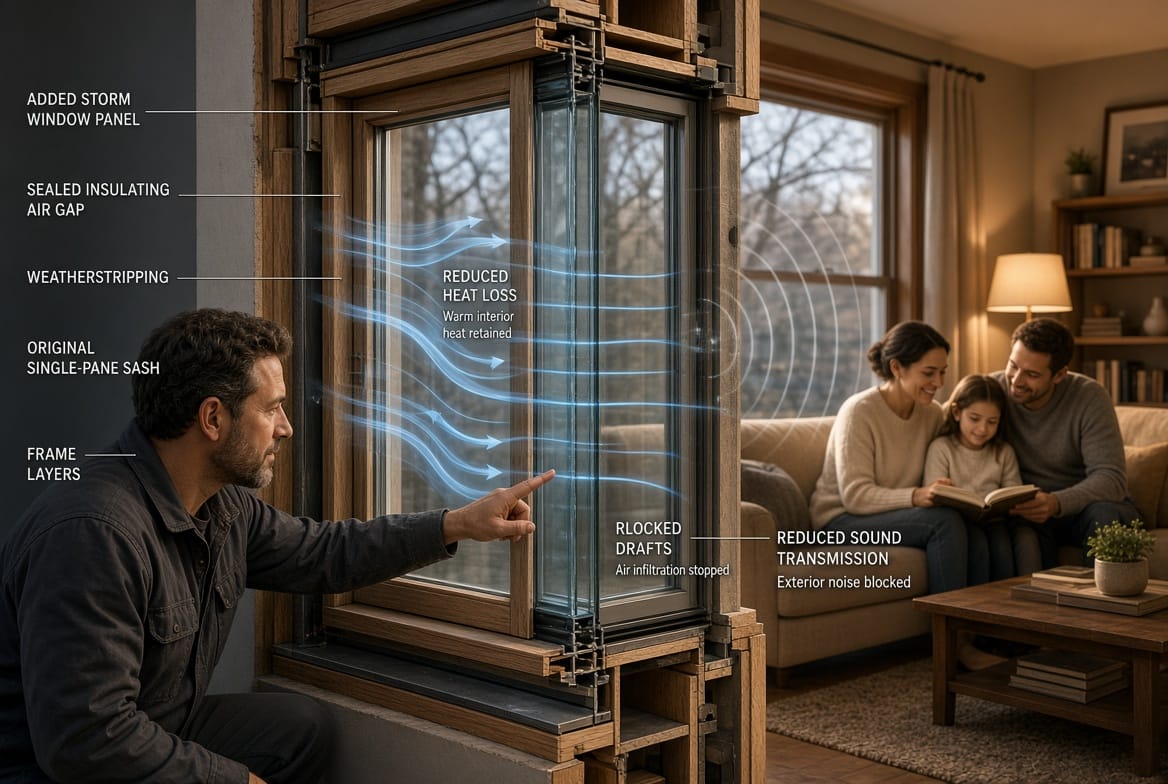
A storm window is a secondary sash or panel designed to sit over an existing window. It is not a replacement window. The original frame, glass, and often the original operation remain. The storm unit adds another layer of glass or acrylic plus weatherstripping that forms an insulating pocket of still air.
That trapped air gap is the core of the performance improvement. Air is a relatively poor conductor of heat when it is not moving. By limiting convection and reducing infiltration around the original sash, the assembly lowers the rate at which indoor heat escapes in winter and outdoor heat enters in summer.
Storm windows are commonly used on:
- Older single-pane windows
- Double-hung, casement, and picture windows that still operate but leak air
- Homes where full replacement would disturb historic trim or violate preservation rules
- Rooms that need faster comfort improvements than a multi-week replacement schedule allows
They can be fixed (non-operable) or operable, with sliding or hinged panels that allow ventilation when needed. Quality units use durable frames, tight weather seals, and low-E or clear glass selected for climate.
Interior Versus Exterior Storm Windows
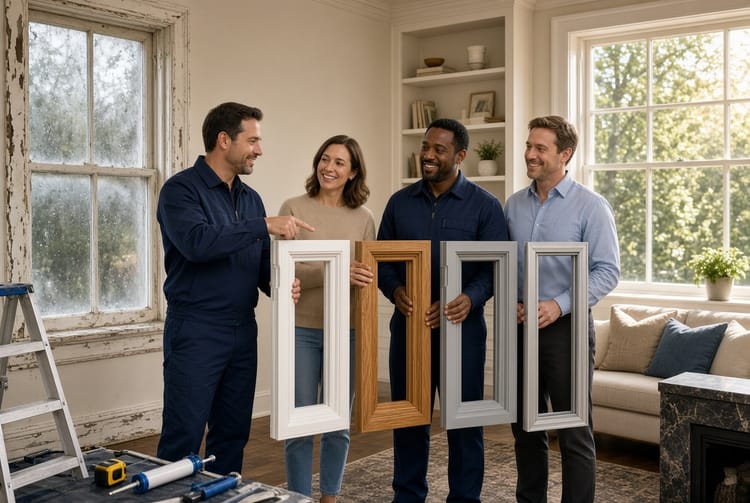
Choosing between interior storm windows and exterior storm windows depends on architecture, access, appearance, and how the original windows operate.
Exterior storm windows mount on the outside of the existing frame. They are the traditional choice in many climates. Advantages include weather protection for the original sash, a familiar look on many older homes, and the ability to keep the interior finish undisturbed. They must be detailed so water drains correctly and so the original window can still open if required.
Interior storm windows mount on the room side. Many modern interior systems use magnetic, compression, or clip-on frames that allow seasonal removal. They are often preferred when exterior appearance must stay unchanged, when upper-story access is difficult, or when a cleaner interior aesthetic is desired. Interior units can also be easier to inspect and clean from inside the home.
Both styles can improve energy efficiency when they create a continuous seal. Poor fit, missing weatherstripping, or gaps at the meeting rail will undermine results. That is why measurement and installation quality matter as much as the product itself.
How Storm Windows Improve Energy Efficiency
The energy benefit comes from three related effects: reduced conduction through the glass, reduced air leakage, and a more stable interior glass temperature.
A single-pane window loses heat quickly because one thin sheet of glass offers little resistance. Adding a storm panel introduces a second surface and an insulating cavity. The result is a lower U-factor for the assembly compared with the original window alone. In practical terms, rooms stay closer to the thermostat set point and HVAC equipment cycles less often.
Air leakage is often the larger comfort problem. Original sashes shrink, swell, and lose contact with weatherstripping over decades. A properly fitted storm window covers those leakage paths. Less infiltration means fewer cold drafts at the floor and less pressure on the heating system.
In summer the same assembly reduces solar heat gain when specified with appropriate glass. Some homeowners choose low-E coatings on the storm panel to reflect a portion of incoming heat while still admitting daylight.
The retrofit does not match every performance number of a new triple-pane replacement window. It does not need to. For many houses the goal is a substantial improvement at a fraction of the disruption and cost of full replacement. That is the practical value of the storm window approach.
Noise Reduction and Everyday Comfort
An extra pane and an air space also change acoustics. Sound transmission drops because the additional mass and the disconnected air cavity interrupt vibration. Street noise, rain impact, and neighborhood activity become less intrusive, especially in bedrooms and home offices facing busy roads.
Comfort is not only about utility bills. A warmer interior glass surface in winter reduces the radiant chill people feel when sitting near a window. Condensation on the room-side glass often decreases when the interior surface stays above the dew point more of the time. That helps protect sills and nearby finishes.
Additional practical benefits include:
- Better protection of original windows from weather, grit, and impact
- Potential reduction in fading of furnishings when low-E or laminated options are used
- Ability to keep original hardware and interior trim
- Faster project timeline than whole-house window replacement
- Reversible work in many historic applications
These gains are strongest when the storm unit is sized accurately and sealed continuously around the perimeter.
Installation: What a Quality Job Looks Like
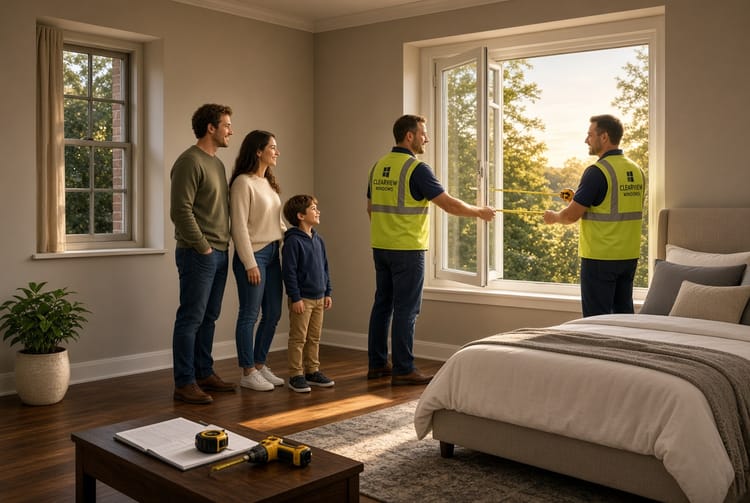
Installation determines whether the retrofit performs as intended. The process begins with accurate measurement of each opening. Frames are rarely perfectly square in older houses, so templates or multiple measurements per opening are standard practice.
A professional sequence typically includes:
- Inspecting the existing window for rot, failed glazing compound, or hardware that must be repaired first
- Confirming whether an interior or exterior system is the better match
- Selecting operable or fixed panels based on egress and ventilation needs
- Dry-fitting the unit and checking reveal, square, and clearance
- Installing the frame with appropriate fasteners and continuous weatherseal
- Adjusting meeting rails, locks, and sliding tracks so the panel operates smoothly
- Testing for air leaks and confirming the original window can still open where required
- Reviewing drainage paths on exterior units so water cannot become trapped
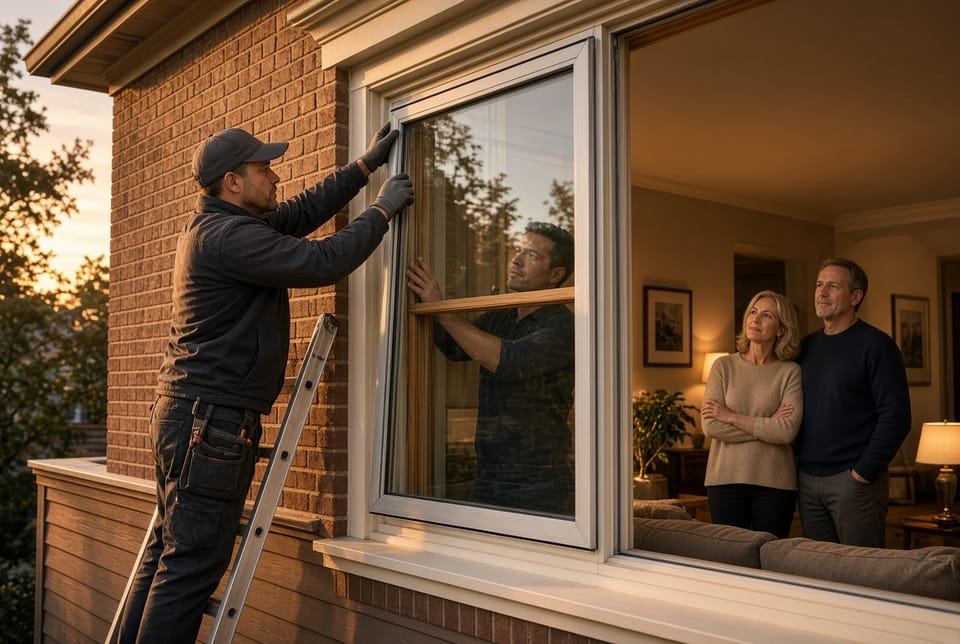
Professional installation is strongly recommended for exterior units, multi-story work, and historic frames. Some interior magnetic systems can be a careful DIY project for handy homeowners, but even those benefit from precise measuring.
Key risks to manage include condensation between the original glass and the storm panel, trapped moisture in the frame, and binding if the unit is forced into an out-of-square opening. These issues are avoidable with ventilation detailing, correct seal placement, and a product designed for the climate. A qualified installer will discuss weep systems, seasonal removal options, and maintenance access before work begins.
The disruption is usually modest. Most rooms remain usable the same day. There is no need to remove interior casing, refinish entire walls, or dispose of old sashes unless they are already failing.
Cost, Payback, and When Replacement Still Makes Sense
Storm windows typically cost less than comparable full window replacement because the existing frame stays. Pricing varies with size, material, glass package, and whether the unit is custom. The financial case improves when energy rates are high, the original windows are single-pane, and the home will be occupied for enough years to capture the savings.
Think in terms of comfort and avoided waste as well as payback. Reduced drafts often change how a room is used. A previously avoided seating area near a window can become usable again. HVAC runtime reductions add up across a heating season.
Replacement remains the better choice when the original sash is structurally failed, the frame is rotted, glass is extensively cracked, or the homeowner wants a completely new look and maximum code-level performance in one step. Storm windows are a retrofit, not a cure for windows that no longer close or that have lost structural integrity.
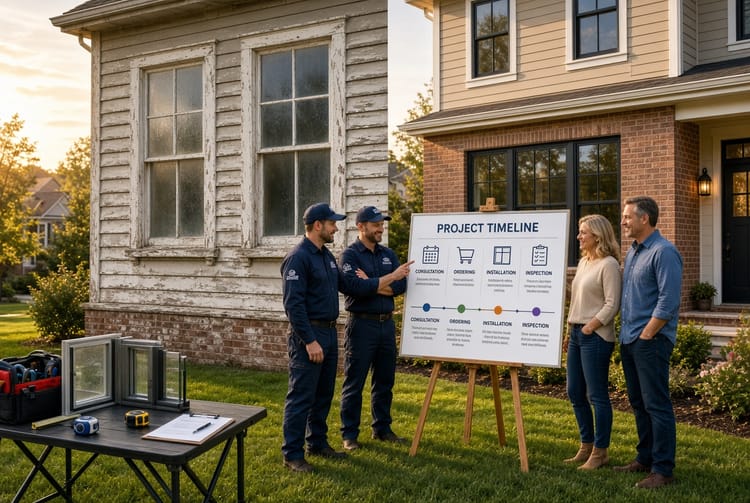
A short on-site consultation is the most reliable way to separate those cases. Measurements, a review of existing weatherstripping, and a discussion of interior versus exterior options prevent buying the wrong system.
Care After Installation
Maintenance is straightforward. Wash both the original glass and the storm panel on a regular schedule so dirt does not reduce daylight. Check weatherstripping annually and replace compressed gaskets before they leak. Keep weep holes clear on exterior units. If an interior panel is removable, take it down occasionally to inspect the original sash.
Avoid sealing the air space so tightly that incidental moisture has no path to escape unless the product is specifically designed as a fully sealed insulating unit. Follow the manufacturer’s guidance for your climate.
With basic care, a quality storm window can serve for many years and continue protecting the original window behind it.
Making the Decision With Confidence
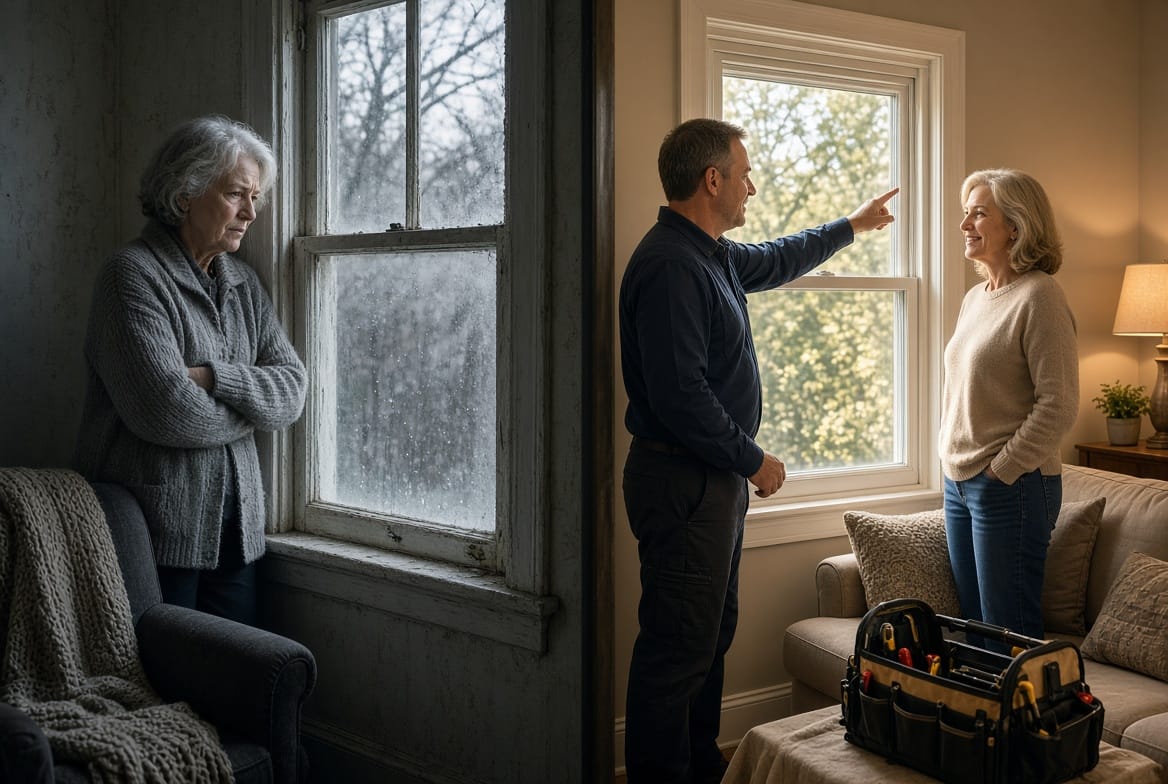
Storm windows are not a gimmick and they are not a substitute for every replacement project. They are a proven, targeted way to add a second layer of protection to windows that are still structurally sound. For many households the combination of lower energy loss, less street noise, and preserved original architecture is exactly the outcome they want.
The most successful projects start with clear goals: lower bills, warmer rooms, quieter sleep, historic compatibility, or all of the above. From there, the right product and a careful installation turn those goals into daily comfort.
If your home still has single-pane windows or leaky older sashes, a storm window retrofit deserves a serious look before you budget for full replacement.
Add storm windows for energy savings. Schedule a window consultation to evaluate interior and exterior options for your openings.
Improve Comfort and Cut Energy Loss – Call Today