The Window Screen Material: Fiberglass vs. Aluminum vs. Pet Mesh
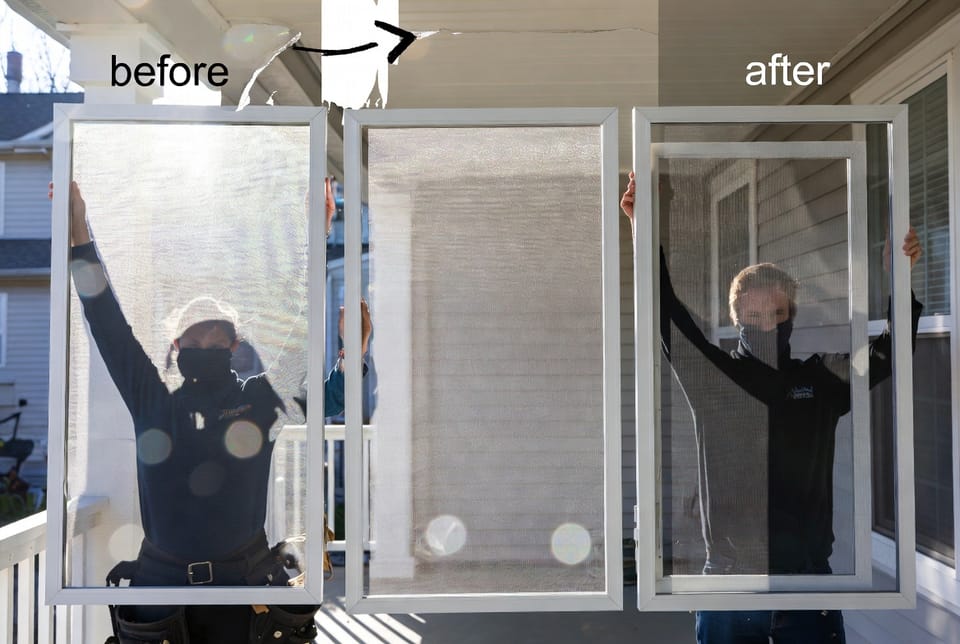
Choosing the right window screen material is one of the most practical decisions a homeowner can make for comfort, protection, and long-term value. Screens do far more than keep insects out. They regulate airflow, reduce glare, protect against debris, and contribute to the overall appearance of your home. When the material fails—whether through tears, dents, or pet damage—the result is frustration, higher energy costs, and repeated repairs.
Choose the Right Screen Material – Call Now!
This guide delivers a clear, authoritative comparison of the three most common options available today: fiberglass, aluminum, and pet-resistant mesh. You will learn exactly how each material performs, where it shines, where it falls short, and which applications suit it best. By the end, you will feel confident selecting the screen that matches your lifestyle, climate, and household needs.
Why Window Screen Material Matters More Than You Think
A high-quality screen is a silent guardian of indoor air quality and comfort. Poor material choice leads to frequent replacements, compromised security against pests, and unnecessary expense. Fiberglass dominates the market because it balances cost and performance. Aluminum appeals to those who prioritize strength and longevity. Pet mesh solves a specific problem that standard screens cannot: determined claws and chewing.
Understanding these differences prevents costly mistakes. Homeowners who select the wrong material often discover the issue only after pets have shredded the mesh or after a few seasons of weather exposure have caused visible damage. The right choice, installed correctly, can last a decade or longer with minimal maintenance.
Fiberglass Window Screens: The Everyday Workhorse
Fiberglass remains the most widely used window screen material for good reason. Manufactured from fine glass fibers coated with vinyl or PVC, it creates a flexible, lightweight mesh that is easy to handle and affordable to produce.
Key Characteristics of Fiberglass
- Soft and pliable texture that resists permanent creasing
- Excellent airflow with minimal visual obstruction
- Naturally corrosion-resistant and non-conductive
- Available in standard 18×16 mesh density for insect control
Because the material bends rather than snaps, installers can stretch it tightly across frames without special tools in most residential applications. This flexibility also makes fiberglass forgiving during seasonal expansion and contraction of the window frame.
Advantages That Keep Fiberglass Popular
Homeowners appreciate the low cost. A typical fiberglass screen costs significantly less than metal alternatives, making full-house replacements budget-friendly. The material does not dent when lightly pressed and recovers its shape after moderate impact. It also tolerates coastal humidity and mild pollution without rusting.
Color options—usually charcoal or silver-gray—blend discreetly with most window frames. Charcoal fiberglass reduces glare more effectively than lighter colors while still allowing clear outward views.
Limitations to Consider
Fiberglass can tear if punctured by sharp objects or aggressive pets. Over time, prolonged UV exposure may cause the vinyl coating to become brittle, leading to small holes at stress points. In high-wind regions, the lighter weight can allow the mesh to flutter or billow if not properly tensioned.
Best Applications for Fiberglass
- Standard residential windows and sliding doors in moderate climates
- Rental properties where cost control is essential
- Rooms without pets or high-traffic outdoor access
- Projects requiring quick, economical full-home screening
When installed by professionals who understand proper tensioning techniques, fiberglass delivers reliable performance for many years.
Aluminum Window Screens: Strength You Can Feel
Aluminum screens offer a noticeably stiffer and more rigid alternative. Drawn from fine aluminum wire and woven into a durable mesh, this material provides greater structural integrity than fiberglass while remaining relatively lightweight compared to heavier metals.
Material Properties That Define Aluminum
- Higher tensile strength that resists stretching under pressure
- Excellent resistance to rust when properly coated
- Clean, modern appearance with a subtle metallic finish
- Ability to hold tighter tension across large openings
The rigidity of aluminum makes it particularly effective for larger windows or doors where fiberglass might sag over time. Many commercial buildings and coastal homes favor aluminum for its ability to withstand salt air and stronger breezes.
Benefits That Justify the Investment
Durability ranks as the primary advantage. Aluminum resists tearing far better than standard fiberglass and maintains its shape through years of use. It also provides a slightly more secure barrier against small animals or determined insects. Because the material does not stretch as easily, the finished screen stays flat and professional-looking longer.
Homeowners in storm-prone areas often prefer aluminum because the mesh recovers better after debris impact. The material can also be painted or anodized to match custom window finishes.
Potential Drawbacks
Aluminum can dent if struck hard enough. Once a dent forms, it usually remains visible and may create a weak point. The material is also more expensive than fiberglass, and the stiffer mesh can feel less forgiving during installation. In rare cases, improper grounding or contact with dissimilar metals may lead to galvanic corrosion, though quality coatings largely eliminate this risk.
Ideal Uses for Aluminum Screens
- Large picture windows and multi-panel sliding doors
- Coastal or high-humidity environments
- Homes seeking a more premium, long-lasting appearance
- Areas where moderate impact resistance is desired without full pet-proofing
Professional installation ensures the mesh is tensioned correctly so that the natural rigidity of aluminum works in the homeowner’s favor rather than causing installation stress.
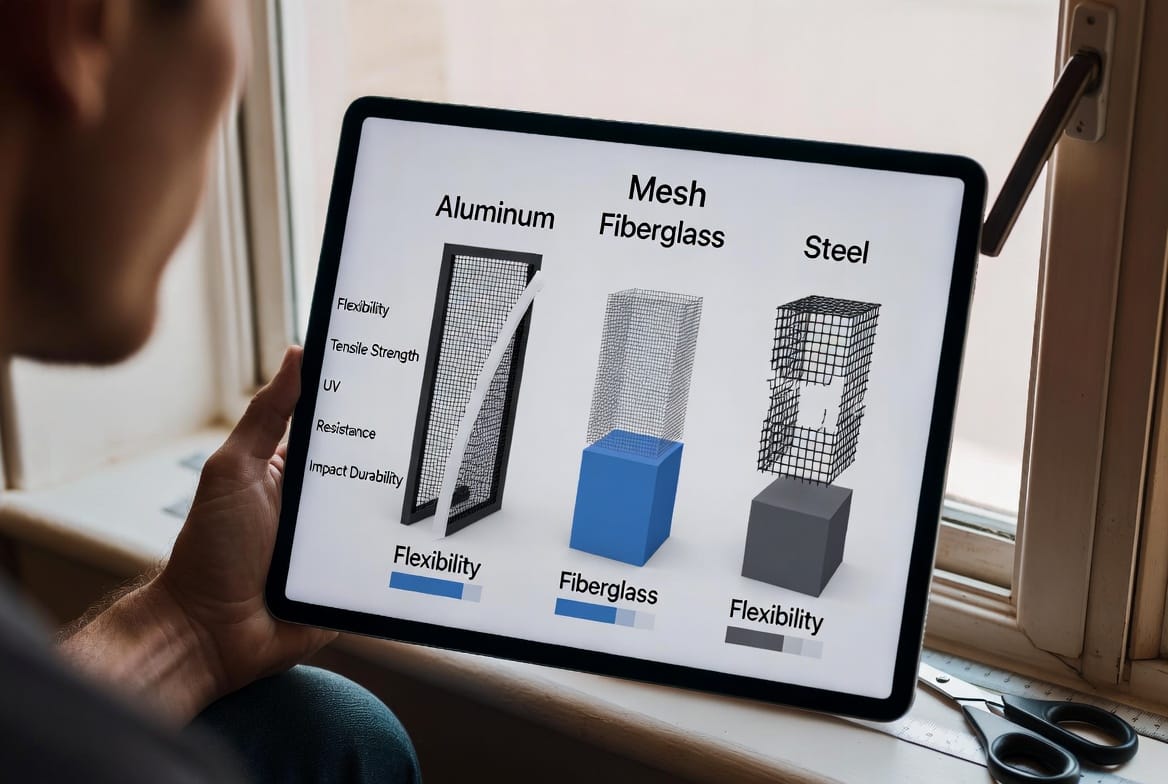
Pet-Resistant Mesh: Built for Homes with Animals
Standard screens stand little chance against curious cats, energetic dogs, or climbing pets. Pet-resistant mesh (often called pet mesh or heavy-duty screening) solves this problem with a much thicker, denser weave designed to withstand claws, chewing, and repeated pressure.
What Makes Pet Mesh Different
Manufacturers typically use polyester or vinyl-coated polyester yarns that are two to three times thicker than standard fiberglass. The resulting mesh feels substantial to the touch and resists penetration far more effectively. Many versions also feature a tighter weave that still allows good airflow while blocking smaller insects.
Performance Advantages
The primary benefit is obvious: pets can lean, scratch, or jump against the screen without creating immediate holes. This durability translates into fewer emergency repairs and lower long-term costs for pet owners. Pet mesh also tends to hold tension well and resists UV degradation better than thin fiberglass.
Many homeowners report that the heavier material dampens outdoor noise slightly more than lighter screens and provides a greater sense of security for ground-floor rooms.
Trade-Offs to Weigh
Pet mesh is the most expensive of the three options and can reduce natural light and outward visibility more than finer meshes. The thicker strands create a slightly heavier visual texture. Installation requires more skill because the material resists stretching; professional tools and techniques become especially important.
Recommended Applications
- Homes with cats, dogs, or other pets that interact with windows and doors
- Ground-level rooms or screened porches used as pet areas
- Families seeking maximum protection against both insects and animal damage
- Situations where frequent screen replacement has already become a pattern
When correctly installed, pet-resistant mesh often outlasts standard materials by several years even under constant pet pressure.
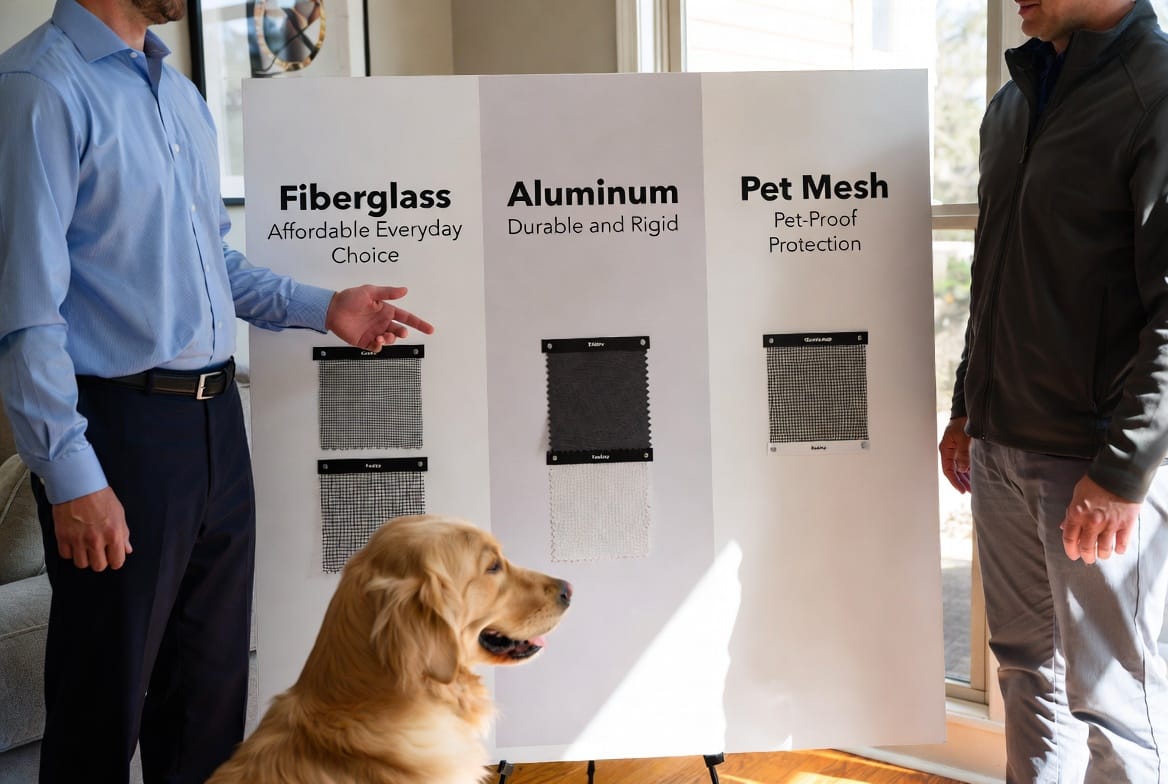
Direct Comparison: Choosing Among the Three
To make the decision clearer, consider these practical factors side by side:
- Cost — Fiberglass is the most affordable entry point. Aluminum sits in the middle. Pet mesh commands a premium.
- Durability against physical damage — Pet mesh leads, followed by aluminum, then fiberglass.
- Resistance to weather and corrosion — Aluminum and quality pet mesh generally outperform basic fiberglass in harsh climates.
- Visual clarity and airflow — Fiberglass offers the clearest view and best airflow. Aluminum is close behind. Pet mesh sacrifices some openness for strength.
- Ease of installation and repair — Fiberglass is simplest for DIY or quick professional work. Aluminum and pet mesh benefit most from experienced installers.
Climate, household lifestyle, and budget should drive the final choice. A quiet urban apartment with no pets may thrive with fiberglass. A beach house facing strong winds may prefer aluminum. A family with two dogs and a cat almost certainly needs pet mesh on frequently used doors and lower windows.
How to Select the Right Material for Your Home
Begin by assessing your specific risks. Do pets regularly press against screens? Is your home exposed to coastal salt or extreme sun? Are large picture windows part of the design? Answering these questions narrows the field quickly.
Next, consider long-term value rather than upfront price alone. A slightly higher investment in aluminum or pet mesh often pays for itself by eliminating repeated replacements. Professional measurement and installation further protect that investment by ensuring proper tension, secure spline placement, and correct frame preparation.
Many homeowners mix materials within the same house: fiberglass on upper-story windows, aluminum on large living-room expanses, and pet mesh on ground-floor doors and pet-access points. This hybrid approach optimizes both performance and budget.
Installation and Maintenance Best Practices
Regardless of material, correct installation determines longevity. Screens must be stretched evenly so the mesh lies flat without waves or excessive tension that could pull the frame out of square. High-quality spline that matches the groove size locks the material securely.
Routine care is simple. Vacuum or brush the mesh gently every few months to remove dust and pollen. Avoid harsh chemicals that could degrade coatings. Inspect annually for small tears or loose corners and address them promptly before they enlarge.
For pet mesh, occasional checks around lower edges where animals lean most frequently help catch wear early. Aluminum benefits from periodic inspection for dents that might compromise the weave.
Common Mistakes That Shorten Screen Life
Many homeowners unknowingly reduce screen lifespan through simple oversights. Using the wrong spline size creates weak spots. Installing screens that are too loose allows fluttering and eventual fatigue. Choosing fiberglass in a high-pet household almost guarantees early failure. Ignoring frame condition—warped or corroded frames—transfers stress to even the strongest mesh.
Professional service avoids these pitfalls. Experienced technicians measure precisely, select the appropriate material for each opening, and apply techniques that maximize tension without over-stressing the frame.
The Value of Expert Window Screening Service
Selecting the material is only half the equation. Proper installation and thoughtful material pairing deliver the full benefit. A knowledgeable screening specialist evaluates orientation, exposure, pet activity, and aesthetic goals before recommending the ideal combination.
When screens are correctly matched and installed, homeowners enjoy uninterrupted airflow, reliable insect protection, and a cleaner exterior appearance for years. The peace of mind that comes from knowing pets cannot easily damage the mesh or that coastal winds will not quickly degrade the material is difficult to quantify but immediately noticeable.
Final Guidance: Make the Choice That Fits Your Life
Fiberglass remains the practical, cost-effective standard for most homes without special challenges. Aluminum elevates durability and appearance for those who want longer intervals between replacements. Pet-resistant mesh provides the specialized protection that active households with animals require.
No single material is universally best. The winning choice is the one that aligns with your specific environment, lifestyle, and priorities. Taking time to evaluate these factors now prevents frustration later and protects both comfort and investment.
Choose the right screen material for lasting comfort and protection. Experienced technicians are ready to assess your windows, recommend the optimal materials, and complete the work with precision so you can enjoy clear views and reliable performance for years to come.
Protect Your Home with Quality Window Screens – Call Now