The Window Sash Balance Maintenance: Extending Life of Spiral Balances
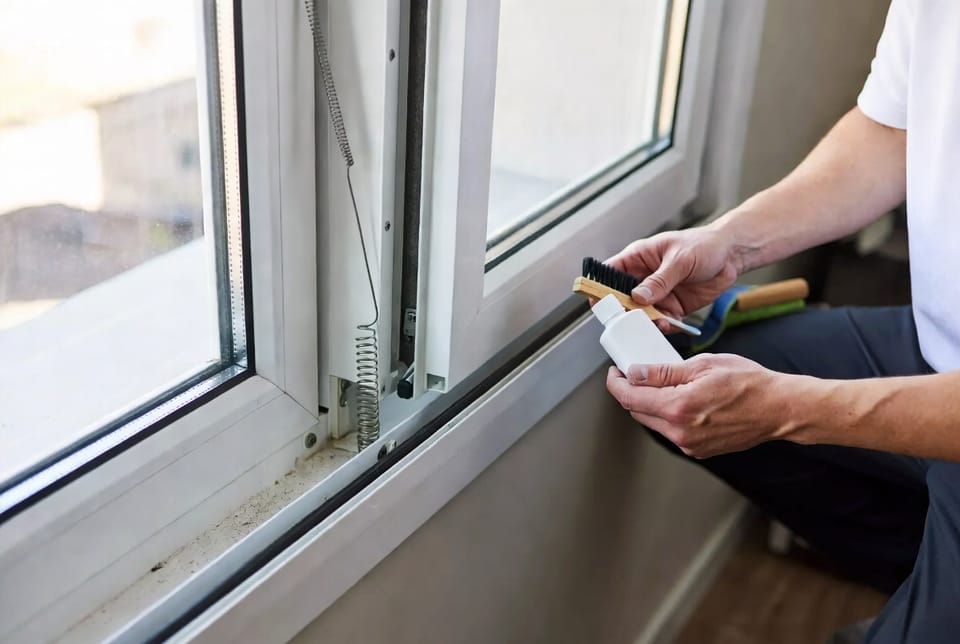
Proper care of window sash balances stands as one of the most effective ways to protect the daily function and overall lifespan of your double-hung or single-hung windows. Among the various balance systems available, spiral balances remain a reliable and widely installed choice because of their compact design and consistent spring-driven support. When these components receive regular attention, windows open and close with ease, stay securely in any position, and avoid the frustration of sudden drops or sticking. Neglect, on the other hand, allows dirt, friction, and gradual metal fatigue to shorten their service life. This guide focuses entirely on practical care techniques that keep spiral balances operating at their best, helping homeowners and property managers extend performance without unnecessary expense or disruption.
Maintain Your Spiral Balances Today – Call Now!
Understanding the role these balances play begins with recognizing how heavily modern windows rely on precise counterweight systems. Every time a sash rises or lowers, the spiral balance absorbs and releases energy to offset the sash weight. Consistent maintenance preserves that energy transfer, reduces wear on related hardware such as locks and tracks, and supports energy efficiency by keeping the sash sealed tightly when closed. The following sections explain the internal workings, outline clear cleaning and lubrication steps, identify early warning signs, and clarify the right moment for replacement—all presented in a straightforward, actionable format.
How Spiral Balances Work Through Controlled Spring Tension
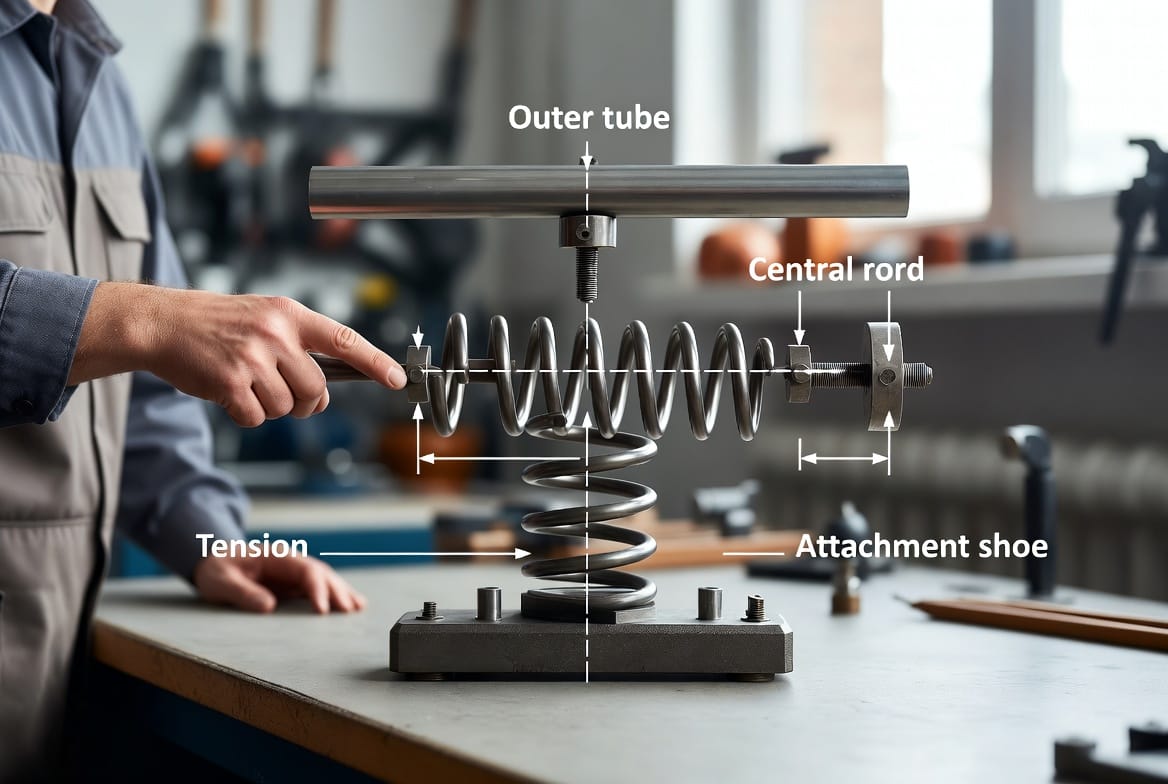
At the heart of every spiral balance lies a carefully engineered spring tension system. Inside a slender metal tube sits a long, tightly wound spiral spring attached to a central rod or spiral rod. One end of the assembly connects firmly to the window frame or jamb; the other end links to the sash itself through a plastic or metal attachment shoe. When the sash is lowered, the spring winds tighter around the rod, storing potential energy. When the sash is raised, the spring gradually unwinds, releasing that stored energy in a controlled manner. The result is a near-perfect counterbalance that allows even a heavy glass sash to move with minimal effort and remain stationary at any height.
The beauty of this design is its simplicity and reliability. Unlike older pulley-and-weight systems that require large cavities in the frame, spiral balances fit neatly into narrow channels along the sides of the sash. The continuous coil provides progressive resistance rather than abrupt stops, which produces the smooth glide most people expect from quality windows. Over years of daily use, however, the spring metal experiences repeated flexing. Dust, pollen, moisture, and household residues slowly accumulate on the outer tube and around the attachment points. These contaminants increase friction, force the spring to work harder, and eventually reduce the available tension. Regular care interrupts that cycle and keeps the spring operating within its designed range.
Temperature changes also influence performance. In colder months the metal contracts slightly, while summer heat can cause expansion. A well-maintained spiral balance accommodates these natural shifts without binding. When the system is clean and properly lubricated, the rod rotates freely inside the tube, the spring coils expand and contract evenly, and the sash remains balanced from the lowest to the highest position. This mechanical harmony is exactly what thoughtful maintenance protects.
Essential Maintenance: Cleaning and Lubricating Spiral Balances
The two most important actions any homeowner can take are thorough cleaning and correct lubrication. These steps remove abrasive particles and restore low-friction movement, dramatically extending the functional life of the spring.
Begin by fully opening the sash or, if the design allows, carefully removing it according to the manufacturer’s release method. Most modern spiral balances permit access once the sash is tilted inward or lifted free of the side channels. With the balance exposed, use a soft brush or vacuum attachment with a brush nozzle to remove loose dust, spider webs, and dried debris from the exterior of the tube and the surrounding channel. Avoid forcing any tools into the narrow gap where the spring resides; the goal is surface cleanliness only.
Next, wipe the visible metal surfaces with a clean, slightly damp microfiber cloth. For stubborn residue, a mild solution of warm water and a drop of dish soap works well. Immediately dry the area completely to prevent moisture from reaching the internal spring. Never spray water or cleaner directly into the tube openings.
Once the balance is clean and dry, apply a high-quality, silicone-based or dry-film lubricant specifically formulated for window hardware. These products leave a thin, non-sticky film that repels dust rather than attracting it. A light application along the outer tube and at the points where the balance meets the sash attachment is usually sufficient. Operate the sash slowly up and down several times to distribute the lubricant evenly. Excess product should be wiped away so that it does not drip onto the glass or interior finishes.
Perform this cleaning and lubrication cycle at least twice a year—ideally in spring and fall—when seasonal temperature shifts make window operation more noticeable. Homes in dusty, coastal, or high-pollen regions may benefit from quarterly attention. Always work with the window fully supported and never force a sash that feels unusually heavy; that resistance often signals the need for professional evaluation rather than additional DIY effort.
Additional supportive habits include keeping the window tracks free of dirt, ensuring weatherstripping remains intact, and avoiding the use of oil-based lubricants that can gum up over time. These simple practices reinforce the primary cleaning and lubrication routine and help the spiral spring maintain consistent tension year after year.
Recognizing Signs of Wear Before Problems Escalate
Even with diligent care, spiral balances eventually show age. Early detection allows timely intervention and prevents secondary damage to the sash, locks, or frame. The most common indicators appear during everyday use and should never be ignored.
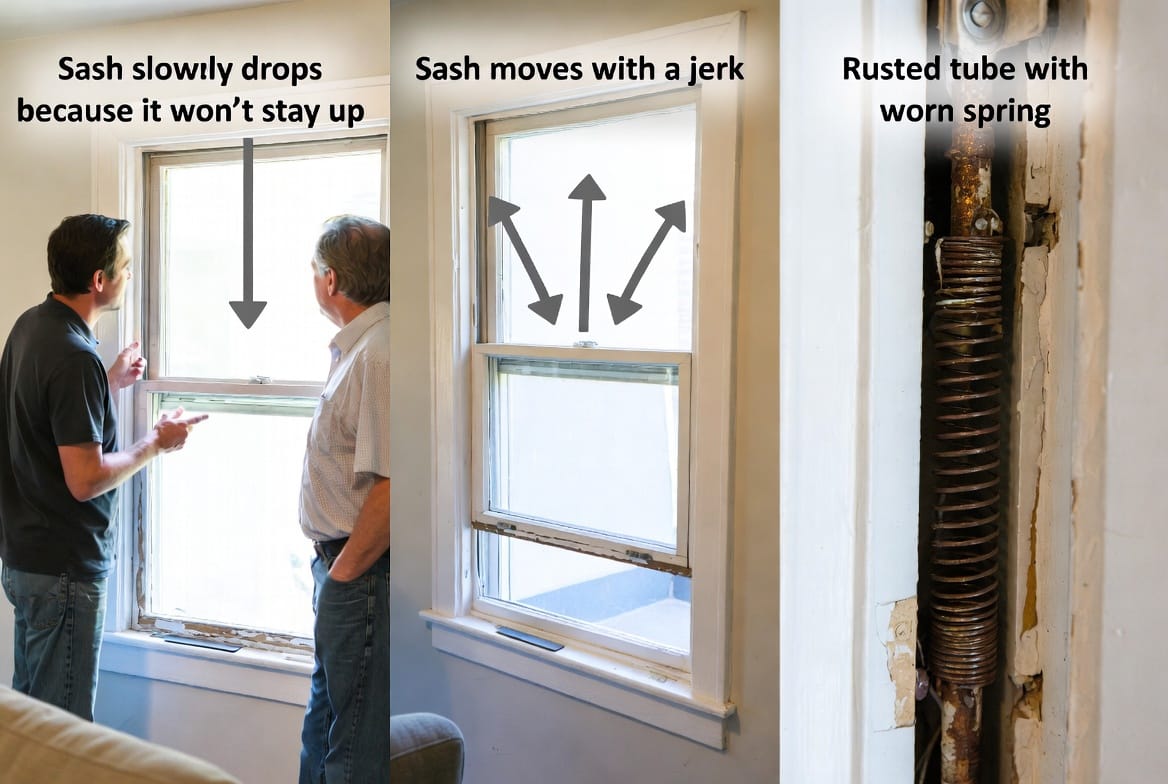
- Window won’t stay up: The sash slowly drifts downward or drops suddenly after being raised. This classic symptom means the spring has lost sufficient tension to counter the sash weight.
- Jerky or uneven operation: Movement feels hesitant, catches at certain points, or requires extra force in one direction. Friction from dried lubricant or a partially unbound spring is usually responsible.
- Visible wear or damage: Look for rust spots on the tube, frayed or stretched spring coils (if visible), cracked plastic shoes, or elongated mounting holes. Any of these physical changes reduce reliability.
- Unusual noises such as scraping, popping, or metallic creaking during travel.
- Difficulty locking the sash fully closed because the balance no longer holds the correct height.
- One side of a double-hung window operating more smoothly than the other, indicating uneven balance wear.
When several of these signs appear together, the balances have reached the end of their practical service life. Continuing to force the sash only accelerates wear on the remaining hardware and can create safety concerns, especially with larger or upper-story windows.
Knowing When Replacement Becomes the Best Option
Cleaning and lubrication restore performance when the spring still retains adequate strength. Once tension has permanently diminished or the metal shows fatigue cracks, replacement is the only reliable solution. Most quality spiral balances are designed for fifteen to twenty years of normal residential use, though heavy commercial traffic, extreme climates, or lack of prior care can shorten that span.
Replacement becomes necessary when:
- The sash consistently fails to stay open even after thorough cleaning and fresh lubrication.
- Physical inspection reveals broken coils, severely corroded tubes, or damaged attachment hardware.
- Multiple balances on the same window have begun failing in sequence.
- Safety is compromised—particularly if the window serves as an emergency exit or is located above a first-floor level.
Professional technicians measure the exact length, diameter, and spring rating of the existing balances so the new units match the sash weight perfectly. Improperly matched replacements can create the same problems the original units developed. After installation, the technician tests full travel, confirms even tension on both sides, and demonstrates proper operation. Many modern spiral balances also offer limited adjustability, allowing fine-tuning of tension without full replacement in borderline cases.
Choosing timely replacement protects the larger investment represented by the window itself. A smoothly operating sash reduces stress on glass seals, keeps weathers tripping aligned, and maintains the thermal performance the manufacturer intended. In multi-unit buildings or historic properties, consistent balance maintenance further preserves architectural integrity and avoids costly emergency calls.
Long-Term Benefits of Consistent Spiral Balance Care
Homes that follow a simple maintenance schedule enjoy quieter, more dependable windows for many additional years. Smooth operation encourages regular ventilation, which improves indoor air quality. Reduced friction lowers the chance of frame distortion or lock misalignment. Energy bills stay more predictable because sashes close fully and seals remain effective. Most importantly, occupants gain peace of mind knowing the windows will respond reliably in daily use and in any emergency situation requiring rapid opening.
Property managers and landlords find that scheduled balance care decreases tenant complaints and extends the interval between major window overhauls. For individual homeowners, the routine becomes a quick seasonal habit that protects both comfort and resale value. Every cleaned and lubricated spiral balance continues delivering the quiet strength it was engineered to provide.
Practical Tips for Safe and Effective Care
Always support the full weight of the sash when removing or tilting it; never rely solely on the balances during servicing. Work on a stable ladder or step stool if the window is elevated. Keep children and pets clear of the work area. Store lubricants and tools safely afterward. If at any point the mechanism feels complex or the sash is unusually heavy, pause and contact a trained window service professional. Their experience ensures both safety and correct tension settings.
Document the date of each cleaning and lubrication session. A simple note on a calendar or phone reminder creates a reliable maintenance history and helps identify patterns of wear earlier. When purchasing replacement balances, retain the old units until the new ones are confirmed to fit and function correctly.
By treating spiral balances as precision components rather than “set and forget” hardware, homeowners transform routine care into lasting performance. Clean surfaces, proper lubrication, prompt attention to warning signs, and timely replacement when needed form a complete strategy that keeps windows operating smoothly for decades.
Maintain sash balances for smooth operation. Give your spiral balances the professional attention that extends their useful life and restores effortless window function throughout your home.
Professional Spiral Balance Maintenance – Call Now!