The Window Glass Thickness: How It Affects Performance and Safety
When it comes to windows, few elements are as critical as glass thickness. This single specification influences everything from energy efficiency and noise reduction to impact resistance and overall home safety. Whether you're building a new home, replacing old windows, or upgrading for better comfort, understanding glass thickness helps you make informed decisions that deliver long-term value.
Get Expert Glass Thickness Advice – Call Now!
Professional window experts know that proper glass selection transforms how a home performs. Thicker, well-engineered glass delivers superior results while providing peace of mind. In this comprehensive guide, we'll explore glass specifications, typical residential options, and the real-world impact of thickness on your home's performance and safety.
Why Glass Thickness Matters in Modern Windows
Glass thickness is not just a manufacturing detail—it's a key performance factor. It directly affects thermal insulation, sound transmission, structural integrity, and safety features. Choosing the right thickness ensures your windows work efficiently year-round while protecting your family and property.
Thinner glass may suffice for basic applications, but thicker glass often provides measurable improvements in comfort and security. Modern manufacturing allows precise control over thickness, coatings, and layering to meet specific needs without compromising aesthetics or light transmission.
Homeowners who invest in appropriate glass thickness enjoy lower energy bills, quieter interiors, and enhanced protection against weather and potential hazards.
Standard Glass Thicknesses for Residential Windows
Residential windows typically use several standard thicknesses, each suited to different performance requirements:
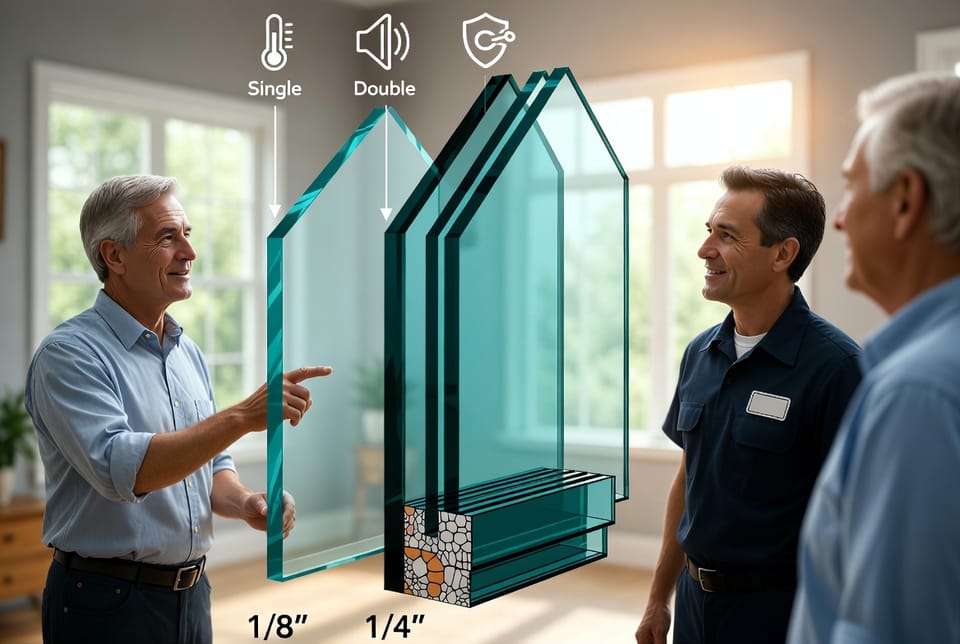
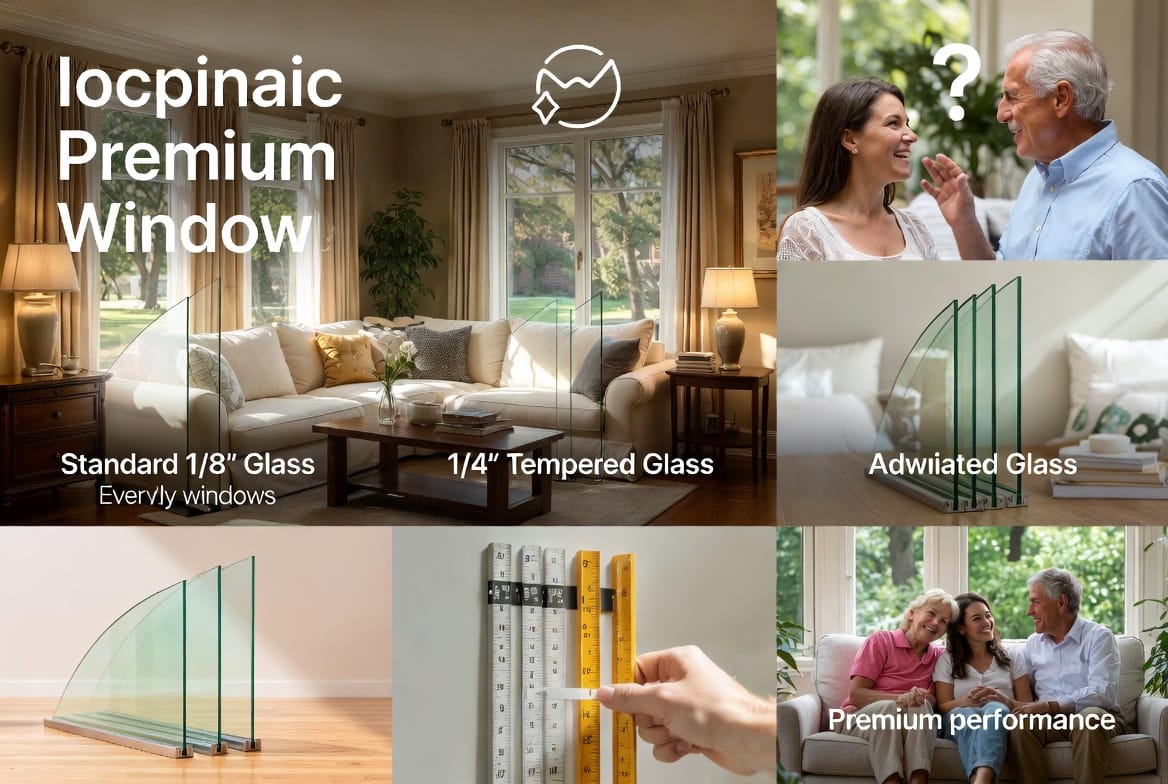
- 1/8 inch (single pane): Common in older homes and basic new construction. Offers adequate light transmission but limited insulation and sound control.
- 1/8 inch per pane (double pane): Standard for many modern energy-efficient windows. Two layers of 1/8-inch glass separated by an insulating gas-filled spacer create better thermal performance.
- 1/4 inch: Frequently used for tempered glass or laminated glass. Provides significantly higher strength and safety, ideal for high-risk areas or premium installations.
Key consideration: Thickness works together with other factors like Low-E coatings, gas fills (argon or krypton), and frame quality to determine overall window performance.
How Glass Thickness Affects Thermal Insulation
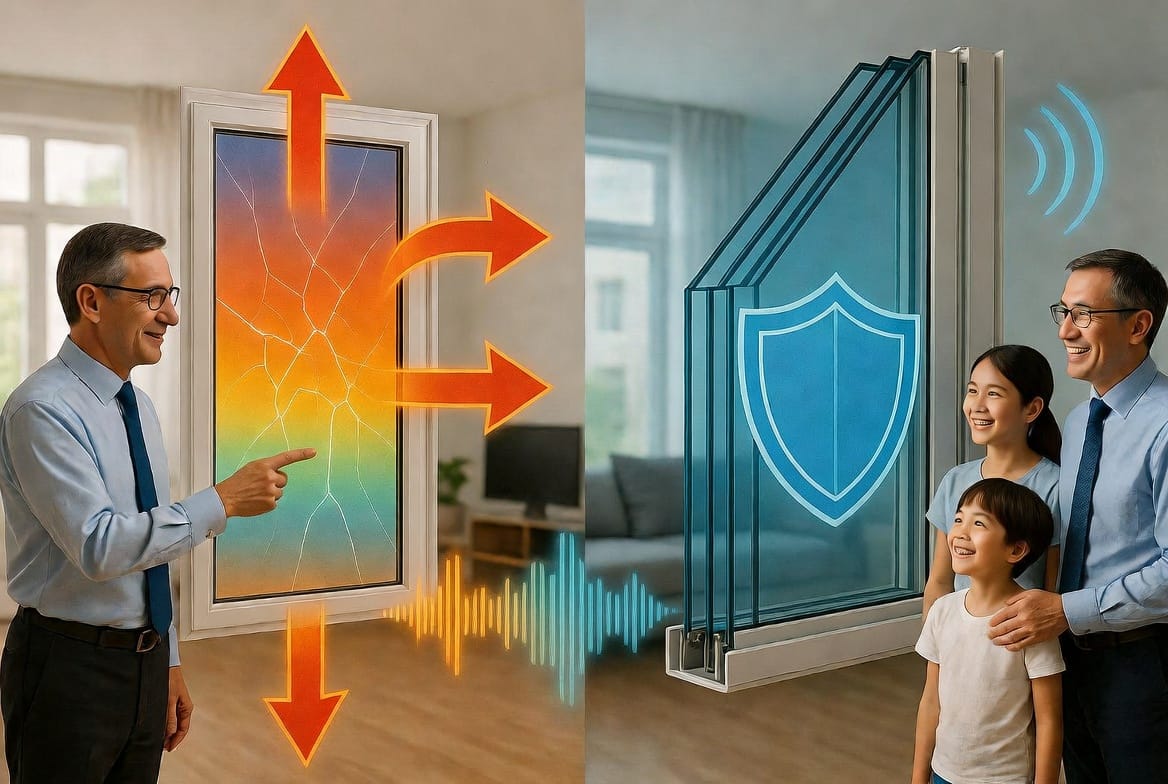
One of the most important benefits of proper glass thickness is improved thermal performance. Thicker glass, especially in double or triple-pane configurations, reduces heat transfer between indoors and outdoors.
The U-factor measures how well a window conducts heat. Lower U-factors indicate better insulation. Increasing glass thickness contributes to lower U-values by adding mass and allowing for better spacer systems and gas fills.
Benefits of thicker glass for insulation include:
- Reduced heating and cooling costs
- More consistent indoor temperatures
- Less condensation on windows during cold weather
- Improved overall energy efficiency ratings
Homes with properly specified glass thickness often qualify for energy rebates and certifications. Professional installers can help calculate the ideal thickness and configuration for your climate and home orientation.
Enhancing Soundproofing with Thicker Glass
Noise pollution affects comfort and wellbeing. Glass thickness plays a vital role in Sound Transmission Class (STC) ratings—the higher the STC, the better the sound blocking.
Thicker glass panes increase mass, which naturally dampens sound vibrations. Laminated glass with special interlayers further improves acoustic performance by absorbing vibrations that would otherwise pass through.
Typical improvements include:
- Reduced traffic noise from busy streets
- Better privacy between rooms
- Less disturbance from outdoor activities or weather
For homes near airports, highways, or urban centers, combining thicker glass with double-pane construction and acoustic interlayers delivers outstanding results. Many homeowners report significant quality-of-life improvements after upgrading.
Safety and Security Benefits of Thicker Glass
Safety is paramount when selecting window glass. Thicker options, particularly tempered and laminated varieties, offer superior protection.
Tempered glass (often 1/4 inch) is heat-treated for increased strength. If broken, it shatters into small, blunt pieces rather than sharp shards—greatly reducing injury risk.
Laminated glass features a tough plastic interlayer between glass layers. Even when impacted, it tends to stay in place, maintaining a barrier against wind, rain, and intrusion.
Key safety advantages:
- Better resistance to wind-borne debris during storms
- Enhanced protection against break-ins
- Compliance with building codes for high-risk areas (bathrooms, doors, skylights)
- Reduced risk of injury to children and pets
Authoritative note: Always follow local building codes and consult professionals for installations in safety-critical locations.
Choosing the Right Glass Thickness for Your Home
Selecting optimal window glass thickness depends on several factors:
- Climate: Colder regions benefit from thicker multi-pane glass with low-E coatings.
- Location: Urban or noisy areas may require higher STC-rated laminated glass.
- Budget and goals: Balance initial investment with long-term energy savings and comfort.
- Window type: Different styles (casement, double-hung, picture windows) may have thickness limitations.
Professional assessment ensures you choose specifications that maximize performance without unnecessary expense. Experienced glaziers evaluate your specific needs and recommend the best combination of thickness, coatings, and construction.
Common Myths About Window Glass Thickness
Many homeowners believe thicker glass always means heavier, darker windows or higher costs. In reality, modern advancements allow thicker glass to remain clear, lightweight in appearance, and cost-effective over time.
Another myth is that single-pane thick glass outperforms modern double-pane thinner glass. Engineered multi-pane systems with optimal thickness usually deliver far superior results in both insulation and soundproofing.
Trust reputable professionals who stay current with industry standards and can demonstrate performance data for their recommendations.
Professional Installation and Maintenance
Even the best glass thickness specifications require expert installation. Proper glazing techniques, sealing, and frame alignment ensure the glass performs as intended for decades.
Regular maintenance, such as inspecting seals and cleaning, helps preserve performance. Professional service teams can identify issues early and recommend upgrades when needed.
Making the Smart Choice for Your Windows
Investing in the right window glass thickness pays dividends through energy savings, increased comfort, enhanced safety, and higher home value.
Whether upgrading existing windows or planning new construction, prioritize quality glass that matches your performance goals.
Ready to improve your home's windows? Our experts provide personalized recommendations backed by years of experience and quality products.
Discover Ideal Window Glass Solutions – Free Consultation