The Window Acoustic Performance: STC Ratings and Soundproofing Options

In today’s fast-paced world, noise pollution has become an invisible intruder in our daily lives. Whether you live near a bustling airport, a high-traffic highway, or a lively urban neighborhood, constant external sounds can disrupt sleep, reduce productivity, and even affect your overall well-being. The good news? Modern window acoustic performance offers powerful solutions that bring lasting relief. By understanding STC ratings and exploring smart soundproofing options, you can transform your home into a serene sanctuary.
Stop the Noise – Upgrade to Acoustic Windows Today!
At the heart of effective noise reduction lies a simple yet precise measurement: the Sound Transmission Class (STC) rating. This standardized metric tells you exactly how well a window blocks airborne sound. Higher STC ratings mean superior noise control, giving you confidence that your investment will deliver real results. Homeowners across the country are discovering that upgrading to high-performance acoustic windows isn’t just an improvement — it’s a game-changer for comfort and quality of life.
Why noise reduction matters more than ever
- Constant exposure to traffic or aircraft noise can elevate stress levels and disturb rest.
- Families report better sleep, improved focus for remote workers, and stronger family connections once soundproofing windows are installed.
- Property values often rise when homes feature proven acoustic performance upgrades.
In this comprehensive guide, we’ll walk you through everything you need to know about STC ratings, how different glass and frame combinations work together to block unwanted sound, and the best options tailored for homes near airports, highways, or noisy neighborhoods. You’ll leave with clear, actionable insights and the reassurance that peace and quiet are well within reach.
Understanding Sound Transmission Class (STC) Ratings
The STC rating is your window’s report card for sound blocking. Developed by acoustical engineers, it measures how effectively a barrier — in this case, your window assembly — reduces the transmission of airborne noise across a range of frequencies. An STC of 25, for example, might only muffle loud speech, while an STC of 40 or higher can make even heavy highway rumble feel distant and manageable.
How STC ratings translate to real life
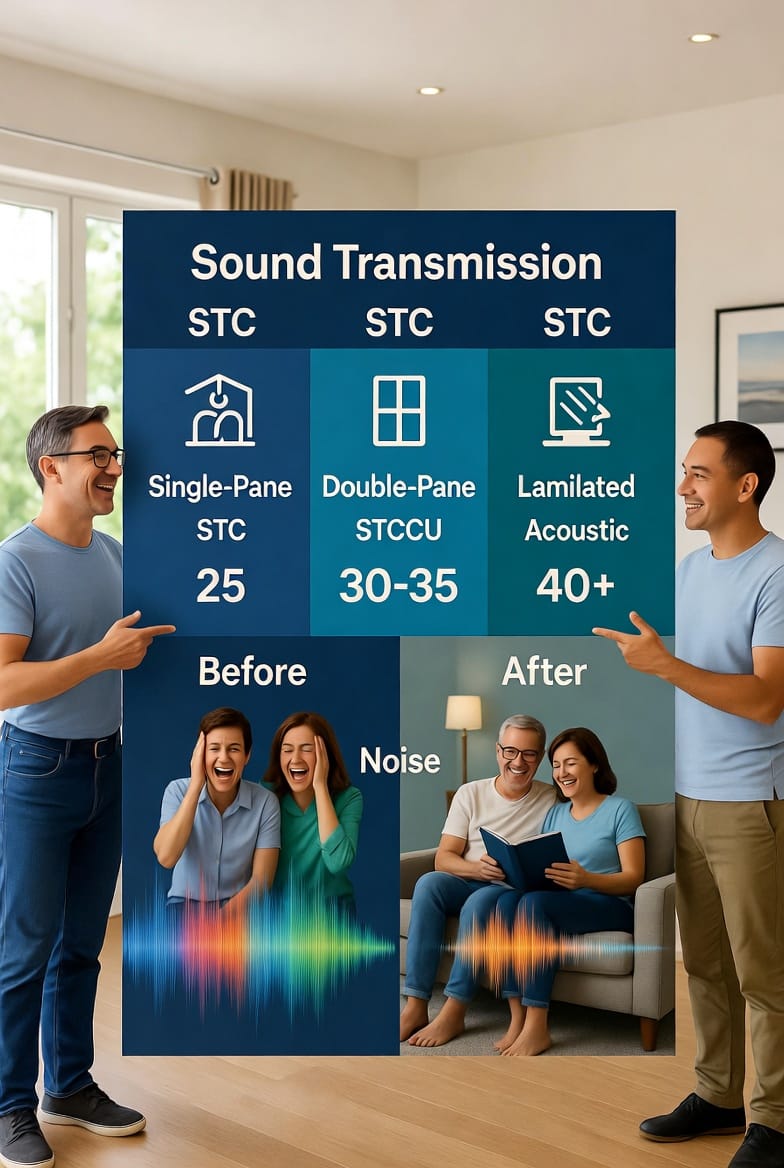
- STC 25–28: Typical single-pane windows; you’ll still hear conversations, music, and passing trucks clearly.
- STC 30–35: Standard double-pane windows; noticeable improvement, but low-frequency noises like airplane engines or bass-heavy traffic may still intrude.
- STC 40+: Advanced acoustic windows with laminated glass; dramatic reduction that turns noisy environments into quiet retreats.
What makes STC ratings so reliable is the testing process. Windows are evaluated in certified labs using precise sound sources and microphones on both sides of the assembly. The rating accounts for the entire system — glass, frame, seals, and installation quality. That’s why simply adding a storm window rarely achieves high STC results; true performance comes from an integrated, purpose-built solution.
Experts emphasize that STC ratings focus on speech frequencies but also perform exceptionally well against common household disruptors such as aircraft flyovers, highway traffic, and neighborhood activity. When you choose windows with the right rating for your specific noise profile, you’re making a data-driven decision that protects your family’s comfort for decades.
How Different Glass and Frame Combinations Affect Noise Reduction
The secret to outstanding window acoustic performance lies in the thoughtful combination of glass types and frame materials. Each element works in harmony to absorb, deflect, and dissipate sound energy before it reaches the interior of your home.
Glass technology that stops sound in its tracks
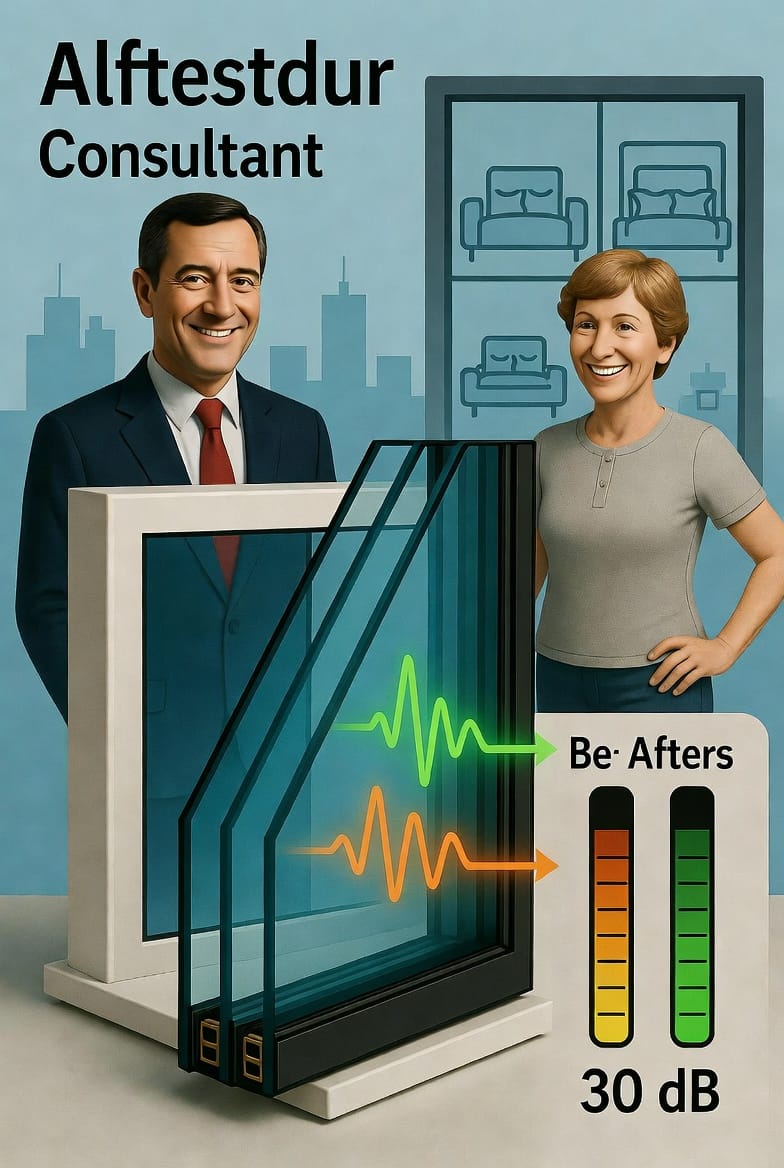
Laminated glass stands out as the gold standard for soundproofing windows. A special polyvinyl butyral (PVB) interlayer between two glass panes acts like a shock absorber, converting sound vibrations into harmless heat. This technology is especially effective against mid- and high-frequency noises such as voices, sirens, and aircraft whistles.
Thicker glass further boosts performance. A ¼-inch pane transmits far less sound than a standard ⅛-inch pane. Pairing panes of dissimilar thicknesses within a double- or triple-pane unit prevents resonance — the phenomenon where sound waves amplify at certain frequencies. Adding an inert gas fill like argon or krypton between panes slows sound transmission even more by creating a denser barrier.
Frame materials matter more than you might think
Aluminum frames, while strong and slim, can actually conduct vibration and lower overall STC ratings. In contrast, high-quality vinyl, fiberglass, or composite frames dampen vibrations naturally and maintain a tighter seal over time. These materials expand and contract less with temperature changes, preserving the integrity of the weatherstripping and preventing sound leaks.
Proper sealing around the entire window assembly is non-negotiable. Professional installers use acoustic-grade caulks and gaskets that compress to fill every gap, ensuring no sneaky sound pathways remain. When all these elements — laminated glass, optimal thicknesses, gas fills, and robust frames — come together, the result is a window system engineered for maximum noise reduction.
Tailored Soundproofing Options for Homes Near Airports, Highways, or Noisy Neighborhoods
Every location presents unique acoustic challenges, which is why one-size-fits-all windows rarely deliver the best results. Professional teams assess your specific noise sources and recommend the perfect STC-rated solution.
Homes near airports
Aircraft noise contains powerful low-frequency components that can penetrate standard windows. Here, STC 45+ laminated triple-pane systems with thick outer panes excel. Many homeowners opt for full-frame replacements that include upgraded sashes and heavy-duty hardware to eliminate any rattling during takeoffs and landings. The transformation is remarkable: what once sounded like thunder overhead becomes a gentle background hum.
Properties adjacent to highways
Constant traffic produces a mix of tire noise, engine rumble, and horn blasts. Double-pane windows with laminated inner panes and vinyl frames routinely achieve STC 38–42, dropping highway din to conversational levels inside. For the most demanding locations, acoustic window inserts that fit inside existing frames provide an efficient retrofit option without major construction.
Urban and suburban neighborhoods
Even “quieter” areas can suffer from lawn equipment, barking dogs, or late-night traffic. Here, mid-range STC 35–40 configurations with laminated glass deliver excellent value. Homeowners appreciate the added benefit of improved energy efficiency and UV protection that these advanced windows provide.
No matter your situation, the key is matching the STC rating and glass-frame combination to the dominant frequencies of your noise problem. Expert consultations include on-site sound measurements, ensuring every recommendation is precise and effective.
The Installation Process and Proven Benefits of Acoustic Windows
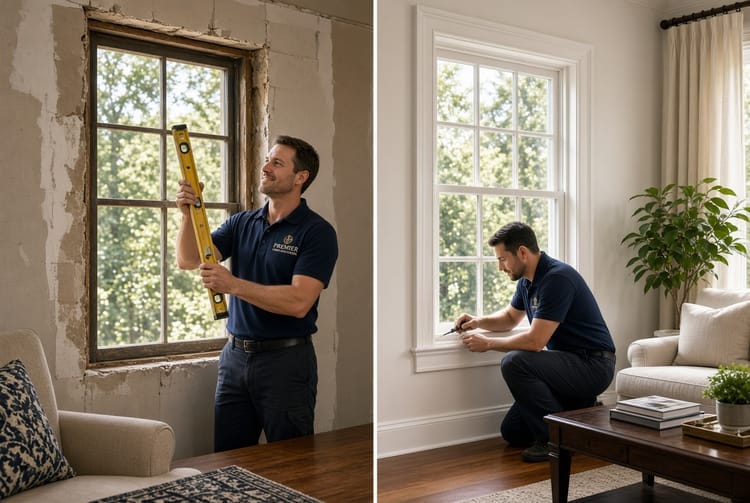
Professional installation is where window acoustic performance truly shines. Certified technicians follow meticulous steps: precise measurements, careful removal of old units, and expert fitting of the new acoustic system. They seal every joint with sound-dampening materials and test the assembly on-site to confirm the expected STC rating.
Homeowners consistently report life-changing improvements:
- Deeper, uninterrupted sleep even during peak traffic hours.
- Enhanced focus for students and remote professionals.
- Greater indoor comfort year-round thanks to superior insulation.
- Increased home value and curb appeal from premium window upgrades.
Real families describe the difference as “night and day.” One couple near a major interstate shared how their children now enjoy movie nights without raising the volume, while another homeowner close to an airport runway finally hosts peaceful backyard gatherings again. These stories highlight why soundproofing windows represent far more than a purchase — they’re an investment in daily happiness and well-being.
Additional Tips to Maximize Your Noise Reduction Results
While high-performance windows form the cornerstone of any soundproofing strategy, a few complementary steps can elevate results even further:
- Add heavy, lined curtains or acoustic drapes for an extra layer of absorption.
- Seal gaps around doors and electrical outlets where sound can sneak in.
- Consider whole-home solutions such as upgraded exterior doors or attic insulation for comprehensive quiet.
Yet the foundation remains your windows. When chosen and installed correctly, they deliver the most noticeable and longest-lasting noise reduction.
Choosing the Right Partner for Your Acoustic Window Project
Selecting an experienced provider ensures every detail — from accurate STC calculations to flawless installation — aligns with your goals. Look for teams that specialize in noise-reduction solutions, offer in-home consultations, and stand behind their work with strong warranties. The right professionals listen carefully, explain options clearly, and deliver results that exceed expectations.
Bring Peace and Quiet to Your Home Today
You deserve a home where external noise fades into the background and everyday life feels calmer and more enjoyable. With the right acoustic windows, superior STC ratings, and expert soundproofing options, that peaceful reality is closer than you think.
Discover High-Performance Acoustic Windows – Call Today