The Water Hammer Arrestor: Solving the Mystery of Banging Pipes and Protecting Your Plumbing System
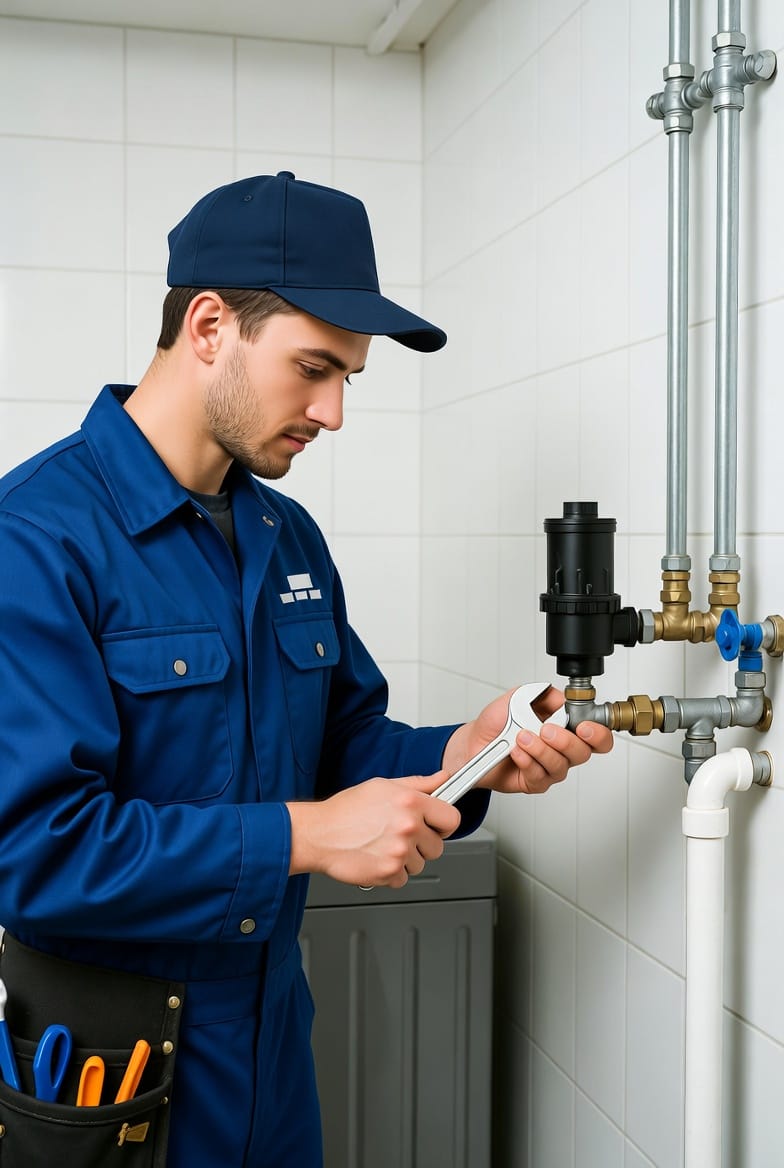
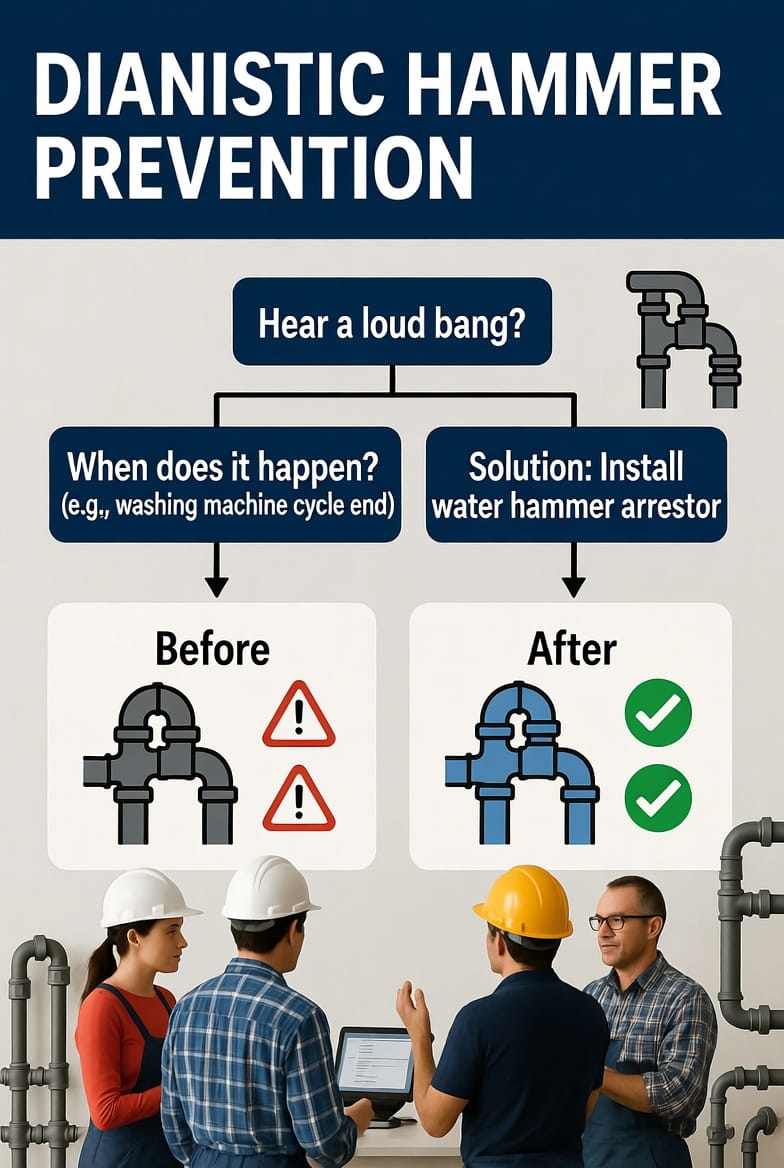
Have you ever been startled by a loud banging noise coming from your pipes? That unsettling thud, often heard when you turn off a faucet or when your washing machine cycle ends, isn't just annoying—it's a sign of a potential plumbing problem known as water hammer. But don't worry; there's a simple, effective solution: the water hammer arrestor. In this comprehensive guide, we'll demystify water hammer, explain how these devices work, and show you why installing one could save your plumbing system from costly damage. As plumbing experts with years of experience, we're here to assure you that addressing this issue is straightforward and can restore peace to your home.
End Water Hammer Shocks – Call a Pro Plumber Now!
Understanding Water Hammer: The Physics Behind the Bang
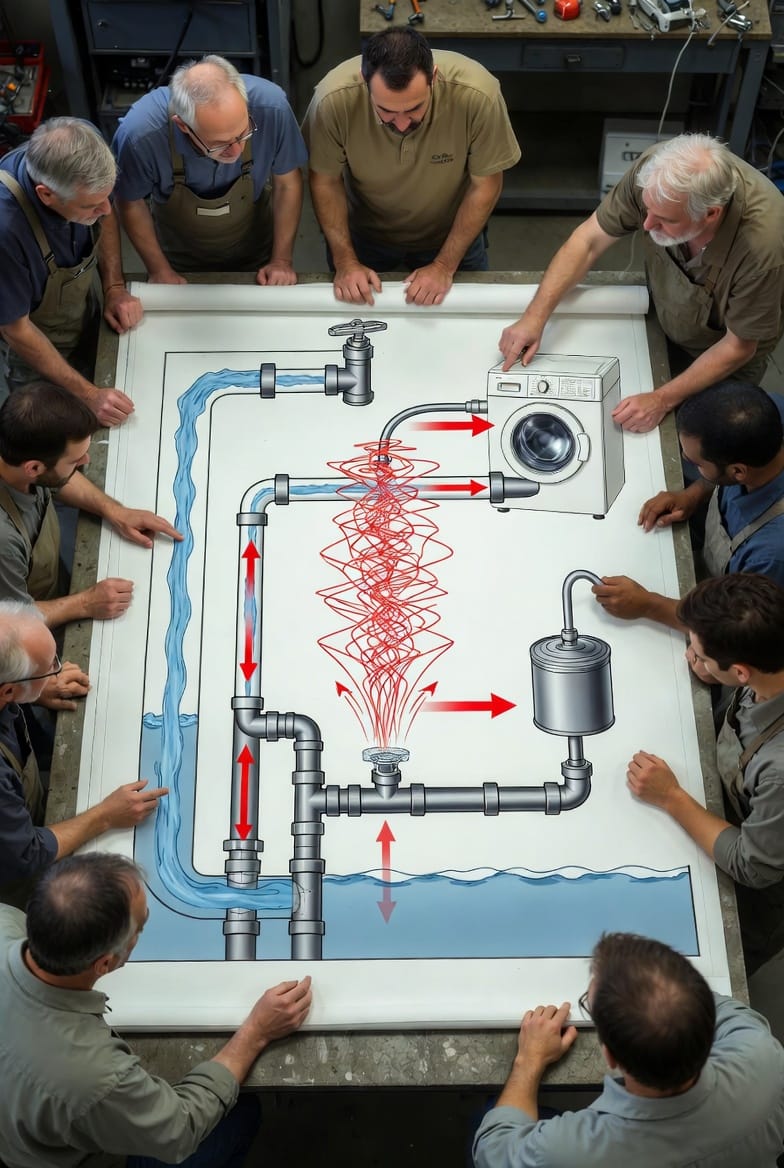
At its core, water hammer is a hydraulic shock phenomenon caused by the sudden stoppage or change in direction of water flow in your pipes. Imagine water rushing through your plumbing at high speed—up to several feet per second. When a valve closes abruptly, like in a dishwasher or washing machine, that moving water has nowhere to go. The kinetic energy transforms into a pressure surge, creating a shock wave that travels back through the pipes at the speed of sound in water, which is about 4,800 feet per second.
This shock wave, or pressure spike, can reach pressures exceeding 100 psi above your normal water pressure, sometimes spiking to 300-400 psi or more. The result? That characteristic banging sound as the pipes rattle against walls, floors, or each other. But it's not just noise; repeated water hammer can lead to serious issues.
To break it down simply:
- Sudden Valve Closure: Appliances with solenoid valves (quick-closing mechanisms) are common culprits.
- Momentum Transfer: The water's inertia causes the pressure build-up.
- Wave Propagation: The shock travels until it dissipates or hits another obstacle.
Rest assured, understanding this physics is the first step toward prevention. Water hammer isn't a mystery once you know the science—it's a solvable problem with the right tools.
The Long-Term Risks of Ignoring Water Hammer
While the occasional bang might seem harmless, ignoring water hammer can lead to significant long-term damage to your plumbing system. Over time, these repeated pressure surges stress pipes, fittings, and appliances, accelerating wear and tear.
Here are some key risks:
- Pipe Leaks and Bursts: The constant hammering weakens joints and can cause cracks, leading to water leaks that damage walls, ceilings, and floors.
- Appliance Failure: Washing machines, dishwashers, and ice makers suffer from loosened connections or internal damage, shortening their lifespan.
- Fixture Damage: Faucets, showerheads, and toilets can develop leaks or fail prematurely due to the vibrations.
- Structural Issues: In severe cases, the noise and vibrations can loosen pipe supports, potentially causing misalignment or even foundational problems in older homes.
According to plumbing standards, unchecked water hammer can reduce the life of your system by years, leading to expensive repairs. But with a water hammer arrestor, you can prevent these issues, protecting your investment and ensuring a quiet, efficient home. We're confident that proactive measures like this keep your plumbing running smoothly for decades.
How Water Hammer Arrestors Work: Your Pipes' Shock Absorbers
Think of a water hammer arrestor as a miniature shock absorber for your plumbing, similar to those in your car's suspension. These compact devices are designed to cushion the impact of sudden pressure changes, absorbing the shock wave before it can cause damage.
Here's how they operate:
- Basic Design: Most arrestors feature a sealed chamber with a piston or diaphragm separating air (or gas) from the water. When a pressure surge hits, the piston compresses the air cushion, dissipating the energy harmlessly.
- Absorption Mechanism: The compressible air acts as a buffer, allowing the water to slow down gradually rather than slamming to a halt.
- Types Available: There are piston-style (for residential use) and bladder-style (for larger systems), both effective in different scenarios.
Installed inline with your pipes, these arrestors reset automatically after each event, requiring no maintenance. They're a set-it-and-forget-it solution that provides immediate relief from banging and long-term protection. As authorities in plumbing, we recommend them as an essential upgrade for any home prone to water hammer.
Ideal Installation Locations for Water Hammer Arrestors
To maximize effectiveness, water hammer arrestors should be placed as close as possible to the source of the problem. This minimizes the distance the shock wave travels, ensuring quick absorption.
Prime spots include:
- Near Washing Machines: Solenoid valves close rapidly at the end of a cycle, making this a hotspot.
- Dishwashers: Similar quick-closing valves during fill and drain phases.
- Quick-Closing Valves: Any faucet or fixture with fast-shut mechanisms, like single-lever taps.
- Whole-House Systems: For widespread issues, install at the main water line or multiple points.
Professional installation is key—ensure they're oriented correctly (usually vertical) to maintain the air cushion. In our experience, strategic placement eliminates 99% of water hammer incidents, giving you peace of mind.
Preventing Damage: Real-World Benefits and Case Studies
By installing a water hammer arrestor, you're not just silencing the noise; you're safeguarding your entire plumbing infrastructure. Let's explore the benefits in detail.
- Cost Savings: Prevent repairs that could cost hundreds or thousands. A simple arrestor, priced at $20-50, pays for itself quickly.
- Extended Appliance Life: Appliances last longer without the stress of pressure spikes.
- Improved Water Efficiency: Stable pressure reduces wear on seals and valves, potentially lowering water bills.
- Home Value Boost: A well-maintained plumbing system is a selling point for any property.
Consider a common scenario: A family hears banging every laundry day. After installing arrestors near the washer, the noise vanishes, and pipes remain intact years later. We've seen this transformation countless times—it's why we advocate for these devices as a standard preventive measure.
DIY vs. Professional Installation: What You Need to Know
While some homeowners opt for DIY, we recommend professional help for optimal results. Arrestors require soldering or threading into pipes, and improper installation can lead to leaks.
Steps for pros:
- Shut off water supply.
- Cut into the pipe near the valve.
- Install the arrestor with proper fittings.
- Test for leaks and functionality.
If you're handy, follow manufacturer guidelines, but for assurance, call experts. It's a quick job that ensures everything is up to code.
Maintenance and Troubleshooting Tips
Water hammer arrestors are low-maintenance, but occasional checks ensure longevity.
- Inspect Annually: Look for leaks or corrosion.
- Recharge if Needed: Some models lose air over time; pros can recharge them.
- Troubleshoot Persistent Noise: If banging continues, check for air chambers in pipes or consult a plumber.
With proper care, these devices last 10-20 years, providing reliable protection.
Eco-Friendly Aspects of Water Hammer Solutions
In today's world, sustainability matters. Arrestors help by preventing leaks, conserving water, and reducing the need for frequent replacements. They're a green choice for eco-conscious homeowners.
Choosing the Right Water Hammer Arrestor
Select based on size (e.g., AA for washers) and material (brass for durability). Look for certifications like ASSE 1010 for quality assurance.
Common Myths Debunked
Myth: Water hammer only affects old homes. Fact: New constructions with modern appliances are just as susceptible.
Myth: Loosening pipes fixes it. Fact: That's a temporary band-aid; arrestors address the root cause.
Integrating Arrestors into Home Upgrades
When remodeling, include arrestors in your plans. They're perfect for kitchen or bathroom renos involving new fixtures.
The Future of Plumbing Protection
Advancements like smart arrestors with sensors are on the horizon, but current models are highly effective.
In conclusion, the water hammer arrestor is your key to quiet pipes and a protected plumbing system. Don't let banging noises disrupt your home—take action today.
Silence the bang and protect your pipes.
Protect Your Plumbing from Damage – Call Today for a Solution!