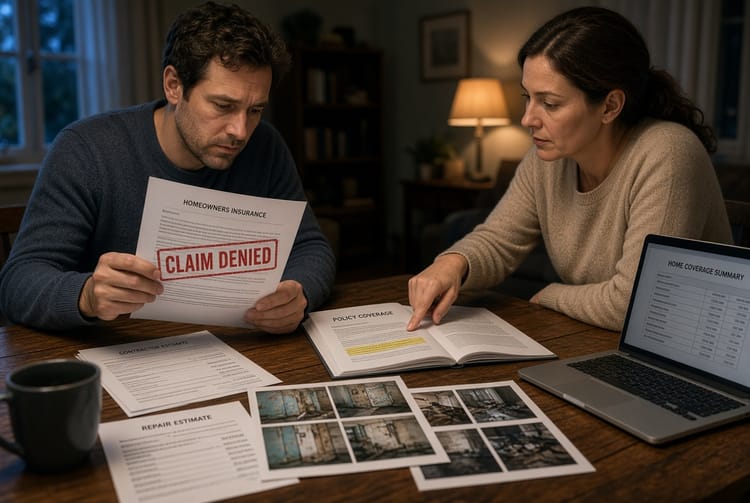
The Water Damage Exclusion: Understanding What's Not Covered
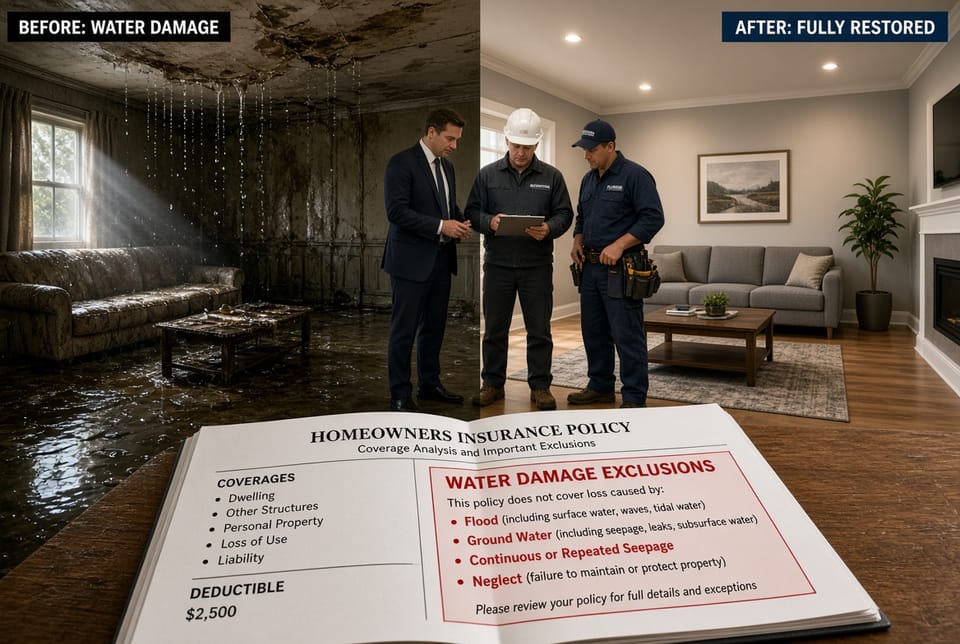
Homeownership brings peace of mind when the right protections are in place. Yet one of the most frequently misunderstood areas of a standard homeowners policy is the water damage exclusion. Many policyholders assume that any water-related incident will trigger coverage, only to discover gaps at the worst possible moment. This comprehensive guide explains exactly what the water damage exclusion means, clarifies the difference between covered and excluded events, and equips you with the knowledge to safeguard your most valuable asset.
Review Your Policy for Hidden Water Exclusions Today
Understanding these distinctions is not about creating fear—it is about building confidence. When you know the boundaries of your protection, you can take informed steps that keep your home secure and your finances stable.
What Home Insurance Typically Covers for Water Damage
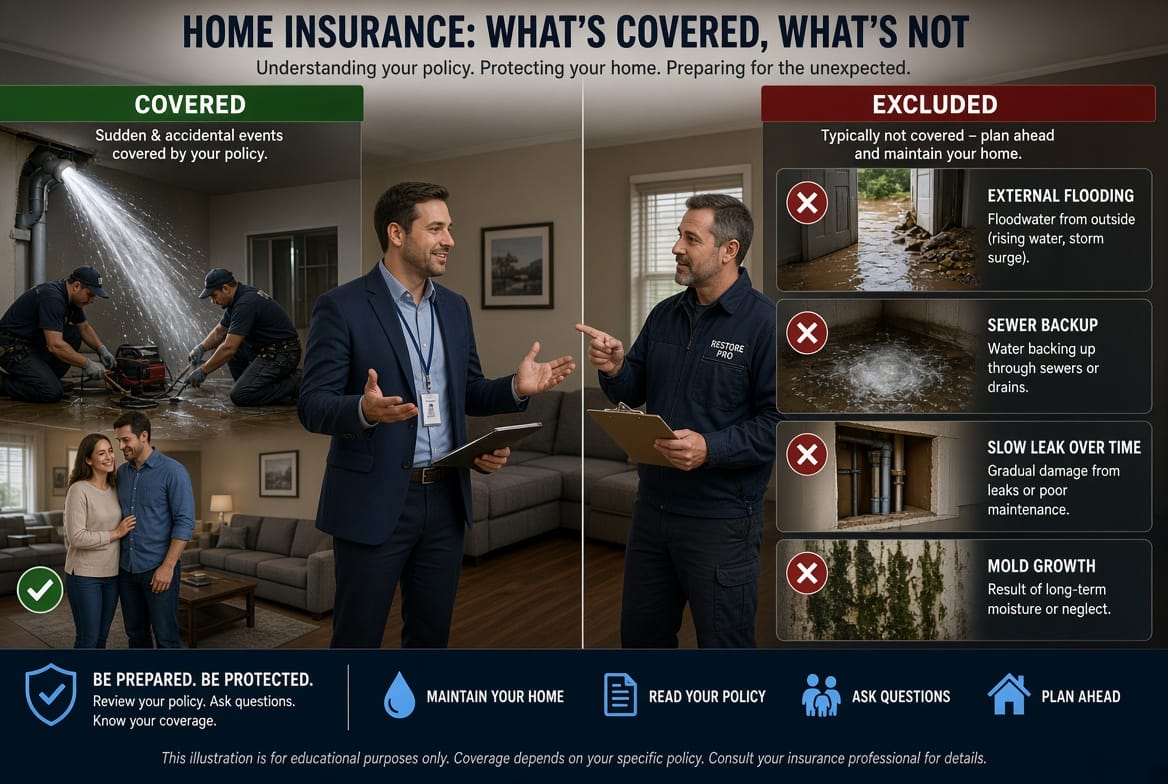
Standard homeowners policies are designed to respond to sudden and accidental water events. These are unexpected incidents that occur without prior warning and cause immediate harm.
Key covered scenarios include:
- Burst pipes caused by freezing temperatures or sudden pressure failure
- Sudden accidental discharge from plumbing systems, appliances, or HVAC units
- Overflow from a washing machine, dishwasher, or water heater that happens without gradual buildup
- Accidental release of water from a broken supply line that is discovered and addressed promptly
In these situations, the policy generally pays for the cost to repair or replace damaged structural elements, personal belongings, and, in many cases, temporary living expenses if the home becomes uninhabitable. The critical factor is the nature of the event: it must be abrupt, unforeseen, and not the result of ongoing neglect.
When a pipe bursts overnight and floods a basement, most policies respond quickly. The same applies when a water heater suddenly ruptures and soaks flooring and walls. These are the moments when your insurance is meant to step in and restore normalcy.
The Water Damage Exclusion Explained
The water damage exclusion is a standard clause found in nearly every homeowners policy. It carefully carves out specific types of water-related losses that insurers consider either too predictable, too widespread, or preventable through regular maintenance.
This exclusion exists to keep premiums affordable for the majority of policyholders while encouraging proactive home care. Without it, the cost of covering every possible water scenario would drive rates significantly higher for everyone.
Water Damage That Is Not Covered
Several categories of water damage fall squarely outside standard coverage. Recognizing them is essential.
Flooding from External Sources
Flooding is almost universally excluded from a standard homeowners policy. This includes water that rises from rivers, lakes, heavy rainfall that overwhelms the ground, storm surge, or surface water that enters the home from outside. Even if the water originates from a nearby creek that overflows after a storm, the loss is classified as a flood and requires a separate flood insurance policy, typically available through the National Flood Insurance Program or private carriers.
The distinction is clear: water that comes from outside the home and enters through the foundation, walls, or openings is treated differently from water that originates inside the plumbing system.
Sewer Backup Without Endorsement
Sewer backup or drain overflow is another frequent exclusion. When municipal sewer lines become overwhelmed or a blockage forces wastewater back into the home, the resulting damage is not covered under a basic policy. Many homeowners discover this gap only after a heavy rain event causes sewage to enter through basement drains or toilets.
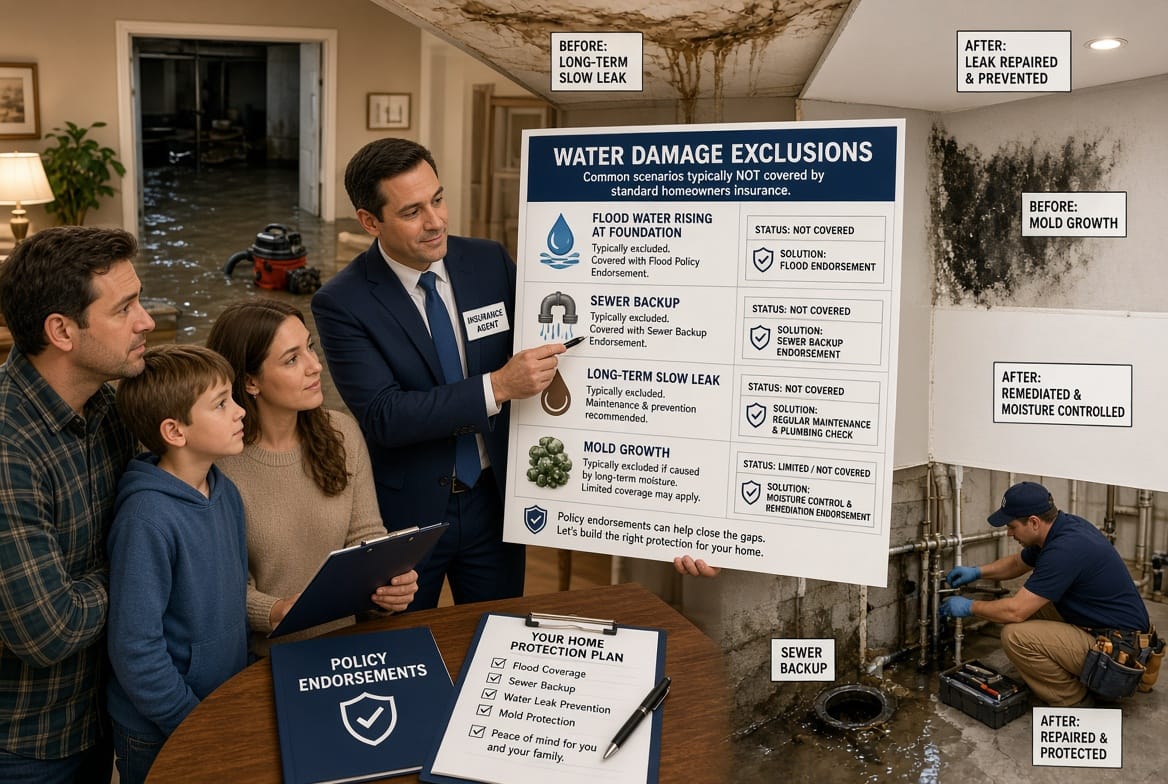
The good news is that most insurers offer an optional sewer backup endorsement or rider that can be added for a modest additional premium. Without this endorsement, cleanup, structural repairs, and replacement of personal property remain the homeowner’s responsibility.
Long-Term Leaks and Gradual Seepage
Long-term leaks and gradual seepage are firmly excluded. If a pipe has been dripping behind a wall for months or years, slowly rotting wood, weakening drywall, and creating hidden moisture, the resulting damage is considered preventable. Insurers expect homeowners to maintain their properties and address small issues before they escalate.
Examples include:
- A slow leak under a kitchen sink that goes unnoticed
- Condensation from an improperly insulated pipe that eventually damages flooring
- Continuous seepage through a foundation crack that was ignored
Because these situations develop over time, they fall under the maintenance responsibility of the homeowner rather than an insurable sudden event.
Mold Resulting from Neglect
Mold from neglect is closely tied to the long-term leak exclusion. When moisture is allowed to persist because of delayed repairs or inadequate ventilation, any mold growth that follows is typically not covered. Policies may provide limited coverage for mold that appears as a direct result of a sudden covered water event, but mold that stems from ongoing dampness or ignored leaks is excluded.
This distinction protects the insurance system from claims arising from deferred maintenance while still responding when mold is an immediate consequence of a covered burst pipe or accidental discharge that is promptly reported and remediated.
Why These Exclusions Exist
Insurers design exclusions around risk predictability and controllability. Sudden internal failures are relatively rare and difficult for a homeowner to prevent entirely. In contrast, flooding is a regional and often predictable hazard, sewer backups can be mitigated with maintenance and backflow valves, and long-term leaks are almost always detectable with routine inspections.
By excluding these categories, the insurance pool remains solvent and premiums stay reasonable. The system rewards homeowners who stay proactive while still offering robust protection for the unexpected.
How to Close the Gaps in Your Coverage
Knowledge of the water damage exclusion is only the first step. Practical actions can significantly strengthen your protection:
- Review your current policy declarations page and the full policy wording, paying special attention to the water damage and exclusion sections.
- Consider adding a sewer backup endorsement if your home is older or located in an area with aging municipal infrastructure.
- Evaluate the need for a separate flood insurance policy, especially if you live near water, in a low-lying area, or in a region experiencing increased rainfall intensity.
- Schedule regular plumbing inspections, particularly for homes more than fifteen years old or those with previous water issues.
- Install water leak detection devices and automatic shut-off valves that alert you to problems before they become catastrophic.
- Maintain gutters, downspouts, and grading around the foundation so surface water is directed away from the home.
- Address any signs of moisture, staining, or musty odors immediately rather than postponing repairs.
These steps transform the exclusions from potential pitfalls into manageable considerations. Many homeowners find that the cost of added endorsements is modest compared with the financial impact of an uncovered claim.
The Role of Documentation and Prompt Action
Even when an event appears to fall within covered territory, thorough documentation strengthens your position. Photograph the scene before any cleanup begins, keep receipts for emergency mitigation services, and notify your insurer as soon as possible. Delaying a report after a sudden pipe burst can sometimes complicate the claims process, especially if secondary damage such as mold begins to develop.
For excluded events, documentation still matters. Knowing precisely what occurred helps you decide whether an endorsement or separate policy would have made a difference and guides future purchasing decisions.
Common Misconceptions About Water Damage Coverage
Several myths persist and can leave homeowners vulnerable:
- “My homeowners policy covers everything water-related.” In reality, the water damage exclusion creates clear boundaries.
- “If the water comes from a pipe, it is always covered.” Only sudden and accidental discharges qualify; gradual leaks do not.
- “Flood insurance is only for people in high-risk zones.” Many claims occur outside official flood maps, and standard policies still exclude flood.
- “Mold is automatically covered if water damage is covered.” Mold coverage is often limited and may exclude growth resulting from delayed response or neglect.
Dispelling these misconceptions allows you to approach your policy with clarity rather than assumption.
Building Long-Term Resilience
Beyond policy adjustments, physical resilience reduces the likelihood of both covered and excluded losses. Simple upgrades—such as insulating pipes in unheated spaces, elevating water heaters in flood-prone basements, installing sump pumps with battery backups, and ensuring proper exterior drainage—pay dividends for decades.
When combined with a well-structured insurance program, these measures create layered protection. You gain the reassurance that sudden accidents will be handled by your insurer while simultaneously minimizing the chance that excluded events will ever occur.
Taking Control of Your Water Damage Protection
The water damage exclusion does not leave you unprotected; it simply defines the boundaries of standard coverage so that both insurers and homeowners can operate with transparency. Sudden accidental events such as burst pipes and unexpected discharges remain firmly within the scope of most policies. External flooding, sewer backups without an endorsement, long-term leaks, and mold arising from neglect sit outside those boundaries and require additional planning.
By understanding these distinctions, reviewing your policy in detail, and adding targeted endorsements where needed, you convert potential gaps into deliberate choices. The result is greater confidence that your home and belongings are shielded against the water-related risks most likely to affect your specific property.
Understand your water damage coverage. A brief conversation with a knowledgeable professional can clarify exactly where your current protection stands and what simple adjustments will close any remaining openings. Taking that step today ensures that tomorrow’s unexpected water event meets a prepared and resilient household rather than an unwelcome surprise.
Protect Against Uncovered Water Damage – Call Today